The era of the bloated, all-in-one software suite is facing a quiet revolution. While enterprise giants compete to add every conceivable feature to their dashboards, a new breed of entrepreneurs is proving that doing one thing exceptionally well is the fastest path to a profitable AI tools business. This shift toward the solo founder business model isn't just a trend; it's a strategic response to a market that is increasingly fatigued by complex interfaces and recurring subscription traps. By focusing on a niche software business, founders are finding they can build faster, charge more effectively, and maintain higher profit margins than their generalist competitors.
The 'Do One Thing Well' Philosophy: Preventing Feature Creep
The core of a successful micro saas strategy lies in what we call "pointy features." Instead of building a platform that attempts to manage a user's entire workflow, successful founders are building tools that solve a single, acute pain point. Take the example of Audio Pen, a voice-to-text AI tool that transformed from a 12-hour MVP into a business generating $15,000 per month. Its singular focus is taking "fuzzy thoughts" and turning them into clear, structured text. It doesn't try to be a project management tool or a full-scale CRM; it simply fixes the problem of writer's block and messy notes.
Preventing feature creep is essential for maintaining a lean operation. When a tool tries to do everything, the cost of development, customer support, and user onboarding skyrockets. By sticking to a niche, you ensure that every update adds direct value to your core user base. This philosophy allows a niche software business to differentiate itself from giants that might have voice-to-text as a buried sub-feature but lack the nuanced execution that a dedicated tool provides. When you focus on a specific use case, like UGC creators needing to script mobile app ads or developers documenting code via voice, your product becomes the go-to solution rather than a generic alternative.
The 12-Hour MVP: Why Speed is Your Greatest Competitive Advantage

Speed is the primary currency of the modern indie hacker. The story of Lewis, the founder of Audio Pen, highlights a critical lesson: don't spend years building an MVP that nobody has seen. Lewis built the core version of his app in just 12 hours during a "Halfday Build" hackathon. By using no-code tools like Bubble, he was able to go from idea to revenue before midnight. This rapid prototyping allows founders to test multiple micro saas ideas without the heavy emotional or financial investment that usually leads to the "sunk cost fallacy."
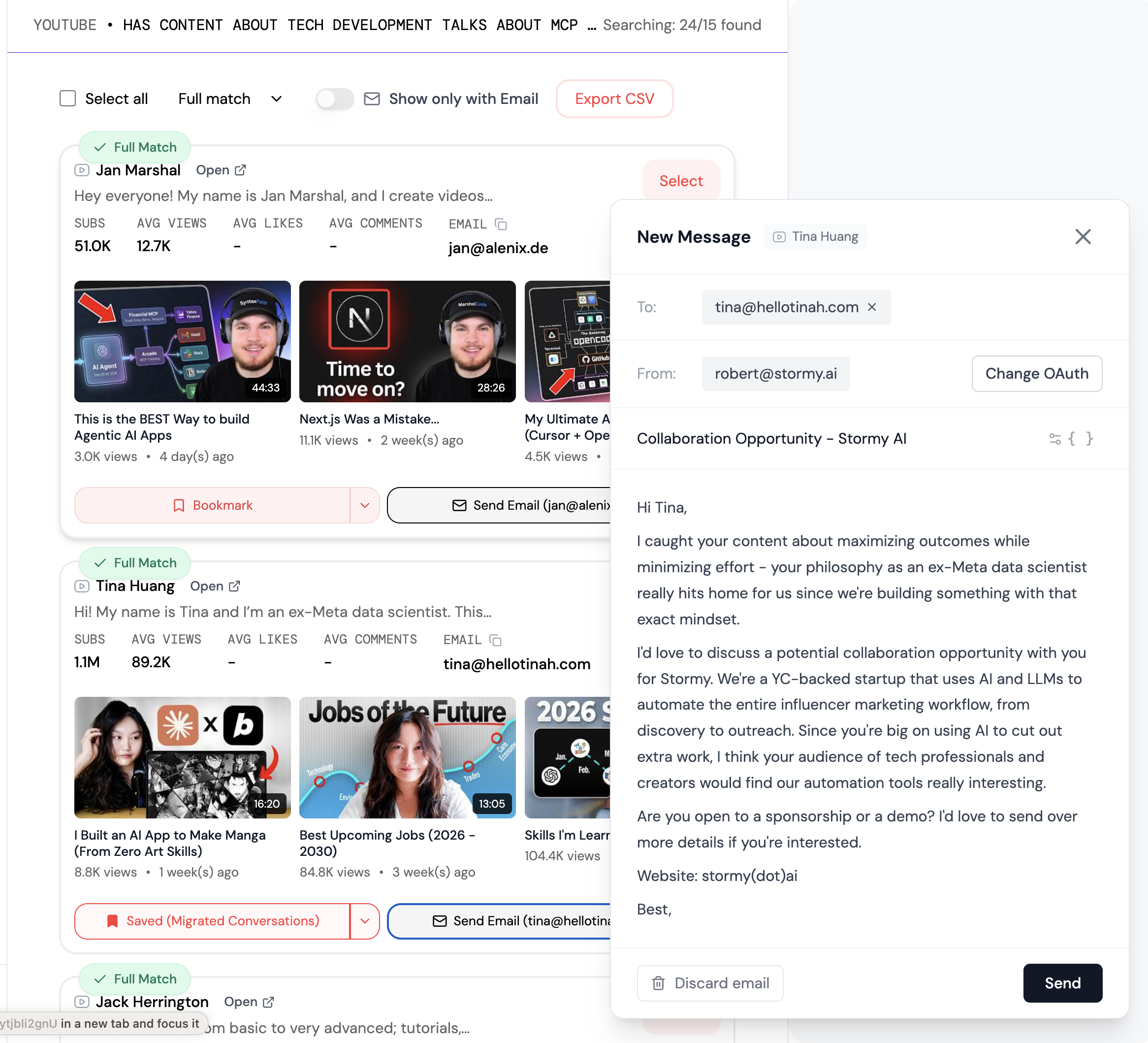
Success in the solo founder business model often comes after a series of calculated failures. Lewis failed with 15 to 20 products before finding the "signal" with Audio Pen. Each failure was a lesson in what the market didn't want, making the eventual success almost inevitable. In the world of mobile app marketing, this speed is equally vital. Developers often use Stormy AI, an AI-powered search engine for TikTok and Instagram, to find UGC creators who can quickly produce content to test which hooks resonate with an audience before committing to a full-scale ad spend. Similarly, a SaaS founder should test the "hook" of their software with a minimal version before scaling.
Rethinking SaaS Pricing Strategies: The Power of Non-Recurring Models

One of the most disruptive aspects of recent profitable AI tools is the shift in saas pricing strategies. While the industry has been obsessed with monthly recurring revenue (MRR) for over a decade, Audio Pen found massive success with a different approach: non-recurring subscriptions. By offering a $99/year or $159/2-year plan that users must manually renew, the founder built immediate trust and removed the "subscription anxiety" that prevents many customers from signing up.
This pricing model works because it aligns with the user's sense of control. In a solo founder business model, cash flow is often more important than the theoretical lifetime value (LTV) of a user who might churn after three months of a $9 subscription. A larger upfront annual payment provides the capital needed to cover API costs and hosting fees while proving that the user actually values the tool. When you are looking to scale, especially in competitive sectors like app marketing, having a clear, transparent pricing model can be your strongest marketing asset. It’s about being an "indie hacker" who behaves like a human rather than a faceless corporation with hidden cancellation buttons.
Scaling as a Solo Founder: The Lean Tech Stack
Maintaining a $15,000 monthly revenue as a part-time founder requires a tech stack that does the heavy lifting for you. Automation is the only way to balance a full-time job with a growing niche software business. Beyond the initial build on Bubble, Lewis utilizes Xano for back-end logic and Draftbit for native app development. This modular approach allows for high performance without the need for a massive engineering team.
To manage the business side of things, tools like Xero help automate invoicing and expenses, which is critical when you have over 5,000 paying customers. For communication and growth, Loops handles email marketing while Plausible Analytics provides privacy-focused insights into user behavior. When founders reach this stage of growth, they often look for ways to expand their reach through partnerships. For instance, using Stormy AI allows a SaaS founder to set up an autonomous AI agent that discovers, outreaches, and follows up with creators on a daily schedule, driving organic growth without the high cost of traditional paid ads.
Identifying the 'Signal' in a Sea of Failed Experiments
How do you know when to double down on a project? For many in the micro saas ideas space, the signal comes from "building in public." By sharing the development process on platforms like Twitter or LinkedIn, founders can gauge interest before a single line of code is finished. When Lewis shared the MVP of Audio Pen, the response was immediate and overwhelming compared to his previous 15 projects. He didn't just look at the number of likes; he looked at early beta testers who were willing to pay even before the full version was launched.
This validation process is crucial for profitable AI tools. Because AI APIs are now a commodity, the value isn't in the technology itself, but in the workflow and user experience. If people are asking for features or telling you how the tool fits into their daily routine, you've found the signal. At this point, you should stop building new tools and focus entirely on refining the winner. This is the stage where App Store Optimization (ASO) and influencer collaborations become vital. By leveraging Stormy AI to analyze engagement rates and detect fake followers, you can find authentic creators who specifically talk about productivity or AI to showcase your tool to a highly relevant audience, effectively "doubling down" on your marketing signal.
The Micro-SaaS Playbook: From Idea to $15k MRR
- Build for Fun, Not Just Profit: Start by building small tools that solve your own problems. This keeps the process enjoyable and ensures you understand the user's pain.
- Design Before Building: Use tools like Pinterest for inspiration and Figma for layout. A clean, intuitive design is often the only thing that separates a successful app from a failed experiment.
- Build in Public: Share your progress, your failures, and your designs. This builds social credibility and a community of cheerleaders who will support your launch.
- Launch the Simplest Version: Your MVP shouldn't be perfect; it should just work. Launch early, get feedback, and raise your prices as the product matures.
- Stay Authentic: Don't try to sound like a Fortune 500 company. People love supporting individual builders. Your story is your most unique marketing asset.
Conclusion: The Future of Niche AI Software
The success of products like Audio Pen proves that the solo founder business model is more viable than ever. By focusing on a niche software business, utilizing saas pricing strategies that respect the user, and moving with extreme speed, you can carve out a highly profitable space in the AI ecosystem. Whether you are a developer looking for micro saas ideas or a marketer looking to leverage UGC for mobile app marketing, tools like Stormy AI provide a centralized creator CRM to track every collaboration, helping you find a singular problem and build a simple solution. The world doesn't need another all-in-one platform; it needs a tool that does exactly what it says on the tin, and does it perfectly.