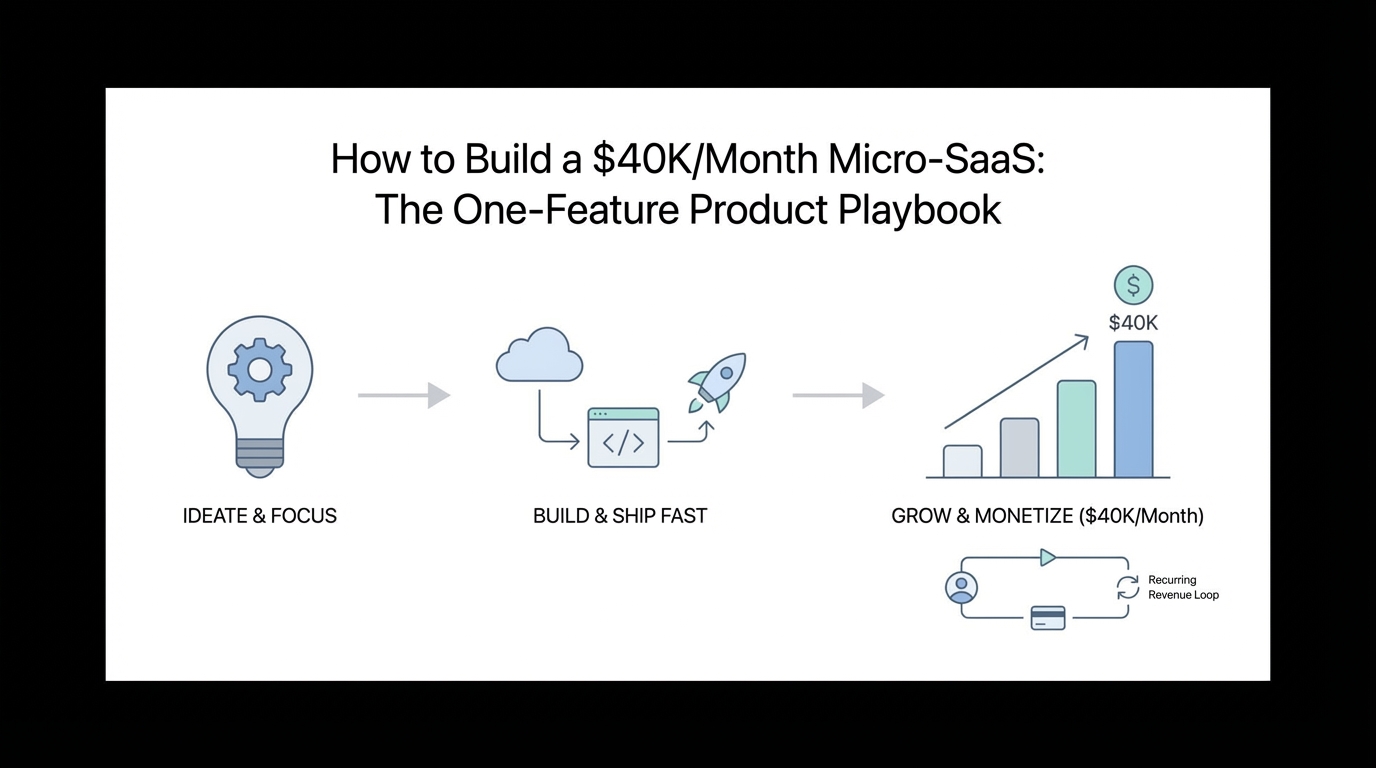
Imagine building a website that does exactly one thing, running it as a total solopreneur with zero employees, and watching it scale to $40,000 in monthly recurring revenue (MRR). For most developers and digital entrepreneurs, this sounds like a pipe dream. We are taught that to build a successful software as a service business, we need complex feature sets, venture capital, and a massive engineering team. But Angus Chang, a developer from Hong Kong, proved the opposite when he built BankStatementConverter.com, a simple tool to convert bank statements into Excel files.
The rise of the one-person business is driven by the realization that 'boring' problems often have the highest profit margins. According to research on high-revenue solopreneurship, focusing on a single, high-utility feature allows you to bypass the 'feature creep' that kills most startups and build a lean, profitable app idea that scales. In this guide, we will break down the exact playbook used to identify these 'silly' problems, validate them with minimal risk, and scale a micro-SaaS to life-changing revenue levels.
The 'Silly' Problem Strategy: Identifying Niche Workflow Gaps

The best micro saas ideas aren't born in a boardroom; they are found in the frustration of daily workflows. Angus Chang didn't set out to build a global conversion tool. He simply wanted to track his own spending. When he discovered his bank only provided data in PDF format, he realized he couldn't easily import it into Excel. This was a personal pain point that felt small, even 'silly,' yet it was a fundamental roadblock to a common task.
To find these high-signal ideas, you must look for manual tasks that people repeat daily. If someone is copy-pasting data, manually renaming files, or struggling to move information between two platforms, there is a micro-SaaS opportunity. The goal is to find a problem that is narrow enough to solve with a single feature but common enough that thousands of people share the same frustration. Many founders make the mistake of looking for 'big' ideas that require complex ecosystems. Instead, look for the 'bridge' software—the tool that connects point A to point B in a more efficient way.
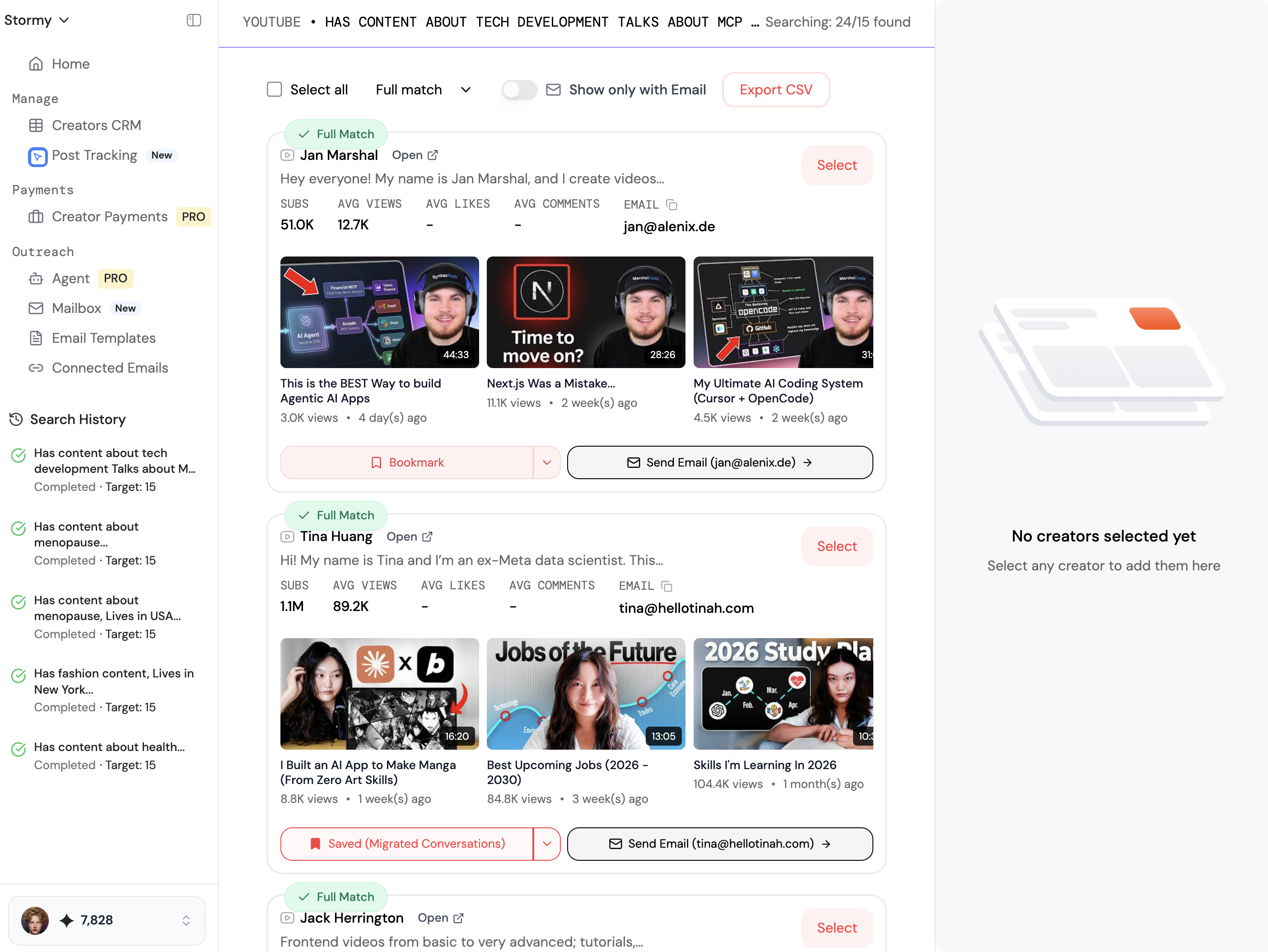
If you are struggling to spot these gaps, look at what people are complaining about on professional forums like r/SaaS or social media. Often, users will post about a workaround they've hacked together. That workaround is your software as a service business waiting to happen. To speed up this discovery, savvy founders use Stormy's AI search to identify trending topics and pain points among niche creator communities on platforms like TikTok and YouTube. By analyzing what creators are talking about, you can spot emerging 'boring' problems before they become mainstream.
The 1-Week MVP Strategy: Validating with Minimal Risk
Validation is where most one-person businesses stall. Founders spend months building a 'perfect' product only to find that no one wants to pay for it. The Angus Chang method—the lean startup approach—suggests that if it takes you more than a week or two to build an MVP, you are taking on too much risk. Your goal isn't to build a finished product; it's to build a functional prototype that proves the problem exists.
Angus started with a local console application written in Kotlin. It wasn't pretty, and it didn't have a UI, but it solved his specific problem. Once he generalized the code to work with other banks, he launched a basic website using Next.js and Netlify. He didn't wait for perfection. He bought Google Ads to drive immediate traffic. When users started uploading bank statements, he had his answer: the problem was real, and people were looking for a solution.
When validating your profitable app ideas, avoid asking friends or family for feedback. They will lie to you to be polite. Instead, put the tool in front of strangers. Use search ads or niche community outreach to find people actively searching for a solution. If they are willing to upload their data or put in a credit card, you have a business. For those looking to vet their audience more deeply, Stormy AI for influencer vetting and audience analysis can help you find the specific niches where your potential customers hang out, allowing you to see what kind of content they engage with before you spend a dollar on development.
Building for Scale: The Micro-SaaS Tech Stack
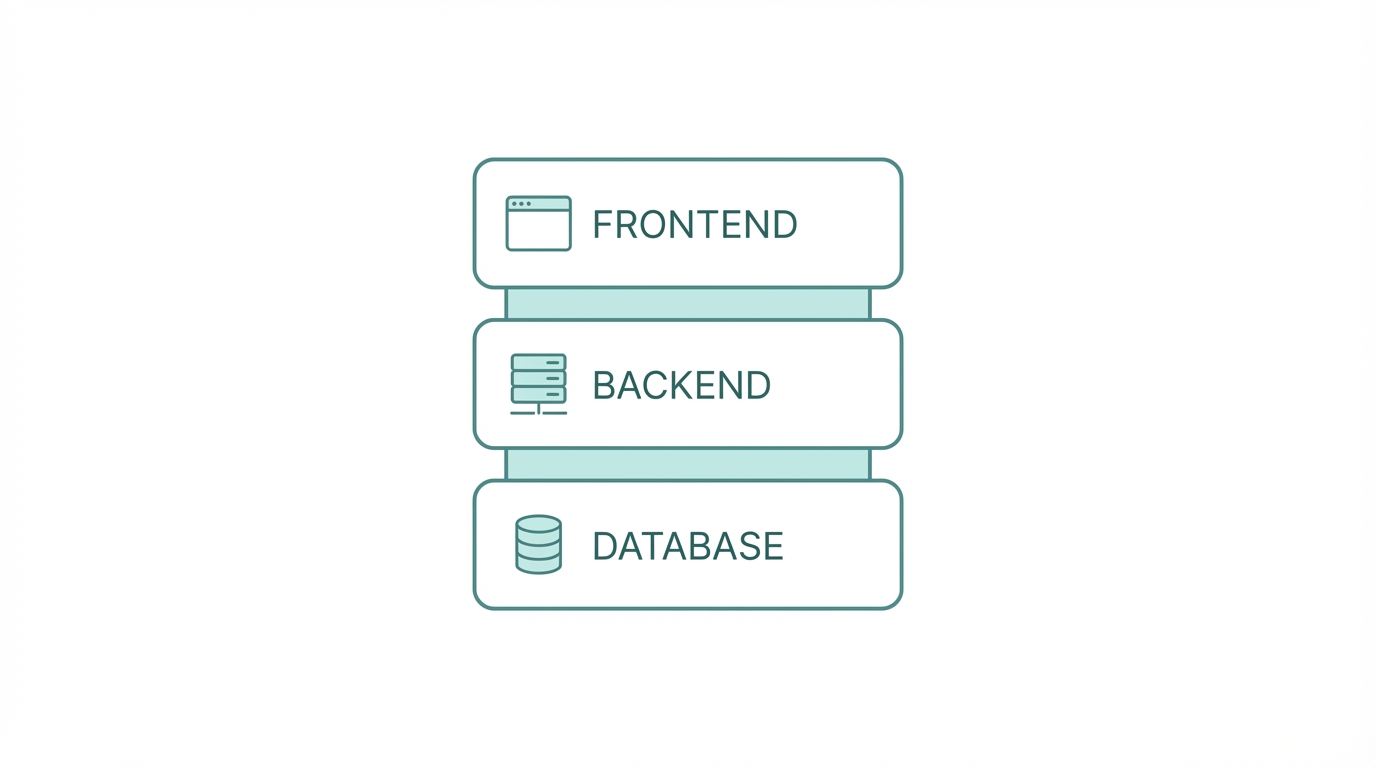
A common trap for developers is spending too much time on 'cool' tech rather than 'business' tech. In a software as a service business, your customers don't care about your database architecture; they care about the result. Angus kept his stack remarkably lean, which allowed him to maintain a 97% profit margin ($39,000 profit on $40,000 revenue).
The Solopreneur Stack:
- Backend: Kotlin (JVM-based) for the core processing engine.
- Frontend: Next.js for a fast, SEO-friendly user interface.
- Hosting: AWS EC2 for the backend and Netlify for the frontend.
- Payments: Stripe for seamless global payment processing.
- Transactional Email: Brevo for user notifications and file delivery.
By using battle-tested tools like AWS and Stripe, you reduce the operational burden of your business. As a solo founder, you cannot afford to manage complex infrastructure. Your tech stack should be a 'set it and forget it' system that allows you to focus on fixing customer bugs and improving the core algorithm. How to build a saas isn't just about code; it's about choosing the path of least resistance to provide value. If you eventually start working with creators to promote your tool, you can even handle creator payments directly through the Stormy AI platform to keep your operations centralized.
Marketing Realities: Why Social Media is Often a Distraction
One of the most surprising insights from the Starter Story research is that social media, blogging, and 'building in public' were largely wastes of time for this specific micro-SaaS. Angus found that his target audience—people dealing with bank statements—weren't looking for solutions on Twitter or reading developer blogs. They were looking for a tool at the exact moment they had a problem.
This is a critical lesson for one-person businesses: your marketing must match the user's intent. For utility tools, Search Engine Optimization (SEO) and organic search are the primary drivers of growth. Once Angus stopped paying for unprofitable Google Ads, the organic traffic began to compound. He focused on making the tool so good that when a user found it, they converted and stayed. If your tool solves a one-off problem, you don't need a massive social following; you need to be the first result when someone types their problem into a search engine.
However, if you do choose to scale through outreach, efficiency is key. Manual cold emailing is often a recipe for burnout. Instead, modern founders use Stormy's AI outreach to automate the discovery and contacting of potential partners or niche blogs that can provide high-quality backlinks. This allows you to manage all creator conversations and follow-ups through a centralized AI email inbox, keeping your focus on the product while the AI handles the promotion.
The Growth Timeline: From $0 to $40,000 MRR
Scaling a software as a service business is rarely an overnight success. For Angus, the journey took several years of consistent, quiet work. He launched in 2021, and it took two to three years before the revenue could even cover his rent. This 'long game' is the reality of the micro-SaaS world.
The Revenue Milestone Roadmap:
- 2021: Launch and initial validation (finding the first 10 paying users).
- 2022: $6,000 MRR – Reaching a level of basic sustainability.
- 2023: $14,000 MRR – Growth through organic search and product improvements.
- 2024: $40,000 MRR – Scaling to 75,000 total users with 1,000 paying customers.
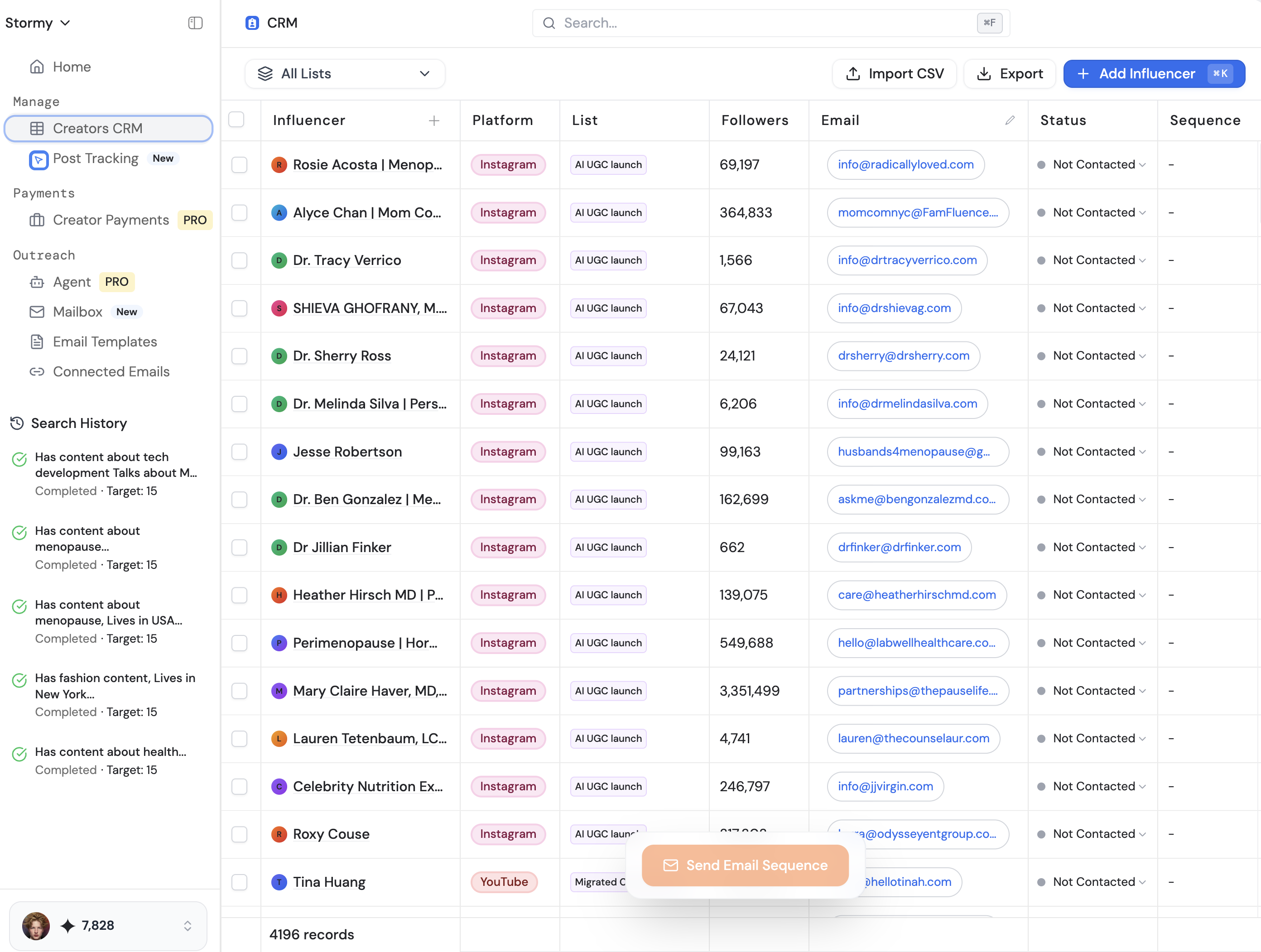
The transition from a developer mindset to a business mindset is crucial during this phase. You must stop caring about 'pretty code' and start caring about business-aligned features. If a customer at 3 AM has a problem with their bank statement format, fixing that is more important than refactoring your database. Managing these relationships becomes easier with tools like Stormy's creator CRM, which helps you track every interaction and deal stage as you grow from a handful of users to thousands.
The Solopreneur Mindset: Dealing with Loneliness and Longevity
Building a profitable app idea by yourself is a double-edged sword. On one hand, you have total freedom. You can wake up, go for a hike, and work on your own schedule. On the other hand, it can be incredibly lonely. In the early years, when you are making $200 a month and working 12-hour days, friends and family might not understand why you are doing it.
Success in the micro-SaaS space requires financial runway. You need enough savings to survive the 'trough of sorrow' where revenue is low but the workload is high. As the business grows, the reward is a high-margin, low-overhead asset that gives you your time back. To maintain this growth, founders must stay vigilant about their performance metrics. Stormy's post tracking and analytics dashboard can help you monitor how your brand is being mentioned across the web, ensuring you don't lose momentum as you scale toward that $40K MRR goal.
Conclusion: Your One-Feature Playbook
Building a $40K/month software as a service business doesn't require a revolutionary idea or a team of 50. It requires the discipline to find a boring problem, the speed to build a 1-week MVP, and the patience to let organic growth compound over years. By focusing on a single feature and a one-person business model, you can build a highly profitable, life-changing company on your own terms.
The path to freedom starts with solving a single pain point. Whether you are automating a spreadsheet or building a bridge between two APIs, the opportunity is there. Stop looking for the next 'unicorn' and start looking for the next 'boring' workflow that needs a better solution. With the right tools and a lean mindset, your first micro saas ideas could be the foundation of your future empire.