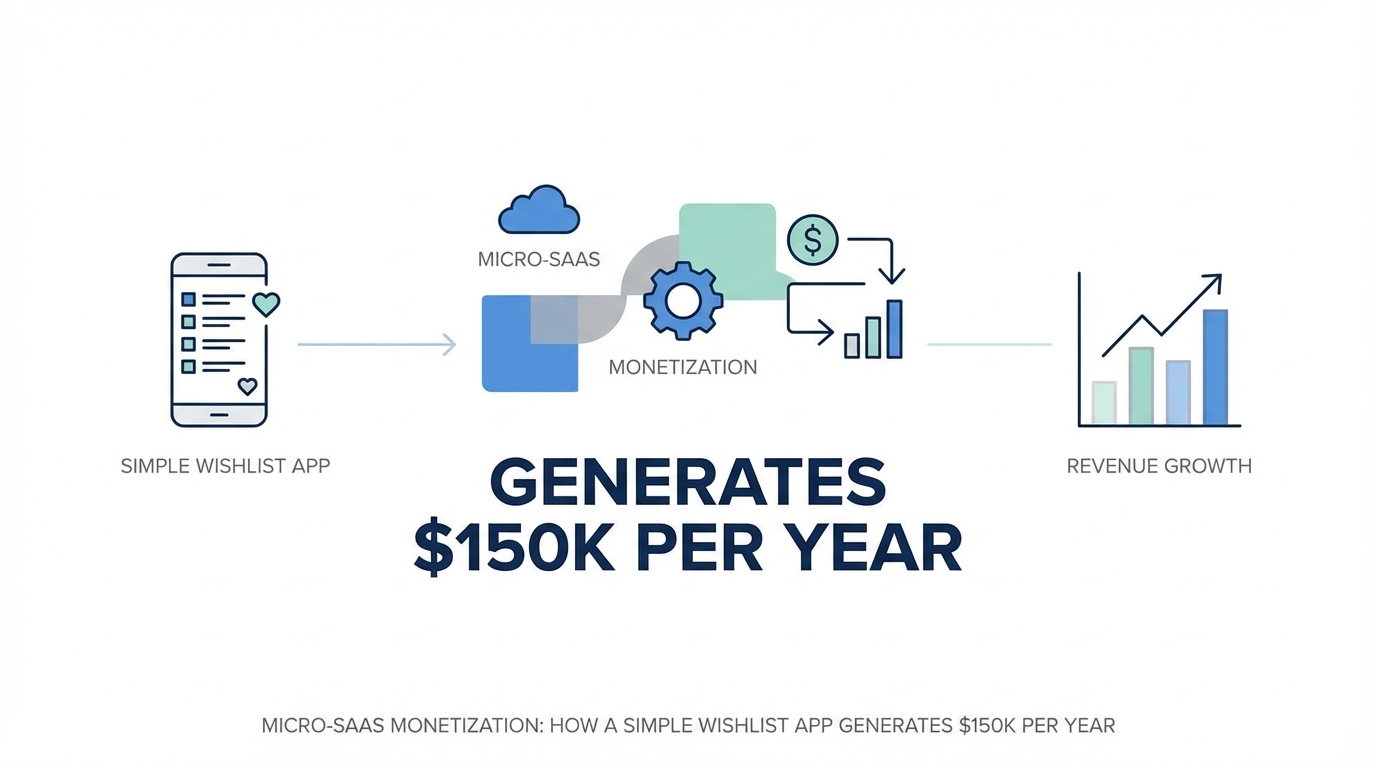
In the high-stakes world of venture capital and hyper-growth startups, it is easy to forget that some of the most successful digital businesses are built in the quiet corners of the internet. We often celebrate the unicorns, yet there is a growing movement of solo founders building lean, highly profitable "Micro-SaaS" products that generate six-figure incomes with nearly zero overhead. One of the most compelling examples of this trend is the story of Chris, a developer who turned a simple wishlist application into a business generating $150,000 per year. This case study explores the blueprint for micro-saas monetization and how solving a personal, "boring" problem can lead to financial freedom without the need for a massive team or external funding.
The Rise of the Utilitarian App: Profitable App Ideas 2025


While many founders spend months trying to invent a revolutionary social network, the most profitable app ideas 2025 often stem from basic utility. Chris started his journey not by chasing a trend, but by solving his own frustration. In 2019, he was using a clunky Excel sheet to track his gift wishes because he couldn't find a "nice and pretty" wishlist app. This realization—that a common tool like a notes app or a spreadsheet was insufficient—is the cornerstone of micro-saas monetization. By focusing on a specific niche (wishlists) rather than a broad category (to-do lists), he carved out a space in a crowded market.
Success in this space doesn't require reinventing the wheel. According to insights from Starter Story, starting small with an actual problem you or someone else experienced is the most reliable path to a working product. For Chris, the goal wasn't a million-dollar exit on day one; it was simply to get a random person to download the app. This grounded approach allows founders to focus on product-market fit before worrying about complex scaling issues. If you are looking to validate an idea, utilizing Stormy AI's influencer analysis for fake follower detection and audience vetting can help you see which creators are already talking about similar utility problems, giving you a head start on your market research.
The Affiliate Engine: A Core App Affiliate Marketing Guide
One of the most powerful ways to answer the question of how to monetize a free app is through automated affiliate integration. For a wishlist app, this is a natural fit. When a user imports a product link from a retailer like Amazon, the app can automatically convert that URL into an affiliate link. This means that every time a friend or family member purchases a gift from that user's list, the app creator earns a commission. This creates a passive income stream that scales directly with user activity without requiring a paywall for every feature.
To succeed with an app affiliate marketing guide approach, automation is key. Chris's app uses an auto-import feature that fetches product data (images, prices, descriptions) and injects the developer's affiliate tag. This allows the app to maintain a 99% profit margin because the revenue is generated by the commerce occurring through the platform, rather than expensive server-side processing or high-touch sales. For developers looking to scale this, partnering with UGC creators who share their "must-have" lists is a proven growth hack. You can find these creators instantly using Stormy's AI search engine, which filters by niche and engagement rate across TikTok, YouTube, Instagram, and LinkedIn.
Value-Based Paywalls: Functional vs. Aesthetic Features
While affiliate revenue provides a solid baseline, micro-saas monetization often requires a secondary layer: the premium membership. The challenge for solo founders is deciding what to charge for. Chris identified a unique psychological trigger in his users: the desire for aesthetic customization. While the core functionality of the app—adding and sharing wishes—remains free to ensure a low barrier to entry, "aesthetic" features like custom wishlist images and advanced themes are tucked behind a paywall.
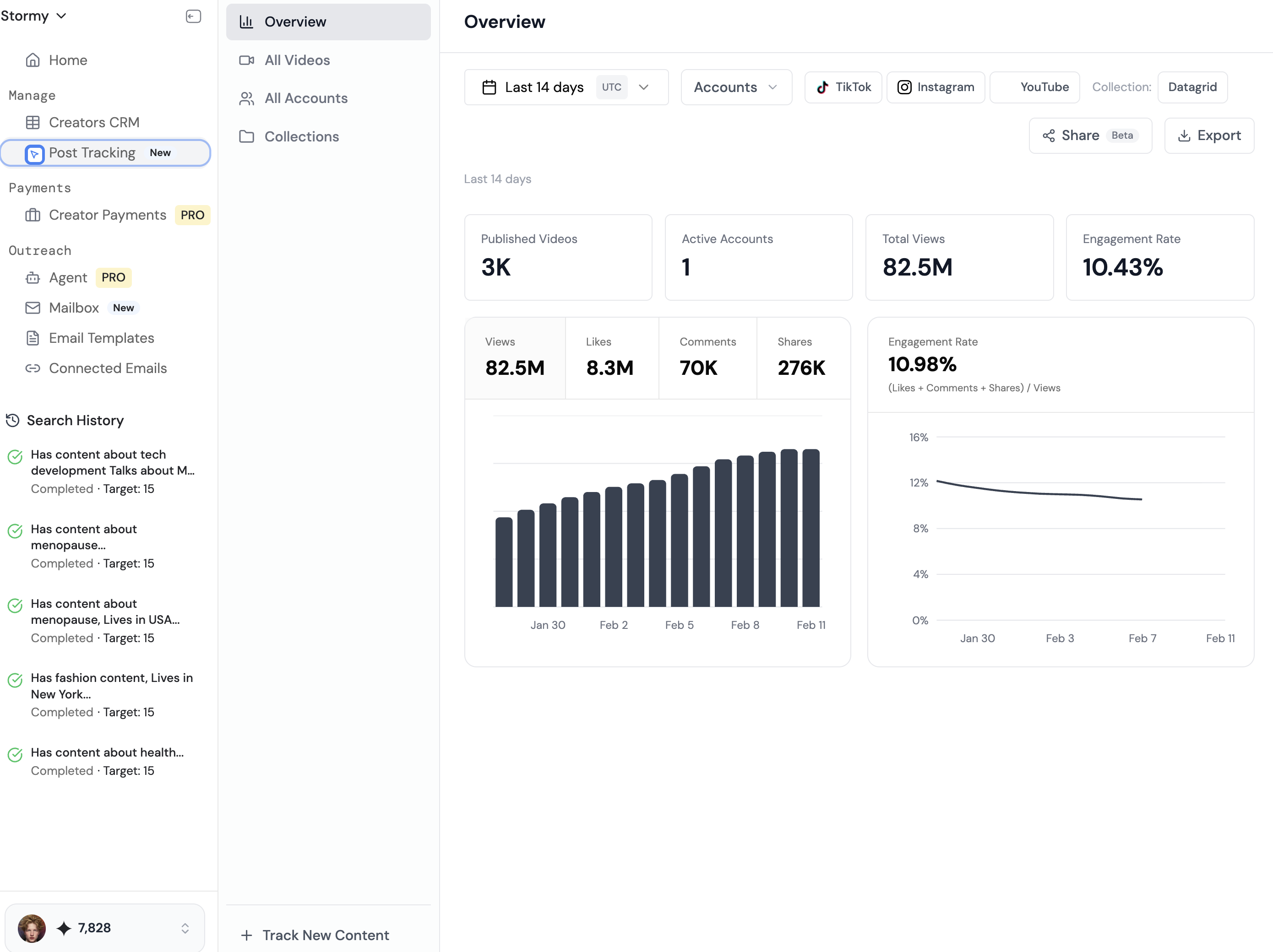
This strategy is highly effective because it doesn't punish the free user but rewards the power user. Using tools like RevenueCat allows developers to manage these in-app purchases and subscriptions with minimal code. By analyzing user behavior, founders can identify "magic moments"—such as when a user adds their tenth wish—and trigger a well-timed review request or premium upsell. This ensures that the how to monetize a free app strategy feels helpful rather than intrusive. To track how these features perform and how users react to them in the wild, many founders use Stormy AI's post tracking and analytics dashboard to monitor social mentions and user-generated content about their app's premium features.
The Lean Tech Stack for Solo Founders
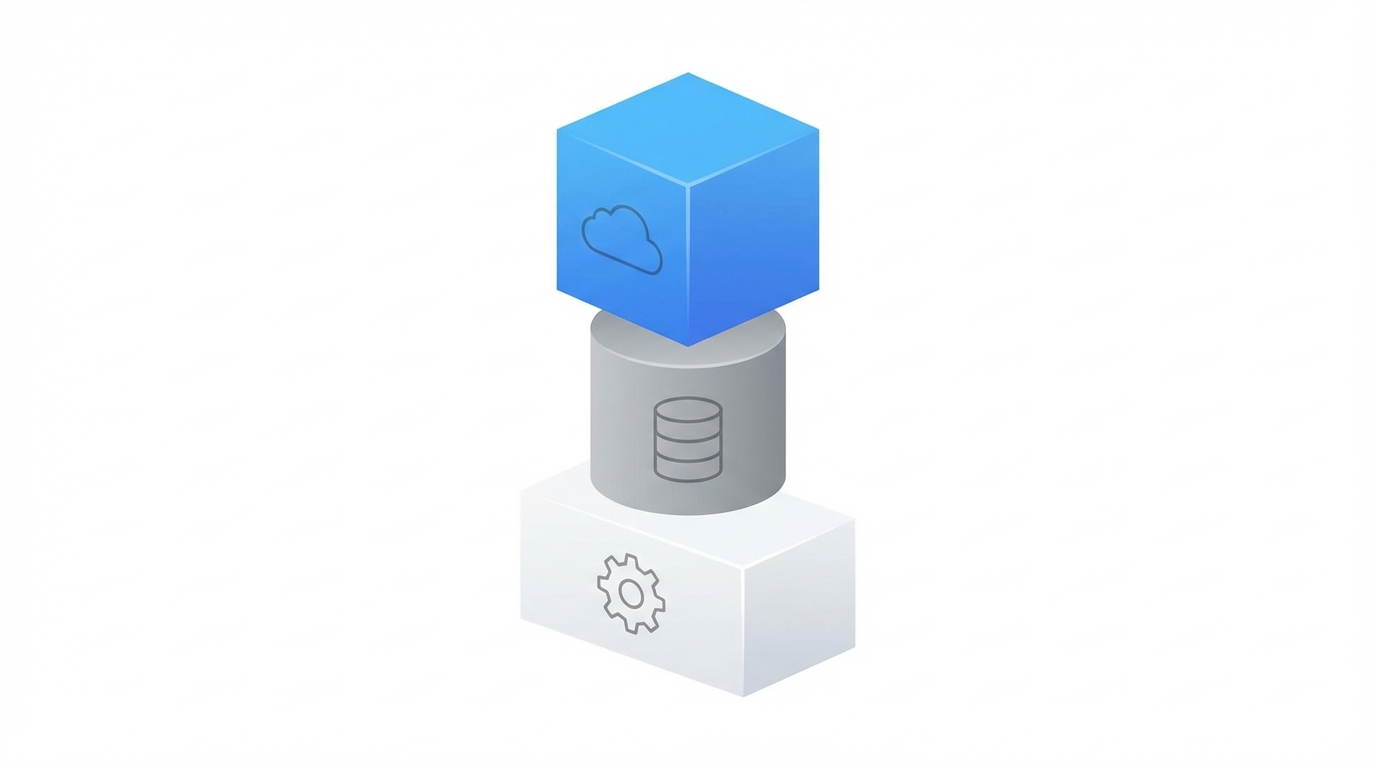
To maintain 99% profit margins while generating $150K annually, the saas tech stack for solo founders must be prioritized for speed and low maintenance. Chris's stack is a masterclass in modern, efficient development. He uses Flutter for cross-platform mobile development, allowing him to maintain a single codebase for both iOS and Android. This drastically reduces the time spent on bug fixes and feature parity, which is essential when you are balancing a side project with a 9-to-5 job.
For the backend, Google Firebase handles authentication, database needs, and analytics, while Cursor and ChatGPT serve as AI-powered development partners. This "AI-first" development approach means a single developer can perform the work of a three-person engineering team. By keeping fixed costs low—spending primarily on server costs and small utility fees—the business remains resilient. For those looking to automate their marketing stack as well, setting up a Stormy AI autonomous agent can handle the discovery, outreach, and follow-ups with creators while the founder focuses on shipping new features.
Planning for Seasonal Revenue Spikes
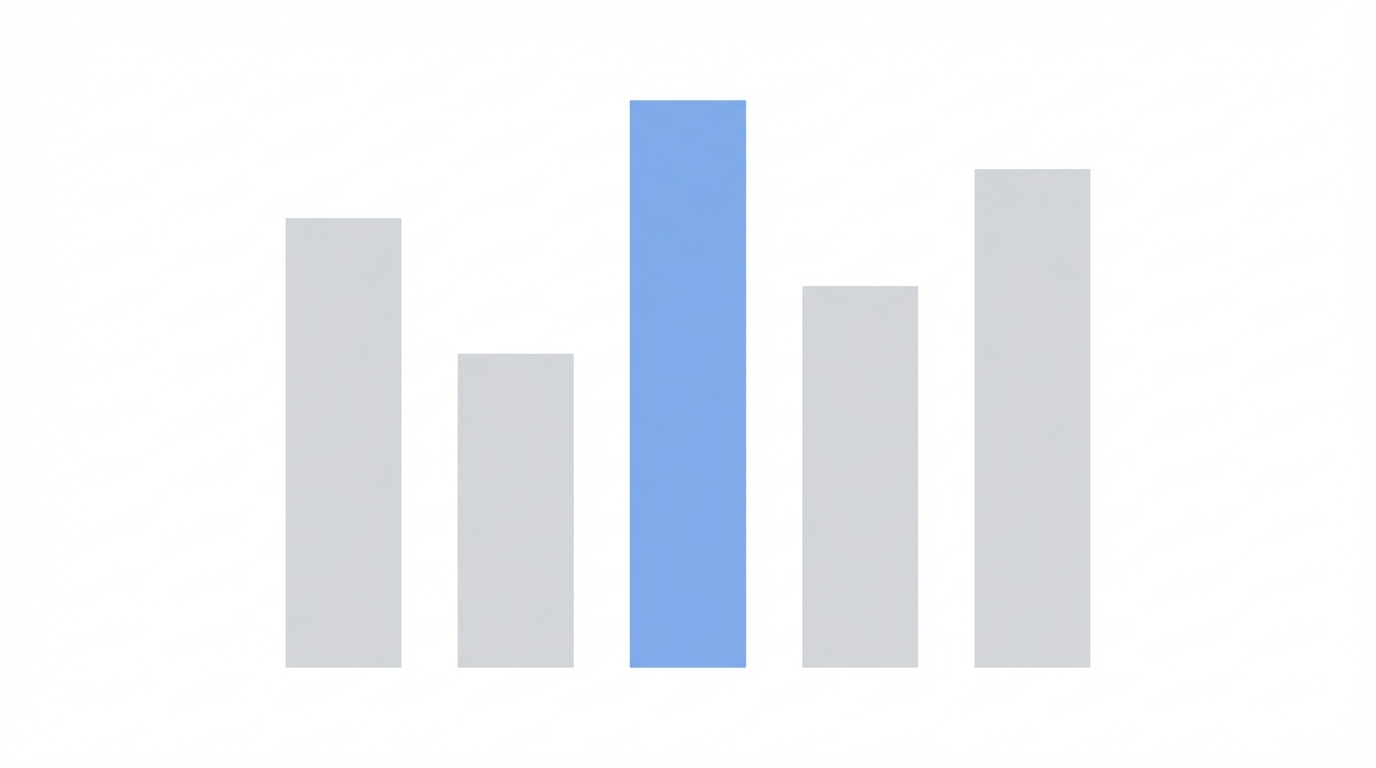
One of the most overlooked aspects of micro-saas monetization is seasonality. Utility apps, particularly those focused on gifting or organization, often see massive fluctuations in traffic and revenue. Chris noted that during the "high season"—the period encompassing Black Friday, Christmas, and the New Year—his revenue can increase by 5x. According to the National Retail Federation, holiday spending reaches record highs annually, which is the period when 110,000 monthly active users can swell into a much larger audience, and affiliate commissions skyrocket as gift-buying peaks.
Maximizing these windows requires careful planning. Founders should ensure their saas tech stack for solo founders can handle the load and that their marketing efforts are ramped up in the weeks leading up to the holidays. This is the perfect time to use Stormy AI's personalized email outreach to contact influencers for holiday gift guide collaborations. By automating this outreach in October and November, a solo founder can secure dozens of creator mentions just in time for the annual traffic surge.
The 'Users First' Philosophy: Why Delaying Monetization Works
A common mistake in how to monetize a free app is turning on the paywall too early. Chris's journey spanned six years, and for much of that time, his priority was user experience over immediate profit. By building a robust support system and personally responding to user emails, he built a loyal base that eventually reached 1.1 million registered users. This critical mass is what makes micro-saas monetization viable; a small percentage of a large user base is much more valuable than a high percentage of a tiny one.
This philosophy also helps with App Store Optimization (ASO). High user engagement and positive reviews lead to better rankings. Chris's tactic of following Apple's Review Guidelines to ask for reviews only after a user "accomplished something" (like fulfilling a wish) resulted in a surge of 5-star ratings. This organic growth engine is far more sustainable than paid advertising. To keep this momentum going, founders can use Stormy's creator CRM to manage relationships with power users and advocates who can help spread the word through word-of-mouth marketing.
The Micro-SaaS Playbook: Steps to $150K
If you are looking to replicate this success, follow this clear playbook to build and monetize your own utility app:
Step 1: Identify a "Boring" Problem
Look for tasks you currently do in a spreadsheet or a generic notes app. If you have a problem, at least one other person does too. Don't try to build the next Facebook; build a better version of a tool that already exists.
Step 2: Choose a Lean Stack
Stick to tools that allow for rapid iteration and low overhead. Flutter and Firebase are excellent choices for 2025. Use AI tools like Cursor to speed up your coding process.
Step 3: Focus on Organic Growth and Reviews
Integrate a simple support system and talk to your users. Ask for reviews only at moments of high satisfaction. Use Stormy AI's influencer search to find micro-creators in your niche who can give you an initial boost without a massive ad spend.
Step 4: Layer Your Monetization
Start with passive revenue like app affiliate marketing. Once you have a steady stream of users, introduce a premium tier for aesthetic or advanced functional features. Use RevenueCat to handle the heavy lifting of subscriptions and Stripe for secure payment processing.
Step 5: Scale with Automation
Once the product is stable, use AI to handle the "boring" parts of business. Set up a Stormy AI agent to handle creator discovery, outreach, and follow-ups while you sleep, ensuring a steady stream of new users.
Conclusion: The Freedom of Simple Ideas
The story of the $150K wishlist app proves that profitable app ideas 2025 don't have to be complex. By focusing on micro-saas monetization, maintaining a saas tech stack for solo founders, and putting the user experience first, it is possible to build a life-changing business on the side. Chris didn't need a team of 50 or millions in funding; he needed a simple idea, a commitment to quality, and the right tools to automate his growth. Whether you are a full-time student or a 9-to-5 employee, the path to $150K a year starts with solving a single problem for a single user—and then letting AI and automation help you scale it to the world.