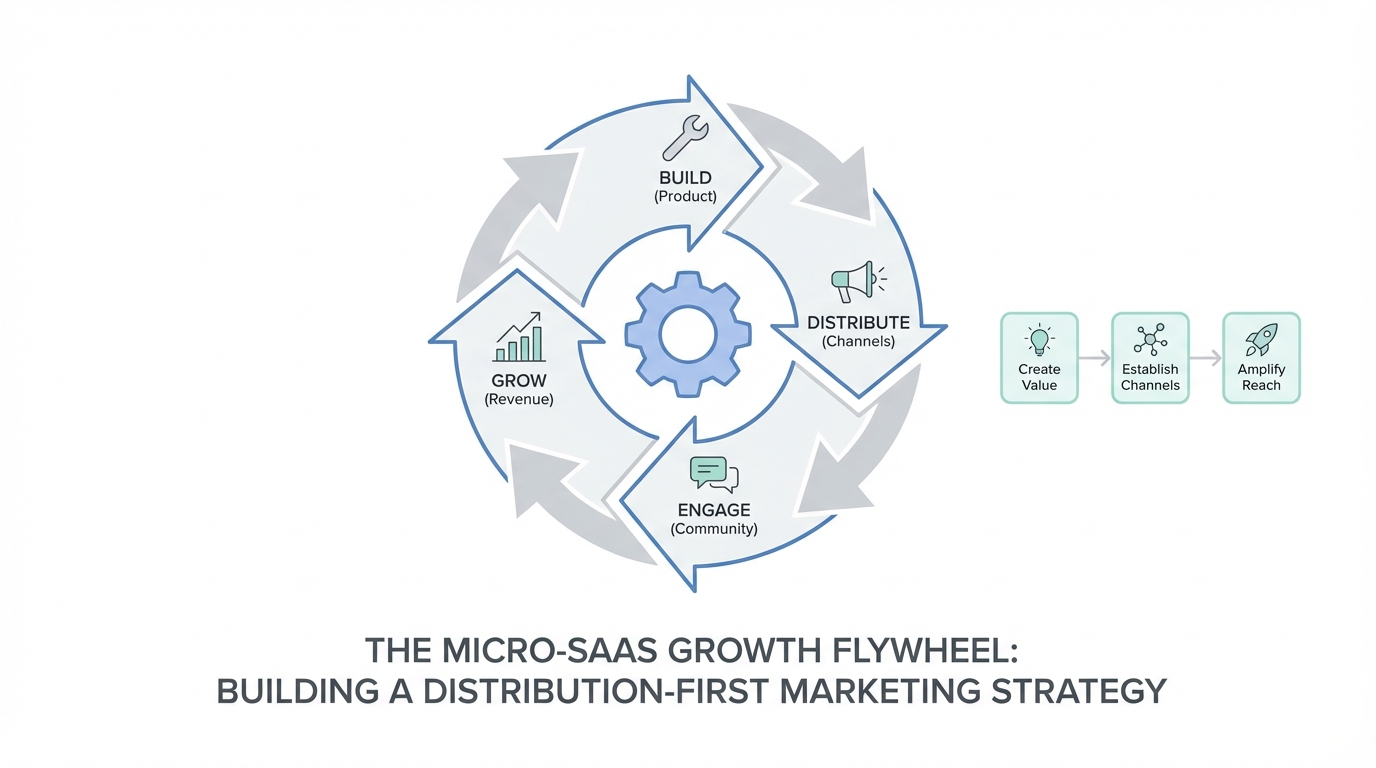
The traditional startup narrative often involves raising millions in venture capital, hiring a massive team, and burning cash for years in hopes of a distant exit. But a new breed of entrepreneurs is flipping the script by focusing on micro saas marketing and profitability from day one. In this modern landscape, the goal isn't necessarily to become the next Salesforce; it's to build a niche, high-margin product that solves a specific problem for a specific audience. By adopting a saas distribution strategy that prioritizes audience building over engineering, solo founders are now generating $20,000 to $50,000 in monthly recurring revenue (MRR) with 80-90% margins according to industry benchmarks.
What is Micro-SaaS? Understanding the Niche Advantage
To grow a saas business today, you must first understand the difference between a traditional SaaS and a Micro-SaaS. While a platform like Salesforce targets almost every enterprise on the planet, a Micro-SaaS is hyper-focused on a particular niche audience. It is often a "feature of a feature"—a tool that does one thing exceptionally well. For example, Bank Statement Converter is a solo-founded business doing $40,000 a month in MRR. Its entire value proposition is converting PDF bank statements into clean Excel formats. It’s simple, it solves an acute pain point, and it doesn't require a team of 100 to maintain.
Building a Micro-SaaS is about maximizing lifestyle and equity. Unlike VC-backed companies, Micro-SaaS founders often retain 100% of their equity and focus on profitability rather than growth at all costs. Because these tools are built on top of existing platforms or focus on narrow workflows, they are significantly cheaper to build. In the age of AI, developers can use tools like Brex to manage their financial operations while keeping overhead low, allowing them to iterate quickly on micro saas marketing strategies that actually work.
The Growth Flywheel: A Distribution-First Approach
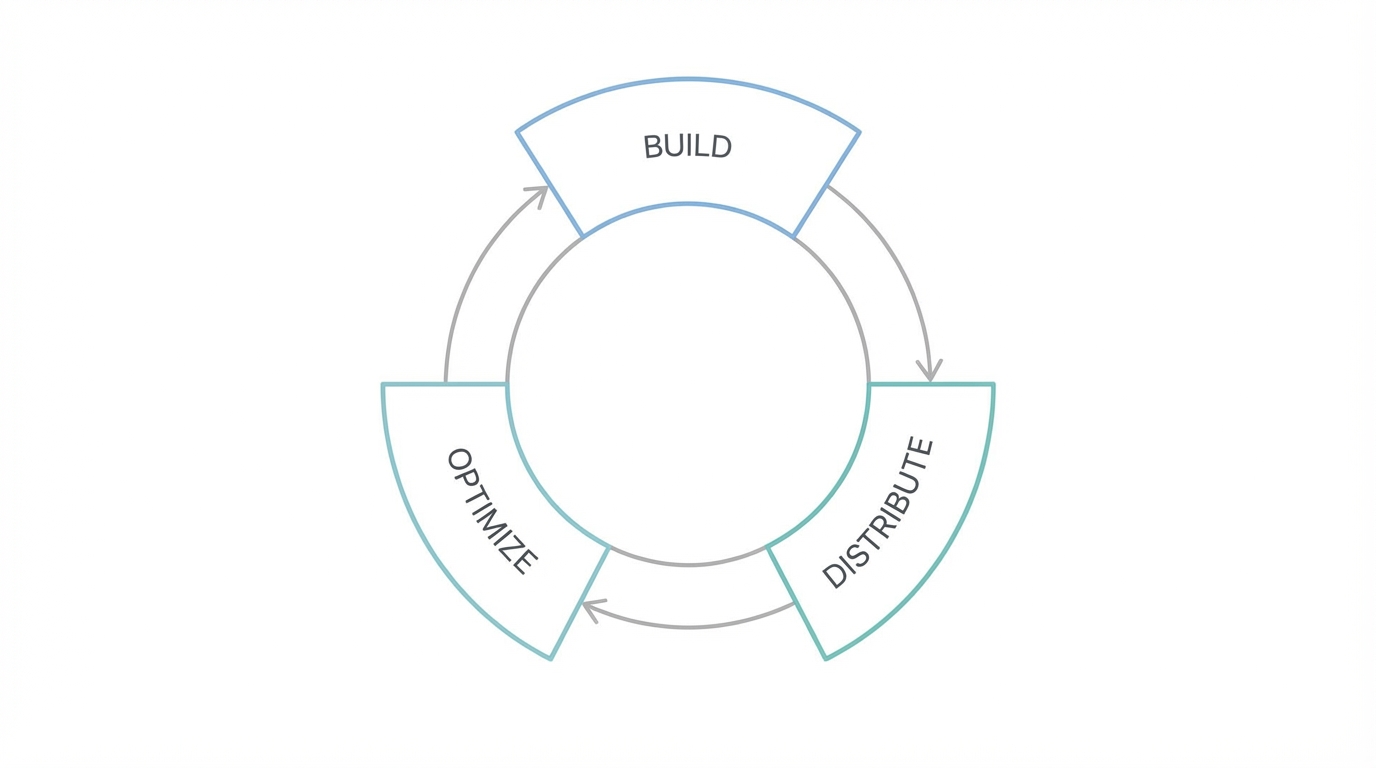

The biggest mistake founders make is building a product in a vacuum and hoping users will find it. A successful saas distribution strategy requires a flywheel approach that starts long before the code is written. The process begins with building an audience or community. For instance, the team at boringmarketing.com started as an X (formerly Twitter) account discussing AI workflows. By building that audience first, they learned the acute pains of their followers, which then informed the products they built. This creates a loop: the audience provides the insights, the startup solves the pain, and the recurring revenue is reinvested back into growing the audience.
Once you have a baseline of recurring revenue, you can reinvest it into rebranding, IRL events, or paid amplification of your best-performing content. If a specific post about your workflow gets 2,000 likes, that is a signal to put ad spend behind it. This reinvestment keeps the flywheel spinning, moving you from manual outreach to automated growth. When you grow a saas business this way, you aren't just hunting for customers; you are building an ecosystem that attracts them organically.
The User Journey: Mapping Pain to the 'Wow Moment'
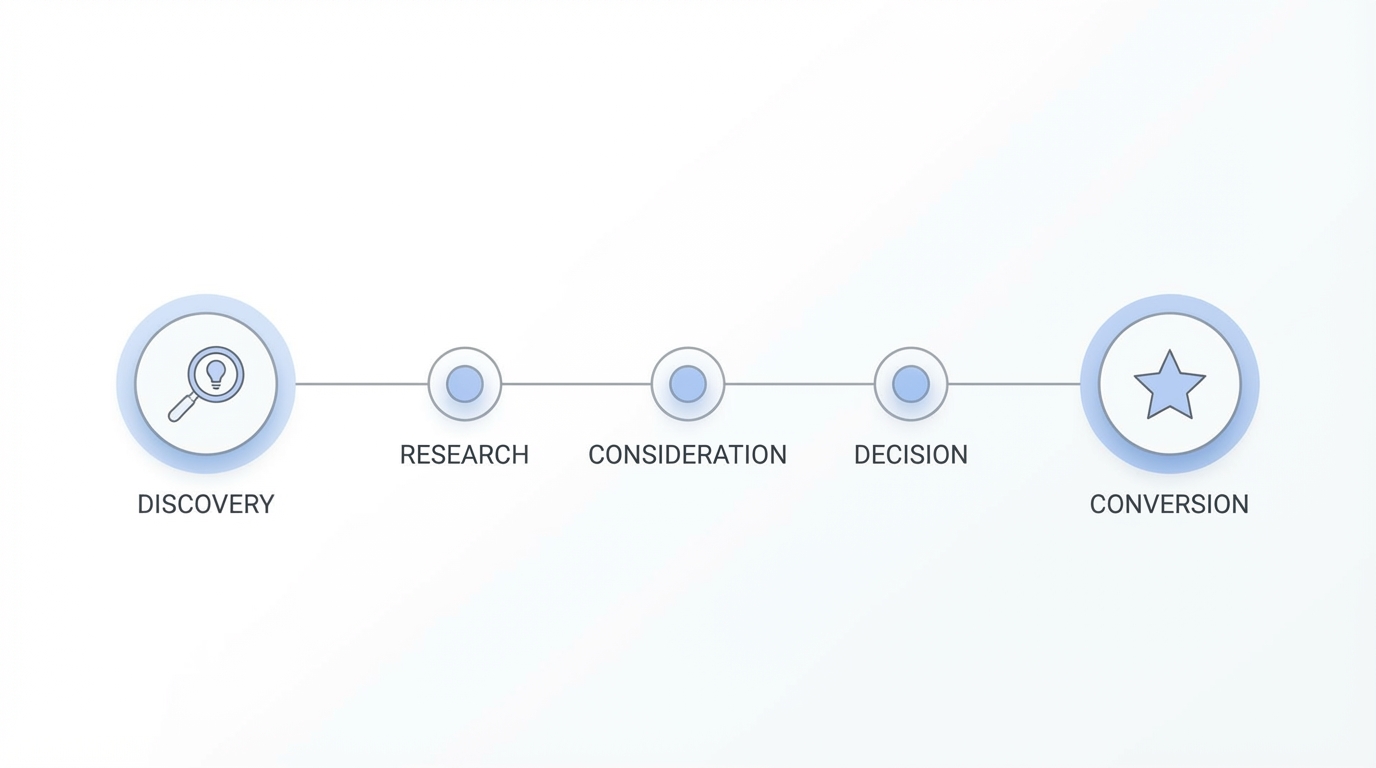
Every successful Micro-SaaS starts with a manual, painful workflow. Think about the podcaster spending three hours polishing show notes or the homeowner struggling with city permit paperwork. These are the people searching for a fix on Google, ChatGPT, or Perplexity. Your goal is to be the solution they find at that moment of frustration. This is why having a descriptive, high-intent domain name is critical for micro saas marketing. Long-tail domains like namesnag.com work because they align perfectly with what the user is searching for.
The journey doesn't end at the sign-up; it truly begins at the 'wow moment.' This is the instant the user realizes your tool actually works. For a tool like ideabrowser.com, the wow moment might be finding that one perfect startup idea in a sea of noise. Once a user is delighted, you must capitalize on that momentum by incentivizing referrals. Encourage them to share the tool in their company Slack or professional circles in exchange for credits. This creates a referral influx that compounds your SEO and organic growth over time.
Step-by-Step: The Build in Public Playbook
To successfully build in public saas, you need to be transparent and consistent. This isn't just about sharing your wins; it's about sharing the "zigs and zags" of the journey. Trust is the primary currency of the internet, and transparency is the fastest way to earn it.
Step 1: Validate with a Tweet
Before writing code, describe the problem and your proposed solution on X or LinkedIn. If people start asking "when can I buy this?", you have validation. Josh Pigford of namesnag.com famously built his MVP in 12 hours after seeing a trending post and shared every step of the process. He made his first $1,000 just hours after going live because his audience was already invested in the build.
Step 2: Ship a Weekend MVP
Don't spend months on a perfect product. Use vibe coding, hire a freelancer, or use low-code tools to ship a functional version in 48 hours. The goal is to solve the core itch, not to have a perfect UI. High-demand niches with few existing tools are the "sweet spot" for micro saas marketing. You want to innovate in a high-polish, niche area rather than trying to compete for market dominance in a broad category.
Step 3: Document the Daily Grind
Post daily updates on TikTok, LinkedIn, or X. Creators like Jack Frix and Yoni have built massive followings simply by documenting their daily struggles and breakthroughs in the arena. Short-form video is a powerful tool here—mastering it over a 60-day period can create a massive saas distribution strategy that brings in 10,000+ visitors a month without a cent of ad spend.
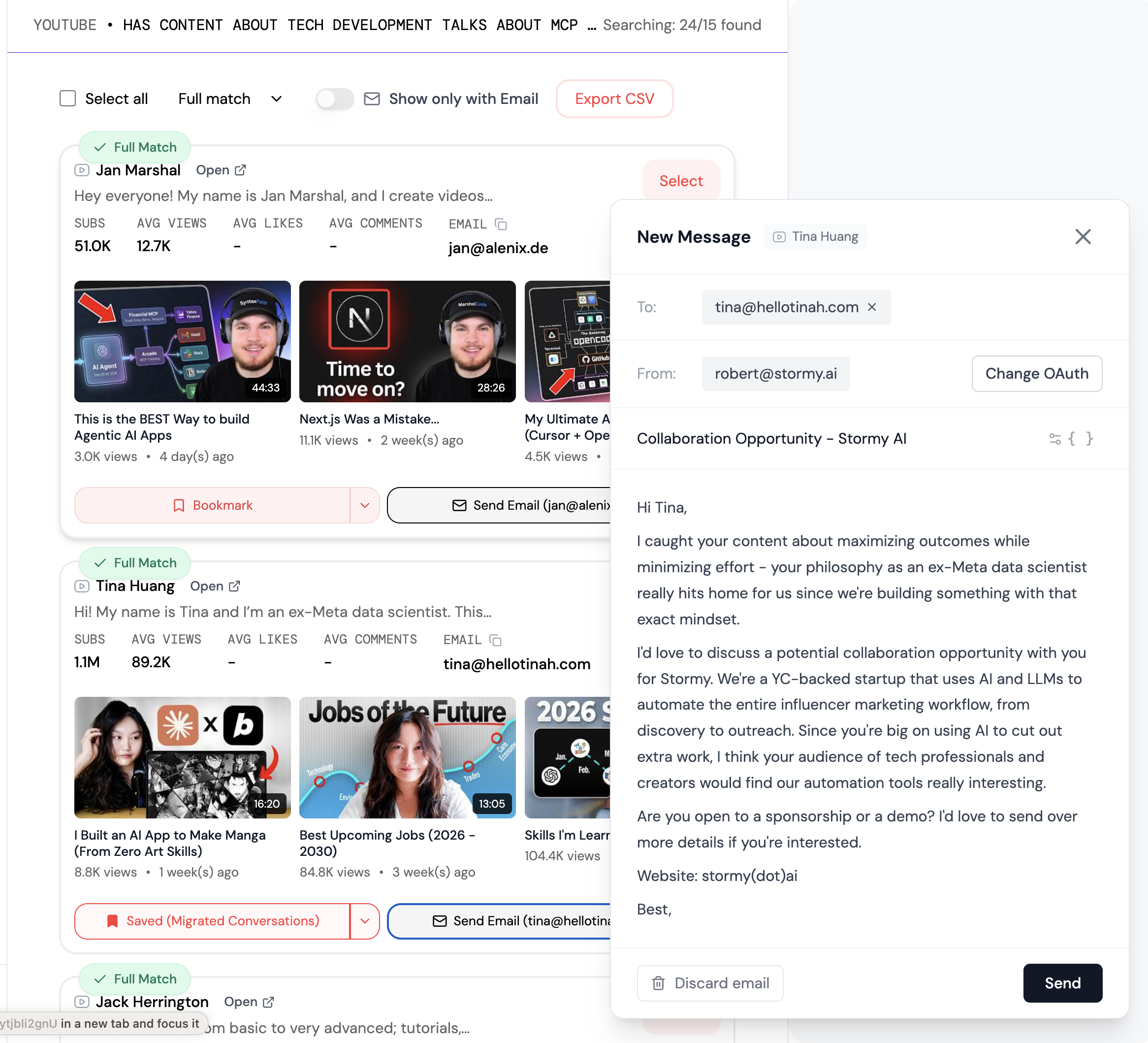
To ensure you're targeting the right creators for your niche outreach, tools like Stormy AI can help source and manage UGC creators at scale, providing the analytics needed to see which topics are trending in specific communities before you commit to a full build.
Monetization and Retention: The Infinite Game
When you grow a saas business, your pricing model can be just as important as your product. While MRR is the gold standard, don't overlook usage-based pricing. Many modern Micro-SaaS tools are finding success by charging based on the value delivered—such as a fee per bank statement converted or a percentage of recovered revenue in an abandoned cart app. This lowers the barrier to entry and aligns your success directly with your customers' success.
Retention is the hardest part of the Micro-SaaS game. Churn is the enemy, and the only way to kill it is with constant value. Ship weekly, if not daily, improvements. Listen to your users and prioritize the features that solve their biggest frustrations. You can also build an affiliate program using Rewardful to incentivize your power users to become your sales force. Giving away 20% of your revenue to affiliates can lead to a much larger, more stable business in the long run.
5 Micro-SaaS Ideas to Steal Today
If you're looking for inspiration to build in public saas, here are five ideas based on current market gaps identified through tools like ideabrowser.com:
- Permitsync: A tool that automates city permit paperwork for home renovations by scraping public checklists and auto-filling forms.
- Podscriptor: A webhook-based tool that takes an RSS feed and automatically generates show notes, timestamps, and social media clips using AI.
- Specsheet: A B2B comparison tool that allows buyers to drag and drop competitor PDFs to create a side-by-side feature comparison table instantly.
- Card Saver: A Shopify app that uses voice AI to send personalized video messages from the founder to customers who abandoned high-value carts.
- Grant Guru: An AI-powered proposal writer for nonprofits that matches a foundation's specific language style and brand to increase funding odds.
Managing the relationships with the influencers or partners you use to promote these ideas is vital. A robust creator CRM like Stormy AI allows you to track every negotiation and interaction in one place, ensuring your distribution efforts are as organized as your code.
Conclusion: Starting Your Micro-SaaS Journey
Building a successful Micro-SaaS isn't about having the most features; it's about having the most targeted distribution. By focusing on a specific niche, building in public, and creating a growth flywheel that reinvests in your community, you can build a business that is both profitable and sustainable. Remember to charge from day one—don't let a lack of confidence lead you to build for free. If your product solves a high-pain problem, people will have a high willingness to pay.
The path to $20k MRR is rarely a straight line, but for those who master micro saas marketing and stay consistent in the arena, the rewards are life-changing. Start by finding your "itch," validate it with your audience, and begin building. The tools and the community are ready for you—it’s time to ship.