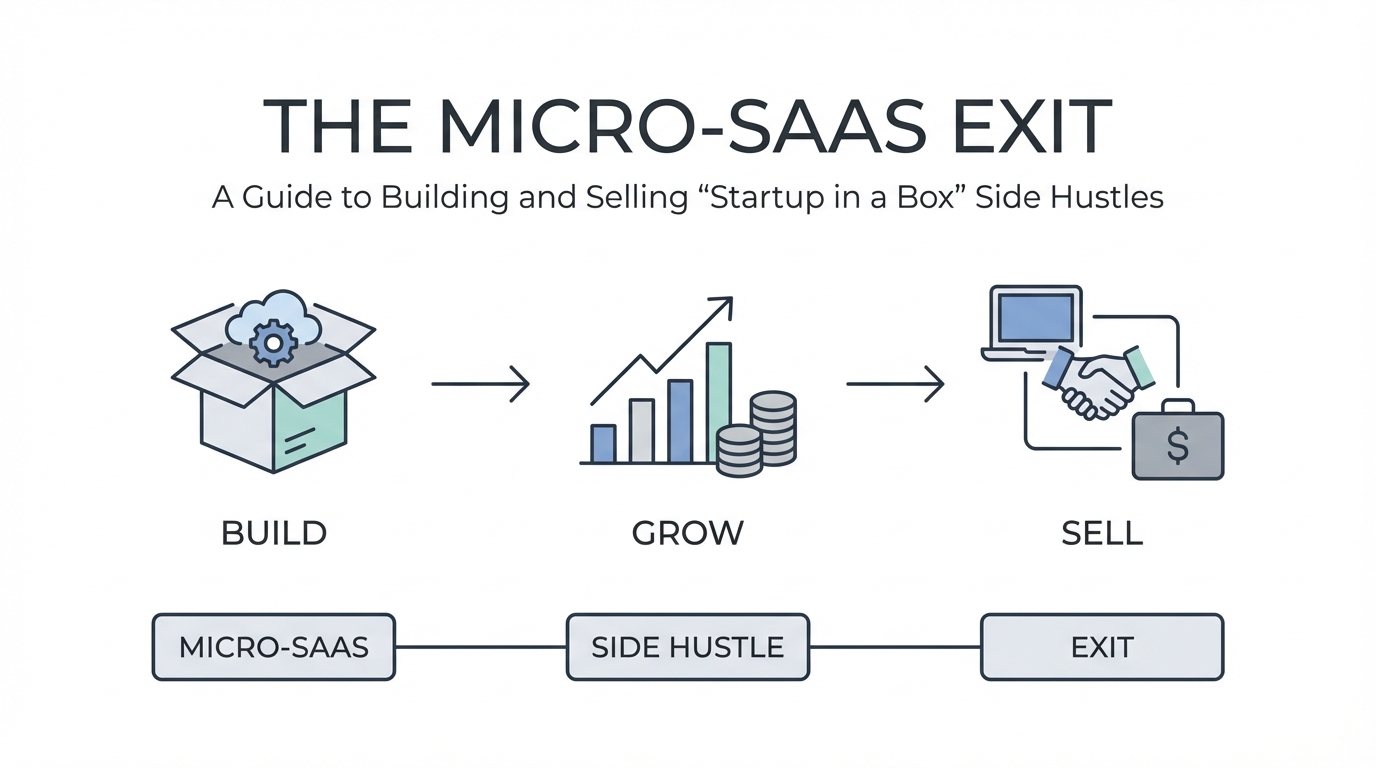
Imagine sitting in a coffee shop, telling a friend that you just made $15,000 by flipping a project you built in eight days. To the average person, this sounds like a fever dream or a high-stakes crypto gamble. But in the age of AI and the small bets framework, this is becoming a repeatable business model for a new generation of founders. By focusing on a micro-saas side hustle, developers and entrepreneurs are no longer spending years building a single product. Instead, they are utilizing tools like IdeaBrowser.com to identify market gaps and shipping functional 'startup in a box' solutions that attract immediate buyers.
The Philosophy of Shipping School: Why Reps Trump Ideas
Most aspiring founders fail because they overthink the initial idea. They wait for a 'unicorn' concept that will change the world, failing to realize that founder intuition is a muscle built through repetition. This is the concept of Shipping School—the idea that the volume of projects you launch is the fastest way to learn how to build and sell your startup. When you look at successful serial founders like Josh Pigford, who built Baremetrics, you see a track record of over 70 projects. Not every project is a multi-million dollar exit, but every project contributes to a deep understanding of what the market actually wants.
By committing to a high volume of 'reps,' you move past the fear of failure. In the small bets framework, the goal isn't to hit a home run every time; it's to stay in the game long enough to let compounding interest and luck do their work. For instance, launching a simple tool for Stripe analytics might seem small, but it can lead to massive opportunities once you've proven the utility of the concept. The more you ship, the better you get at identifying which projects have the legs to become a profitable micro-saas side hustle and which should be flipped quickly.
Building to Learn vs. Building to Sell

One of the most counterintuitive aspects of flipping apps for profit is that the best exits often come from projects built with a 'learning' mindset rather than a 'selling' mindset. When you build to learn, you are focused on solving a specific technical challenge or understanding a new platform. This leads to a more robust, functional product because you aren't cutting corners just to reach a price tag. Josh Pigford’s recent $15,000 exit, Name Snag, was born from a desire to learn about Whois records and AI-powered semantic search using Claude. By the time he was finished, he had a valuable asset that others were eager to acquire.
A project built with the sole intention of selling often feels hollow. Buyers in the startup exit strategy market are looking for 'startup in a box' solutions—tools that are fully functional, aesthetically pleasing, and ready to generate revenue. If you build to solve your own curiosity, you naturally create these layers of value. You might use Notion to document your process or Google Analytics to prove early traffic, making the eventual acquisition much smoother for the buyer.
Vibe Coding: Rapid Development with AI

The term 'vibe coding' has emerged to describe the process of using AI to handle the heavy lifting of development while the founder acts as a creative director. This is the core of the micro-saas side hustle workflow. Instead of spending weeks on backend architecture, you can use AI to build a prototype in 36 hours. This allows you to focus on the 'box'—the branding, the user experience, and the domain name. Finding a high-quality domain on Atom.com can often set a floor for your startup's value before you even write a line of code.
Branding matters immensely in the micro-exit world. A 'snappy' name and a clean logo can make a tool feel like a premium product. Even if you aren't a designer, taking a first pass in a tool like Illustrator and then hiring a professional from a platform like DesignJoy to finish the last mile can drastically increase your valuation. Buyers aren't just buying code; they are buying a brand they can grow. When your tech stack is clean and your branding 'slaps,' you have successfully built a startup in a box that is ready for a quick flip.
Distribution: Hacking the 'For You' Feed
Building the app is only half the battle; you also need to sell your startup by generating hype. In the past, you needed a massive following to get noticed. Today, platforms like X/Twitter use a 'For You' feed that allows even small accounts to go viral if they jump on the right trends. By quote-tweeting a viral idea and publicly committing to building it, you create a narrative that people love to follow. This 'building in public' strategy acts as a magnet for your first customers and your eventual buyer.
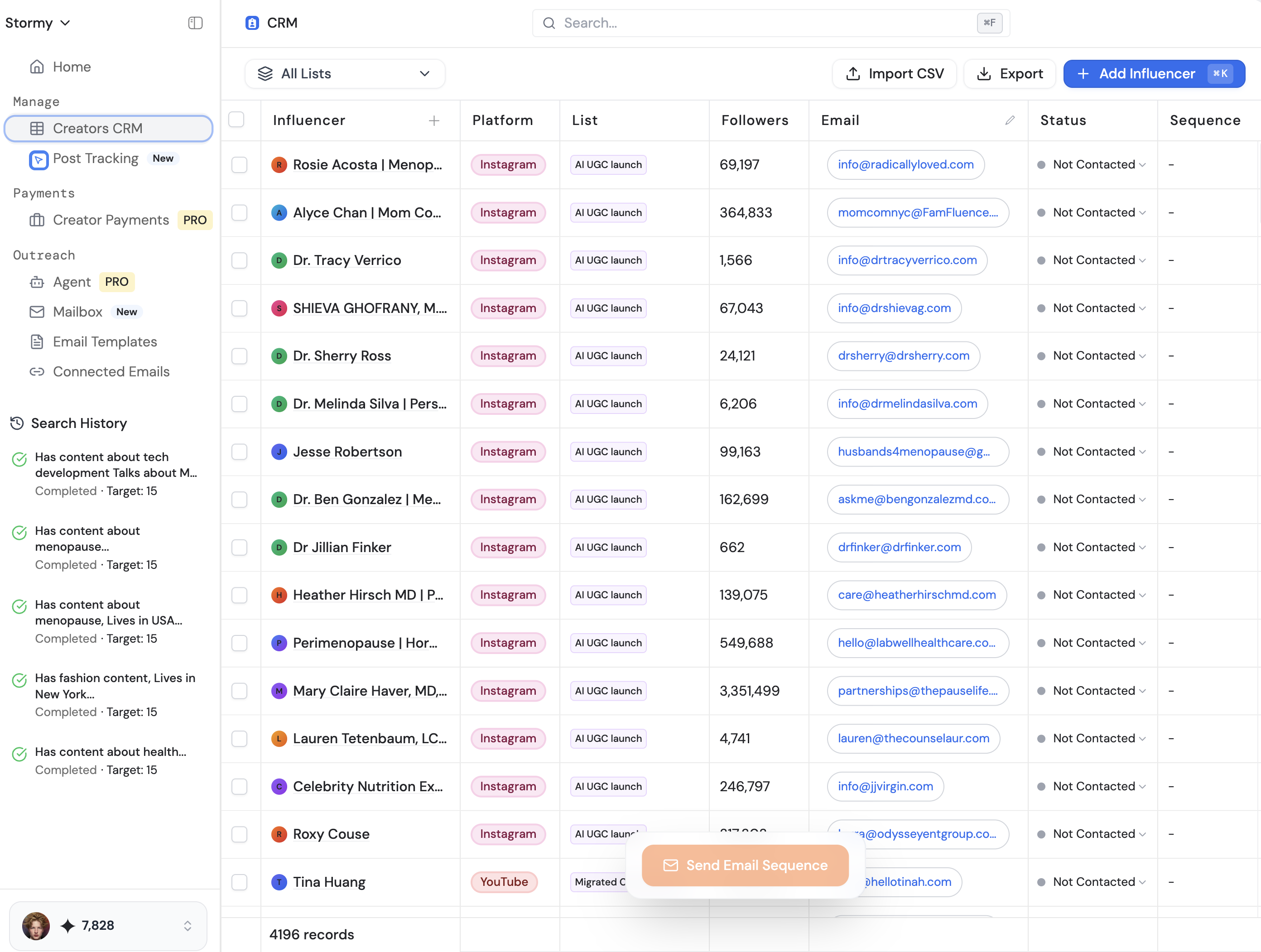
For those looking to scale their outreach or find niche audiences for their tools, managing these relationships is key. Platforms like Stormy AI streamline creator sourcing and outreach, allowing you to get your micro-SaaS in front of influencers who can drive immediate traffic. Whether you are using Meta Ads Manager or organic social discovery, the goal is to show a 'proof of life' for the product. Seeing $1,000 in revenue within hours of launching is the ultimate signal to an acquirer that your project is a winner.
Valuation Realities: Flipping for $5,000 to $25,000

What is a week of work worth? In the world of flipping apps for profit, the answer is often between $5,000 and $25,000. While these aren't 'retire on a beach' numbers, they are life-changing for many and can be repeated multiple times a year. A project like Name Snag, which sold for $15,000 in eight days, demonstrates the power of speed. The buyer isn't just paying for the code; they are paying for the time they saved and the momentum you've already built. They can take that tool, plug it into their existing ecosystem, and potentially see a return on investment in months.
When determining your startup exit strategy, you have to decide between a quick flip and a long-term hold. If you aren't passionate about the niche, take the $15,000 and move on to the next 'rep.' This keeps your portfolio liquid and allows you to keep learning. You can track your various projects and their performance using a CRM or discover creators on Stormy AI to help boost the value of your next project before you list it for sale on the open market.
Where to Sell: Marketplaces vs. Private Sales
Once you have a functional product with some initial traction, where do you sell it? The two primary options are established marketplaces like Acquire.com and private social sales through DMs. Marketplaces offer a level of security and a pre-vetted pool of buyers, but they can sometimes take longer to close a deal. For a fast micro-saas side hustle exit, a private sale initiated via a Twitter thread or a cold DM can often result in a faster payout with fewer fees.
The key to a successful private sale is transparency. Provide the buyer with everything they need: the code repository, the domain, the Shopify or Stripe account, and any marketing assets you've created. By making the transition seamless, you reduce the risk for the buyer and increase the likelihood of a higher valuation. This 'startup in a box' approach ensures that the buyer can hit the ground running on day one, which is exactly what professional flippers are looking for.
Conclusion: Start Your 30-Day Exit Journey

Building and selling a micro-saas side hustle is one of the most exciting ways to participate in the modern digital economy. By adopting the small bets framework and committing to 'Shipping School,' you can turn an idea from IdeaBrowser.com into a five-figure exit in less than a month. Don't wait for perfection; focus on solving a small problem, branding it well, and bringing the community along for the journey. Whether you sell your startup for $5,000 or $25,000, the skills you learn in the process are worth far more than the cash itself. Now, stop overthinking, grab your coffee, and start shipping.