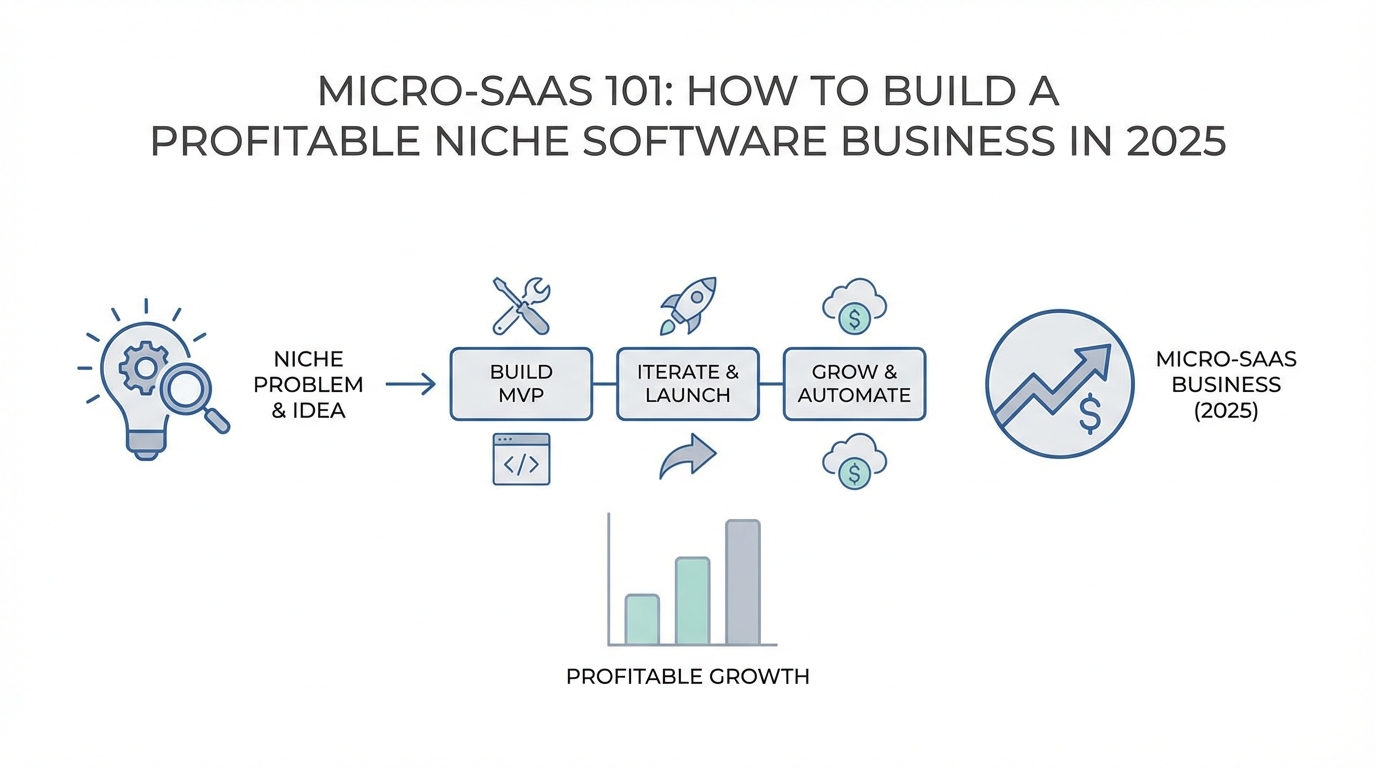
The era of the billion-dollar solo founder is no longer a fringe aspiration—it is a viable, high-margin reality fueled by the explosion of artificial intelligence. While traditional venture-backed startups often chase market dominance at the cost of sustainability, a new breed of entrepreneurs is finding massive success in the world of micro-SaaS. By focusing on hyper-specific niches and solving acute pain points with streamlined software, these "multipreneurs" are building businesses with 80-90% profit margins that require minimal overhead. In this guide, we will break down the mechanics of the niche software business and provide a clear playbook for how you can build a micro SaaS that generates five to six figures in monthly recurring revenue (MRR) without a massive team or venture capital.
Defining the Shift: SaaS vs Micro-SaaS
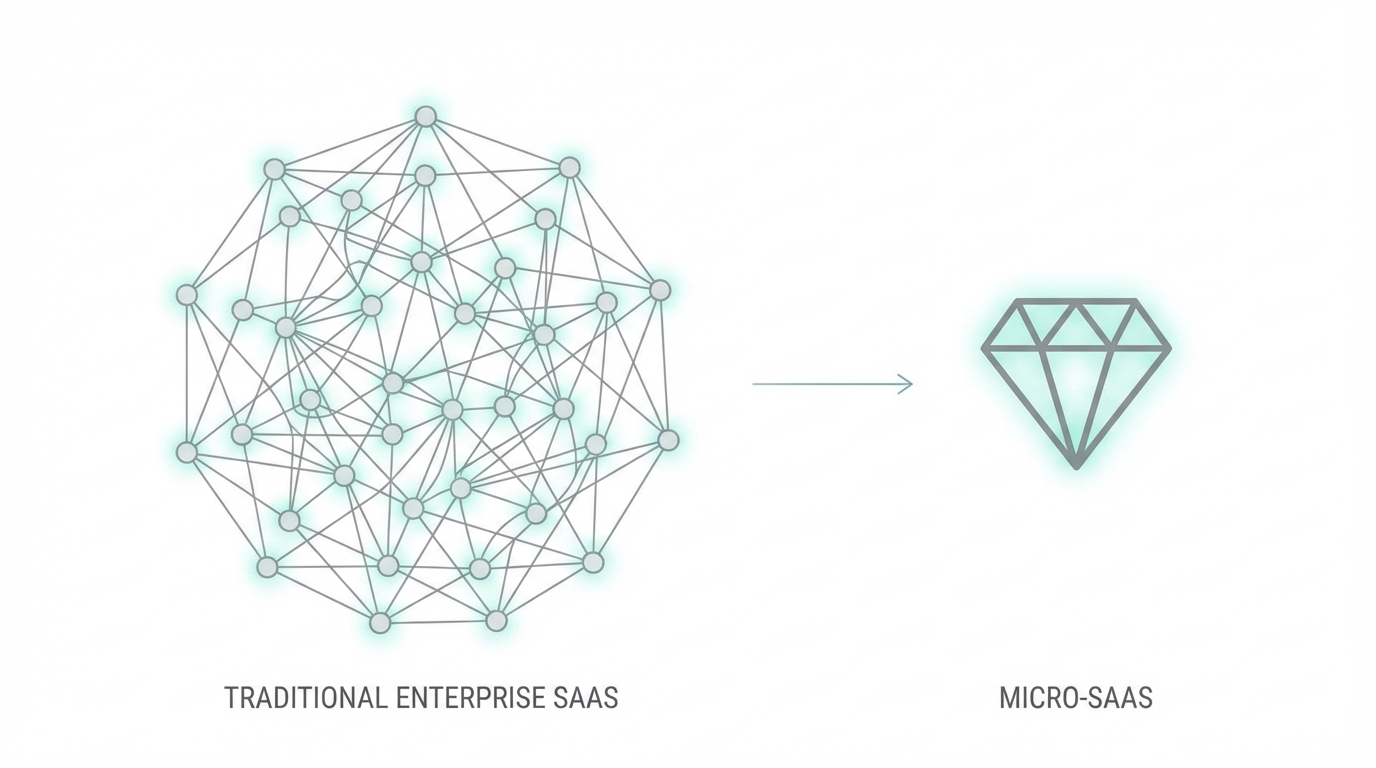
To understand how to succeed in this space, one must first grasp the core differences in SaaS vs micro SaaS. Traditional SaaS platforms, like Salesforce or HubSpot, aim to be all-in-one solutions for broad audiences. They require significant capital, large engineering teams, and aggressive sales cycles. In contrast, a micro-SaaS is often a "feature-of-a-feature." It targets an extremely narrow audience and solves one specific problem better than anyone else. Because the scope is limited, these products can be built, maintained, and scaled by a solo founder or a tiny team.
According to research from Boring Marketing, the lifestyle advantage of this model is unparalleled. Micro-SaaS businesses allow founders to retain 100% of the equity, maintain 80-90% profit margins, and avoid the 120-hour workweeks typical of VC-backed startups. In the AI era, tools like Cursor and LLMs have lowered the technical barrier to entry, making it possible to ship a fully functional niche software business in a matter of days rather than months.
The Anatomy of Success: $40k MRR Case Studies
One of the most compelling examples of this model is Bank Statement Converter. This business does exactly what its name suggests: it converts PDF bank statements into clean Excel or CSV formats. Despite its simplicity, it generates a staggering $40,000 per month in MRR. It works because it solves a universal, high-friction problem for accountants and small business owners who otherwise waste hours on manual data entry. By securing a descriptive domain name and providing a high-quality "wow moment," the founder built a compounding revenue engine with virtually zero customer churn.
Another standout is Cleanvoice, which currently generates approximately $20,000 per month in MRR. Cleanvoice focuses on a specific pain point for podcasters: removing filler words (like "um" and "ah"), mouth sounds, and long silences automatically. While broad audio editors exist, Cleanvoice’s focus on this single, acute pain point allows them to charge a premium and build a loyal user base of over 15,000 creators.
The Micro-SaaS Growth Flywheel
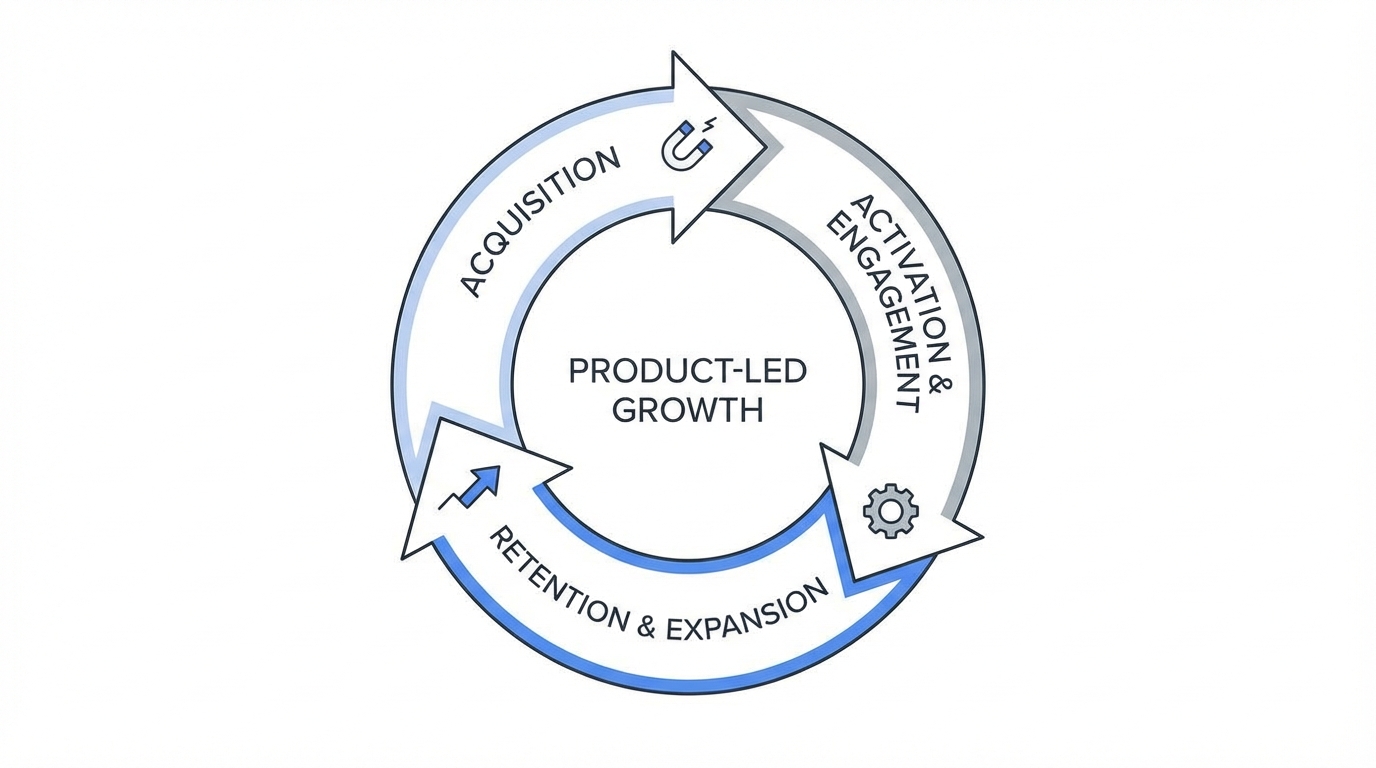

Building a successful niche software business is not just about writing code; it is about building a distribution engine. The most effective growth flywheel for micro-SaaS founders follows a specific sequence: Audience > Pain > Product > Revenue. Instead of building in a vacuum, modern founders start by cultivating a presence on platforms like X (formerly Twitter) or LinkedIn. By sharing insights and automating workflows—as seen with the growth of the Boring Marketer community, which scaled from zero to 78,000 members—founders can identify the real-world pains of their audience.
Once a product is launched, the revenue generated should be reinvested into the community. This might look like running paid ads against high-performing social posts, hosting niche-specific events, or setting up an affiliate program using platforms like Rewardful. Typically, offering a 20% recurring commission to affiliates can create a steady stream of new users without increasing the founder's workload.
Identifying the Right Idea: The Problem-Pay Matrix
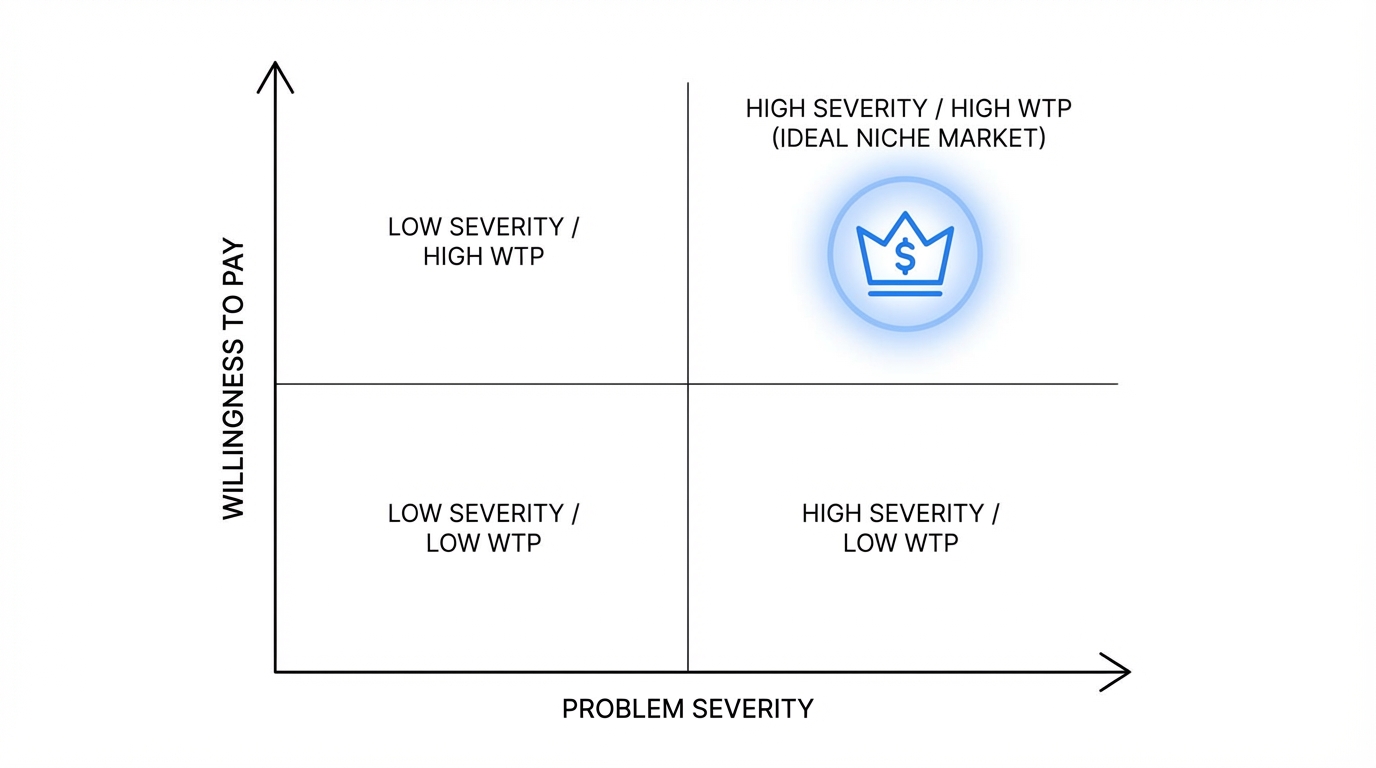
Not all micro saas ideas are created equal. To ensure profitability, founders must evaluate ideas using the Problem-Pay Matrix. The goal is to find opportunities that fall into the High Pain / High Willingness to Pay quadrant. If a problem is high pain but the target audience has low willingness to pay (e.g., students or hobbyists), the business will struggle to scale. Conversely, if you solve a "low pain" problem, you will face high churn as users cancel during their first budget cut.
Targeting B2B niches is often the safest path. Businesses are more likely to pay for software that either saves them time or increases their revenue. Tools like Brex provide financial infrastructure that helps entrepreneurs manage spending, which is a high-willingness-to-pay category. Your micro-SaaS should aim to be the "financial mission control" for a specific, underserved workflow.
The 48-Hour Playbook: Build, Validate, and Iterate
When you are ready to build a micro saas, the key is speed. Follow this step-by-step roadmap to move from concept to cash:
Step 1: Find Your "Itch"
The best products solve a problem you have experienced personally. Look for manual workflows that you find annoying. Whether it is managing permit paperwork or analyzing B2B spec sheets, your personal frustration is often a signal of a market gap.
Step 2: Validate with a Tweet
Before writing a single line of code, describe the solution on social media. Ask, "If I built a tool that did X, would you pay for it?" Use the feedback to refine your positioning. Founders like Josh Pigford have demonstrated that building in public can lead to the first dollar coming in within hours of a project going live.
Step 3: Ship a Weekend MVP
Use a modern tech stack like Next.js, Supabase, and Stripe. Constrain your build time to 48 hours. If the core value proposition doesn't work in a simplified version, more features won't save it. For marketing, tools like Stormy AI can help you source and manage UGC creators to get your MVP in front of the right audience quickly.
Step 4: Automate and Delegate
Do not hire a team immediately. Automate your customer support, use AI agents for outreach, and keep your overhead low. This allows you to stay in the "infinite game" where your costs remain flat as your revenue grows.
5 Profitable Micro-SaaS Ideas for 2025
If you are looking for inspiration, here are five micro saas ideas based on current market trends and high-pain workflows:
- Permitsync: A localized tool for homeowners and renovators that automates the permit application process for specific cities. By scraping public checklists and auto-filling forms, you can charge a $99 one-time fee per project.
- Podscriptor: An AI-powered wedge for podcasters that turns RSS feeds into vertical video clips and show notes automatically. Growth can be driven by a "watermark" strategy on shared clips.
- Specsheet: A B2B tool that allows buyers to upload multiple competitor PDF spec sheets and generates a sortable comparison table. This creates a data moat as the synonym map improves with every upload.
- Card Saver: A Shopify app that uses voice AI like ElevenLabs to send personalized video messages to customers who abandon carts over $100. This high-status touchpoint can recover significant revenue for e-commerce stores.
- Grant Guru: An AI assistant that drafts foundation-specific grant proposals for nonprofits. This solves the "paperwork paralysis" that prevents many organizations from securing funding.
For even more ideas, resources like Idea Browser provide daily inspiration for niche software opportunities that are ripe for the taking.
Scaling with Community and Content
Once your product is live, growth depends on your ability to stay top-of-mind. Short-form video has become the primary driver for SaaS discovery. Founders who document their journey—sharing both wins and losses—build a level of trust that a corporate brand cannot replicate. Use platforms like Google Ads for search intent, but focus your energy on organic distribution through LinkedIn and X.
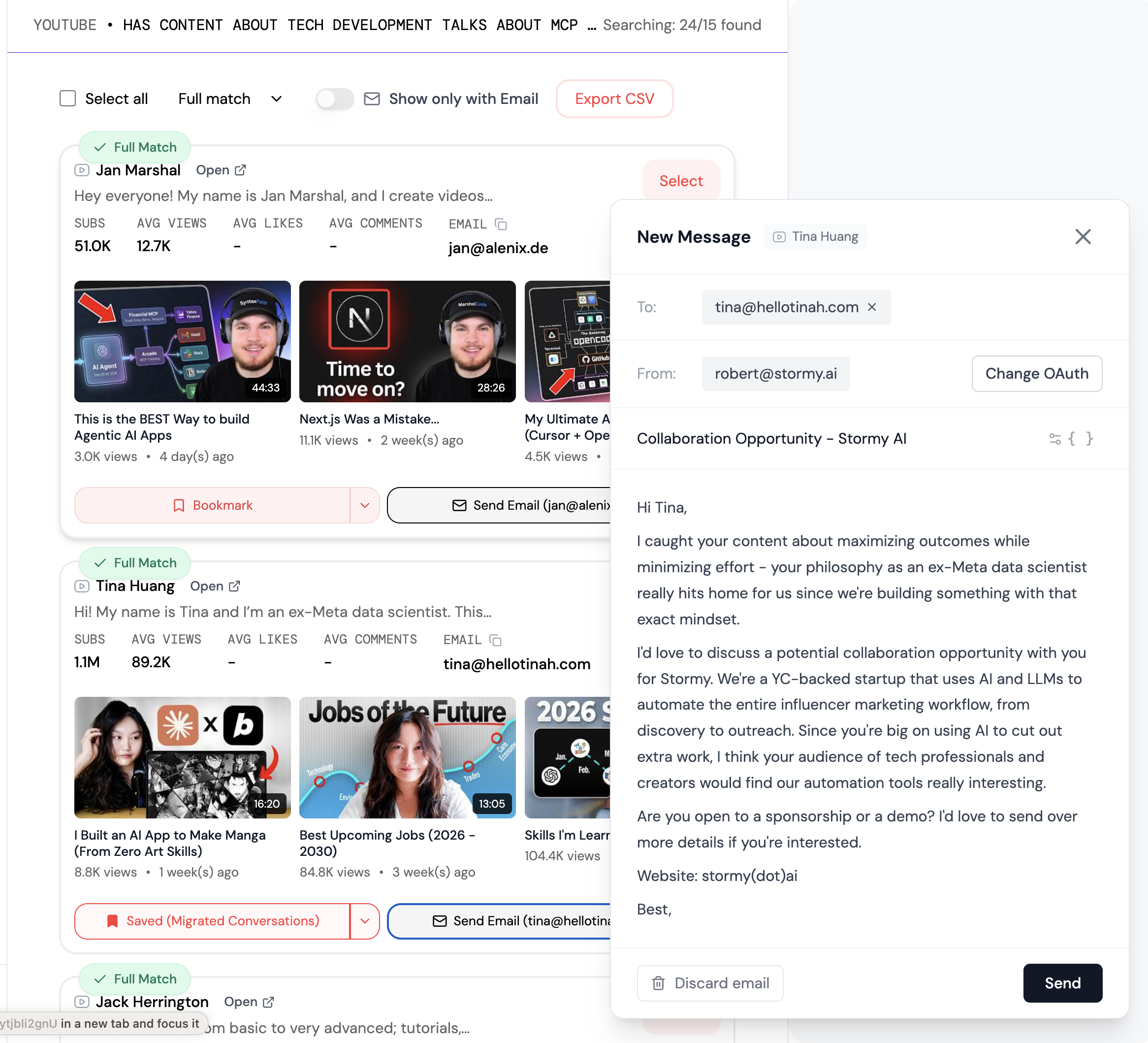
As you scale, you may find that managing relationships with influencers and UGC creators becomes a full-time job. This is where Stormy AI becomes an essential part of your stack. Stormy allows you to discover creators across TikTok and YouTube who fit your niche, vet them for engagement quality, and handle personalized outreach at scale. This ensures your micro-SaaS reaches its target audience without you having to manually manage dozens of conversations.
Conclusion: Building Your Portfolio
The transition from a solo entrepreneur to a "multipreneur" happens when you realize that micro-SaaS is a repeatable playbook. Founders like Pieter Levels have shown that owning a portfolio of niche products is a path to millions in revenue with virtually no employees. By starting with one high-pain problem, building a weekend MVP, and leveraging AI for growth and discovery, you can build a business that serves your lifestyle rather than consuming it.
Success in 2025 requires a distribution-first mindset. Whether you are building Grant Guru or Bank Statement Converter, focus on the "wow moment," charge from day one, and kill churn with constant value. The tools to build are cheaper than ever, and the world's problems are more fragmented than ever—now is the time to build a micro saas and secure your piece of the niche software economy.