In 2026, the digital landscape for software-as-a-service (SaaS) has undergone a fundamental shift. Gone are the days when a generic celebrity shoutout or a massive Billboard-style banner ad could move the needle on a high-ticket enterprise subscription. As customer acquisition costs (CAC) through traditional paid channels like Google Ads and Meta Ads Manager reach all-time highs, brands are pivoting. The SaaS creator economy 2026 is no longer about reach; it is about resonance.
The global influencer marketing industry has surged past $40 billion this year, according to the latest 2026 projections from Influencer Marketing Hub. But within that staggering figure, a more nuanced trend is emerging: the rise of the Subject Matter Expert (SME) and the B2B micro-influencer. For SaaS companies, the goal is no longer to be seen by everyone, but to be trusted by the right few.
The Death of Branded Content: Why Peer Trust Rules
The most significant hurdle for SaaS marketers today isn't a lack of attention; it's a deficit of trust. Modern B2B buyers have become hyper-aware of marketing tactics and are increasingly skeptical of corporate promises. Research from the Edelman Trust Barometer highlights a staggering reality: 87% of B2B buyers now trust peer recommendations and industry experts over branded corporate content.
This shift has birthed the era of niche authority marketing. When a CTO is looking for a new cybersecurity solution or a Head of Sales is vetting a legacy CRM alternative, they don't look at the company's LinkedIn page first. They look at what other technical leaders are saying in private Slack communities, on technical YouTube channels, or in specialized newsletters like those hosted on Beehiiv.
The Economics of Micro-Influencers: 1/10th the Cost, 60% More Impact
For budget-conscious growth teams, the mathematical argument for B2B micro-influencers is undeniable. While mega-influencers (those with 1M+ followers) offer massive reach, their audience is often too diluted for specialized software products. In contrast, micro-influencers (10k–100k followers) cultivate a "neighborhood" of followers who share specific professional interests.
Data shows that micro-influencers deliver 60% higher engagement rates than their mega-celebrity counterparts. More importantly for the bottom line, they typically charge roughly 1/10th of the cost. This allows SaaS brands to run "always-on" campaigns with multiple creators rather than betting the entire quarterly budget on a single, high-risk celebrity partnership.
| Metric | Mega-Influencers (1M+) | Micro-Influencers (10k-100k) | SMEs (Subject Matter Experts) |
|---|---|---|---|
| Engagement Rate | 1.2% - 2% | 4% - 7% | 8%+ |
| Relative Cost | $$$$$ | $ | $$ |
| Audience Intent | Broad / Entertainment | Targeted / Professional | High / Decision-Makers |
| Conversion Potential | Low (Top Funnel) | Medium (Mid Funnel) | High (Bottom Funnel) |
"The ROI for SaaS brands in 2026 isn't found in views; it's found in the density of the expert's network. On average, brands earn $5.78 for every $1 invested in this space."According to research into the 2026 creator landscape, these ROI benchmarks are holding steady even as the market matures. The efficiency of SME influencer marketing lies in the influencer's ability to act as a "strategic executor." As expert practitioners from Forget the Funnel note, influencers in the SaaS space must help users navigate the full journey—from discovery through onboarding—not just provide a superficial shoutout.
Turning Engineers into Influencers: The Power of Employee Advocacy
One of the most overlooked sources of niche authority marketing is sitting right in your office—or your Zoom calls. Forward-thinking SaaS companies are turning their own engineers, product leads, and data scientists into industry influencers. This is known as employee advocacy, and in 2026, it is a core pillar of B2B growth.
Why does this work? Because a technical audience wants to hear from someone who actually built the tool. When a lead engineer from your team posts a raw, unedited walkthrough of a new API integration on LinkedIn, it carries more weight than any polished marketing video. This "humanizing" of the brand is essential in a world currently flooded with AI-generated corporate fluff.
- Technical Credibility: Internal SMEs can answer deep-dive questions that external creators might miss.
- Cost Efficiency: You are leveraging existing talent to build brand equity.
- Recruitment Bonus: High-profile employee influencers make your company a magnet for top-tier talent.
Industry experts emphasize that humanizing content is the only way to cut through the noise. By giving your team the tools to share their expertise—whether through Canva-designed carousels or short-form video edited in CapCut—you build a moat of authenticity around your product.
Vetting for 'Audience Quality' and 'Technical Depth'
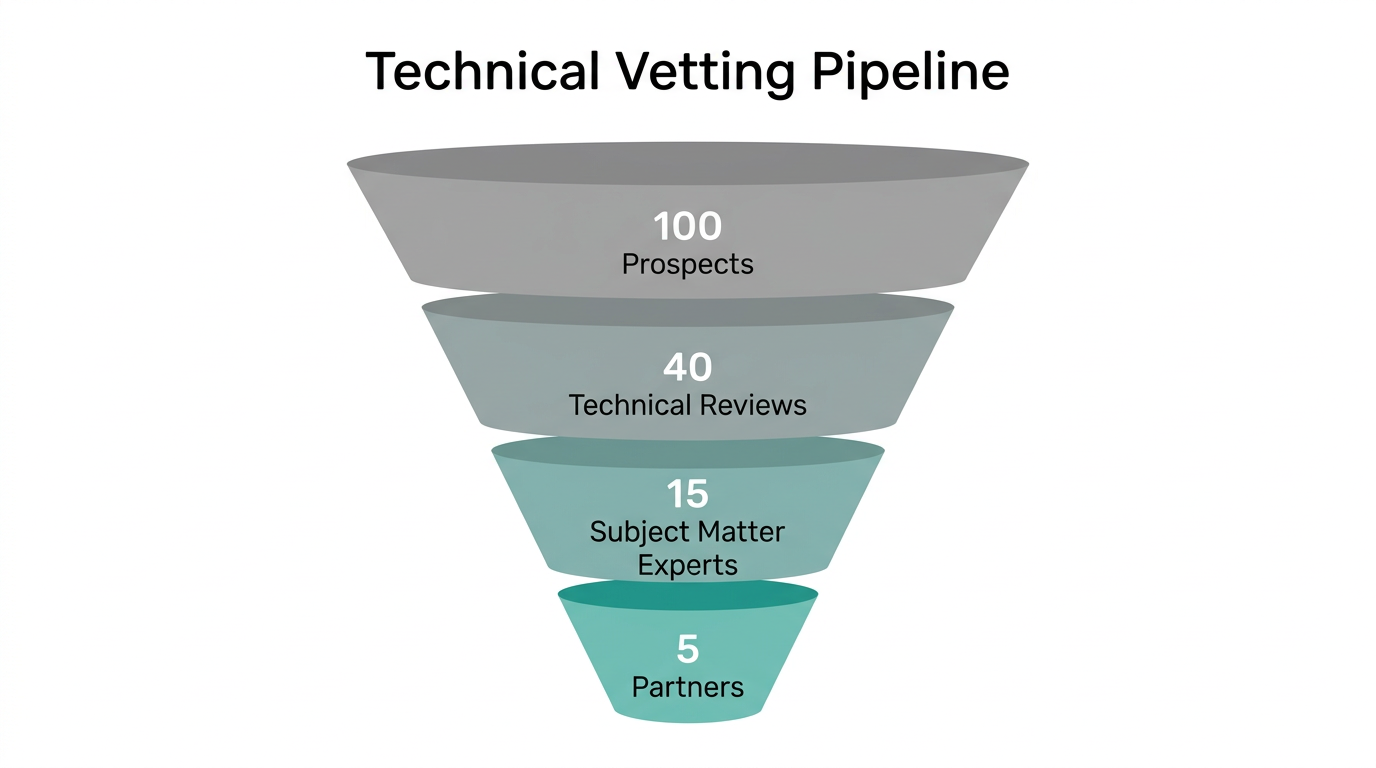
The biggest mistake SaaS brands make in 2026 is falling for vanity metrics. A large follower count does not equal influence, especially in technical niches. To succeed, brands must shift from manual databases to AI-native discovery. Modern platforms like Stormy AI allow marketers to vet creators based on the technical relevance of their content and the quality of their audience rather than just surface-level numbers.
When vetting a potential B2B micro-influencer, you should look for several key indicators of authority:
- Audience Overlap: Does their audience actually consist of your target buyers (e.g., DevOps engineers, HR managers, or CMOs)? Tools like SparkToro are invaluable for seeing what else your target audience reads and follows.
- Content Depth: Are they explaining how something works, or just that it exists? You want "strategic executors" who provide real value.
- SEO Authority: If the influencer has a blog, what is their Domain Rating (DR)? A backlink from a high-authority niche expert can provide more long-term value than a social post. Use Ahrefs or SEMrush to verify their site's strength.
- Engagement Quality: Are the comments insightful professional discussions, or just "great post" bots?
"In B2B, influence is about who picks up the phone when you call. It’s about relationship depth, not the length of a follower list." — Industry experts on the shift toward relationship-based marketing.Using Stormy AI, brands can automate this vetting process, ensuring they only partner with creators whose audiences are genuine and technically aligned. This prevents the common pitfall of "influencer fraud," which still plagues the industry despite advances in detection.
Case Study: How Kittl Dominated TikTok through Real-World Application
The design software Kittl provides a masterclass in how to use micro-influencers effectively. Instead of looking for generic lifestyle creators, Kittl partnered with design-focused micro-influencers to create "real-world application" videos.
These weren't just ads; they were tutorials. The creators showed exactly how they used Kittl to solve specific design problems in their daily workflows. Because the content was highly practical, it saw massive save and share rates—two metrics that are far more important than "likes" for SaaS growth. According to industry analysis, this approach decentralized Kittl's marketing, turning an army of micro-influencers into a perpetual content machine.
Moving from One-Offs to 'Always-On' Ambassador Programs
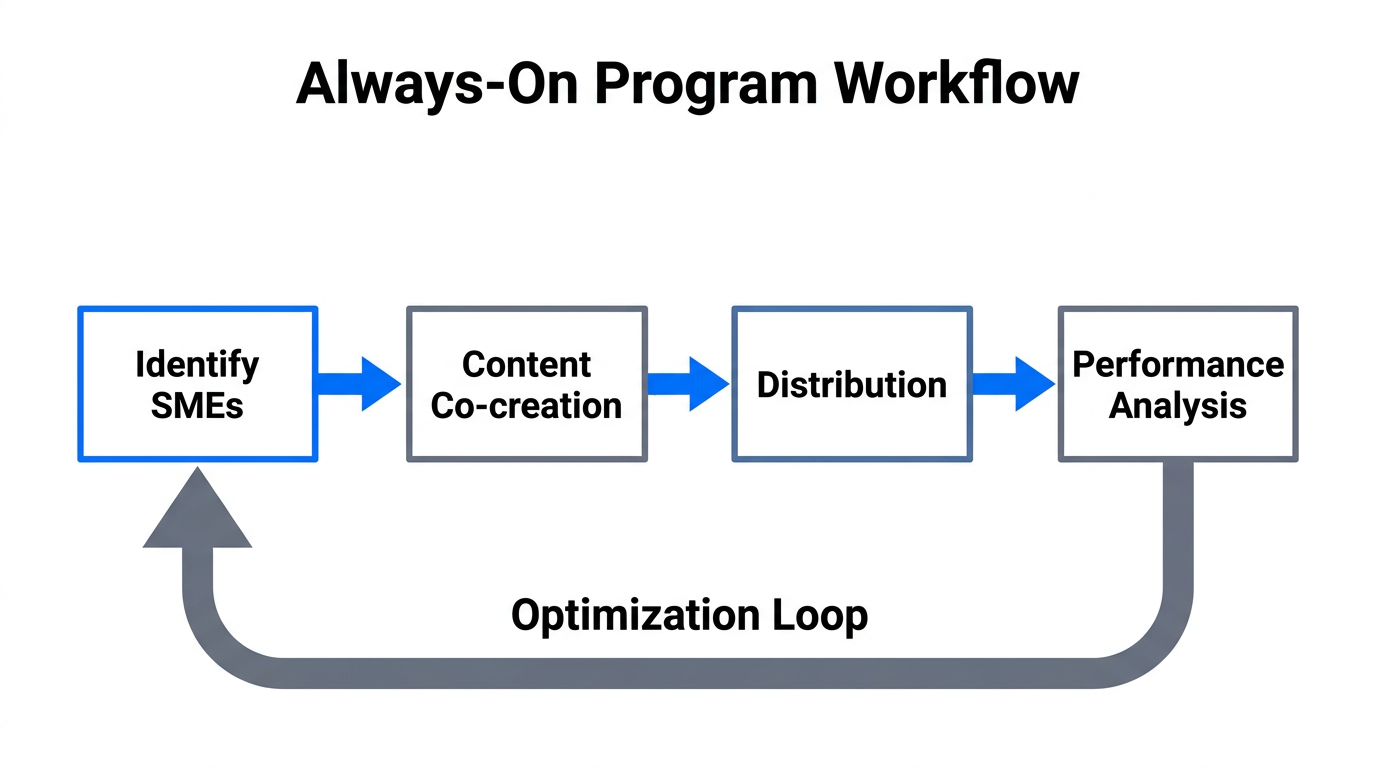
In 2026, the most successful SaaS brands are moving away from sporadic campaigns toward programmatic influencer marketing. This involves treating influencers as long-term brand ambassadors or even co-product developers. B2B budgets for these programs are growing by 34% year-over-year, reflecting a commitment to sustained growth.
A successful "always-on" strategy involves:
- Co-Created Thought Leadership: Hosting webinars or co-authoring "State of the Industry" reports with your key influencers.
- Multi-Channel Synchronization: An influencer creates a technical video for YouTube, summarizes it for their LinkedIn newsletter, and discusses the findings on a podcast.
- Affiliate Integration: Using hybrid models that reward creators for both brand awareness and direct conversions. Legacy platforms like impact.com or modern automated alternatives help manage these complex enterprise-level relationships.
By integrating these creators into your CRM—similar to how you'd manage sales leads—you ensure that no follow-up is missed and every relationship is nurtured. This is where a dedicated creator CRM, like the one found in Stormy AI, becomes an essential part of the SaaS creator economy 2026 tech stack.
Common Mistakes to Avoid in 2026
Even with the best intentions, SaaS brands often stumble. Avoid these three critical errors to keep your niche authority marketing campaigns on track:
- Treating Influencers as Ads: If you over-edit an influencer's script until it sounds like a corporate press release, you've already lost. Their value lies in their authentic voice.
- Ignoring Disclosure: Compliance is non-negotiable. Ensure all creators follow FTC guidelines to maintain audience trust and avoid legal headaches.
- Vague Briefing: Never just ask for "awareness." Give your creators a clear KPI, such as "drive 200 demo sign-ups" or "increase downloads of our latest whitepaper."
Conclusion: The Future is Niche
As we move through 2026, the brands that win will be those that prioritize technical depth over broad reach. By leveraging B2B micro-influencers and SMEs, SaaS companies can build a foundation of trust that no amount of paid advertising can buy. Whether it's through employee advocacy, co-created thought leadership, or hyper-targeted YouTube tutorials, the goal remains the same: humanize the software and empower the expert.
Ready to find the experts who can take your SaaS to the next level? Start by using an AI-powered discovery platform to identify the voices that truly matter in your niche. The era of the celebrity is over—the era of the expert has arrived.