When the fintech app Bloom reached millions in ARR and over a million active users, they didn’t do it by chasing celebrity endorsements or burning millions on unoptimized television spots. Instead, they built a high-volume organic engine powered by a fleet of micro-influencers. In an era where traditional customer acquisition costs (CAC) are skyrocketing, the ability to build and scale app growth through a decentralized network of creators is the ultimate competitive advantage. This playbook breaks down the exact influencer marketing strategy used by high-growth startups to dominate TikTok and turn content into a sustainable growth machine.
The Micro-Influencer Advantage: Why Small Followings Win
The core of a successful micro-influencer marketing guide starts with understanding the power of relatability. Unlike mega-influencers who often feel like polished billboards, micro-influencers with small, niche followings provide a level of authenticity that resonates deeply with Gen Z and Millennial audiences. On platforms like TikTok, the algorithm prioritizes engagement and watch time over follower counts, meaning a creator with 2,000 followers can easily out-reach a creator with 200,000 if the narrative is compelling.
For a brand like Bloom, the goal wasn't just to get views, but to build trust in a high-friction category like finance. By leveraging "study-talk" creators and college-aged influencers, they tapped into communities where users were already looking for relatable lifestyle advice. This strategy allows founders to test dozens of different narratives simultaneously—from "billionaire nanny" stories to "underrated iPhone apps"—without the massive overhead of a single high-profile brand deal. Micro-influencers are the laboratory of your marketing department, providing the raw data needed to identify what actually converts.
The Sourcing Playbook: Finding Motivated Creators

Scaling to 20 or more creators requires a robust pipeline. You aren't looking for the next Charli D’Amelio; you are looking for disciplined content creators who understand lighting, angles, and current trends. One of the most effective ways to source this talent is by looking where young, motivated creators already hang out. Platforms like Handshake allow you to recruit college students directly, many of whom are looking for consistent side hustles and are already native to social media storytelling.
When vetting these creators, focus on their content quality over their metrics. Do they follow current trends? Is their lighting clear? Is their hook strong in the first three seconds? Many successful programs find creators through the TikTok Creator Marketplace or specialized UGC platforms, where the focus is on a high volume of output rather than a single viral moment. The key is to find individuals who can commit to the TikTok creator management requirements of a high-volume schedule, as consistency is the primary driver of algorithmic success.
The Payment Engine: Retainers, CPMs, and Bonuses
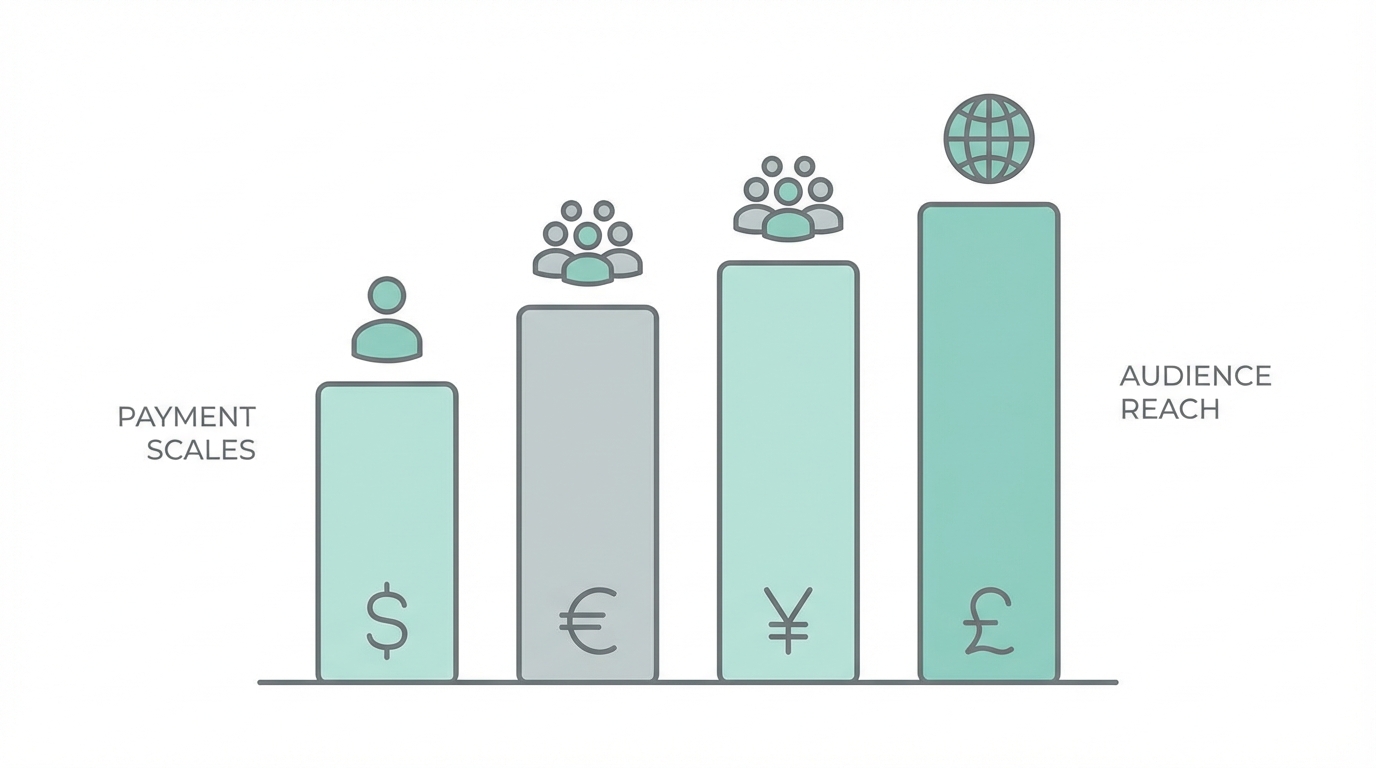
One of the biggest hurdles in any influencer marketing strategy is the payment structure. If you pay only for views, creators often lose motivation if their first few videos don't go viral. If you pay only a flat fee, they have no incentive to maximize quality. The solution used by top-tier growth teams is a hybrid 'Retainer + CPM' model.
The Base Retainer
Pay creators a steady baseline of $500 to $1,000 per month. In exchange, you require a high volume of content—typically 60 videos per month. This equates to posting two videos per day. While this sounds intensive, the goal is to trigger the TikTok algorithm through sheer volume and variety of hooks. For a college student, a $1,000 monthly retainer for content they can film in their dorm is a highly attractive proposition.
The Performance CPM
To keep creators motivated, add a CPM (cost per thousand views) bonus. Typically, this ranges from $2 to $4 per 1,000 views once a video hits certain milestones. This creates a "dopamine loop" where the creator is financially rewarded for every viral hit, encouraging them to study your best-performing videos and replicate their success. This performance-based incentive ensures that your interests and the creator's interests are perfectly aligned.
High-Volume Workflows: Posting 2 Videos a Day
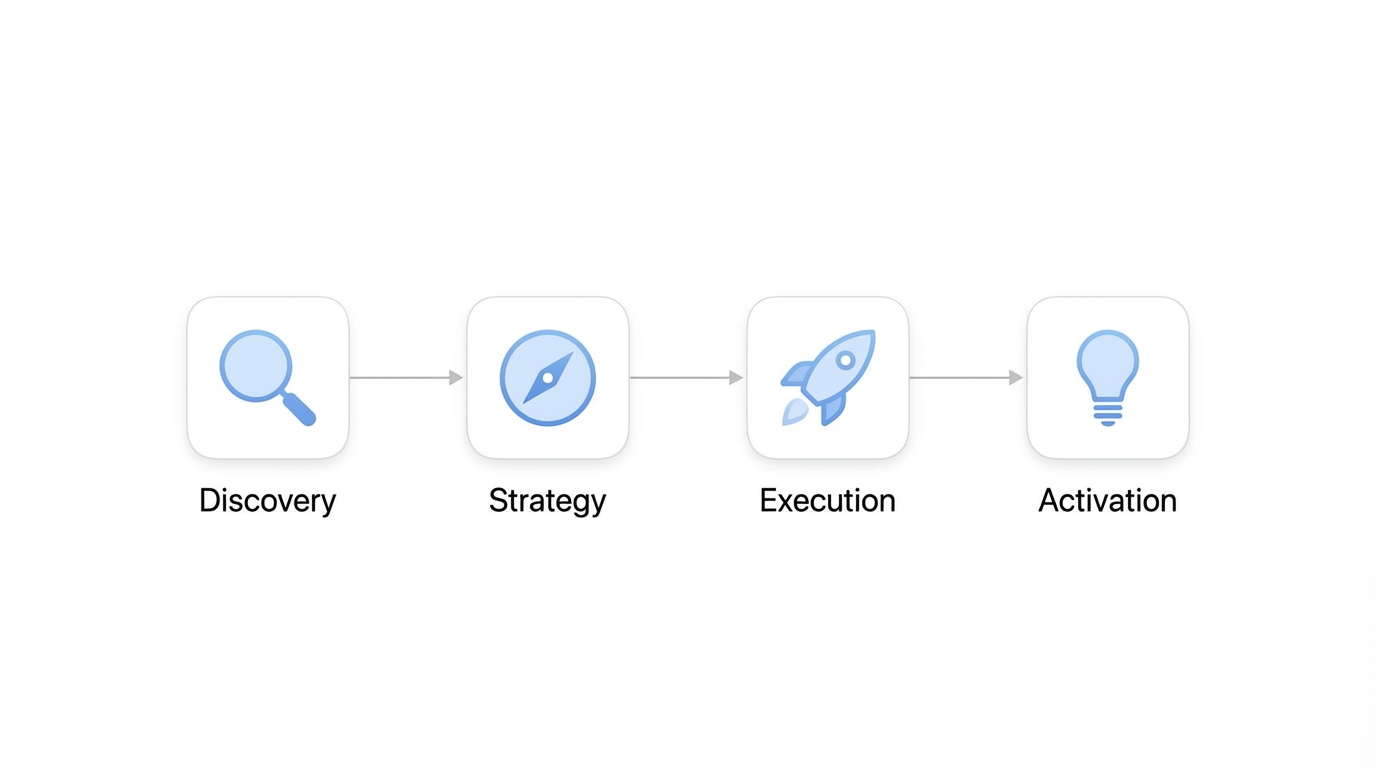
Managing the output of 10 to 20 creators is a massive operational challenge. To make this TikTok creator management system work, you must establish clear workflows. Each creator should ideally run one or two dedicated accounts created specifically for your brand. These accounts act as independent testing grounds for different hooks and formats.
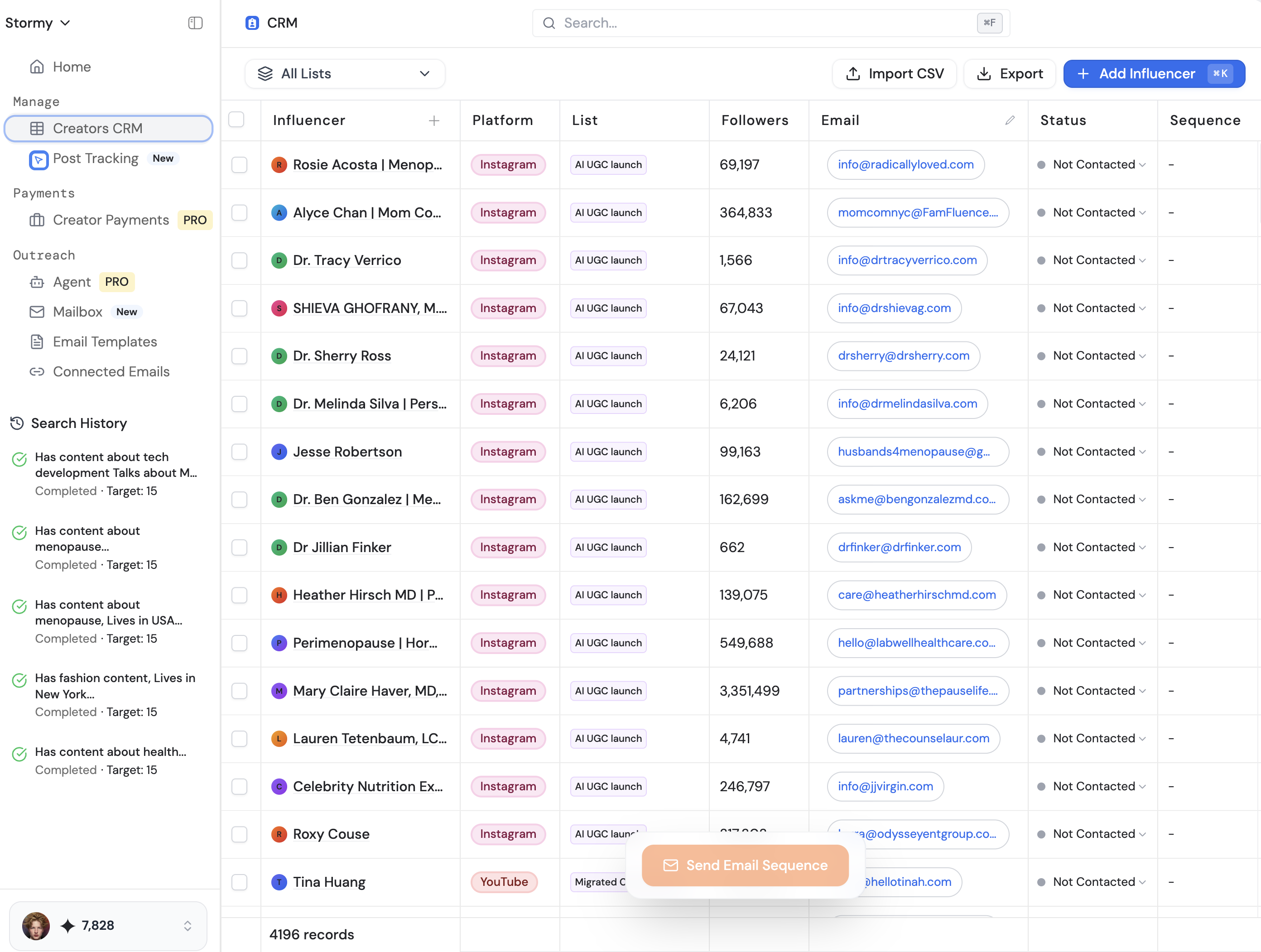
Before scaling, ensure the accounts are "warmed up" by interacting with the platform naturally. Once active, the requirement of two videos per day ensures that you are constantly feeding the algorithm new data points. If one account sees a massive spike in views, you can propagate that winning format across your other 19 creator accounts. This "copy-and-scale" method allows you to turn a single viral spark into a forest fire of brand awareness. Using a centralized CRM is vital here to track which creators are hitting their volume quotas and which videos are driving the most app installs.
Using Performance Tiers to Drive Retention
Creator churn is real. To keep your best talent from leaving, implement performance tiers based on view counts. Milestones like 10k, 50k, and 100k views should serve as "unlocks" for higher bonuses or increased retainers. For example, hitting 100,000 views might trigger a flat $1,000 bonus, which is a life-changing amount for many student creators.
These tiers serve two purposes: they incentivize quality and act as an employee retention mechanism. By rewarding creators who consistently hit the 50k+ mark, you build a loyal core of "tier-one" creators who understand your brand's voice perfectly. As your program matures, you can move your top performers into more strategic roles, helping you identify new trends like the recent shift toward self-care narratives or carousel-based storytelling on TikTok.
The Feedback Loop: Turning Organic Hits into Paid Ads
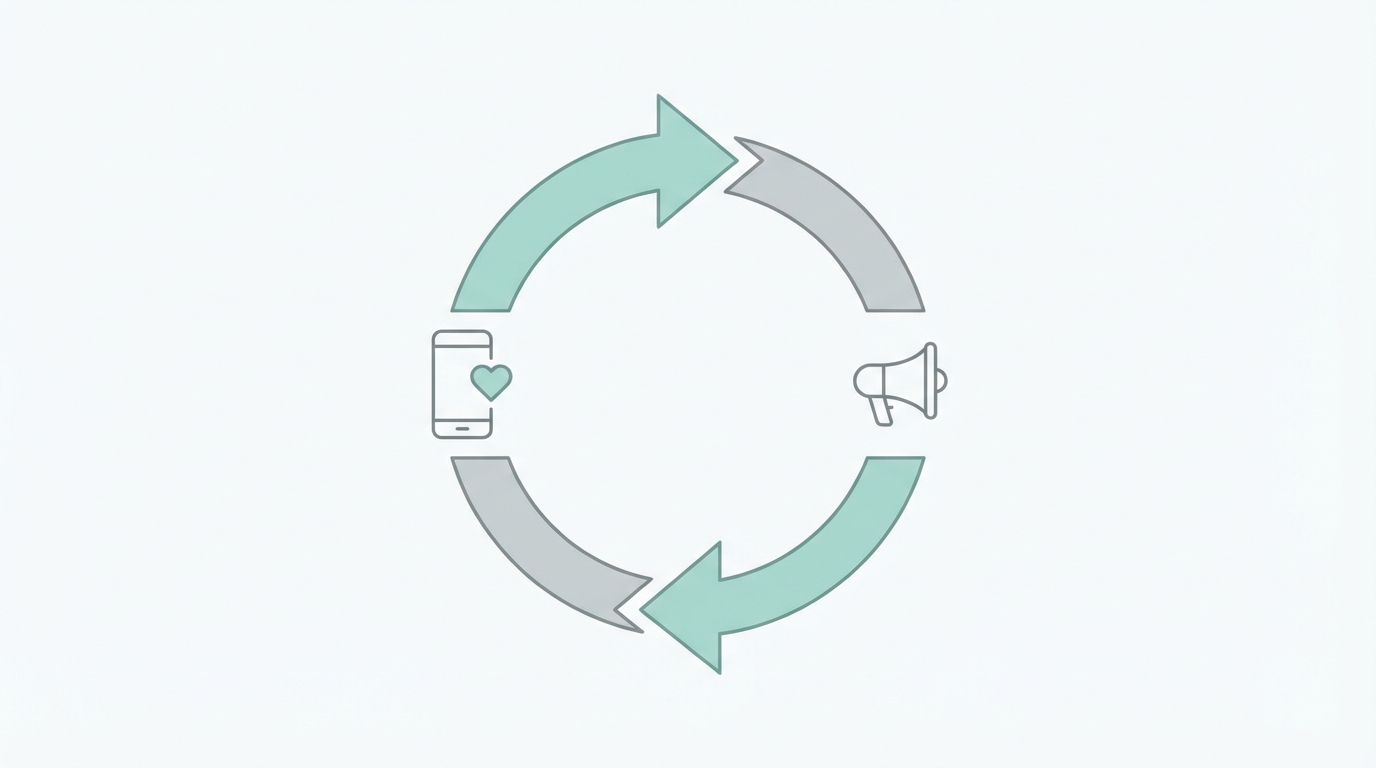
The most sophisticated part of this influencer marketing strategy is the loop between organic content and paid advertising. Instead of guessing which ad creative will work, you use your organic micro-influencer fleet as a massive A/B testing engine. When a video naturally goes viral and achieves high engagement, you immediately white-list that creator's account and put paid spend behind it.
This "organic-to-paid" transition often results in a significantly lower CAC because the content has already been vetted by the algorithm. Users scrolling through their feed are less likely to skip an ad that looks and feels like a genuine, trending video. Tools like HeyGen or Google VEO can even be used to generate B-roll or lifestyle footage to supplement these creators, creating a seamless, high-production feel without the high-production cost. For instance, Bloom often adds a 15-second direct call-to-action (CTA) at the end of a viral organic video before running it as a Google Ad or TikTok Spark Ad.
Optimizing the Funnel: From View to Subscription
Driving traffic is only half the battle; the other half is conversion. A high-volume creator program will bring in a diverse audience, so your app's onboarding must be optimized for different levels of intent. Interestingly, data from high-growth apps suggests that multi-screen onboarding often outperforms single-screen signups. By breaking the process into bite-sized, "story-style" slides similar to Instagram Stories, you keep the user engaged without overwhelming them.
Incorporate elements of urgency, social proof, and gamification immediately. If your creator promised a "free stock" or a "secret wealth tip," ensure that promise is front-and-center during the first 30 seconds of the app experience. This alignment between the influencer marketing strategy and the product's user experience is what ultimately drives high retention rates and subscription revenue.
Scaling with Modern Tools: Management and Discovery
Managing 60 videos per creator across 20 creators means tracking 1,200 pieces of content every month. To maintain this level of volume, brands are moving away from legacy spreadsheets and toward AI-powered creator management platforms. For those looking to scale app growth, tools like Stormy AI provide a centralized solution to discover new niche creators, vet their audience quality, and manage the entire outreach and payment process in one place.
By using Stormy AI, marketing teams can automate the discovery of creators in specific sub-niches—like the "Bible-talk" or "lifestyle-investing" communities—and set up an AI agent to handle the initial outreach. This frees up the founder or growth lead to focus on the creative strategy and narrative shifts that keep the engine running through 3-to-6-month trend cycles, moving beyond the limitations of manual tracking in old-school tools like Airtable.
Conclusion: Consistency Over Everything
Building a high-volume micro-influencer program is not a "set it and forget it" strategy. It requires relentless consistency. Most campaigns fail because they give up after 30 days of low views. In reality, it often takes 90 days of consistent posting for the algorithm to properly categorize an account and start delivering the massive view counts required to scale. By combining a disciplined payment structure, a high-volume content requirement, and a tight feedback loop between organic and paid media, any brand can turn TikTok into its most profitable acquisition channel. The future of marketing belongs to the brands that can scale their relatability at the speed of the social feed.