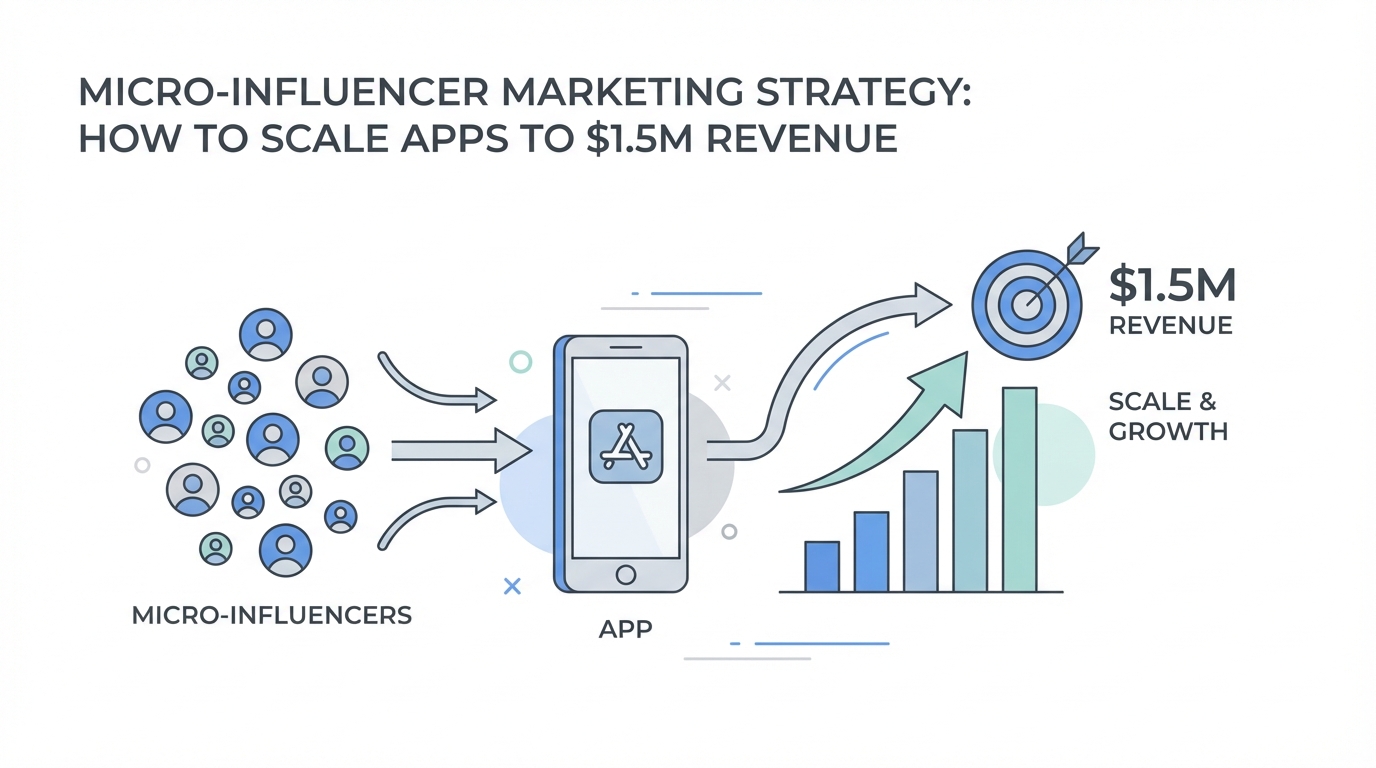
Building a successful mobile application in today’s saturated market requires more than just clean code and a sleek user interface. It requires a distribution engine that can cut through the noise without exhausting a startup's limited capital. Kletchi, a 22-year-old developer who moved to the US with just $100, proved this by building two apps that generated $1.5 million in revenue in just 12 months. His success wasn't built on traditional Google Ads or expensive celebrity endorsements; it was built on a hyper-efficient micro-influencer marketing strategy that prioritized high-engagement 'degenerate streamers' and a ruthless 'show, don't tell' content framework. By leveraging the power of OpenAI's large language models to solve real-world social friction, Kletchi transformed a simple script into a million-dollar business.
The ROI of a Micro-Influencer Marketing Strategy

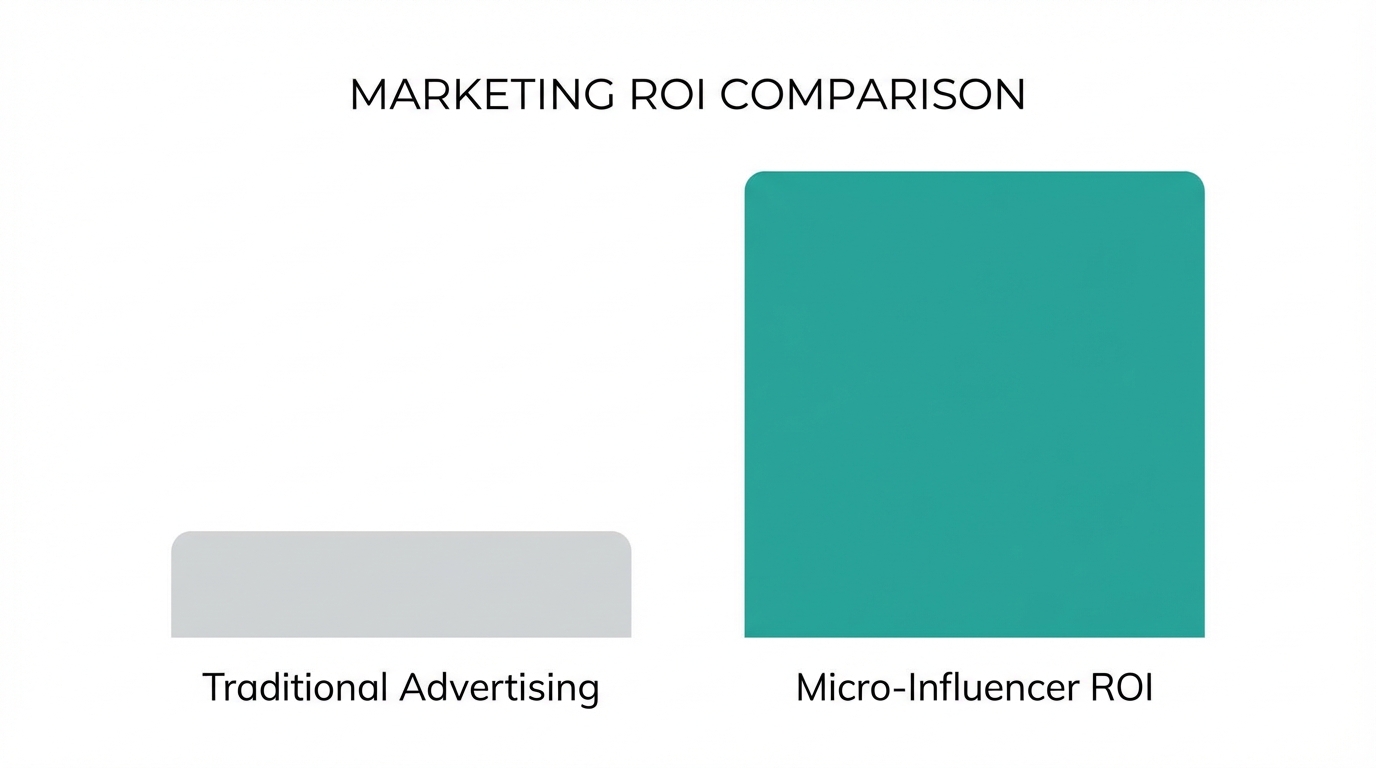
Most app developers instinctively turn to Meta Ads Manager or Apple Search Ads when they want to scale. While these platforms are reliable, they often suffer from rising Customer Acquisition Costs (CAC) that can eat into a solo developer's margins. Kletchi’s approach flipped the script by targeting micro-streamers—creators who might not have millions of followers but possess a dedicated, niche audience. These 'degenerate streamers' often have lower sponsorship rates, allowing for a low cost app marketing approach that yields massive returns. For example, Kletchi once paid a creator just $120 for a collaboration that eventually hit 2 million views and generated tens of thousands of dollars in revenue. This level of influencer marketing ROI is virtually impossible to achieve through standard paid channels.
The secret lies in the 'edge' these micro-influencers provide. Because they haven't yet reached mainstream status, their content feels more authentic and less like a commercial. When they integrate a product like Social Wizard—an AI-powered social skills assistant—into their live streams or clips, it feels like a genuine recommendation rather than a paid placement. Using tools like Stormy AI, an AI-powered platform for creator discovery, developers can find these high-potential creators who are hitting the exact demographic needed for a specific app's use case, such as 16-to-24-year-olds looking to improve their social skills or DMs.
The 'Show, Don't Tell' Influencer Creative Brief
One of the biggest mistakes brands make when working with influencers is providing a script that sounds like a corporate PR statement. Kletchi’s influencer creative brief philosophy is simple: Show, Don't Tell. Instead of asking a creator to list the features of Social Wizard, he asked them to demonstrate the app in action. The most successful format involved a streamer looking at a picture of a girl on Instagram and using the app to generate a 'witty' reply. This format works because it creates an immediate 'hook'—the viewer sees a pretty girl and wonders, 'What is he going to say?' The app then provides the answer, effectively demoing the product's value in real-time.
This method drastically reduces the friction of the sale. By the time the viewer finishes the 30-second clip, they have already seen the product solve a problem they likely face themselves. They don't need a formal pitch; they've already been sold through the demonstration. This strategy is particularly effective for mobile app distribution because it focuses on the outcome (getting a date or a reply) rather than the tool itself. Platforms like Stormy AI, which is ideal for finding UGC creators and influencers, can help brands identify creators who are particularly skilled at this kind of 'demonstration-style' content, which is essential for scaling high-growth apps.
Identifying Adjacent Niches for Maximum Reach
A common pitfall in influencer marketing is only targeting creators who are directly in your niche. If you have a fitness app, you go to fitness influencers. If you have a dating app, you go to dating coaches. Kletchi recommends a different path: adjacent niches. For Social Wizard, he didn't exclusively target 'pick-up artists' or social skills coaches. Instead, he went to gaming streamers—specifically those playing Fortnite or engaging in 'reaction' content. These creators already had his target audience (young men), but they weren't being bombarded with similar app advertisements. This meant the audience was 'fresh' and more receptive to the product.
For his second app, Clean Eats—which helps users scan food barcodes to see how ingredients affect their skin or weight—the target was women aged 18 to 28. Instead of just targeting nutritionists, a smart micro-influencer marketing strategy would involve targeting beauty creators or lifestyle vloggers. The psychological trigger here is extrapolating the benefit. You aren't just selling a barcode scanner; you are selling clear skin and confidence. When you find creators who are already talking about those end goals, the integration of your app feels natural and highly relevant.
The $1.5M App Scaling Playbook
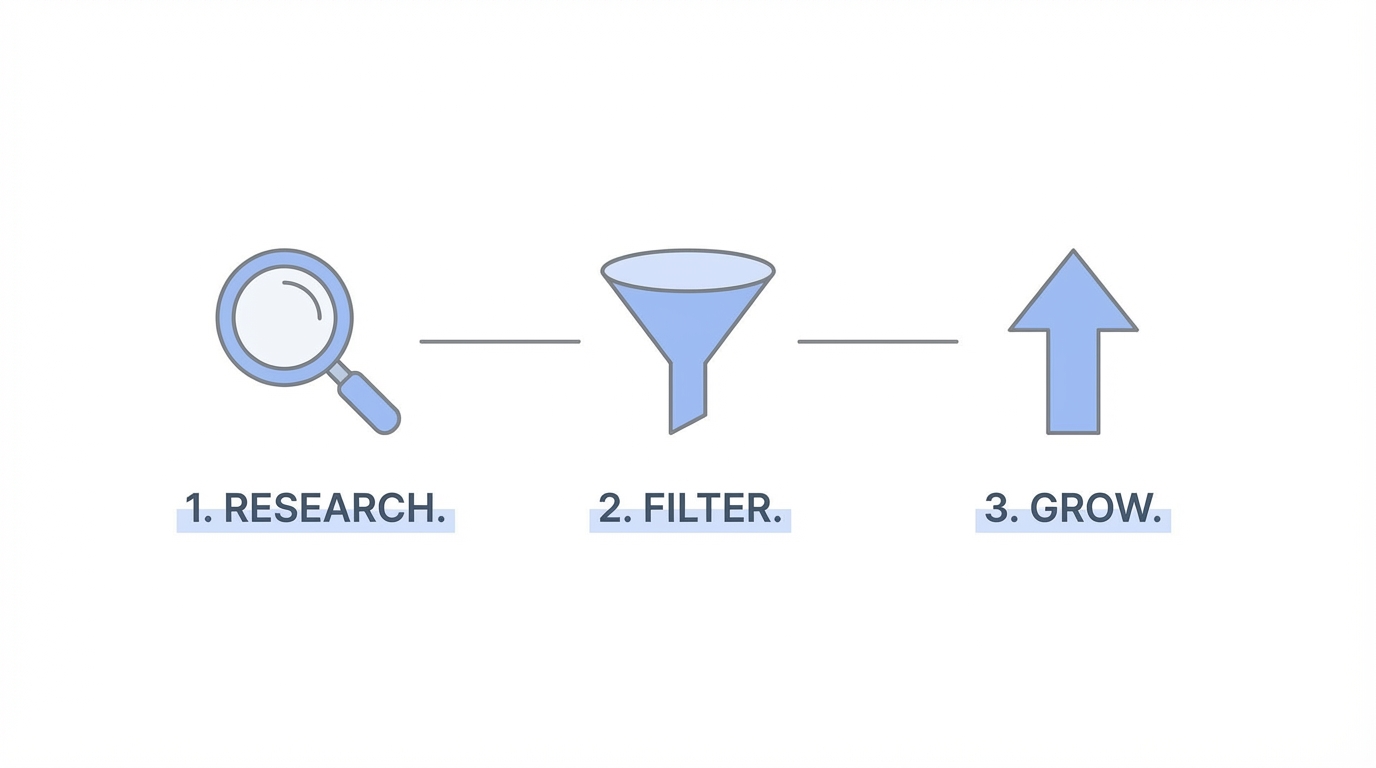
Scaling an app to seven figures requires a shift from 'luck' to 'determinism.' Kletchi views distribution as a volume game. If you post five videos and they fail, you haven't failed; you just haven't found the format yet. Here is the step-by-step playbook for scaling your mobile app distribution using micro-influencers:
Step 1: Define Your Goal and Niche
Start by identifying if your niche already has a high volume of content being produced. If it does, you can leverage existing creators. If not, you must become the primary content creator first to find what sticks. Use tools like Stormy AI to research UGC creators for mobile app ads and set up an autonomous AI agent that discovers and outreaches to creators on a daily schedule. Always aim to understand the core psychological desire your app fulfills—whether it's confidence, health, or time-saving.
Step 2: Produce and Test Content (The Volume Phase)
Don't outsource the creative process too early. You need to learn the 'viral formats' yourself. Kletchi recommends starting with at least two accounts on TikTok and posting three videos a day. The goal is to reach 10 to 20 videos per day as you scale. At this volume, virality isn't a game of luck—it's a statistical certainty. TikTok is preferred over Instagram for this phase because its algorithm is more friendly to new accounts and can provide 'burst' traffic that is essential for testing new hooks.
Step 3: Scale with Micro-Streamers
Once you find a format that works, take that 'winning' clip to micro-influencers. Tell them exactly what to recreate. This is where the micro-influencer marketing strategy truly shines. By paying 10 to 50 small creators to recreate a proven format, you create a 'halo effect' where your app appears everywhere at once. This volume-based approach ensures that even if 90% of the videos perform moderately, the 10% that go viral will drive the bulk of your revenue. Kletchi's Social Wizard app scaled to $60,000 per month using this exact method, eventually crossing 700,000 downloads.
Vetting Micro-Streamers: Engagement Over Follower Counts
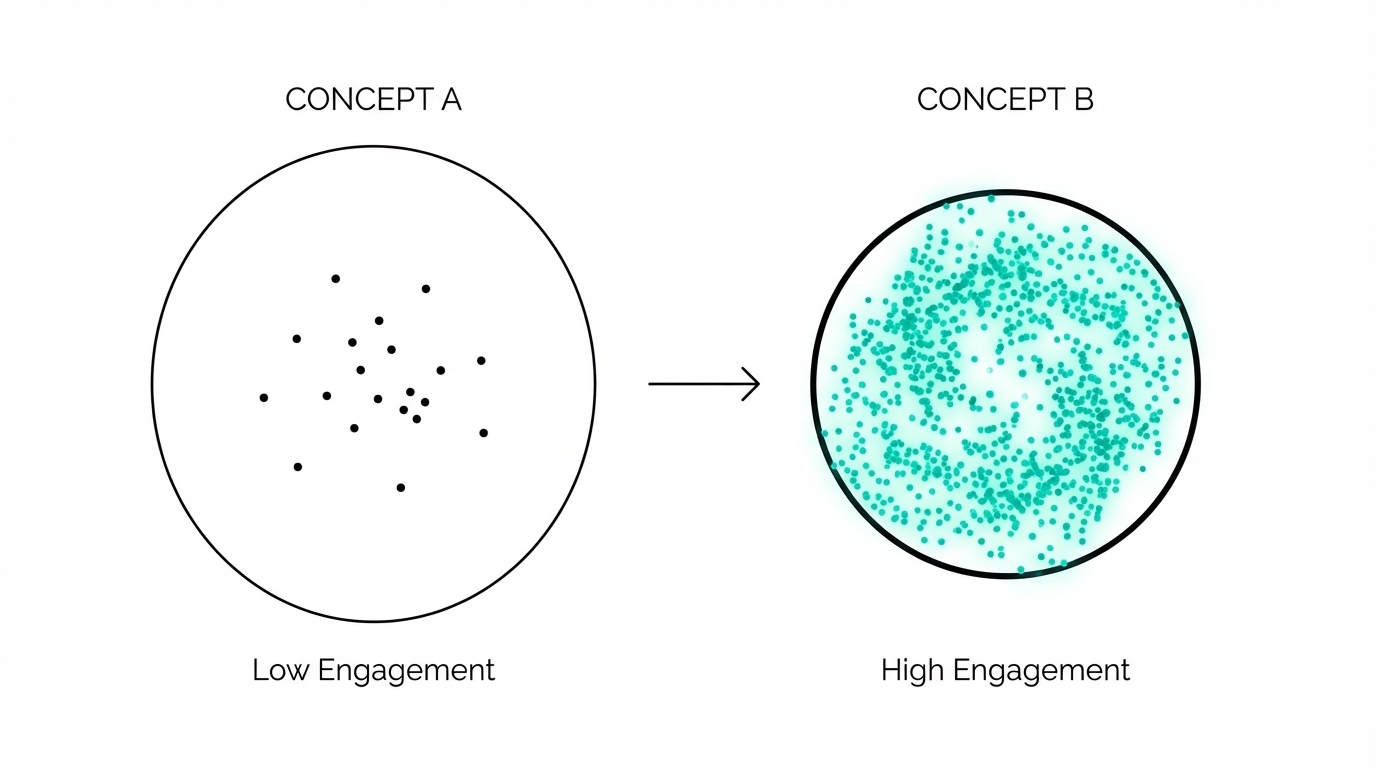
When executing a low cost app marketing plan, the vanity metric of 'follower count' is often a trap. A streamer with 500,000 followers but low viewer engagement is less valuable than a 'degenerate streamer' with 10,000 followers who has a hyper-active chat. You want to look for creators whose audience actually interacts with them. Are people asking questions? Are they clicking links? In the case of Social Wizard, the streamers were often reacting to 'crazy' content, which meant their audience was already in an attentive, reactive state—the perfect time to introduce a tool that helps them react better in their own lives.
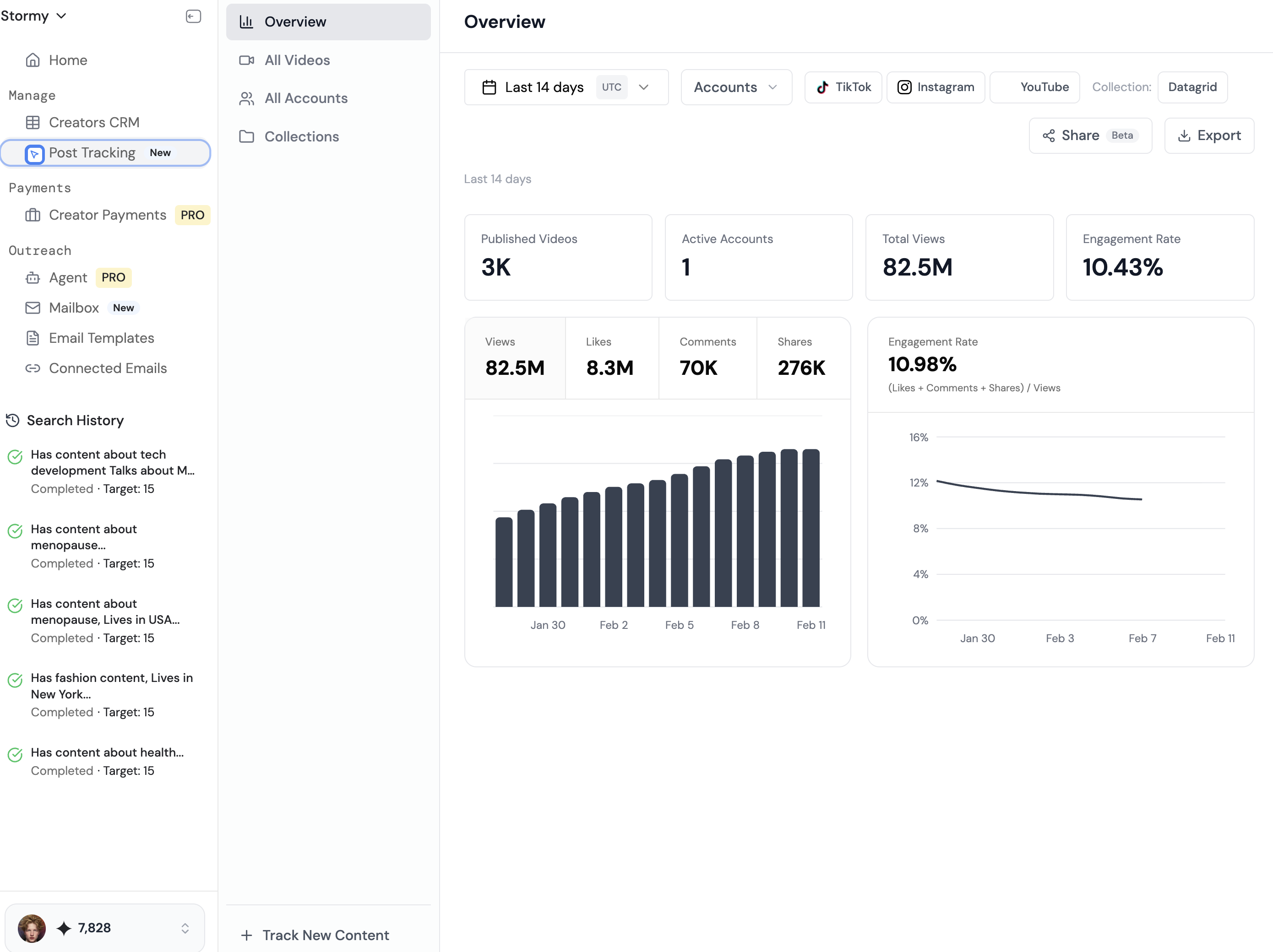
Vetting these creators manually can be exhausting. This is where AI-powered platforms like Stormy AI become essential for modern app developers. By using Stormy’s built-in post tracking and creator analysis, you can find the 'hidden gems' in the micro-influencer space before they become too expensive for the average startup budget. This allows you to maintain the 90% profit margins that Kletchi achieved by keeping infrastructure costs low and marketing efficiency high.
The Tech Stack for Fast Distribution
A great marketing strategy will fail if the product isn't ready for the traffic. Kletchi’s tech stack was optimized for speed and scalability. He used React Native for the mobile frontend, allowing for a single codebase across iOS and Android. The backend was built on NestJS and hosted on affordable platforms like Heroku or Render. For data and real-time monitoring, he relied on Firebase and Mixpanel to track user behavior and retention. By keeping the stack simple, he could focus 90% of his energy on distribution rather than debugging complex infrastructure.
This 'lean' approach meant that even after Apple and Google took their 30% cut, the profit margins remained incredibly high. When you aren't spending thousands of dollars on a bloated development team, your influencer marketing ROI looks even better. The goal is to build a 'production-ready' app in weeks, not months, so you can start testing your distribution strategy as soon as possible. As the research shows, once you crack the distribution code, the cash flow becomes 'printing' money on autopilot.
Conclusion: Your Path to $1.5M
Kletchi’s journey from having $100 to building a $1.5M app empire is a testament to the power of a disciplined micro-influencer marketing strategy. The key takeaways for any developer or brand looking to replicate this success are clear: focus on 'Show, Don't Tell' creative, embrace high-volume testing on TikTok, and don't be afraid to target adjacent niches where your audience lives. By working with micro-streamers and leveraging AI tools like Stormy AI for creator discovery and automated outreach, you can achieve massive scale without the massive price tag of traditional advertising. Remember, distribution is not a game of luck—it is a game of volume, persistence, and identifying the right 'hooks' that make your target audience pause and take notice. Start building, start posting, and don't stop until you find the format that prints.