In the hyper-competitive startup landscape of 2026, the distance between a viral idea and a million-dollar run rate has never been shorter—provided you know how to frame it. While most founders are obsessed with building the next 'world-changing' LLM, a new breed of 18-year-old founders is proving that the real money isn't in the tech; it's in the application layer. This is the story of Dris, the architect behind the viral Cluey UGC program that generated 100 million views in two weeks, and how he used that same instinct to launch Methods—a platform that hit $1.2M ARR in just seven days by ditching tech buzzwords for raw consumer psychology.
The Application Layer Thesis: Why Tech Is Just a Protocol
Why the application layer and consumer-facing design are essential for modern software success.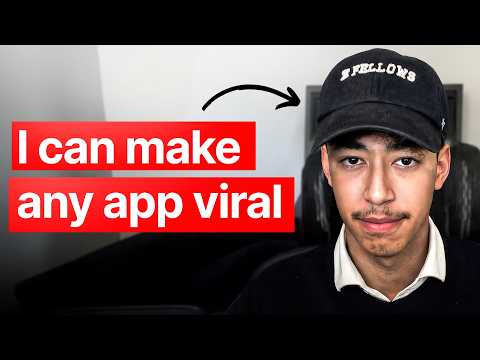
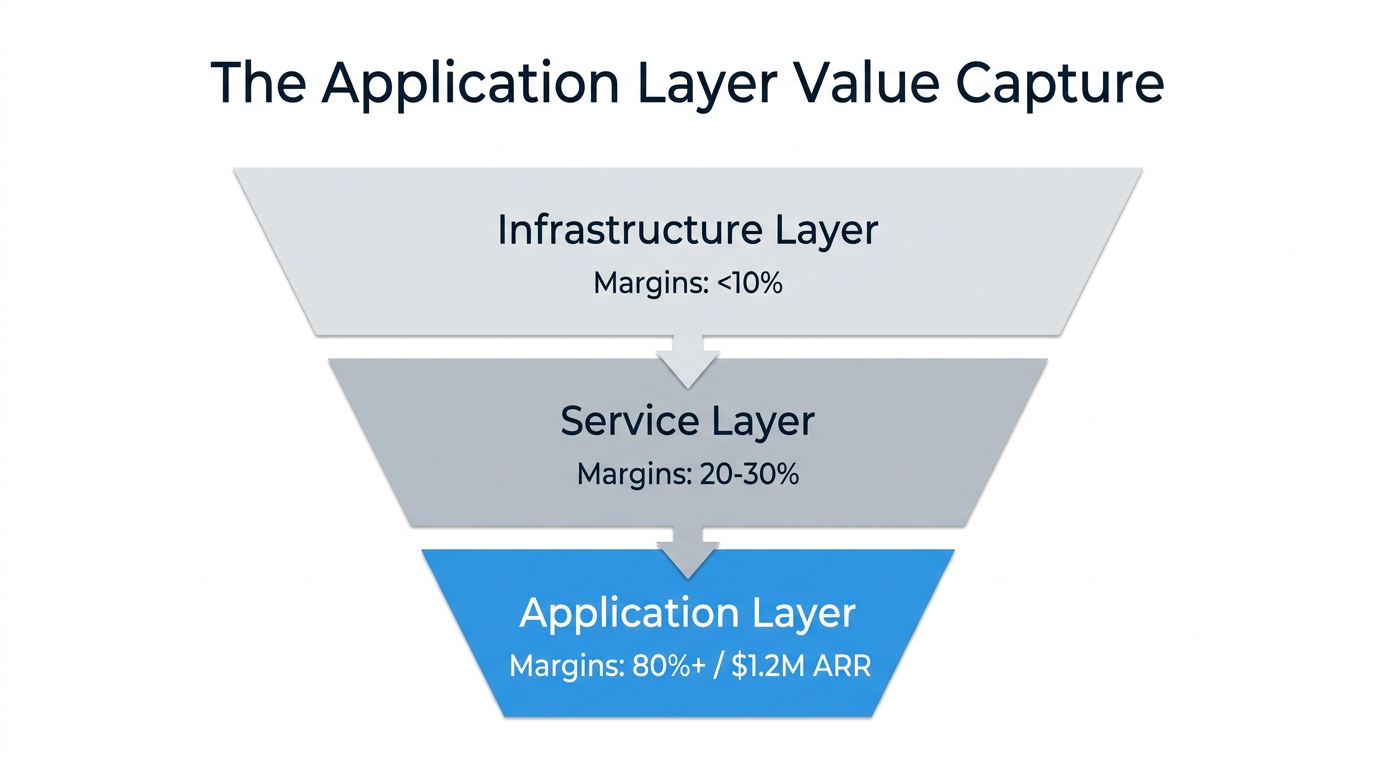
One of the most profound insights from the Methods business model is the distinction between the technology layer and the application layer. Dris argues that value is rarely captured by the creators of a protocol. Instead, it is captured by those who build the experience users interact with every day. Think of the early internet: we don't remember every person who worked on the HTTP protocol, but we know Google and Amazon.
In 2026, we are seeing the same trend with application layer startups. While OpenAI and other labs focus on the underlying intelligence, the massive delta lies in selling that intelligence to the 99% of the world that doesn't care about 'parameters' or 'inference speeds.' They care about results. Dris realized that at Cluey, and now at Methods, the product isn't 'AI-powered content management'—the product is money.
Growth Marketing Psychology: Reframing UGC into a 'Method'
How framing Methods as the new way to make money drove viral adoption.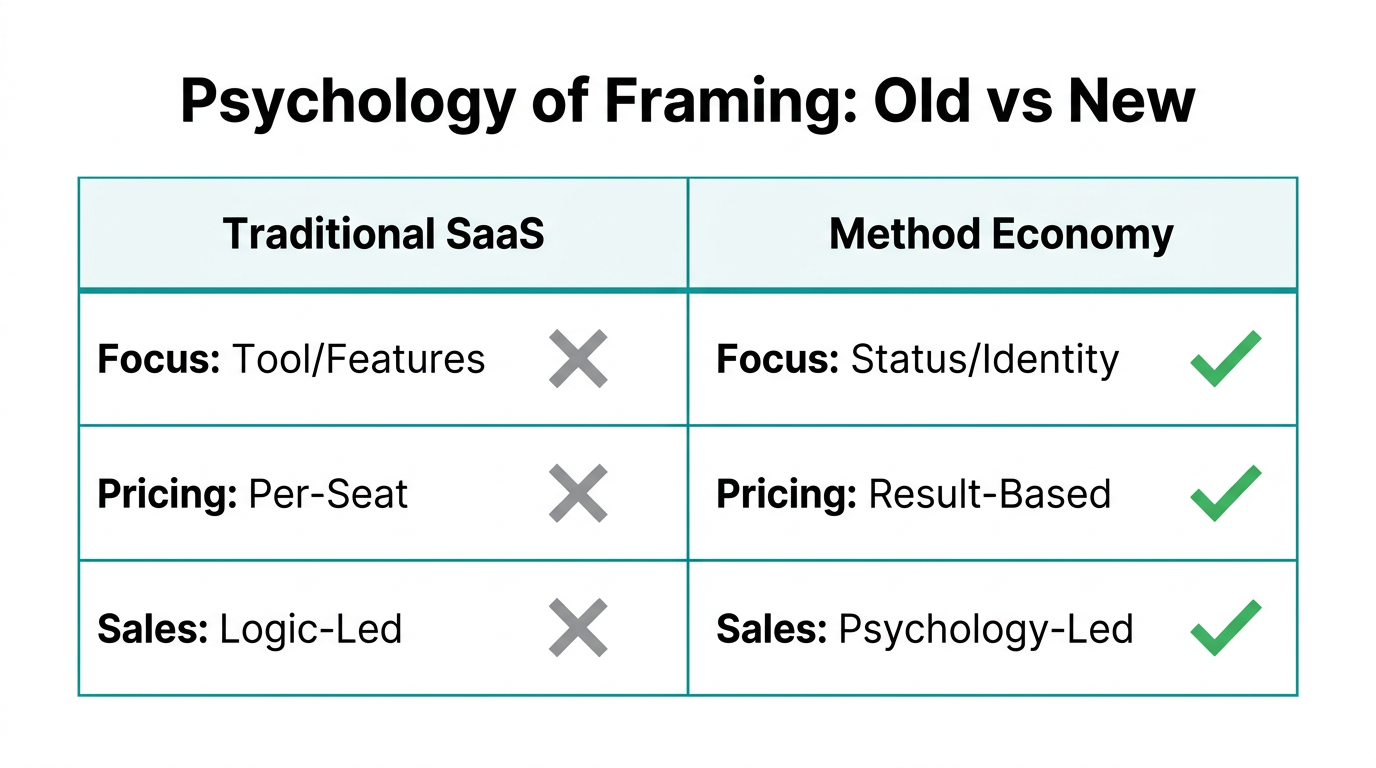
Before launching his latest venture, Dris was a 'young buck' in the TikTok dropshipping world, selling fake AirPod Maxes. That experience taught him a ruthless lesson: when your product isn't differentiated, your positioning is everything. At the start of his current journey, he realized that calling a service a 'UGC Agency' or an 'Influencer Marketplace' felt 'lame' and uninteresting. It sounded like a job.
By shifting the consumer app framing in 2026 from 'Create UGC for Brands' to 'The New Way to Make Money Online,' he tapped into a universal human desire. He didn't just build a marketplace; he built the Method Economy. This pivot in growth marketing psychology allowed him to scale to 50,000 creators almost instantly because 'everyone wants to make money, but not everyone knows the methods.'
"Methods are the new way for you to make money. In the future, the only way to make money will be through methods. There will be no traditional jobs—only the method economy."
Lessons from Duolingo: The Power of Performative Utility
Why design and social presence often outweigh objective utility for the average consumer.To understand why Methods works, you have to understand performative utility. Dris points to Duolingo as the ultimate example. While many users may never actually become fluent in a language, they feel like they are learning. The experience of the app—the streaks, the animations, the immediate feedback—is more important for retention than the actual educational efficacy.
Methods applies this by gamifying content creation. Most UGC programs fail because they treat creators like employees. Methods, however, pays creators $40 for their very first video, regardless of experience. This immediate reward hooks the 'lizard brain' and overcomes the psychological barrier of failure. By the time the creator reaches their second or third video, they aren't just working; they are playing a game where the high score is their bank balance.
Mass Market Distribution: Sourcing the 1% Who Drive 90%
A common mistake in 2026 distribution is the obsession with 'micro-influencers' at massive scale. Dris's experience at Cluey showed that 90% of your results come from the top 1% of creators. You don't need 2,000 creators; you need one creator who can generate 10 million views a day. The trick is building a system that allows you to discover that 1% through rapid experimentation.
For brands and app developers, this means moving beyond manual outreach. While Dris built a proprietary platform for this, many growth teams are using tools like Stormy AI to automate the discovery and vetting process. Using data from TikTok Ads and social feeds, you can instantly find the 'Methods' style creators who can actually convert, rather than just post.
| Strategy Component | Old School (2023-2024) | The Method Way (2026) |
|---|---|---|
| Incentive | Delayed payment/Commission | Immediate $40 first-video reward |
| Framing | "UGC Marketplace" | "Money Making Method" |
| Scaling | Hiring more creators | Iterating on viral formats |
| Tech | Focus on AI features | Focus on the Application Layer |
The 'Young Buck' Mindset: Ditching Mentors for Market Signals
The early hustle: scaling a 50k a month store selling fake AirPod Maxes.One of the most contrarian takes in the Methods philosophy is the rejection of traditional mentorship. In the fast-moving 2026 tech world, Dris believes that most advice is noise. Successful founders are those who iterate based on raw market signals rather than following a handbook written for a world that no longer exists.
The 'Young Buck' mindset is about survival as the ultimate strategy. In the world of startups, if you can outlive your competitors, you win. You take their employees, their IP, and their market share. This requires a level of 'seriousness' that many older founders lack. For the 2026 founder, building an app isn't just a business—it's life or death.
Future-Proofing: Work in a Post-AGI World
As we approach Artificial General Intelligence (AGI), the question isn't whether AI will do the work, but how humans will interact with it. Dris's vision for Methods is to solve the 'how people will work' problem. If AI handles the technical execution, humans must handle the creativity, the framing, and the distribution.
We are already seeing this with AI hardware like Plaud, which reached $250M ARR by focusing on a specific use case (note-taking) rather than general 'AI companionship.' The future belongs to those who can abstract the complexity of AI into a simple, intuitive 'method' that a mainstream user can understand in seconds.
"The average person in the world is unintuitive and needs to be told exactly what something is. If you make it simple and direct, you will be incredibly successful."
Playbook: How to Build Your Own Distribution Machine
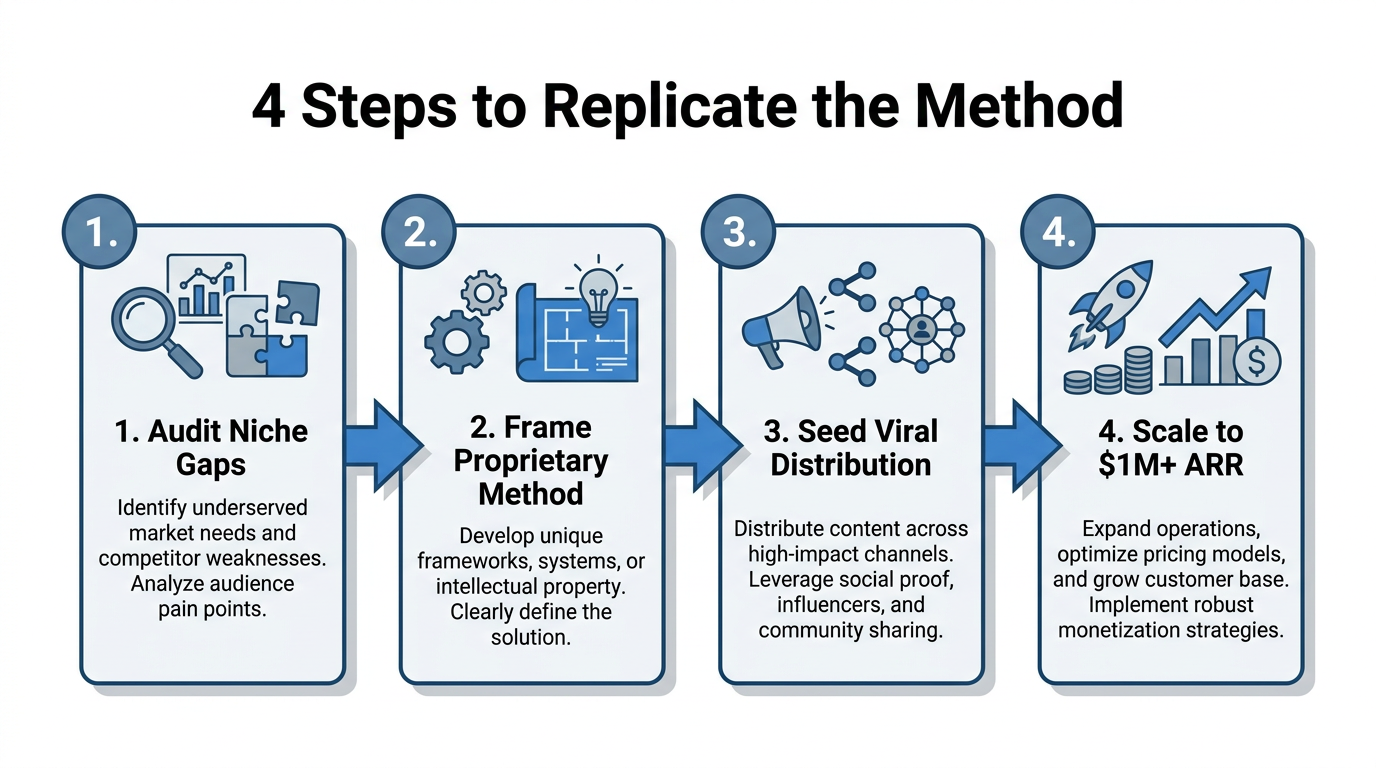
- Stop Selling Features: Don't build an 'AI Photo Editor.' Build a 'Professional Headshot Method.' Shift your focus to the application layer.
- Incentivize the Start: Use the 'Casino App' strategy. Give users a win within the first 60 seconds of joining your platform. At Methods, it's a $40 payment. In your app, it might be an instant viral result.
- Iterate, Don't Innovate: Don't try to reinvent the wheel for every video. Find a format that worked for a competitor, adapt it for your niche, and scale it across multiple creators.
- Automate Discovery: Don't waste time manually scrolling. Use a platform like Stormy AI to find creators who already have the 'algo instinct' for your specific niche.
- Focus on Performative Utility: Ensure your users feel the value immediately, even if the long-term goal takes time to achieve.
Conclusion: The Era of the Method
The success of Methods—hitting $1.2M ARR in a week—proves that mass market distribution is the ultimate currency of 2026. Whether you are building a mobile app or a service-based business, your ability to frame your product as a 'Method' for success is what will separate you from the noise. By focusing on the application layer and understanding the deep-seated psychology of the modern consumer, you don't just build a product; you build an economy. It's time to stop worrying about the tech and start mastering the Method.