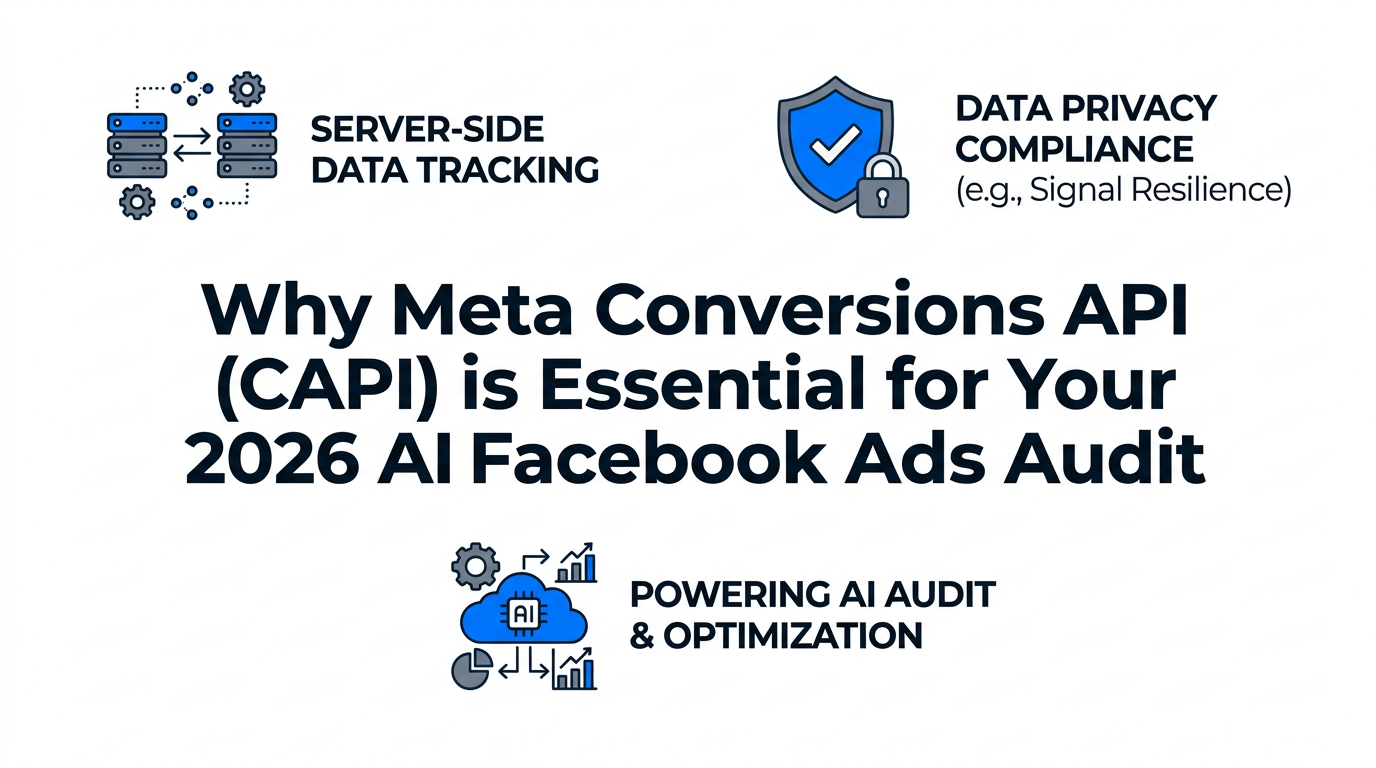
In 2026, the success of your digital marketing no longer hinges on how well you can manually tweak an ad set or select a specific interest group. We have officially entered the era of the "black box" algorithm, where Meta Advantage+ Shopping Campaigns handle the heavy lifting of audience discovery. However, an engine is only as powerful as the fuel you feed it. For brands looking to maintain a competitive edge this year, a comprehensive AI Facebook Ads Audit isn't just about reviewing creative; it is about auditing your data plumbing. If your Meta Conversions API (CAPI) setup is lagging, your AI-driven performance is likely 30% less effective than it should be.
The Evolution of Signals: Why CAPI is the 2026 Standard
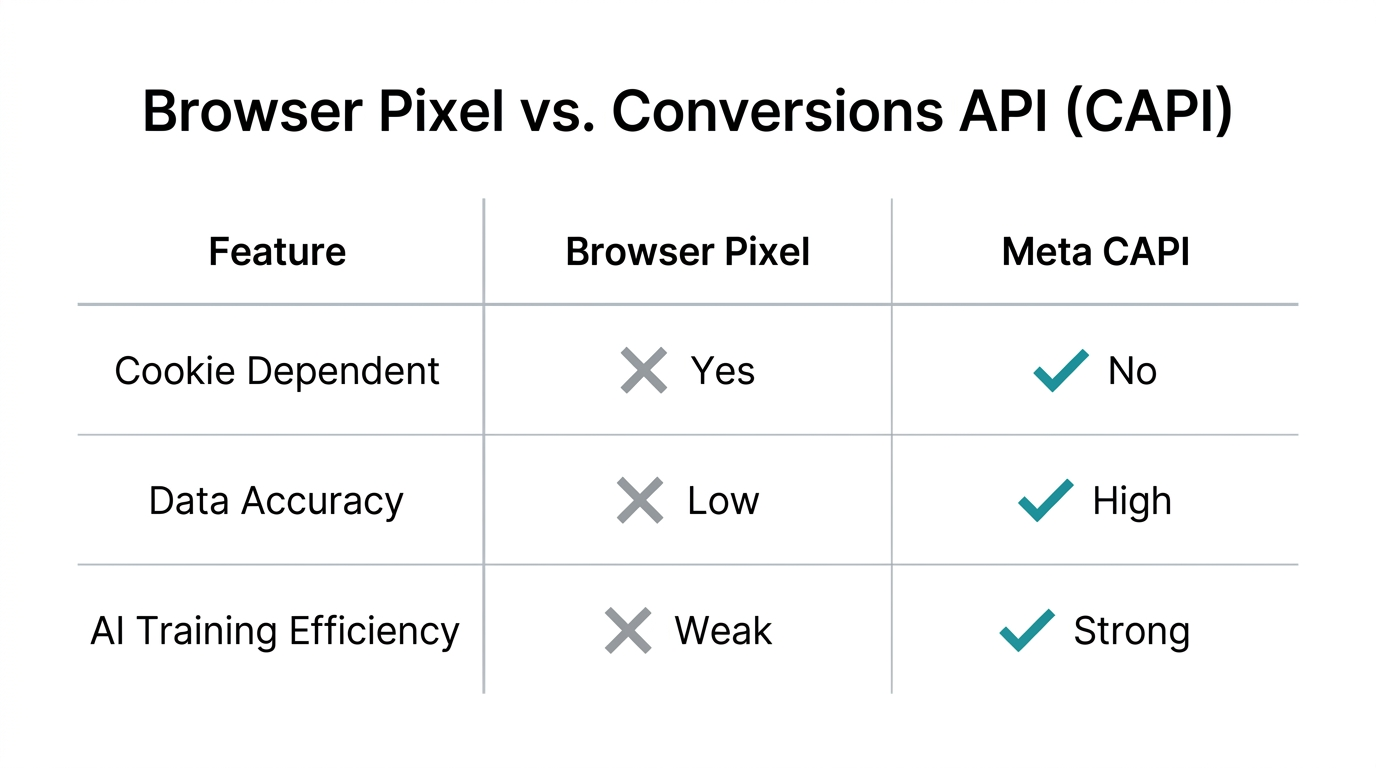
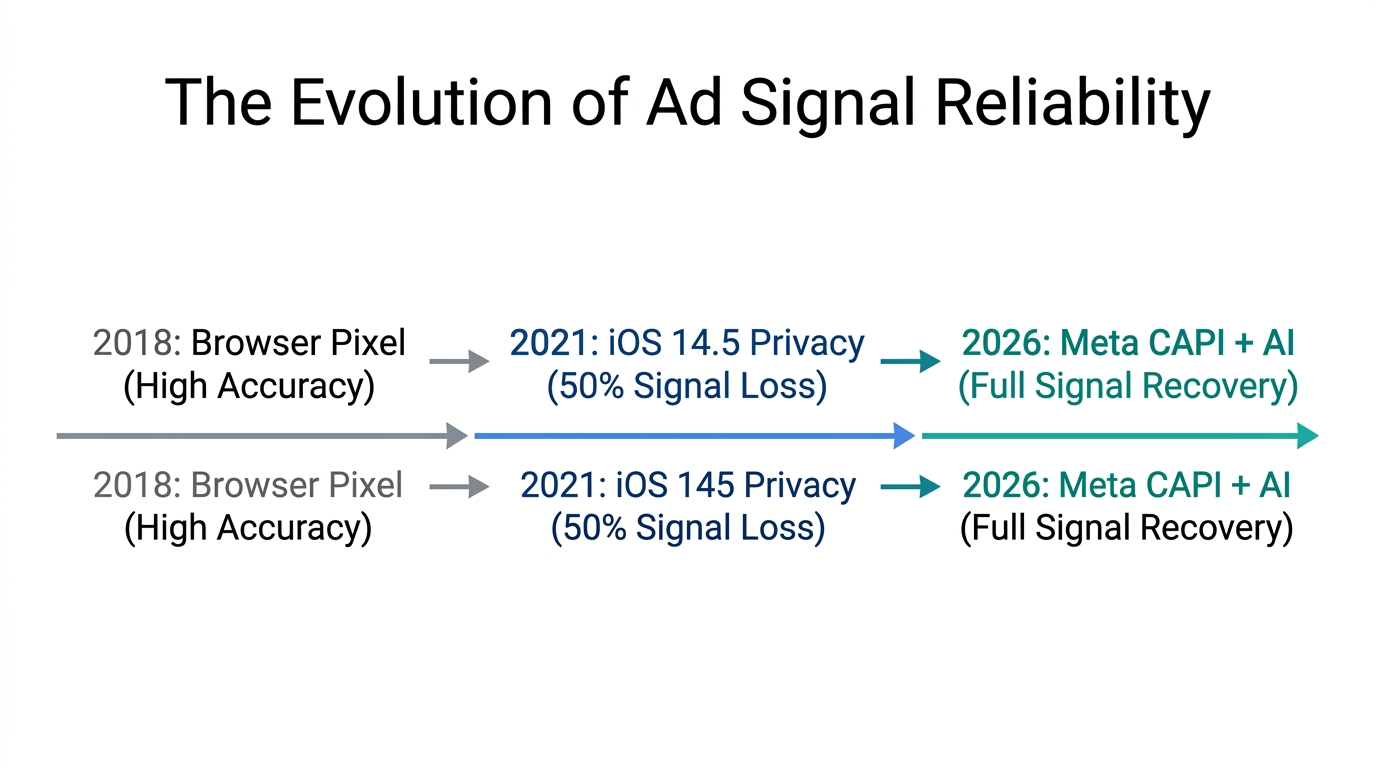
The transition to a first-party data marketing strategy is no longer a futuristic goal—it is the baseline for survival. With the total phase-out of third-party cookies and the increasing density of privacy regulations, the browser-side Pixel is effectively a ghost of its former self. To feed Meta’s AI the high-intent signals it needs to find customers, you must implement server-side tracking. Without a robust Facebook Ads CAPI setup, the algorithm is essentially flying blind, missing a massive chunk of the conversion path that occurs outside the reach of a traditional browser pixel.
As we audit accounts in 2026, we see a clear divide: brands that treat data as "plumbing" and brands that treat it as a "growth lever." According to recent industry benchmarks, 67% of companies have significantly increased their budgets for AI advertising tools this year, focusing specifically on AI-driven creative relevance to push Click-Through Rates (CTR) toward the 1.8% benchmark. Modern growth stacks now pair robust server-side data with influencer-led creative sourced via platforms like Stormy AI to ensure the algorithm has high-quality content to distribute.
"AI is not a replacement for strategy; it is an accelerator. If you feed the accelerator bad data, you simply crash into the wall faster."
Auditing Your Event Match Quality (EMQ) Score
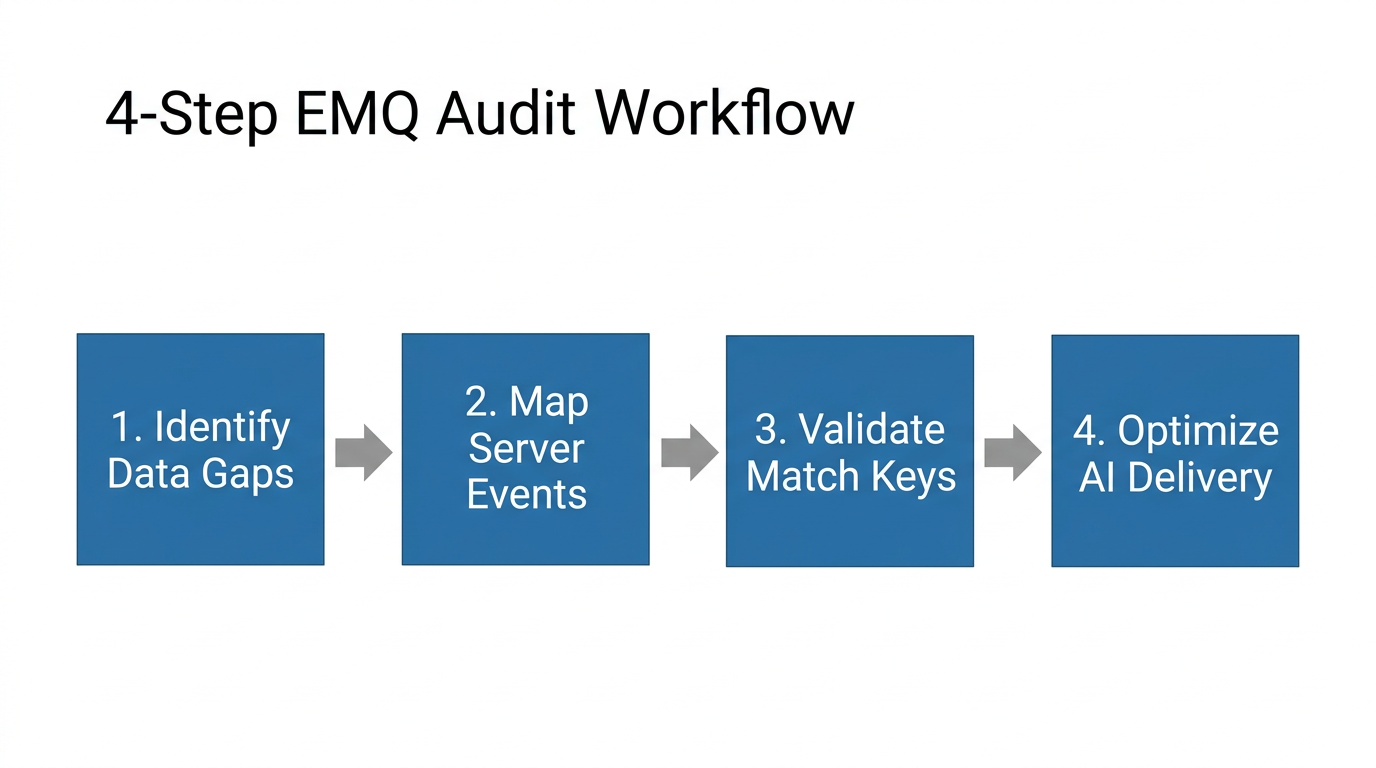
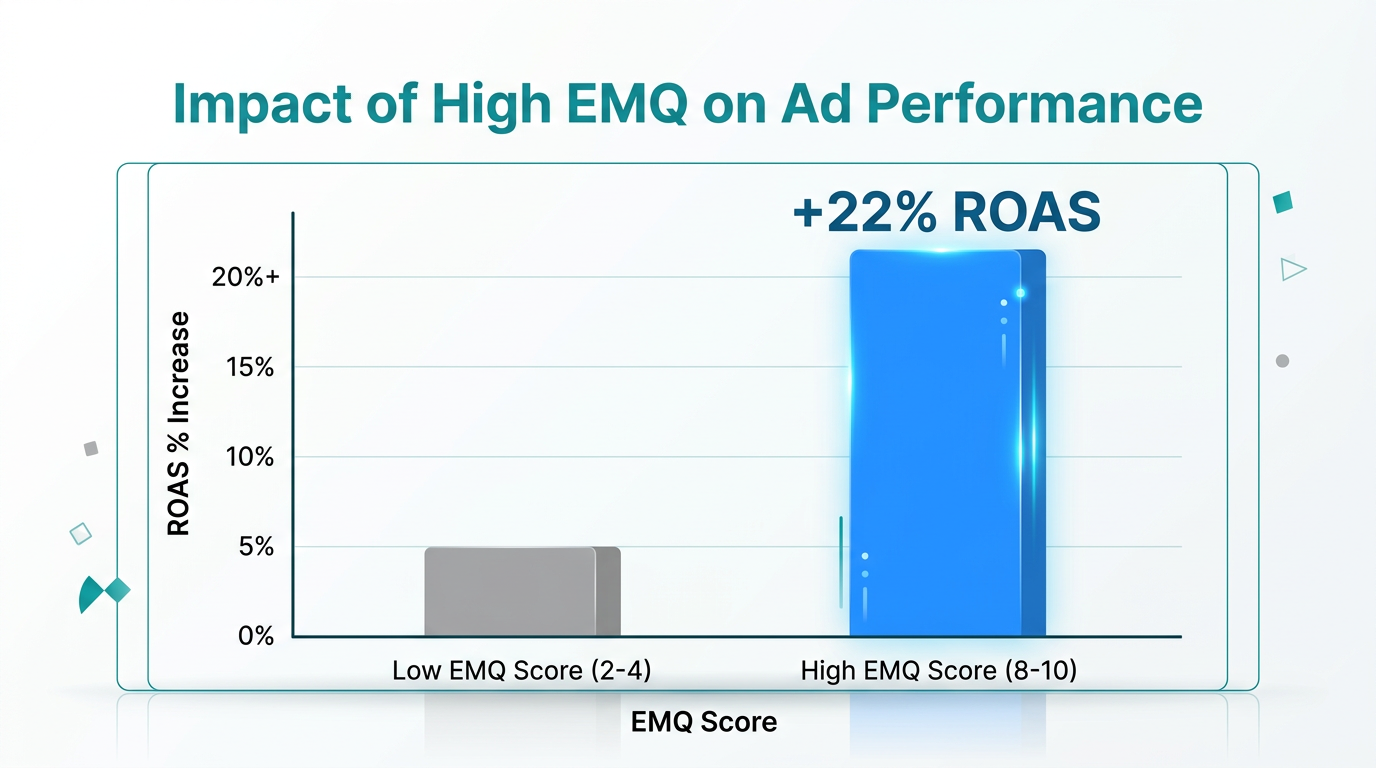
The most critical metric in your AI Facebook Ads Audit isn't actually ROAS—it’s your Event Match Quality (EMQ) score. Found within the Meta Events Manager, the EMQ score measures how effectively the data you send via CAPI (like email addresses, phone numbers, and IP addresses) can be matched to a specific Meta user profile. Whether you are running a high-volume Shopify store or a lead generation funnel on Webflow, ensuring your server-side events are firing with high parameters is the only way to maintain attribution accuracy in 2026.
In 2026, a