In the high-stakes world of B2B sales in 2026, the line between a master negotiator and a world-class mentalist has almost entirely vanished. The tools of the trade are no longer just spreadsheets and slide decks; they are the psychological sales triggers that govern human behavior. To close a massive enterprise contract today, you must understand that you are not just selling a product—you are performing an ‘honest con.’ You are managing perceptions, creating emotional investment, and guiding your prospect to a conclusion they believe was their own idea.
Negotiation is the most important skill in life. Whether you are a founder trying to secure a Series B or a marketing head pitching a global influencer campaign, the ability to walk into a room, be remembered, and create a deep bond is a literal cheat code. While most people enter negotiations with a fear of rejection, the elite few use behavioral economics to turn that fear into a weapon. By the end of this playbook, you will understand how to reverse-engineer any deal from the ‘Yes’ backward, ensuring that your pitch is not just heard, but felt.
The B2B Advantage: Why Enterprise Budgets Beat B2C Churn
Oz explains why corporate deals are easier because clients aren't spending their own money.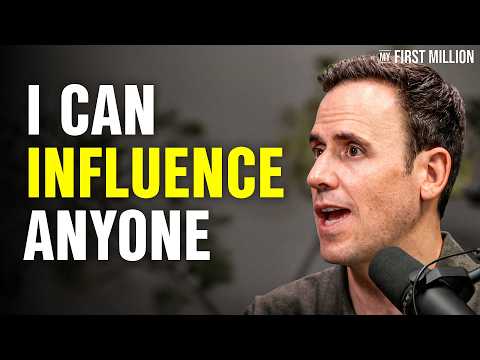
In 2026, the most successful founders have realized a fundamental truth: it is significantly more efficient to land one enterprise client than to acquire ten thousand fickle consumers. The B2B model allows for ‘exit velocity’ because you are dealing with professionals who are spending the company’s money, not their own. This lack of personal financial pain makes the decision-making process more about ROI and emotional validation than penny-pinching.
When you target the enterprise level, you are looking for ‘big amounts of money with low oversight.’ This is why platforms like Stormy AI have become essential for modern brands; they allow companies to source and manage high-value creator relationships at scale, turning what used to be a manual B2C headache into a streamlined B2B workflow. Instead of getting a million people to spend one dollar, the goal in 2026 is to get one person to sign a check for $1 million.
| Metric | B2C Acquisition | B2B Enterprise |
|---|---|---|
| Decision Maker | Individual (Personal Budget) | Executive (Company Budget) |
| Sales Cycle | Minutes to Days | 3 to 9 Months |
| Emotional Trigger | Impulse / Status | ROI / Risk Mitigation |
| Customer Lifetime Value | Low / Volatile | High / Contractual |
"I would rather get one person to sign a check for $1 million than get a million people to spend one dollar. It is a much simpler pursuit."Reverse-Engineering the Negotiation: Working Backward from the Solution
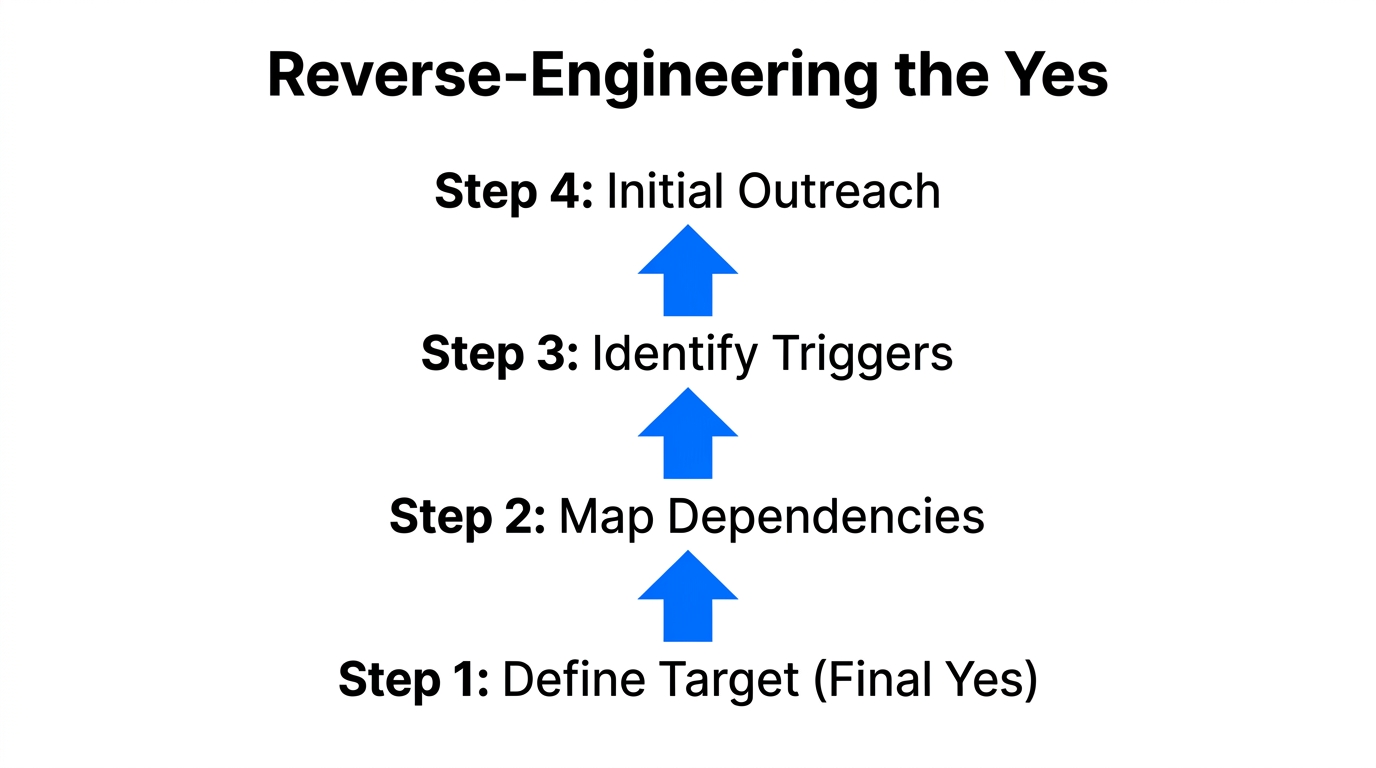
One of the most powerful high stakes negotiation tactics is the concept of reverse engineering. Most sales reps start at the beginning of a pitch and hope to arrive at a sale. A mentalist, however, starts with the desired outcome (the solution) and works backward to the initial hook, much like a mathematical proof. You must know exactly what the ‘Yes’ looks like before you ever open your mouth.
To do this effectively, you must identify the ‘Ikigai’ of your deal: find the intersection of what your client needs, what they are willing to pay for, and what brings them amazing results. When you reverse-engineer a deal, you are not just selling a service; you are providing a path to a pre-determined victory. This approach removes the guesswork. If you know the end of the movie, you can control every scene leading up to it.
Creating a Feeding Frenzy: The Power of Underpricing
Learn how to use excitability and emotional triggers to create urgency in any deal.Counter-intuitively, the best way to drive a price up is to start low. In 2026, the psychological power of underpricing is used to create a ‘feeding frenzy.’ When an asset—whether it’s a piece of real estate or a SaaS contract—is priced 10% below market value, it triggers an influx of interest. This creates a competitive environment where buyers begin to compete with each other rather than negotiating with you.
Once a prospect feels they are in competition, behavioral economics takes over. They become emotionally invested. They stop looking at the objective value and start worrying about losing the opportunity to someone else. This is when people act recklessly. As a negotiator, your job is to utilize that momentum. When you see multiple parties vying for your attention, you have achieved the ultimate leverage. You can even use this tactic when there are no other offers on the table by masterfully managing the perception of demand.
Applying the 'Honest Con'
An ‘honest con’ means being transparent about your methods while still using them to influence the outcome. You aren't lying about the product's value; you are simply optimizing the environment in which the value is perceived. Use tools like TikTok Ads Manager to generate visible buzz around your brand, creating the public ‘wow factor’ that makes enterprise leads feel like they are joining a winning movement.
The 'Multiple Outs' Strategy: Never Lose a Pitch Again
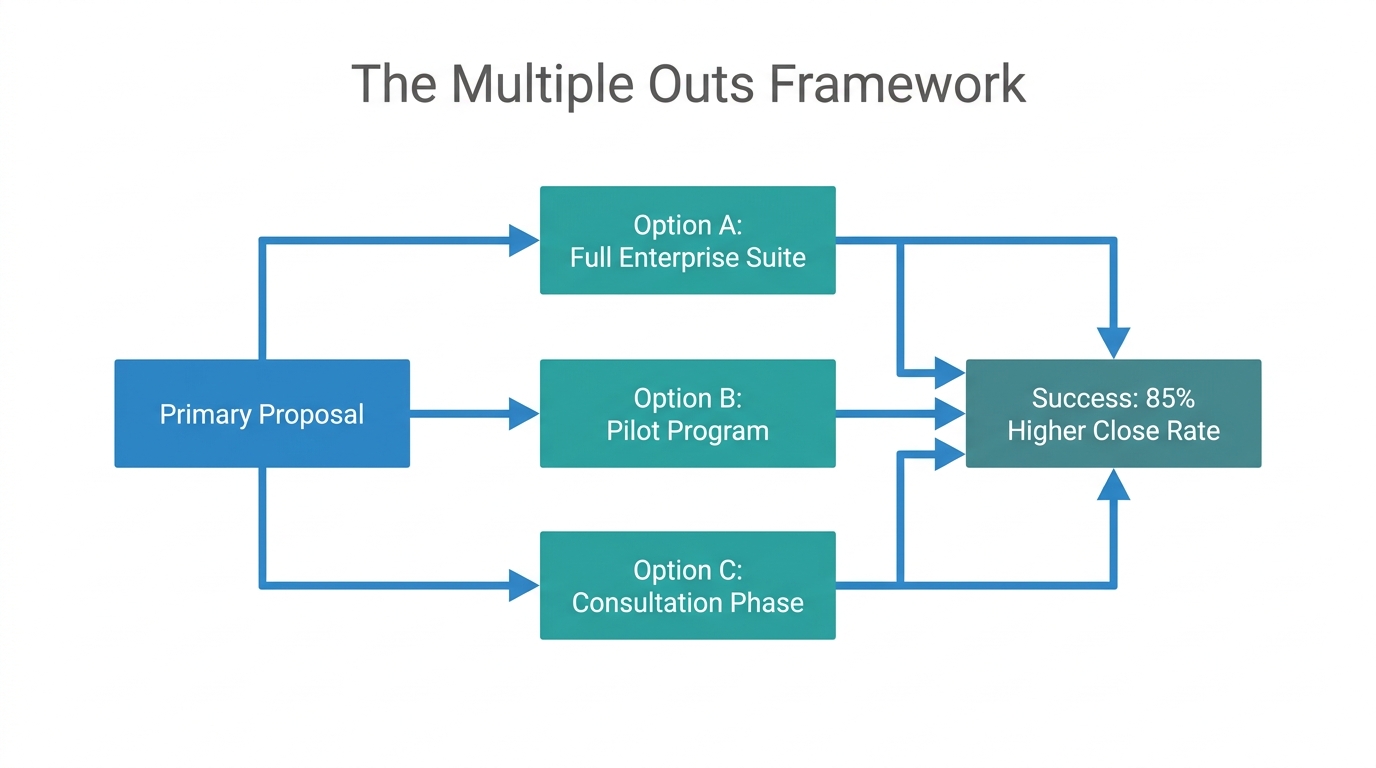
In mentalism, a performer often has multiple outs for a single trick. If the audience member picks the ‘wrong’ card, the mentalist has a backup plan that makes it seem like the result was intended all along. You must apply this to closing B2B deals. Every pitch should have at least three potential endings.
- End A: The prospect signs the full enterprise contract.
- End B: The prospect agrees to a smaller pilot program to ‘prove the concept.’
- End C: The prospect becomes a referral partner or providing valuable data that helps you refine your 2026 strategy.
By defining your ‘wins’ broadly, you remove the possibility of failure. If one path closes, you pivot instantly to the next, maintaining your cool calm composure. The prospect never sees the ‘fail’; they only see a negotiator who is flexible and solutions-oriented. This builds drama and trust simultaneously. Many top closers study masters like Penn & Teller to understand the art of the pivot.
"You only know if something went wrong if I set the terms. If I have multiple ways to win, the audience never sees the failure—they only see the magic."Behavioral Economics in Sales: The 'Machine' Mentality
The conversation turns to Robert Cialdini and the psychological principles of high-stakes persuasion.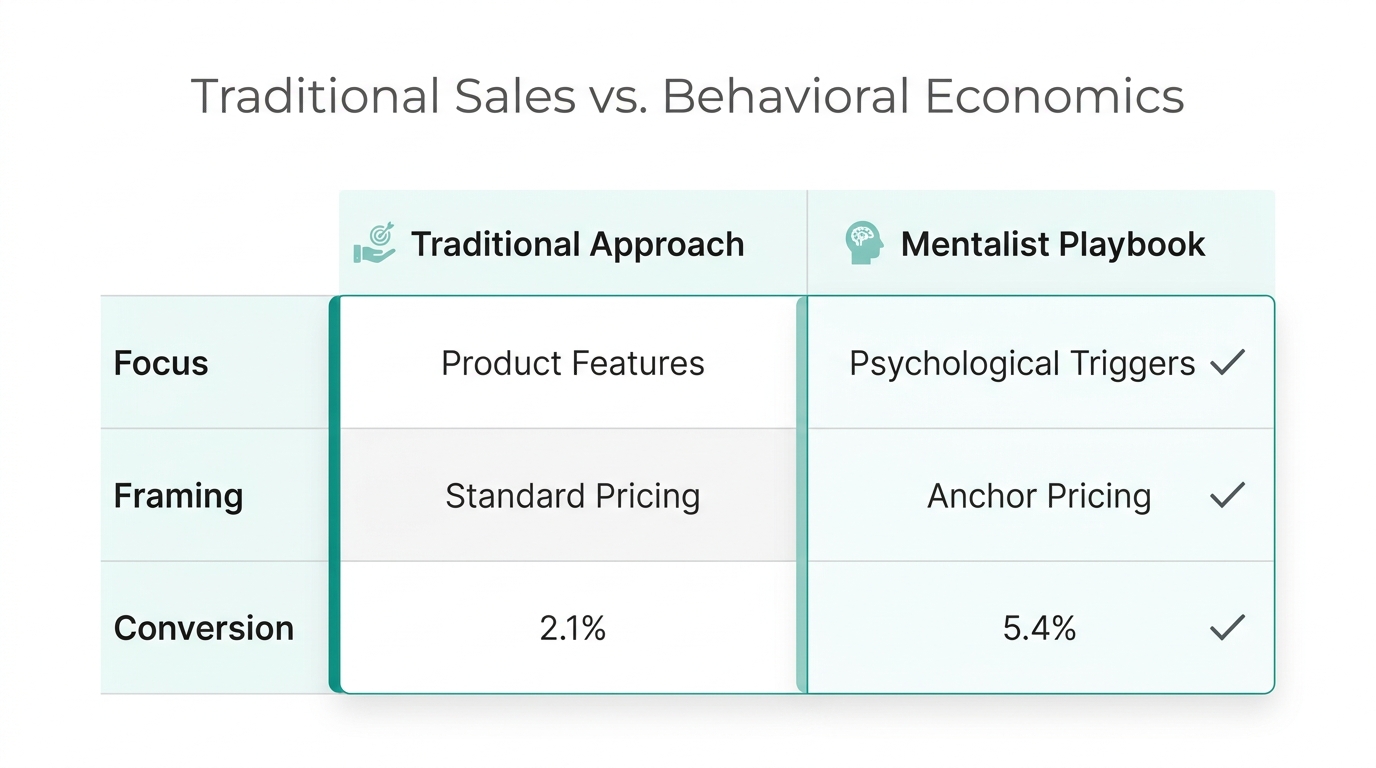
To succeed in high stakes negotiation, you must learn to dissociate from the fear of rejection. Many founders fail because they keep ‘one foot out of the pool’ to protect their feelings. Elite negotiators adopt an alter ego—The Machine. A machine doesn't feel nervous; it simply executes its programming. It doesn't take a ‘No’ personally; it views it as a data point.
This cognitive dissociation allows you to stay in ‘fifth gear’ even when a deal looks like it's crumbling. In 2026, where AI-driven automation via tools like Stormy AI’s AI Agent handles the initial outreach and follow-ups, your role as a human is to be the closer. When the AI has done the work of finding the perfect creators or leads, you step in with the high-level emotional intelligence that no machine can replicate.
The 2026 Negotiation Playbook: Step-by-Step
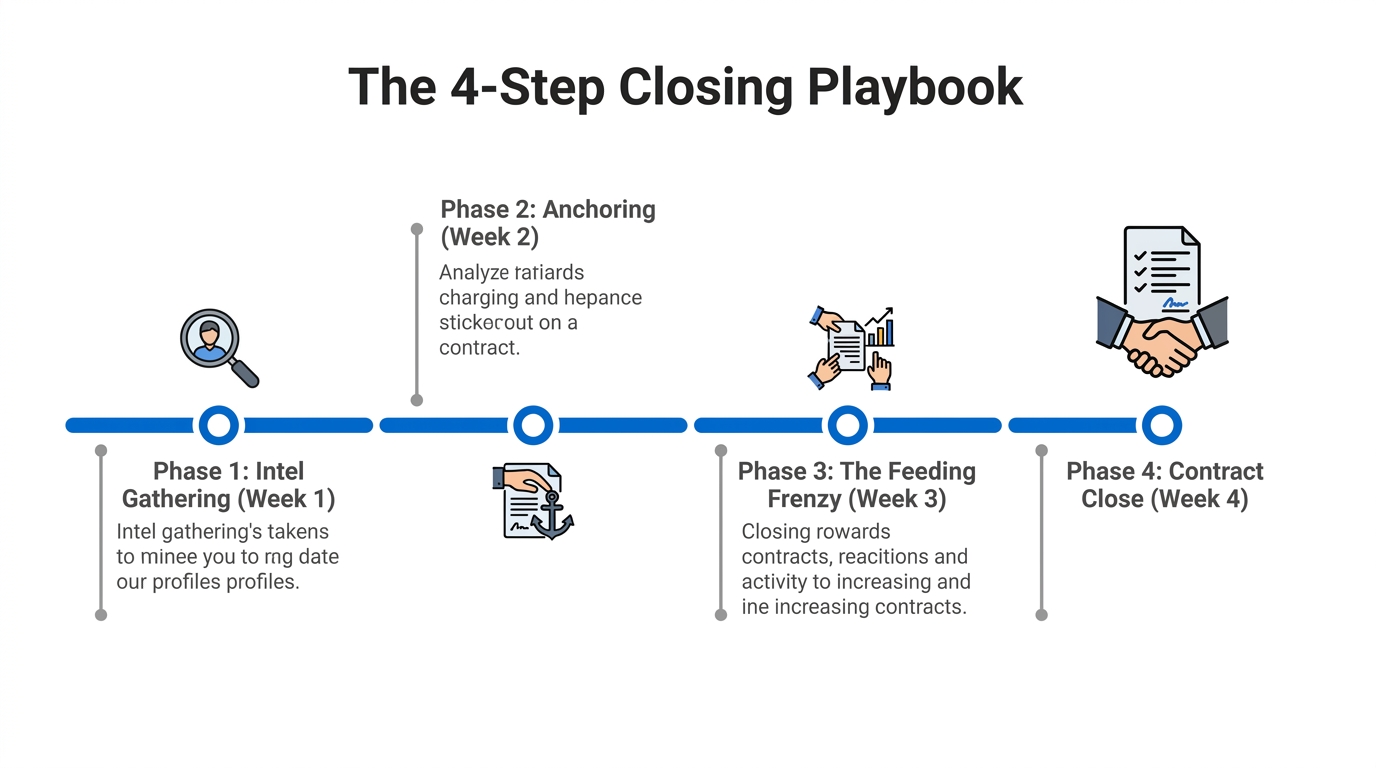
- Step 1: Set the Time Constraint. Never enter a room as if you have all day. Use phrases like, ‘I have to run in a second, but first...’ This creates immediate value and removes the pressure of a long, boring sales pitch.
- Step 2: Create a Deeper Bond. Make the conversation about them. Use the ‘magician of the mind’ approach by referencing their goals, their family, or their legacy. People care about their own story more than your product.
- Step 3: Establish Authority through Misdirection. Show them something they didn't expect. Whether it's a shocking statistic from a side hustle database or a deep dive into their own audience analytics, give them a ‘wow moment’ that proves you know more than they do.
- Step 4: Underprice to Trigger Competition. If you are selling a service, offer a ‘Founder’s Rate’ that is slightly too good to pass up. Watch the feeding frenzy begin as they realize the deal won't last.
- Step 5: Execute the Pivot. If they hesitate, use your ‘multiple outs.’ Move from a hard sell to a collaborative consultation.
Conclusion: Mastery is a Relentless Drive
Negotiation in 2026 is an art form fueled by behavioral economics in sales. It requires a relentless drive to overcome failure and a willingness to reinvent your material constantly. Whether you are using Google Ads to drive leads or leveraging modern influencer marketing platforms, the underlying psychology remains the same: people want to be amazed, they want to feel special, and they want to win.
By mastering the ‘honest con’ and applying the mentalist’s playbook, you aren't just closing deals—you are creating memorable moments that ensure your name is the one they remember long after you leave the room. Focus on the next mile, stay in flow, and remember: the machine doesn't get nervous.