In the traditional world of mergers and acquisitions, deal flow is often a game of who has the thickest Rolodex and the deepest relationship with investment bankers. But for a new generation of entrepreneurs, the script is being flipped. Instead of chasing deals, they are building a media-first business model that attracts opportunities, talent, and capital through a continuous content flywheel. By leveraging a personal brand for entrepreneurs, founders like Michael Girdley are proving that sharing expertise at scale is no longer a vanity project—it is a core operational strategy for the modern holding company.
The Shift from Buying to Incubating in an Expensive Market

For years, the standard holding company (HoldCo) playbook was simple: find a cash-flowing business, buy it at a fair multiple, and optimize it. However, as assets have become increasingly expensive, the math has changed. As Girdley notes, "when assets are expensive, you go create assets." This realization has led many high-output multipreneurs to pivot from pure M&A to an incubation-heavy model. By building businesses from scratch—or "zero to one"—founders can bypass the high multiples currently demanded in the tech and service sectors.
The challenge of incubation is the grueling initial 18 months when traction feels non-existent. This is where a content flywheel becomes a competitive advantage. When a founder has an established audience, they aren't starting at zero. They are starting with a built-in feedback loop and a distribution channel that significantly lowers the cost of customer acquisition (CAC). Whether it is a software aggregator like Dura Software or an educational platform like ScalePath, the ability to validate ideas through a personal audience acts as a massive de-risking mechanism.
The 'Karmic Refilling' Model: Expertise as a Secondary Engine
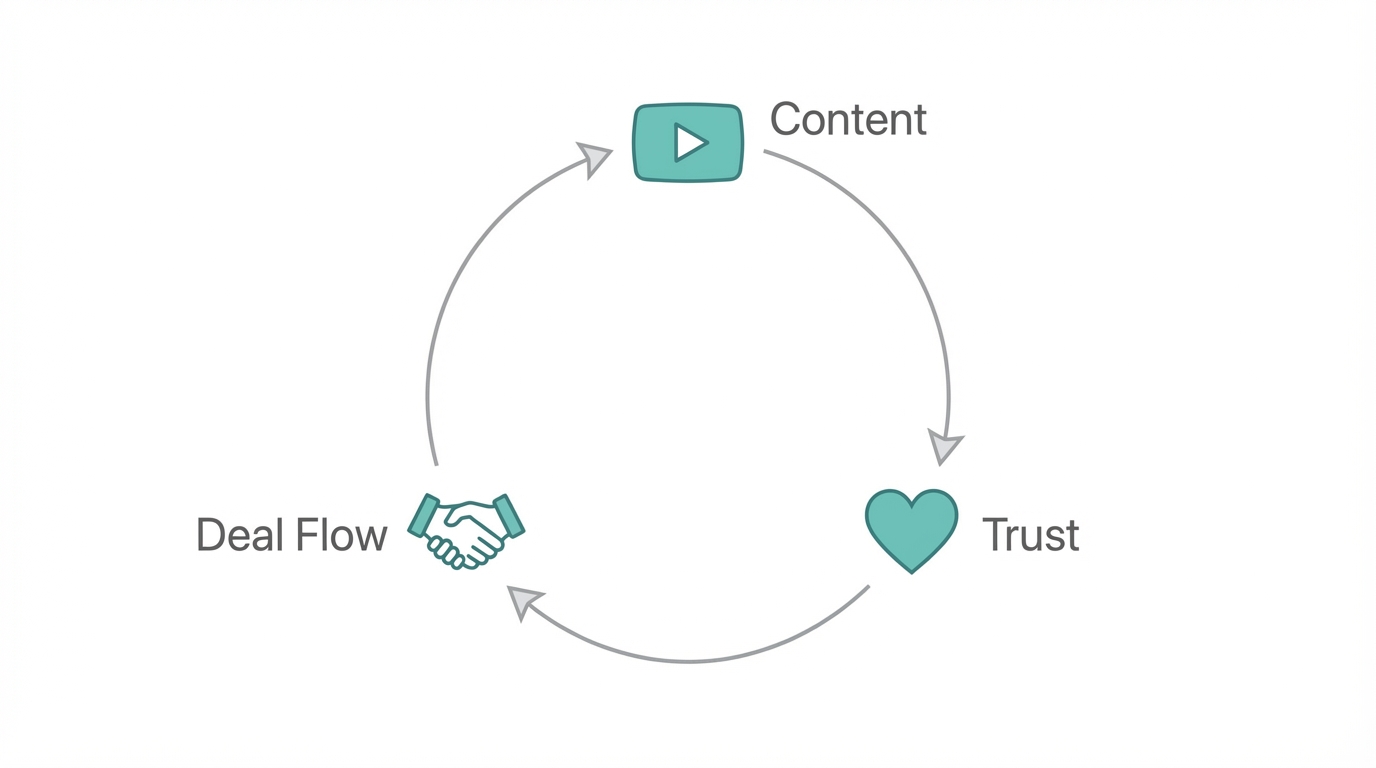
Many founders hesitate to share their "secret sauce" for fear of competition. The media-first approach operates on the opposite principle: Karmic Refilling. This model suggests that by giving away knowledge, recipes, and playbooks for free, you create a vacuum that the universe eventually fills with asymmetric opportunities. It is about social media lead generation that doesn't feel like a pitch, but rather a service.
When you share the nuances of how to buy a business on a podcast like Acquisitions Anonymous, you aren't just teaching; you are building a "level of trust" that can be monetized in dozens of ways. This trust creates a "blue ocean" for experienced entrepreneurs. Most people in their 40s and 50s are "wired to keep their mouth shut," leaving a massive gap for veteran leaders to step in, be vulnerable, and establish themselves as the go-to authority in their niche. This authority is what allows a founder to skip the traditional "front door" of brokers and instead receive "serendipitous" deal flow through a network of followers.
Leveraging Short-Form Video: Shifting from Podcasts to Shorts

The medium of delivery is just as important as the message. While 60-minute podcasts have been the gold standard for deep dives, the "aperture of consumption" is shrinking. The demand for long-form content is becoming limited, leading many multipreneurs to shift their focus toward high-impact social shorts. Short-form video allows for concise, punchy messaging that can be batch-recorded—sometimes dozens in a single day—to maintain a constant presence across TikTok, Instagram, and LinkedIn.
This shift is vital for personal branding for founders. Short-form content acts as the top of the funnel, driving awareness that can eventually be converted into deeper relationships, newsletter signups, or community members. For those looking to build a community-centric business like Everything Marketplaces, these bite-sized insights are the hooks that bring people into the ecosystem. Once inside, they stay for the asynchronous connection and the specific playbooks that solve their immediate business problems.
Building the Media Team: The 'CEO of Content' Structure
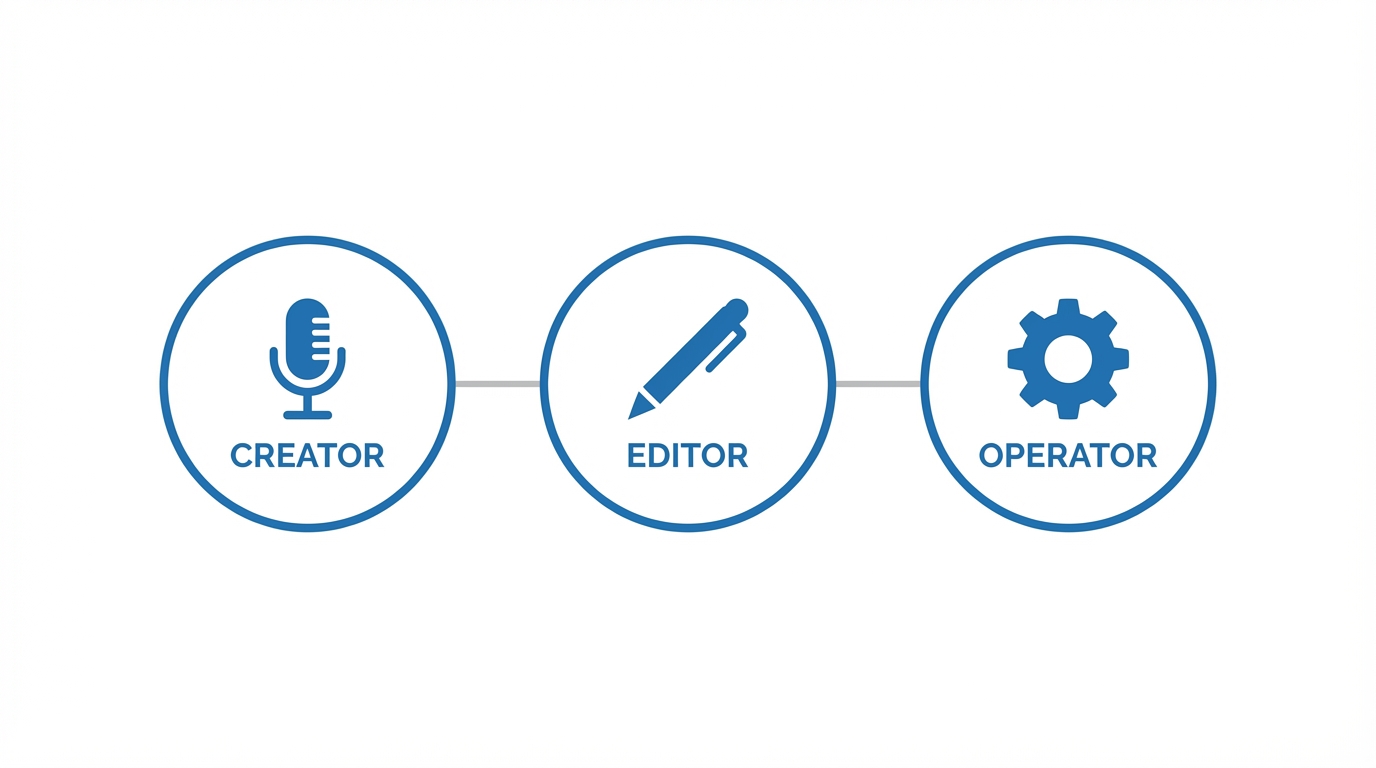
Scaling a personal brand to the point where it fuels a dozen different businesses is impossible to do alone. High-output founders are increasingly adopting a "CEO of Content" structure. In this model, the founder acts as the "talent" or the "professor," focusing solely on teaching and messaging, while a dedicated team handles the production, distribution, and management of the media assets.
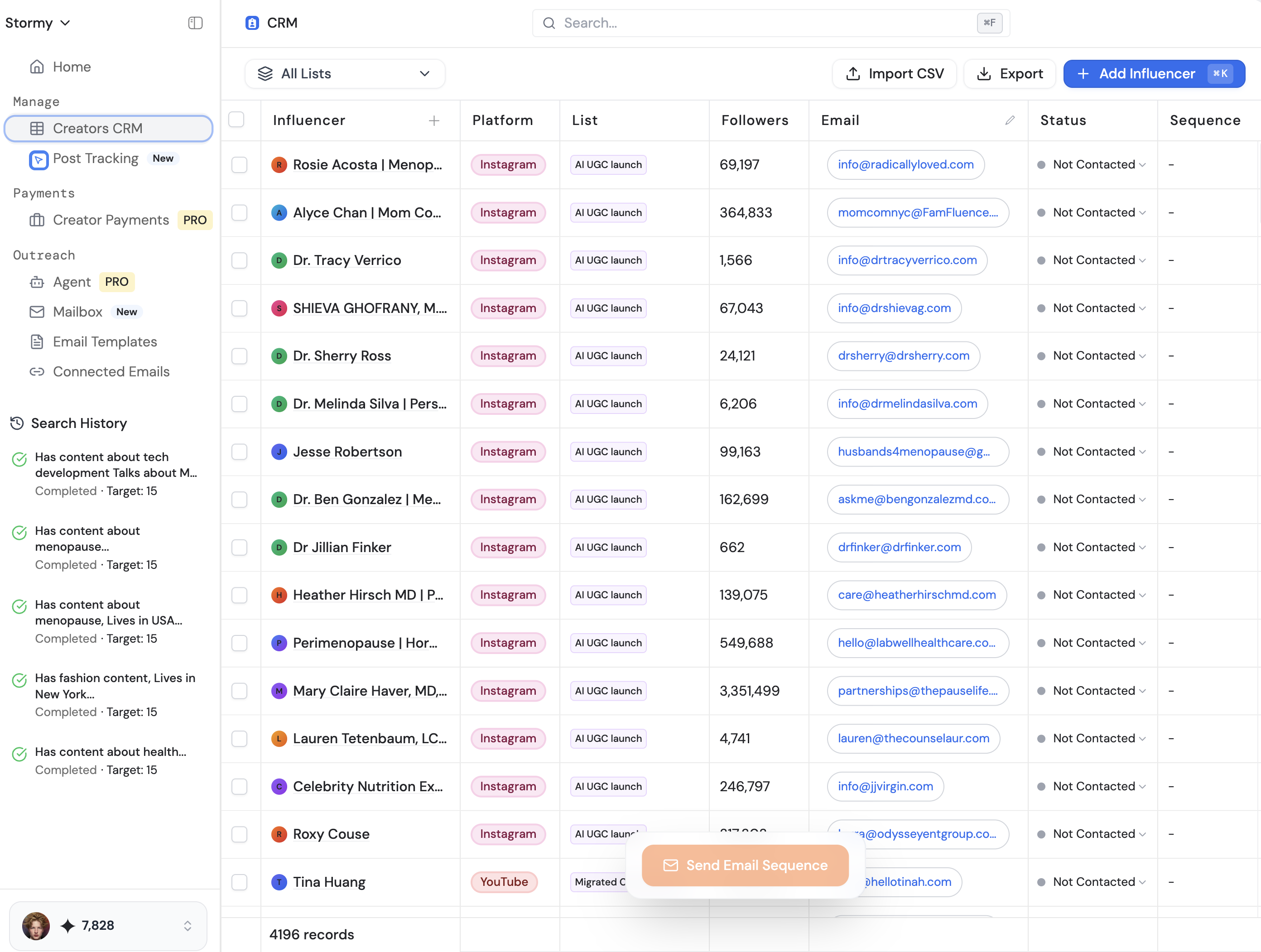
A typical media team for a founder might include a lead strategist, video editors, and social media managers who ensure that content is repurposed across all platforms. This allows the founder to maintain a "10-year vision" for their impact without getting bogged down in the day-to-day weeds of editing. For founders who want to scale their influencer marketing efforts further, using modern tools is essential. Platforms like Stormy AI can help source and manage UGC creators at scale, allowing a HoldCo to produce high volumes of content without the founder needing to be the face of every single video.
Social Media as an Operational Shortcut: Skipping the Middlemen
The most tangible benefit of a media-first strategy is the ability to bypass traditional, expensive intermediaries. In a standard business model, hiring a C-suite executive or finding a high-quality acquisition target requires paying thousands in fees to recruiters and investment bankers. With a content flywheel, the founder can simply tweet a job description or an acquisition thesis and get dozens of qualified leads instantly.
This operational efficiency extends to fundraising as well. When founders like Greg Isenberg discuss their holding company Late Checkout, they attract institutional interest simply by being public about their process. However, this visibility comes with a choice: take the money and potentially build a "prison" of investor expectations, or remain self-funded and build a "castle" of autonomy. A strong personal brand provides the leverage to say no to $30 million deals if they don't align with the "multiple of fun" and the founder's long-term lifestyle goals.
The Impact Metric: Setting a '10-Year Vision'
To succeed in a media-first model, founders must look past vanity metrics like follower counts and instead focus on impact. A powerful metric used by leaders in this space is "annual views." By setting a 10-year goal—such as reaching one billion annual views—founders align their content strategy with a long-term vision of global influence and education. This scale of reach ensures that the business is not just making money, but actively making the world a better place by sharing recipes for success that were previously hidden behind closed doors.
This focus on long-term games is what separates winners from losers. As seen with Reforge in the tech space, the goal is to become the definitive resource for a specific audience. In the small business world, this means creating a repository of artifacts—hiring templates, cash planning sheets, and legal guides—that provide immediate value. When the content is this useful, it becomes a permanent asset that continues to drive social media lead generation for years after it was first published.
The 'Multiple of Fun' and the Multi-Decade Game
At a certain point in an entrepreneur's journey, the marginal utility of an additional dollar begins to diminish. The media-first model allows founders to optimize for the "Multiple of Fun" rather than just EBITDA. This involves playing "easy games" in "good businesses" where the founder serves the business, rather than the business serving as a burden on the owner. This is the lesson often learned from legacy industries, such as the high-complexity fireworks retail business, where the goal is eventually to transition the business to serve the owner's lifestyle.
Founders who win are those willing to do something for decades at a time. While 99% of the world is incapable of investing more than a few hours into a task, those who commit to a 20-year vision of building a media-infused holding company become virtually unstoppable. They aren't just building a company; they are building a legacy of knowledge that fuels an endless cycle of deals and talent.
Playbook: Launching Your Content-to-Deal Flywheel
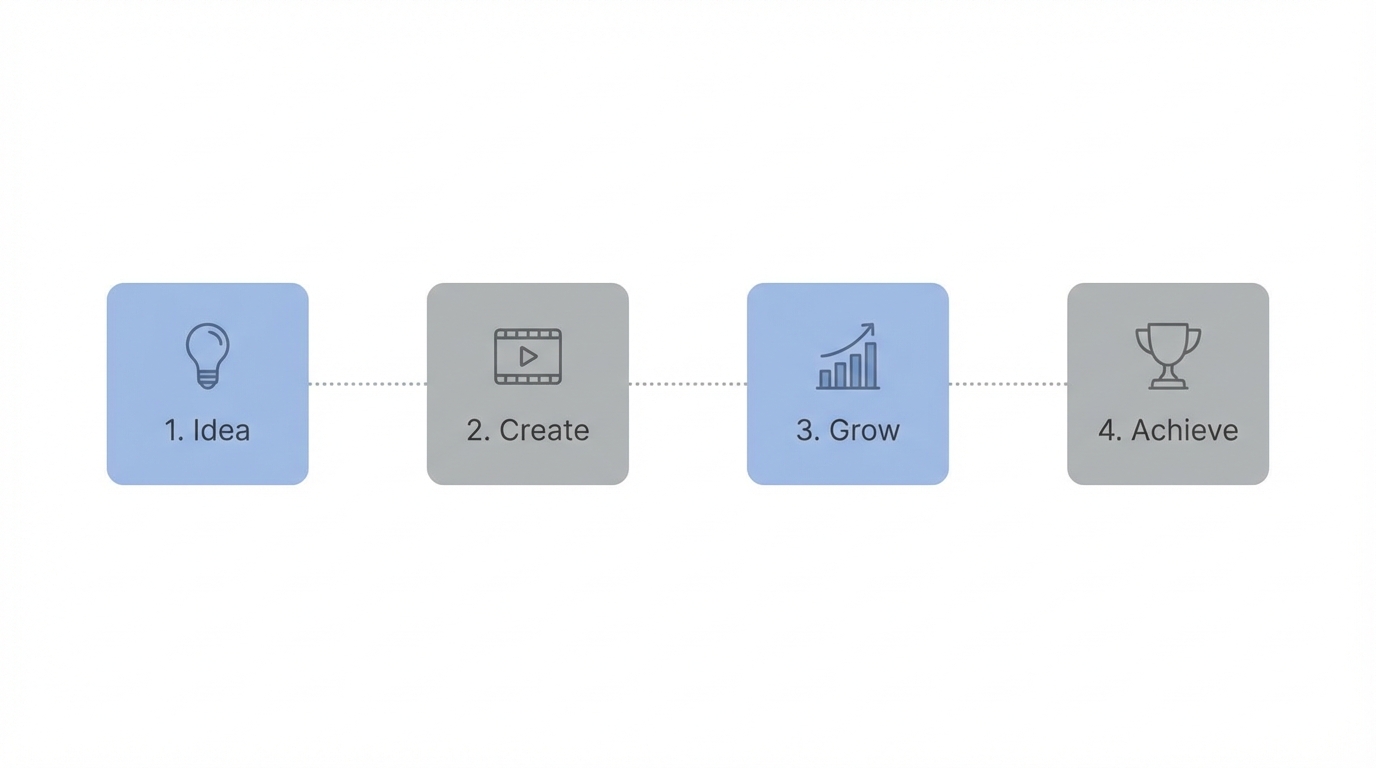
Step 1: Identify Your Core Expertise
Don't try to be everything to everyone. Find the niche where you have a competitive advantage—whether it's niche software, vertical market services, or operational excellence—and start sharing specific, actionable insights about that world.
Step 2: Build Your Minimum Viable Media Team
You cannot edit your way to a billion views. Hire a part-time editor or a virtual assistant to handle the distribution of your content. As you grow, look for a "CEO of Content" who can take over the strategy. To accelerate your outreach to other creators or influencers, Stormy AI's creator CRM and automated outreach tools can help you scale your network without adding hours to your workday.
Step 3: Shift to Short-Form Video
Batch-record your insights into 60-second clips. Focus on high-impact hooks and concise messaging. Use these to drive traffic to your longer-form assets, such as your newsletter or your deal-flow intake form.
Step 4: Focus on Artifacts over Opinions
Give away the templates, the spreadsheets, and the hiring guides. The more "artifacts" you provide, the higher the trust you build. People come for the utility and stay for the community you represent.
Conclusion
Building a media-first business model is the ultimate hedge against expensive asset prices and high recruitment costs. By committing to a content flywheel and a personal brand for entrepreneurs, you create a self-sustaining engine that attracts the best deals and the brightest talent. Remember to play the long game: optimize for impact, focus on the multiple of fun, and turn your expertise into a karmic engine that powers your holding company for decades to come.