The era of manual influencer outreach and "finger-in-the-wind" performance guessing is officially over. As we move toward 2025, the influencer marketing industry is projected to reach a staggering $32.55 billion, representing a massive shift in how brands allocate their digital spend. However, the complexity of managing hundreds of relationships, vetting for authenticity, and tracking cross-platform conversions has outpaced human capacity. Enter Agentic AI—the next frontier in influencer marketing efficiency that is already helping top-tier brands achieve 2.3x higher conversion rates while drastically reducing the overhead that traditionally plagues large-scale campaigns.
The Data-Driven Case for Influencer Marketing ROI
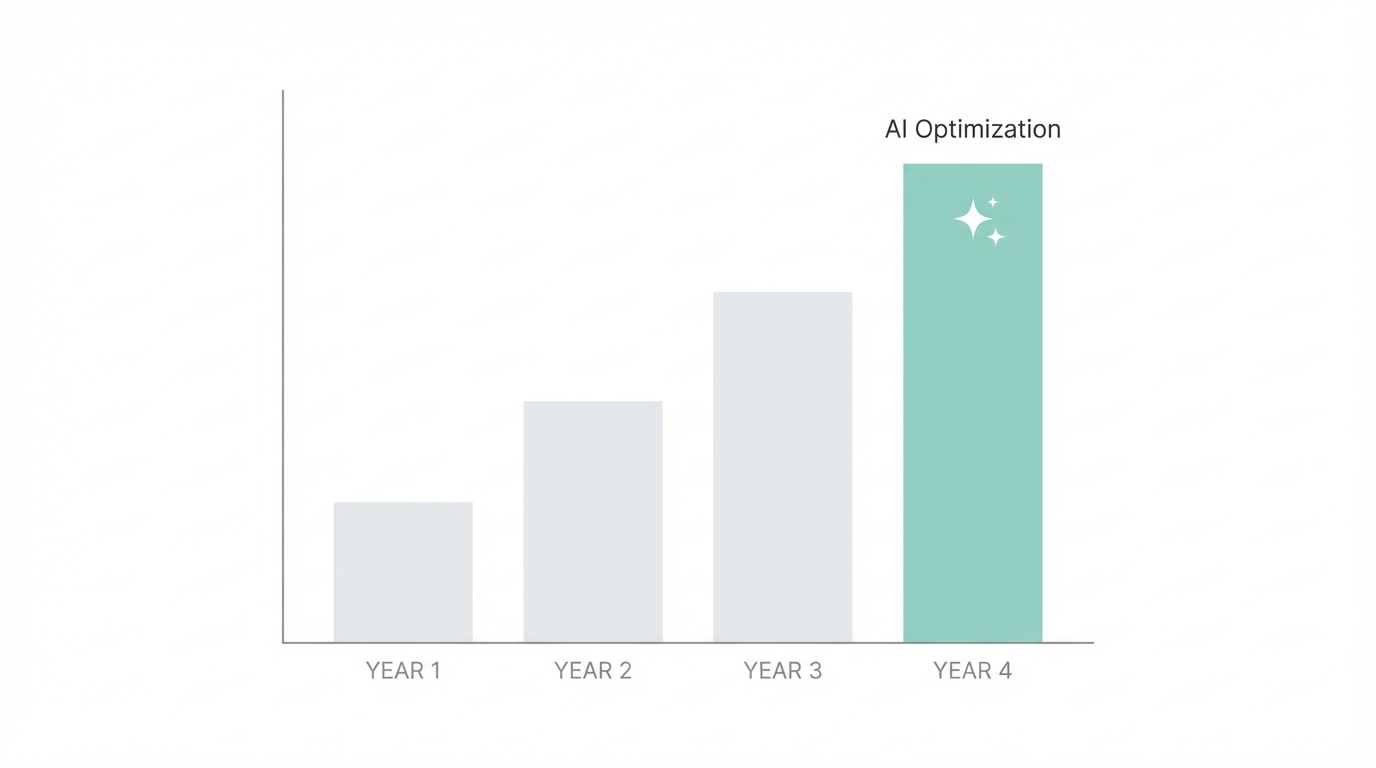
For years, the primary criticism of influencer marketing was the lack of hard data. Today, that narrative has flipped. According to recent influencer marketing statistics from the 2024 Benchmark Report, approximately 60.2% of marketers are already utilizing AI for creator identification and campaign optimization. More impressively, industry reports indicate that a vast majority of brands have integrated AI into their marketing programs in some capacity.
The impact on the bottom line is undeniable. When AI handles the heavy lifting of data analysis, brands see a 2.3x increase in conversion rates. This isn't just because the AI finds "better" influencers; it's because it identifies the right influencers based on deep psychographic data and historical performance patterns that are invisible to the naked eye. By moving away from vanity metrics like follower counts and focusing on engagement quality and audience sentiment, marketers are finally achieving the influencer marketing ROI that was once considered unattainable.
"The transition from manual outreach to autonomous AI agents is the defining shift of the current era, moving us from simple databases to active marketing partners."
Case Study: Dunkin’ and the Power of Hyper-Local Precision
One of the most compelling AI marketing case studies comes from Dunkin’. The challenge was clear: how to drive localized app downloads across thousands of franchise locations without a massive increase in management headcount. Dunkin’ turned to AI-driven local influencer campaigns to solve this problem. By using machine learning to match hyper-local creators with regional promotions, the brand was able to boost app downloads by an incredible 57%.
This success wasn't built on a few mega-celebrities. Instead, it relied on thousands of localized ad variations featuring micro-influencers who held genuine sway in their specific neighborhoods. This "hyper-personalization" is only possible through generative AI and automated workflows. Tools that analyze creative assets, similar to those used by Unilever in their "U-Studio," have shown that this level of automation can lead to a 30% reduction in content costs and 50% faster campaign turnaround.
Efficiency: Slashing Costs and Manual Labor
The financial burden of influencer marketing often lies in the "hidden" costs: the hours spent emailing back and forth, the fees paid to creators without data-backed negotiation, and the time spent tracking down assets. Modern automation is solving this through influencer marketing cost reduction strategies that target these specific friction points.
Consider the negotiation phase. Research into AI-assisted negotiation has demonstrated the ability to reduce procurement fees by up to 43%. These agents use data-backed, multi-round automated bidding to reach a fair market price based on real performance metrics rather than arbitrary rate cards. This ensures that every dollar of the budget is optimized for marketing automation efficiency.
For brands looking to source and manage these creators at scale, platforms like Stormy AI provide the infrastructure to handle discovery, vetting, and outreach within a single, unified workflow. By automating the deep vetting process—scanning the last 100 posts for brand safety risks and "vanity metric" inflation—brands can ensure they only partner with creators who deliver genuine value.
The GoPro Effect: Scaling UGC at Zero Marginal Headcount
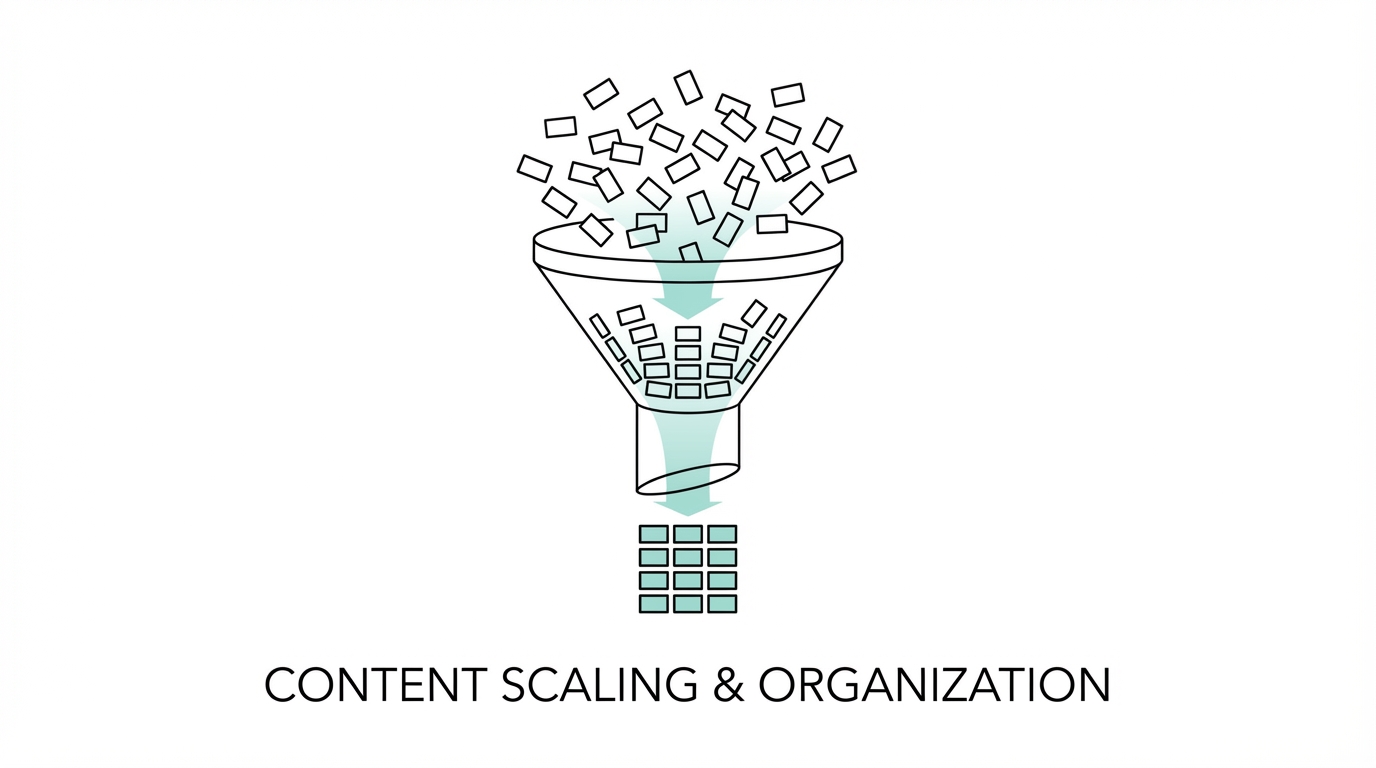
GoPro has long been a leader in user-generated content (UGC), but managing the sheer volume of community submissions was a logistical nightmare. To solve this, they implemented AI to automate the curation and tagging of over 43,000+ UGC entries through programs like the GoPro Awards. This allowed them to scale their community content engine without hiring a single additional team member.
This automated curation doesn't just save time; it improves content quality. AI can instantly identify which videos have the highest engagement potential based on visual cues, lighting, and composition. For brands in the mobile app space, this level of UGC efficiency is a game-changer for app install campaigns. By sourcing authentic content through AI-powered discovery and then using automated post-tracking to see what resonates, developers can achieve a much higher ASO (App Store Optimization) impact through social proof.
"The most successful brands will focus on 'Algorithmic Trust,' ensuring their products appear in the web of reviews that AI search engines crawl." — Mark Schaefer
Real-Time Attribution: The Social-to-Amazon Bridge
One of the final hurdles in influencer marketing ROI has been attribution, especially for cross-platform sales. How do you know if a TikTok video led to a purchase on Amazon? AI-powered link management and attribution tools, such as Logie AI, are now providing real-time tracking for these complex journeys.
By integrating social listening nodes and performance triggers, brands can now:
- Track conversions from a specific creator post directly to a checkout event.
- Trigger automated "performance bonuses" the moment an influencer’s post hits a specific engagement threshold.
- Adjust campaign spend in real-time based on which platforms (TikTok, Instagram, or YouTube) are driving the lowest Cost Per Acquisition (CPA).
The AI Marketing Playbook: A Strategic Roadmap
Transitioning to an AI-first influencer strategy requires a "pipeline" mentality. Follow these steps to maximize your marketing automation efficiency:
Step 1: Agentic Discovery
Stop using simple keyword searches. Instead, use natural language discovery to describe your ideal customer to an AI agent. For instance, you might search for "creators in Austin who appeal to high-income pet owners interested in organic health." This identifies creators with specific audience psychographics that traditional filters miss.

Step 2: Automated Deep Vetting
Don't just look at follower counts. Use AI to generate an Authenticity Score. This process should scan for spam accounts and engagement fraud automatically, protecting your brand from wasting budget on bots.
Step 3: Autonomous Outreach
Set your Target CPM or Max Fee parameters and let an AI agent handle the initial 5–10 back-and-forth emails. This includes contract drafting and fee negotiation. This outreach automation is where the bulk of the 60-70% time savings is realized.
Step 4: Real-Time Optimization
Use tools like Stormy AI to monitor campaign performance across all platforms in a centralized dashboard. If a specific video starts to trend, you can instantly boost it with paid spend or reach out to the creator for more content while the iron is hot.
Conclusion: The Future of Scalable Influence
The evidence is clear: AI is no longer a luxury in influencer marketing; it is a necessity for survival. Brands like Dunkin', GoPro, and Unilever have proven that by embracing influencer marketing ROI through data and automation, it is possible to scale content volume by 30% while simultaneously reducing operational costs. As we move toward a future of "Algorithmic Trust," the brands that win will be those that use AI to build authentic, data-backed relationships with creators and their audiences at scale. The roadmap is ready—it's time to automate.