How many times have you scrolled past a viral trend, only to see someone else capitalize on it a week later while you think, "I should have made that"? The reality is that riding a viral wave is one of the most difficult feats in marketing. Most attempts feel forced, late, or out of touch. Yet, a select group of growth marketers has cracked the code, turning fleeting cultural memes into massive, profitable enterprises. Raphael Kramer, a distribution mastermind who has launched over 50 apps, provides the blueprint for this. By the age of 14, he turned a single meme into a mobile game that generated over $100,000 in profit in just 30 days. This isn't about luck; it's about developing a "Viral Trend Sense"—a repeatable skill for identifying, building, and distributing interactive experiences before a trend reaches its saturation point.
Defining Viral Trend Sense: More Than Just Scrolling
At Stormy AI, we often see marketers confuse consumption with insight. Realizing that a video is popular is easy; understanding *why* it is popular and *how* to extend its life cycle is the core of Viral Trend Sense. It is the ability to spot a cultural spark before it becomes a wildfire and immediately identifying the product-market fit for that specific moment. It’s a shift from being a spectator to being a builder who views every meme as a potential distribution engine.
Raphael Kramer’s strategy was deceptively simple but executed with clinical precision: find a meme early, build a simple interactive layer around it, and launch it to capture the attention of millions. For instance, when a meme involving rapper DaBaby’s head being turned into a car began to circulate on TikTok, Kramer didn't just laugh and scroll. He stayed up all night, built a game around the concept using no-code tools, and promoted it to his existing audience. The result? Two million downloads in a single month. This sense is about recognizing that memes have a shelf life and that the highest returns go to those who can bridge the gap between a static image and an interactive experience within 24 to 48 hours.
The 3D Trend Concept: Moving Beyond Passive Consumption

One of the most profound insights from Kramer’s playbook is the distinction between 2D and 3D trends. A 2D trend is what we usually think of as social media content: you see it, you laugh, and you scroll. It is passive. A 3D trend, however, is interactive. It allows the audience to step inside the meme and participate in it. By building a game or an app based on a meme, you are transforming a fleeting visual into a tangible experience.
"A trend is kind of like 2D, right? You see it, you laugh, you scroll. But if you can actually interact with it... if you can actually be the character in a game... that’s much more funny and people will automatically share that itself." — Raphael KramerWhen you turn a meme into a "3D" experience, you tap into the K-factor—the viral coefficient of your product. People don't just play the game; they show it to their friends on their lunch break to show off a high score. They post their own screen recordings on TikTok, which creates a secondary wave of content that you didn't have to pay for. This interaction extends the life of the trend and allows you to monetize attention that would otherwise have vanished the moment the user swiped to the next video.
Doom Scrolling with Intent: The Validation Framework
To master this sense, you must change your relationship with social media. Most people "doom scroll" to kill time; marketers must "doom scroll with intent." This means looking beyond the video itself and diving deep into the community sentiment found in the comments section. Comments are the ultimate indicator of how strong a problem is or how deeply a meme has resonated.
Monitoring the 'How' Factor
A key validation technique is looking for users asking "How?" or for specific solutions. For example, in the "looksmaxxing" and wellness niches, transformation videos often go viral. By looking at the comments, Kramer and his team noticed hundreds of people asking how to achieve a "debloated" face. This wasn't just a trend; it was a validated product demand. They didn't need to guess if people wanted a debloating app; the audience was literally begging for a solution in the comments of generic videos. This led to the creation of DBLI, an app that leveraged this specific insecurity and transformation trend to drive 40,000 downloads with minimal effort.
Identifying the 'Inside Joke'
Another signal is the presence of an "inside joke." In the world of influencer marketing, the strongest communities are built around specific, often absurd, recurring themes. Whether it’s the "Skibidi Toilet" saga or a joke about a creator’s physical features, these inside jokes create a universe that fans are desperate to interact with. Identifying these early allows you to approach creators with a product that feels like an extension of their brand rather than a cold advertisement.
Speed as the Ultimate Competitive Advantage
In the world of viral distribution, perfection is the enemy of profit. By the time a traditional development cycle (3–6 months) is complete, the cultural moment has likely passed. This is why speed is the only metric that truly matters in trend-based marketing. Kramer’s first major successes weren't built with complex code; they were built with no-code tools like Buildbox.
- Build Fast: Use no-code or low-code builders to get a Minimum Viable Product (MVP) out in days, not weeks.
- Launch Early: Don't worry about long-term retention initially. Focus on capturing the initial surge of traffic.
- Scale Later: Once the revenue starts flowing—driven by simple ads like Google AdMob—you can hire professional developers to rebuild the app in Unity or a native language.
The goal is to be first to the App Store for a specific keyword or meme. If you can occupy the top chart positions while the trend is peaking, the organic discovery becomes a self-sustaining engine. For the DaBaby game, hitting #1 in the racing category drove more downloads than the original TikTok videos ever could have alone.
The Distribution Engine: Influencer Equity and Partnerships
Once you have identified a trend and built a simple product, the next step is massive distribution. While paid ads are effective, influencer partnerships offer a unique advantage: they provide instant credibility and a built-in audience. However, the traditional "pay-per-post" model is often inefficient for trend-riding. Instead, the most successful marketers use an equity-split model.
The 50/50 Split
By offering an influencer 50% ownership of a game or app based on their brand, you align incentives perfectly. The influencer no longer sees the promotion as a chore; they see it as their own business. They are motivated to make 10 videos instead of one, and they will use their intuitive knowledge of their audience to make the content as viral as possible. Kramer’s collaboration with the creator of "Skibidi Toilet" is a prime example. A single YouTube Shorts promotion led to over 50 million views and millions of downloads because the creator was fully invested in the project’s success.
Finding the Right Fit
Not every influencer with a high follower count is a good partner. You must look for an active community. A million followers who only leave "flame" emojis are less valuable than 100,000 followers who engage in active dialogue and participate in inside jokes. The audience must be "primeable" for an interactive experience. If the creator already builds a "universe" in their videos, their audience is already conditioned to want to enter that world through an app or game.
Monetizing the Moment: Keeping it Simple
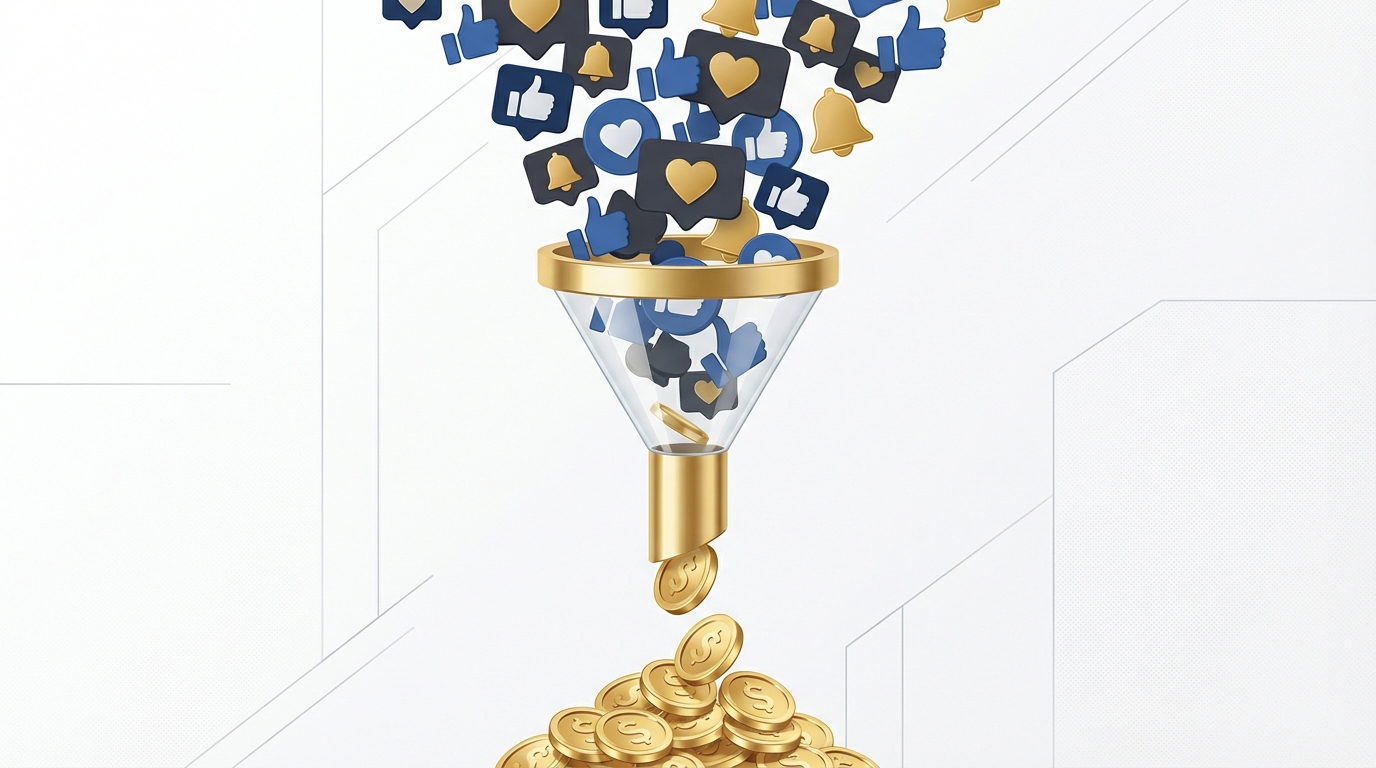
When you are riding a viral wave, your monetization strategy should be as low-friction as possible. Complex in-app purchases or subscription models can often kill the momentum of a gimmicky viral app. For many of Kramer’s early successes, the monetization was entirely ad-based.
By using Google AdMob to show an ad every few times a user "dies" in a game, or offering a 30-second rewarded video to "revive" the player, you can generate significant revenue from a high volume of low-retention users. While the average revenue per user (ARPU) might only be $0.10, when you have 2 million downloads, that equates to a $200,000 month. As you move into more serious consumer apps—like wellness or therapy tools—you can then transition to more sophisticated subscription models, but for trend-riding, simplicity wins.
Scaling Beyond the Gimmick: The Future of Trend-Driven Apps
While making games about memes is a lucrative starting point, the ultimate goal for any serious marketer is to apply these distribution lessons to high-value categories. The "Viral Trend Sense" you develop by chasing memes is the same skill needed to launch a mental health app or a productivity tool. The difference is the longevity of the product.
Raphael Kramer is currently transitioning from "gimmicky" games to a "big swing" in the mental health and wellness space. He is taking the marketing muscle developed from 50+ viral launches and applying it to a product with high retention and real-world value. The lesson for us all is that distribution is a skill that can be decoupled from the product. Once you know how to capture attention and move it through a funnel, you can apply that power to any niche.
Conclusion: Your Action Plan for Virality
Mastering your Viral Trend Sense requires a blend of intuition, speed, and strategic distribution. You don't need a massive budget or a team of engineers to start. You need to start looking at social media through a builder's lens. To recap the playbook:
- Identify: Doom scroll with intent. Look for the "How?" and the inside jokes in the comments.
- Build: Use no-code tools to create a 3D interactive version of a 2D trend within 48 hours.
- Partner: Align with influencers using equity splits to turn them into co-owners who are incentivized to drive millions of views.
- Iterate: Don't get attached to a single product. Launch often, fail fast, and double down on the outliers.