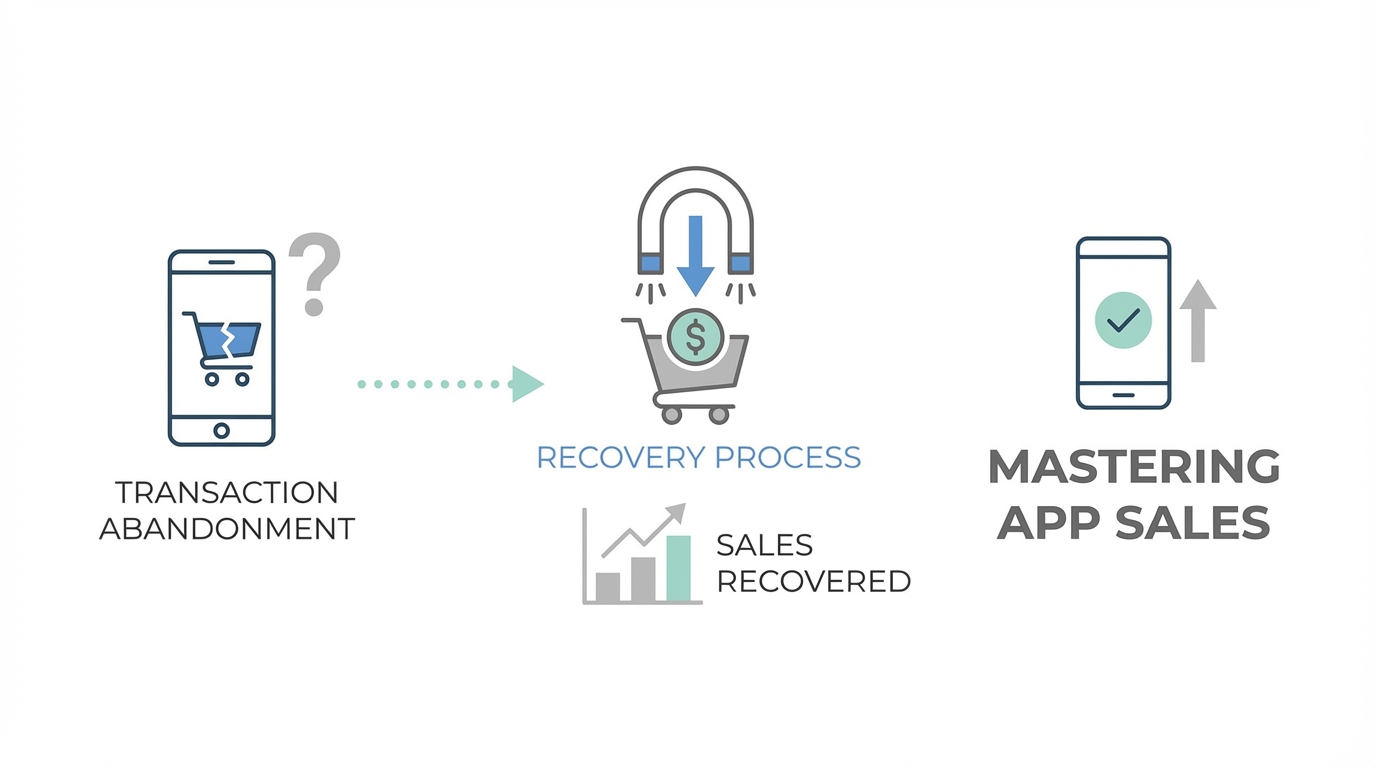
You have spent thousands on user acquisition, perfected your App Store listing, and built a flawless onboarding flow. The user reaches the paywall, clicks the "Subscribe" button, and the Apple or Google confirmation sheet slides up. This is it—the highest-intent moment in the entire user journey. But then, they hit "Cancel." In an instant, that high-intent user vanishes, leaving you with nothing but a server log of what could have been. This phenomenon, known as transaction abandonment, is the single biggest leak in the mobile app revenue funnel. If you aren't actively fighting to recover lost app revenue at this specific junction, you are likely leaving 20% to 40% of your potential earnings on the table.
The Gravity of Transaction Abandonment: Your Highest-Intent Moment
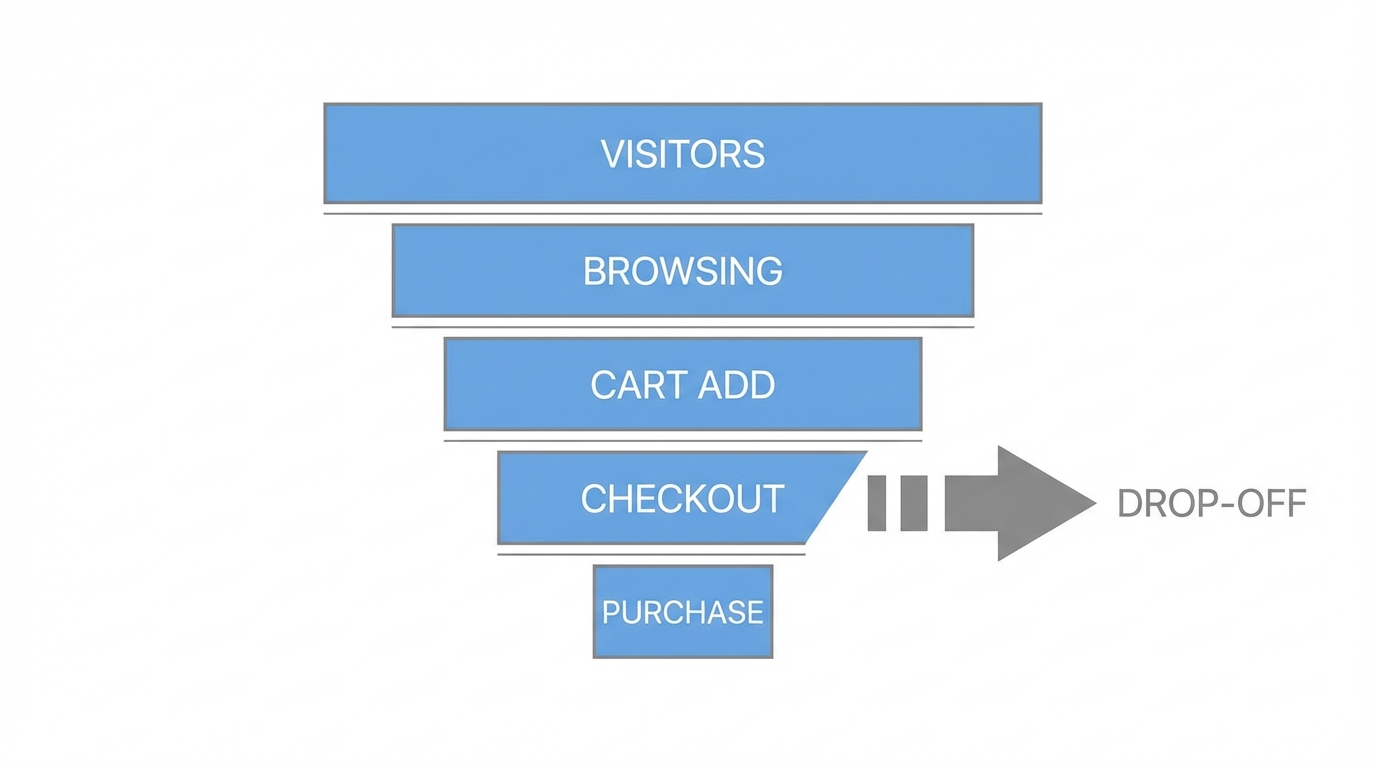
Transaction abandonment occurs when a user triggers the purchase flow but fails to complete the final system-level confirmation. According to industry experts like Vah Bagdasarian, who has overseen over 10,000 experiments via platforms like Superwall, this moment is psychologically unique. Unlike a user who simply glances at a paywall and swipes away, the abandoner has already signaled a willingness to pay. They are at the finish line, but "purchase anxiety" or friction causes them to trip.
For most developers, a transaction abandonment app strategy consists of... nothing. They assume the user changed their mind and move on. However, data suggests that a well-timed intervention can yield a 10% to 15% recovery rate almost immediately. To benchmark your current performance, you should look at your install-to-paid rate. While a 1% rate is common for struggling apps, healthy apps typically aim for 4% to 10%. If you are sitting below that 4% mark, focusing on the final conversion step is your fastest path to growth without spending an extra dollar on Meta Ads Manager or other acquisition channels.
The Multi-Step Paywall Strategy: Reducing Trial Anxiety

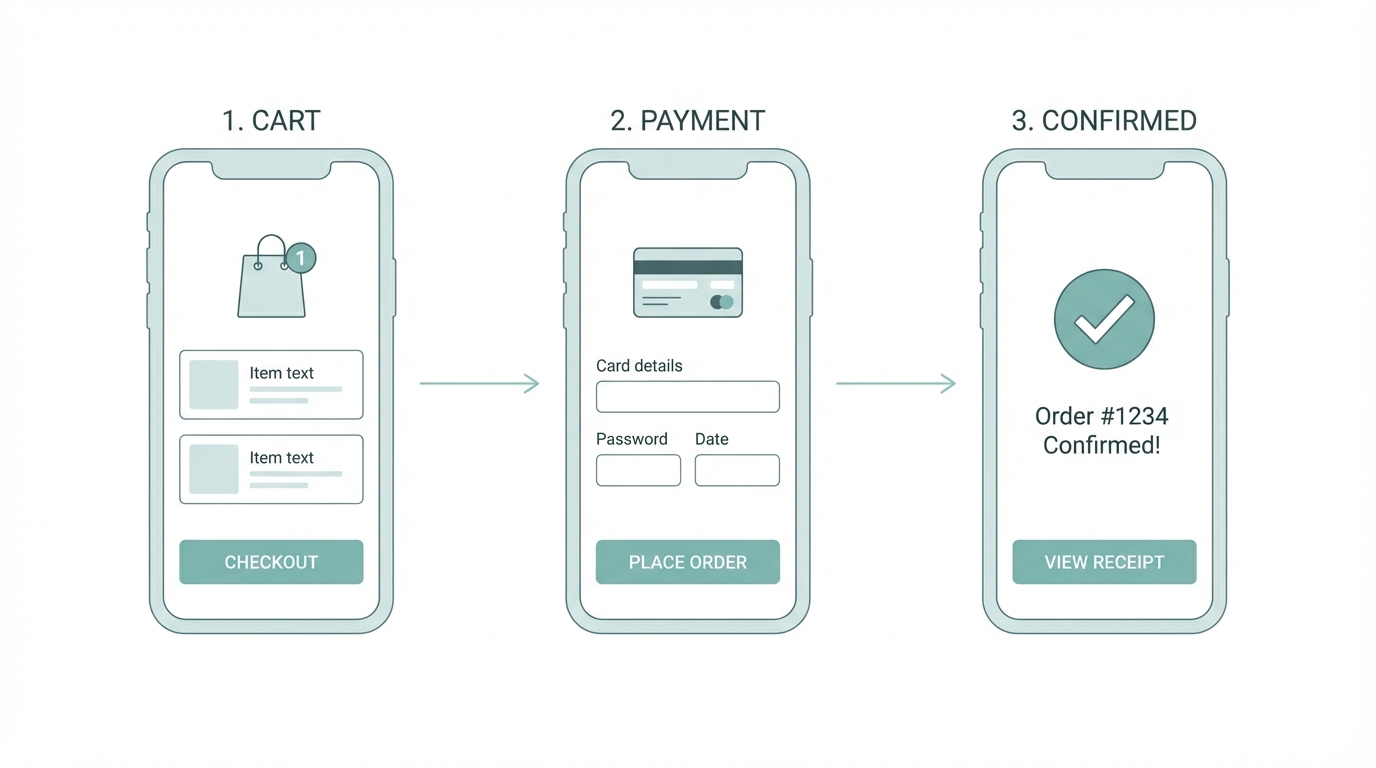
One of the most effective mobile app retention tactics is moving away from the "one-and-done" paywall screen. In many cases, users abandon because the commitment feels too sudden. Leading apps like Claim and Quitter have seen massive success by implementing multi-step paywalls. These are sequences of 3 to 5 screens that educate the user before the price is even mentioned.
The goal is to remove "trial anxiety." This is the fear that they will forget to cancel and be charged for a product they don't want. A high-converting multi-step paywall usually includes:
- The Risk-Free Guarantee: Visually explaining the timeline. Show exactly when the trial starts, when the reminder notification will be sent (usually 2 days before), and when the first charge occurs.
- The "Free" Framing: Mentioning the word "free" 5 to 7 times throughout the screens. As Bagdasarian notes, just saying "Start Free Trial" on the button is not enough. You must hammer home that there is nothing to lose.
- Social Proof Integration: Placing real App Store reviews directly before the purchase options to build trust at the moment of highest friction. By using Stormy AI to vet the quality and audience demographics of the creators you partner with for these reviews, you ensure the social proof resonates perfectly with your target users.
By using tools like Paywall Experiments, founders have found that simply removing the time constraint (e.g., saying "Try it Free" instead of "3-Day Free Trial") can prevent users from doing the mental math of when they need to cancel, leading to a 20% to 40% uplift in conversions.
The 'Trial Toggle' Strategy: Giving Users Agency
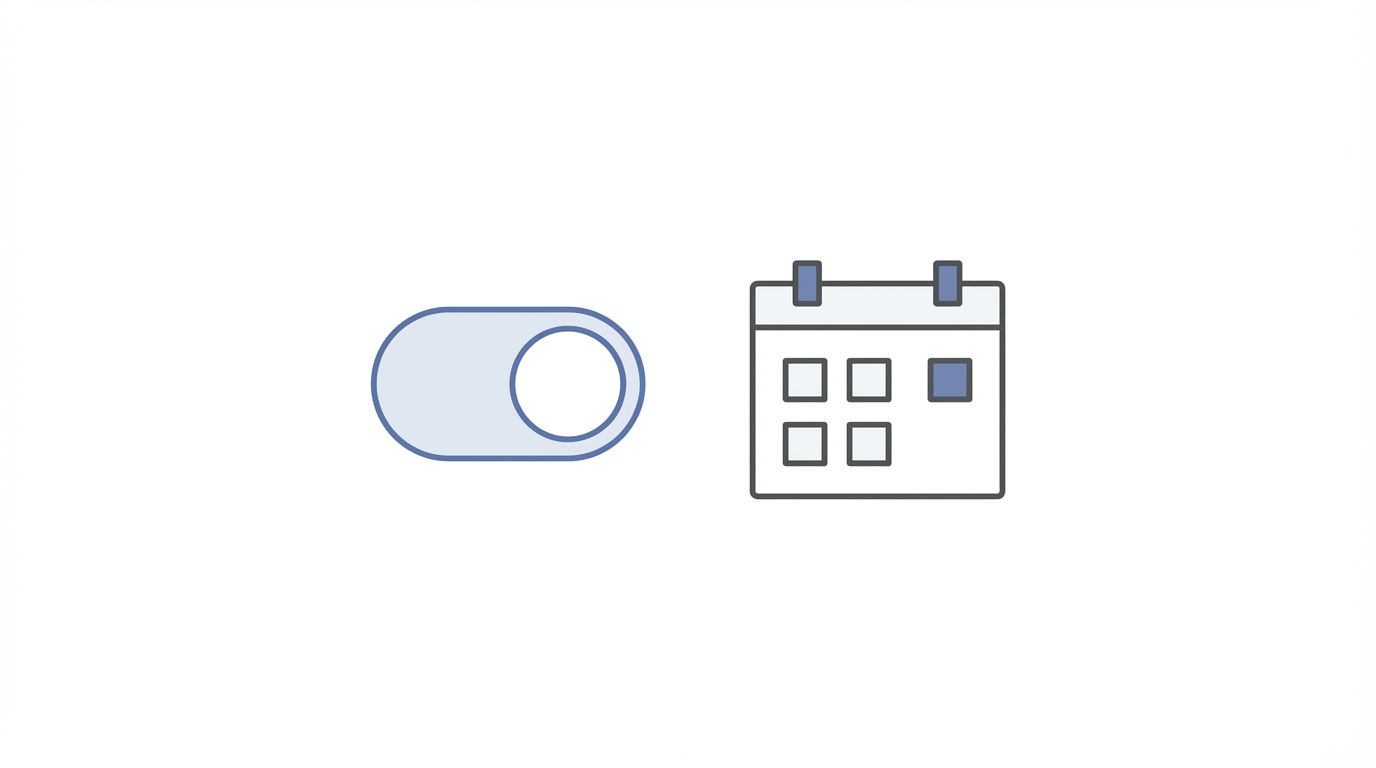
A revolutionary app discount strategy is the implementation of the "Trial Toggle." Instead of forcing every user into a free trial, you offer them a choice. This is particularly effective on transaction abandonment screens. When a user cancels the initial purchase, you can immediately present a second paywall with a toggle that lets them choose between:
- Option A: A standard price (e.g., $9.99/week) with a 7-day free trial.
- Option B: A discounted price (e.g., $6.99/week) with no free trial.
This works because it targets two different psychological profiles. Some users are risk-averse and want the trial. Others are value-driven and would rather pay less upfront if it means a better long-term deal. Platforms like Stormy AI, which is an AI-powered platform for creator discovery, especially for mobile app marketing and UGC campaigns, can help you identify UGC creators who can create specific video content explaining these options, making the "discounted direct purchase" feel like an exclusive insider deal.
Interestingly, data from apps like Cal AI and Riz shows that roughly 10% of users will opt for the direct purchase without a trial if the discount is enticing enough (typically a 30-50% price difference). This provides immediate cash flow and eliminates the risk of trial-to-paid drop-off, which typically hovers around 30% for healthy apps.
Gamification: The 'Spin the Wheel' Strategy
E-commerce giants like Temu and Shein have mastered the art of the "earned discount," and mobile apps are finally catching up. When a user abandons a transaction, showing a generic "20% Off" banner feels desperate. However, showing a "Spin the Wheel" animation changes the dynamic. When the user "wins" an 80% discount, the psychological ownership shifts. They didn't just receive a discount; they earned it. Now, they feel a sense of loss if they don't "claim" their prize.
This gamified approach to paywall placements can result in double-digit increases in recovery rates. It’s a powerful tool for utility apps where the intent might not be as visceral as a health or fitness app. By making the transaction feel like a game, you bypass the defensive "I don't want to spend money" barrier.
Advanced Placement Triggers: Beyond the Onboarding
If you only show your paywall after onboarding, you are missing 60% of your potential revenue opportunities. To truly recover lost app revenue, you must implement action-based paywalls and session-start triggers. Smart developers use these high-leverage placements:
- Session Starts: If a non-subscriber opens the app, they should see a paywall or a special offer at least once a day. Their intent may have changed since they first installed the app.
- After a Successful Action: For a scanning app, show the paywall after the third successful scan. The user has just experienced the core value of your product; their willingness to pay is at its peak.
- The "Out of Credits" Moment: If you use a freemium model, remind users they are running low on credits before they hit zero, offering a "top-up" discount that triggers upon transaction abandonment.
Scaling these action-based paywalls requires high-quality traffic; Stormy AI can automate your creator outreach to ensure you are always finding new high-intent audiences. When running app install campaigns through Apple Search Ads or Google Ads, these secondary placements ensure that your cost-per-acquisition (CPA) is balanced by multiple monetization opportunities throughout the user lifecycle.
The Psychology of 'Authentic' Pricing
Standard pricing like $4.99 or $9.99 is so common that consumers have developed a natural defensibility against it. A growing trend among top-grossing apps is the use of "authentic" or "random" numbers. For example, the app Quitter uses $3.33 per month (billed annually). While $3.33 is just $39.96 a year, it feels more like a real, calculated number than a marketing gimmick. This small shift in app discount strategy can make your offering feel more like a utility and less like a sales pitch.
Additionally, using price anchoring is essential. Displaying the monthly cost of an annual plan (e.g., "$4.15/mo") next to a standalone monthly plan (e.g., "$12.99/mo") makes the annual option look like an undeniable bargain. You can further incentivize this on abandonment screens by adding "Limited Spots Remaining" or "Sale Ends in 09:59" to create a sense of urgency, a tactic borrowed directly from high-conversion e-commerce funnels. Engaging with communities like the Consumer Club can provide further insights into which specific price points are currently trending in your niche.
The Playbook: 5 Steps to Recover Lost Sales
Ready to patch the leaks in your revenue funnel? Follow this step-by-step mobile app retention tactics playbook to master transaction abandonment:
Step 1: Audit Your Placements
Ensure you have paywalls triggered at onboarding, transaction abandonment, session start, and after key feature usage. If you are missing any of these, you are leaving money on the table. You can use Stormy AI for finding UGC creators and influencers who can film "how-to" content that naturally leads into these paywall moments.
Step 2: Implement the Trial Toggle
On your abandonment screen, offer a choice between a 7-day trial at full price and a 30-50% discount for an immediate purchase. This captures the 10% of users who are ready to commit but want a deal.
Step 3: Gamify the Discount
Replace static discount banners with a "Spin the Wheel" or "Mystery Gift" mechanic. Make the user feel like they have won a prize that expires shortly.
Step 4: Refine Your Annual Offer
Never discount your weekly or monthly plans. If a user abandons, offer them an annual discount only. This protects your brand value and ensures a higher Long-Term Value (LTV) per recovered user.
Step 5: Experiment with Multi-Step Flows
Break your single-page paywall into a 3-page story. Focus on removing trial anxiety and building social proof before showing the price. Aim for at least a 15% trial start rate as your baseline for success.
Conclusion
Recovering lost app revenue isn't about finding more users; it’s about respecting the users you already have by giving them better options when they hesitate. Transaction abandonment is a signal of interest, not a final "no." By implementing a transaction abandonment app strategy that utilizes multi-step flows, trial toggles, and gamified discounts, you can turn a "Cancel" click into a long-term subscriber. Start by building a solid foundation of placements, then use tools like Superwall to test and iterate until your revenue machine is running at peak efficiency.