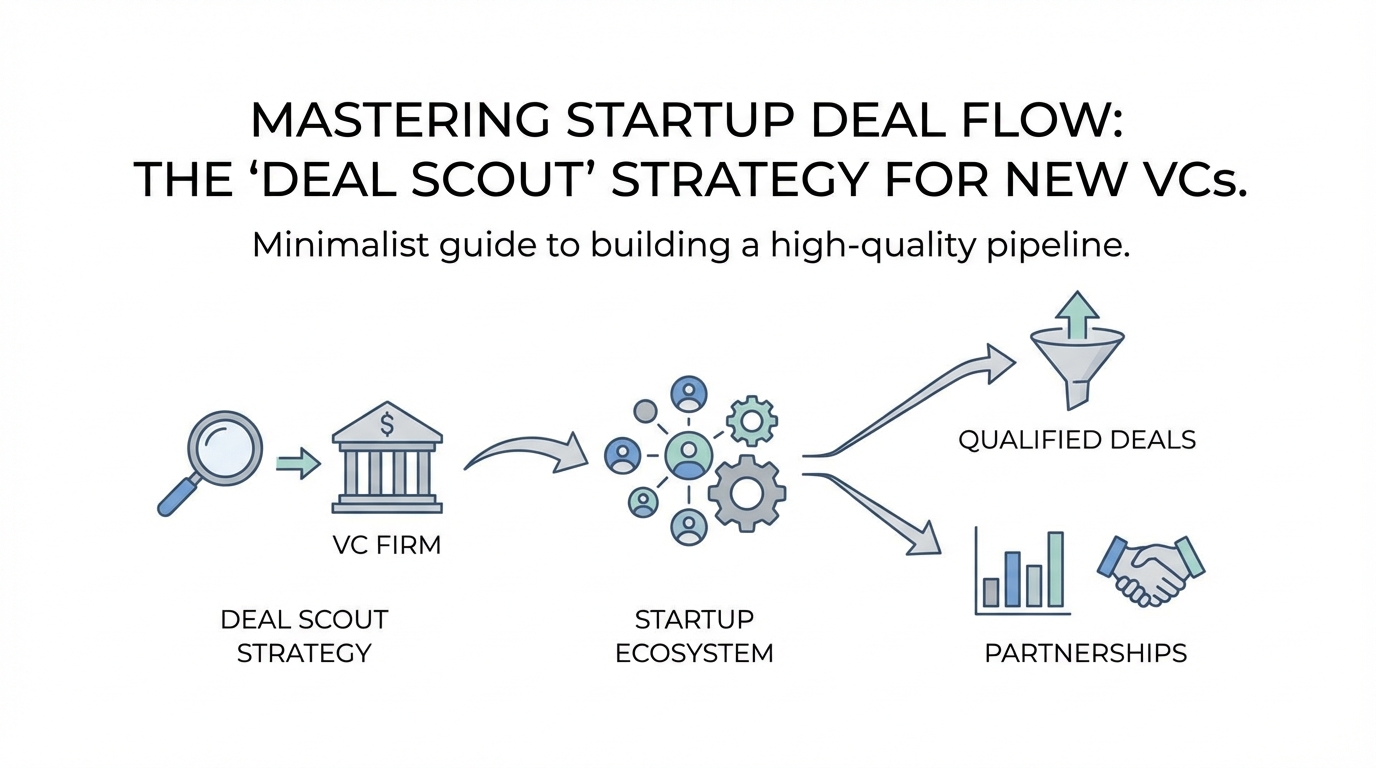
Venture capital was once a closed-door ecosystem reserved for the ultra-wealthy and institutional giants. However, a seismic shift in the financial landscape has democratized access to the world’s most promising startups. Today, a new breed of investor is emerging: the 'Deal Scout.' These individuals aren't necessarily multi-millionaires; they are operators, enthusiasts, and side-hustlers who leverage a specific strategy to secure allocations in unicorn-track companies. By mastering startup deal flow, you can transition from a passive observer to a meaningful participant in the private markets.
The secret lies in the syndicate model, which allows investors to pool capital through Special Purpose Vehicles (SPVs). As highlighted in recent Starter Story case studies, individuals like Alex Pattis have successfully deployed over $60 million into 275+ companies while maintaining a full-time 9-to-5 job. This success isn't built on raw capital, but on a sophisticated deal scouting strategy that prioritizes relationship capital over cash on hand. If you want to break into venture capital, you don't need a massive bank account—you need a network and a process.
The 5 Primary Sources of Startup Deal Flow


To succeed as a deal scout, you must move beyond waiting for opportunities to land in your inbox. High-quality startup deal flow is the result of a deliberate flywheel. According to PitchBook industry reports, there are five primary channels you should cultivate to ensure a steady stream of investment opportunities.
- Co-Syndication: This involves teaming up with other syndicate leads. Often, a lead will have a larger allocation than their own investor base can fill. By building relationships with other leads on platforms like Sidecar, you can gain access to vetted deals in exchange for helping to fill the round.
- VC Relationships: Institutional funds are the gold standard of deal flow. When you establish a reputation as a 'deal flow hustle' guy, tier-one funds may share allocations when they are leading a round but want to bring in strategic value-add investors.
- Portfolio Founder Referrals: Once you have backed a few companies, your founders become your best advocates. Successful founders are often the first to know when their peers are raising. By being helpful and easy to work with, you turn your existing portfolio into a referral engine.
- Angel Investor Networks: Many angels invest at the earliest possible stage (Pre-Seed). Because they aren't competitive with larger syndicates or funds, they are often happy to share deals once a founder is ready for a larger check.
- Your Existing Investor Base: Your own Limited Partners (LPs) are often CEOs, Heads of Product, or Sales leaders. These individuals are 'on the ground' and often see emerging products or startups before they hit the mainstream VC circuit.
The 'Pay It Forward' Framework for VC Relationship Management
One of the hardest hurdles for new VCs is venture capital networking. Most top-tier institutional funds won't initially prioritize a small-check syndicate lead. To change this dynamic, you must employ the 'Pay It Forward' framework. This strategy focuses on providing massive value before ever asking for an allocation in return.
The math is simple but requires discipline: you should aim to share 20+ high-quality deals with institutional VCs before expecting a reciprocal lead. When you source a deal that fits a fund's thesis and they end up investing, the relationship shifts instantly. You move from being 'insignificant' to a valued partner. This long-term approach ensures that when a tier-one fund leads a competitive round, they will think of you when they have a small sliver of 'excess' allocation to distribute.
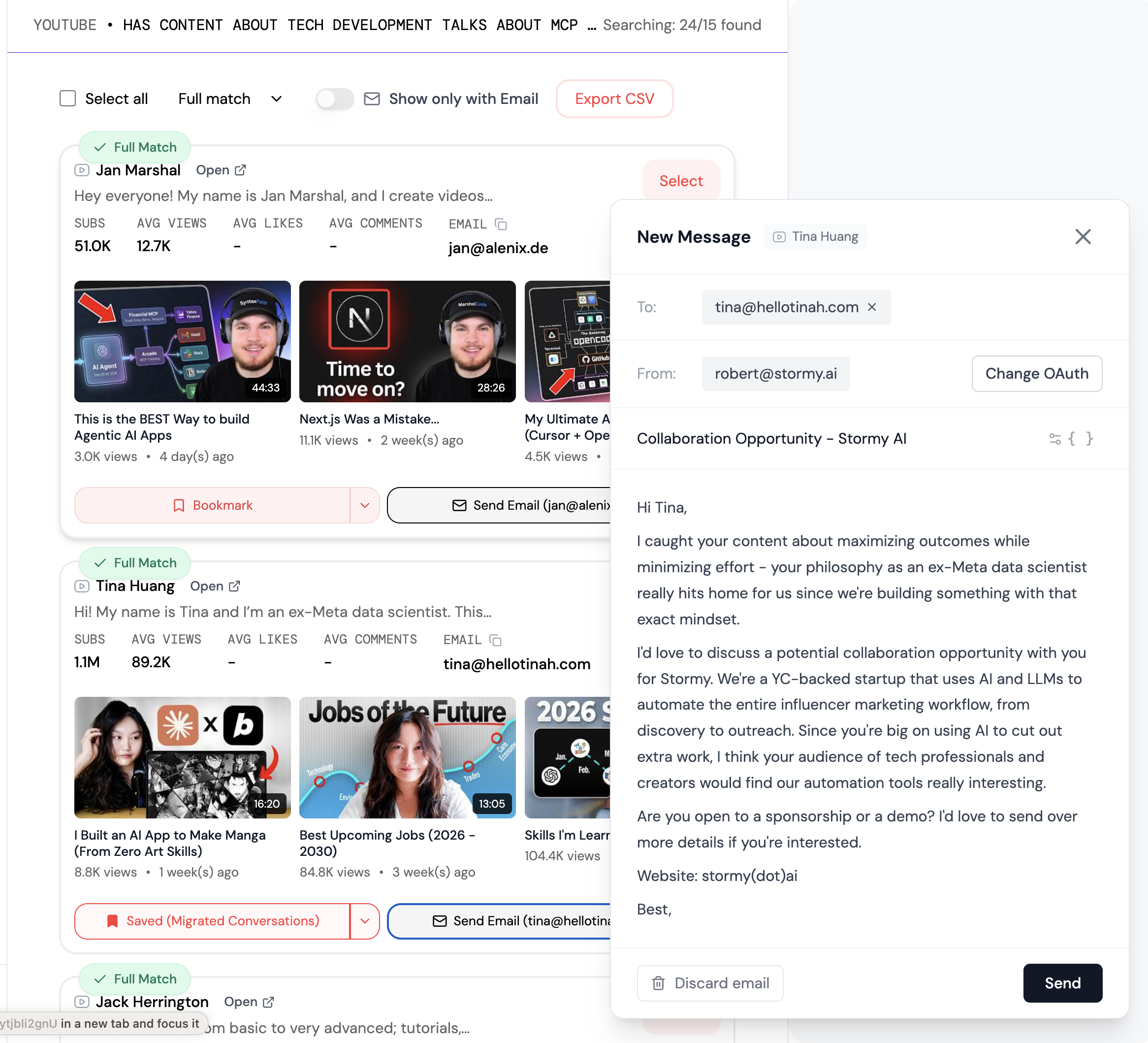
To manage this high volume of networking and deal sharing, automation is essential. Using Stormy AI's personalized outreach, you can manage these relationships at scale. Stormy allows you to set up an AI agent that handles follow-ups and personalized updates to your VC network, ensuring you stay top-of-mind without spending hours in your inbox. This is particularly useful for 'deal scouts' who are balancing these efforts with a full-time career.
How to Build a 'Deal Scout' Brand While Working a 9-to-5
The beauty of the modern syndicate model is that it doesn't require quitting your day job. In fact, many successful scouts maintain a 70/30 split: 70% of their focus on their primary career and 30% on the VC side-hustle. Your day job often provides the specialized knowledge (e.g., in SaaS, MedTech, or E-commerce) that makes your 'deal memo' more credible to investors.
Building a personal brand as a deal scout requires consistency. You need to be known as the person who is 'connected' and 'hustling' for the best founders. This means taking early morning coffee chats, late-evening Zoom calls, and spending weekends at founder meetups. Leveraging professional social networks like LinkedIn is crucial for documenting your journey and sharing your investment thesis publicly.
To truly scale this discovery process, modern tools are a requirement. You can't rely on manual browsing alone. By using Stormy's AI search engine, you can instantly find creators and emerging founders across TikTok, YouTube, and LinkedIn who are gaining traction in specific niches. For example, if you are looking for fintech founders in London with specific engagement metrics, Stormy's natural-language search finds them in seconds, giving you a head start on the competition.
Tactics for 'Piggybacking' on Institutional Due Diligence
As a part-time deal scout, you likely don't have the resources to conduct the same level of due diligence as a multi-billion dollar fund. This is where the 'piggyback' strategy comes in. Instead of trying to reinvent the wheel, focus on deals where a tier-one institutional fund has already led the round and set the terms.
When evaluating a potential investment, ask two critical questions:
- Who is leading the round? If a reputable firm has already done the heavy lifting of legal underwriting and financial auditing, your risk is significantly mitigated.
- What is the founder-market fit? Since you are betting on people at the early stage, look for founders who have a deep, personal connection to the problem they are solving or a track record of success in previous ventures.
Before committing to a deal, you must vet the founder's digital footprint and market influence. Stormy AI's creator vetting provides an AI-powered quality report that can detect fraud, analyze audience demographics, and score content quality. This level of vetting is vital even for traditional startups, as modern founders often double as creators to drive organic growth. Ensuring their 'audience' is real and engaged is a modern form of due diligence.
Leveraging Your Professional Network for a Sourcing Flywheel
Your current professional network is a goldmine for how to find startup deals. If you work at a tech company, your colleagues—Heads of Product, Engineering leads, and CEOs—are constantly seeing new tools and innovations. By positioning yourself as an investor, you encourage them to send these opportunities your way.
To turn this into a 'flywheel,' you need a system to manage these incoming leads. A basic spreadsheet won't suffice once you're tracking dozens of founders and LPs. Implementing Stormy's AI-powered creator CRM allows you to track every interaction, negotiation, and deal stage in one central hub. Whether you're managing a relationship with a high-net-worth angel or a first-time founder, having a unified history ensures no opportunity falls through the cracks.
The Operational Playbook: From Deal Sourcing to Closing

Once you've identified a promising company and secured an allocation, the execution phase begins. This process is highly structured and must move quickly to keep pace with competitive rounds.
Step 1: Secure Your Allocation
Negotiate with the founder to carve out a specific dollar amount for your syndicate (e.g., $100,000 to $250,000). Ensure the terms align with the lead investor’s term sheet.
Step 2: Draft the Deal Memo
This document explains why you are excited about the investment. It should cover the problem, the solution, the market size, and the competitive advantage. Mentioning co-investors adds significant social proof.
Step 3: Set Up the SPV
Use platforms like AngelList or Carta to handle the legal and administrative heavy lifting. Setting up an SPV typically takes about two days.
Step 4: Circulate to Your Investor Base
Send the deal materials to your LPs. Typically, you should give them one to two weeks to commit capital. During this time, be prepared to answer technical questions about the founder’s background or the long-term business model.
Step 5: Close and Wire
Once the capital is committed, finalize the legal documents and wire the funds to the company. In exchange for your work, you typically earn 'carried interest' (carry), which is usually 20% of the profits after the principal is returned to investors.
Conclusion: The Path to Institutional VC
Mastering startup deal flow is not just about making a few investments; it’s about building a track record. By acting as a deal scout, you are creating a 'living resume' in the venture capital world. Whether your goal is to eventually raise a multi-million dollar fund, join an institutional firm as a partner, or simply build a diversified portfolio of 50+ companies, the syndicate model is your entry point.
The key is to start small, be incredibly helpful to founders, and leverage modern AI tools to amplify your reach. Platforms like Stormy AI are bridging the gap between manual networking and automated scale, allowing the next generation of VCs to compete with the established giants. Success in this field requires patience—you might send 20 deals before getting one back—but in the high-risk, high-reward world of venture capital, that one deal can change everything.