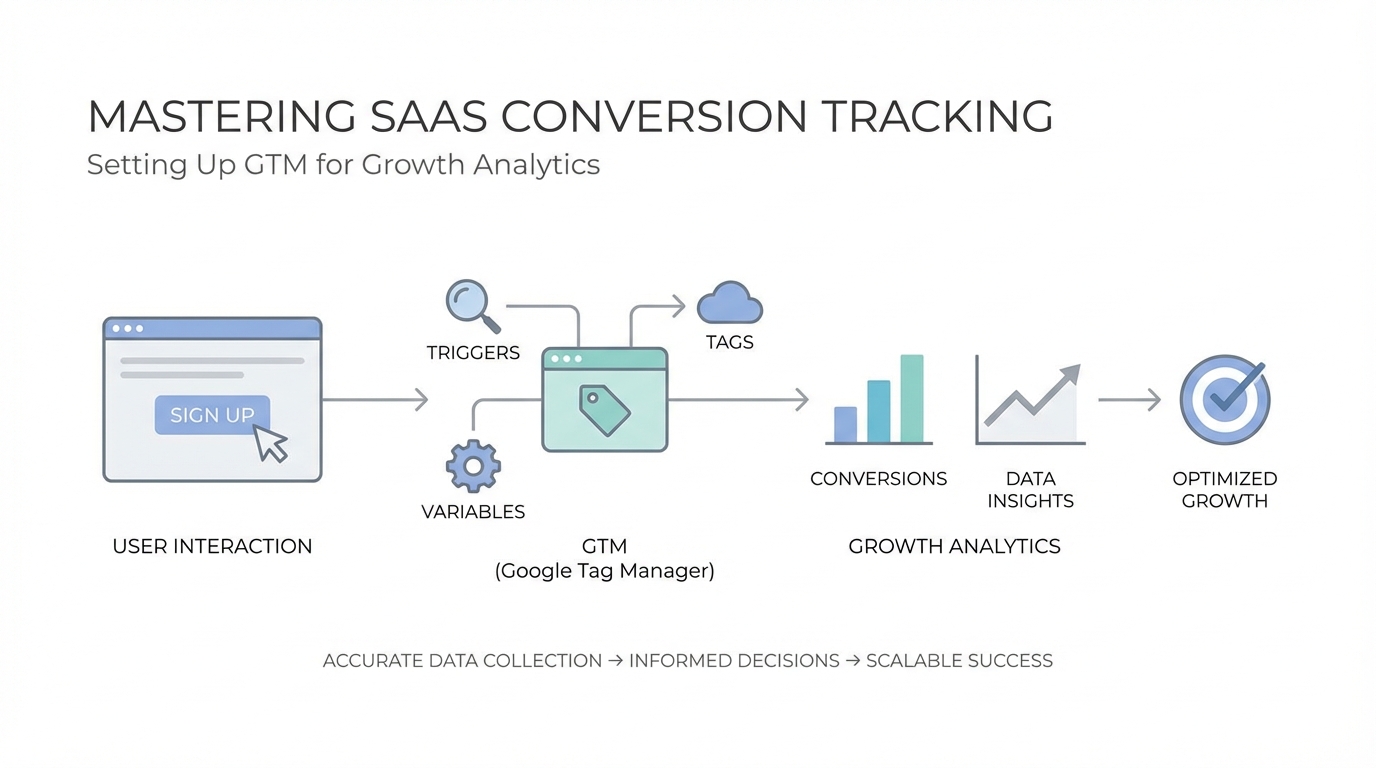
In the current landscape of digital entrepreneurship, the barrier to building a product has never been lower. Thanks to the rise of AI-powered development tools like Replit and Cursor, many founders are successfully "vibe coding" their way to a functional MVP in record time. However, building a tool is only half the battle; the real challenge lies in finding and retaining customers. To move from a technical project to a viable business, you need a robust SaaS conversion tracking strategy. Without precise data, you are essentially flying blind, unable to distinguish between high-value users and empty traffic. This guide provides a technical deep dive into leveraging Google Tag Manager for SaaS to build a growth engine that scales.
The Foundation of SaaS Growth Analytics
Before you spend a single dollar on customer acquisition, you must have a way to measure the return on that investment. Most first-time founders make the mistake of building a product first and figuring out the marketing later. A more effective approach is to validate demand using search data and keyword research. Tools like Keywords Everywhere allow you to see the search volume and cost-per-click (CPC) for specific pain points before you even write a line of code. If you find a niche with consistent search volume, such as a specialized data scraper or an automation tool, you have a foundation for SaaS growth analytics.
Validating demand involves more than just looking at numbers; it requires understanding user intent. For instance, if you are building a tool for the YouTube creator ecosystem, you might look for keywords related to email extraction or channel analysis. By identifying these search patterns, you can structure your SaaS conversion tracking to focus on the specific actions that indicate a user is moving from curiosity to commitment. This process is essential for anyone using resources like IdeaBrowser to find their next big startup concept.
Deploying Google Tag Manager for SaaS

Google Tag Manager (GTM) serves as the central nervous system for your marketing stack. Instead of hardcoding various scripts and pixels from Google Ads or Meta into your application, you deploy a single GTM container. This container allows you to manage all your tracking scripts in one place, providing the flexibility to add or remove tools without needing a fresh deployment of your app. For modern SaaS founders, this is the first step in creating a professional-grade data layer for growth marketing, often following best practices from experts like Simo Ahava.
To get started, you must place the GTM script in the <head> and <body> tags of your application. Once the container is live, you can begin setting up "listeners." These are configurations within GTM that watch for specific user behaviors, such as button clicks, form submissions, or page views. When a founder wants to track SaaS signups, they typically set up a trigger that fires when a user successfully completes the registration flow. This event is then sent to your ad platforms, telling them exactly which keyword or creative drove the conversion.
The Data Layer for Growth Marketing
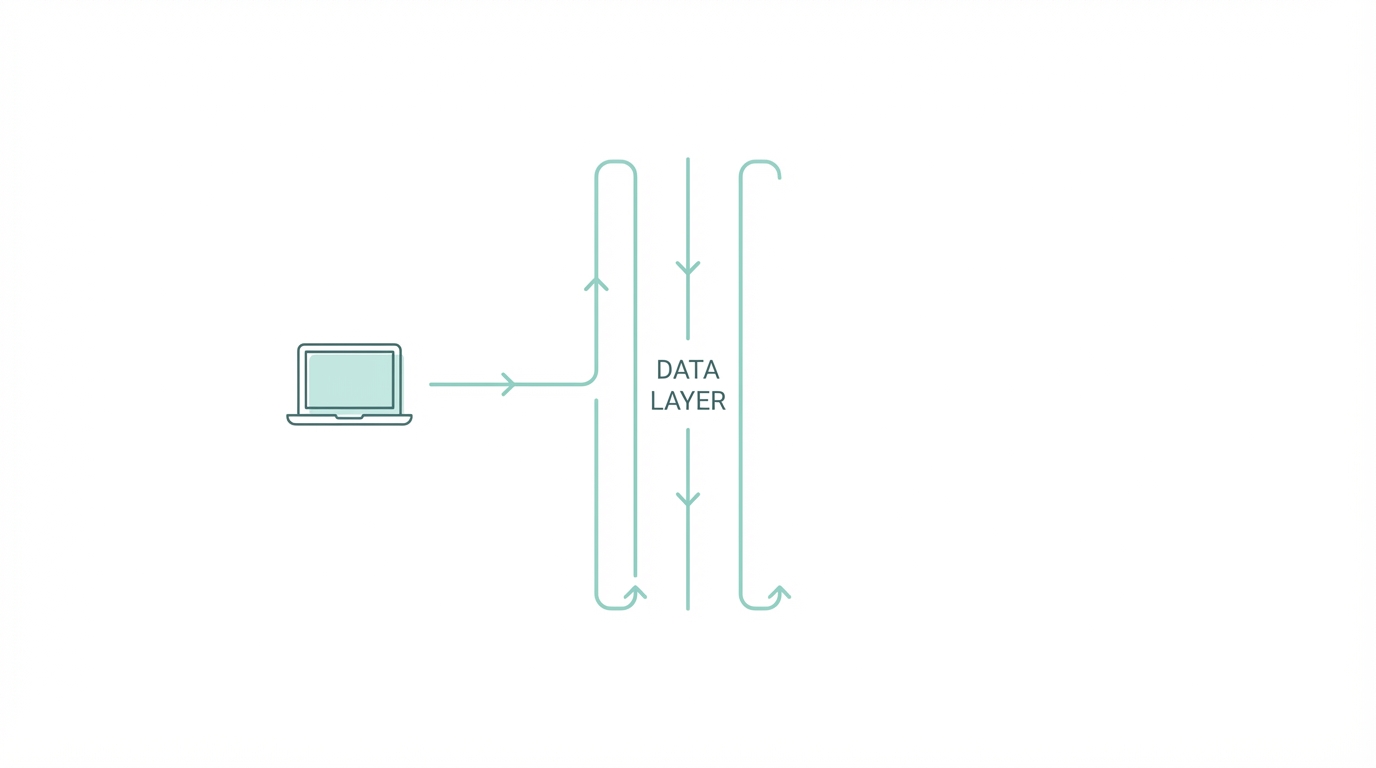
A data layer is an invisible layer of your website where information about user actions is stored and then shared with tools like GTM. In a SaaS context, the data layer is critical for passing granular information that standard tracking scripts might miss. For example, when a user signs up, your application can push a "signup_success" event to the data layer. By using a data layer for growth marketing as outlined in Google’s official documentation, you ensure that your conversion data is clean and actionable, rather than relying on brittle URL-based tracking that can easily break.
Setting this up often involves writing a small snippet of JavaScript that fires upon a successful action. For a signup event, the code might look like window.dataLayer.push({'event': 'signup_success'});. This tells GTM to look for that specific string. Once GTM "sees" the event, it can trigger tags for Meta Ads Manager or other platforms. This level of technical setup is what separates amateur growth efforts from scalable SaaS engines. It allows you to move beyond simple page views and start focusing on the actual value generated by each visitor.
Training the Ad Algorithm with Leading Indicators
One of the most misunderstood aspects of SaaS conversion tracking is the difference between a leading indicator and a lagging indicator. A payment is a lagging indicator; it happens at the end of the funnel. A signup is a leading indicator; it happens much earlier. When you are just starting your paid media journey on Google Ads, you often don't have enough payment data to train the algorithm. Instead, you should optimize for signups. This provides the platform with enough "conversion signals" to understand the cohort of users most likely to find value in your tool.
As you gather more data, you can begin to implement value-based optimization. This involves assigning different weights to different actions within GTM. For instance, a free signup might be worth $1 to the algorithm, while a premium subscription is worth $50. By doing this, you instruct the AI models at Meta Ads to find users who aren't just looking for freebies but are likely to become high-LTV customers. This strategic shift is vital for effective SaaS growth analytics and long-term profitability, utilizing value-based bidding strategies.
Calculating the Math of Growth: LTV vs. CAC
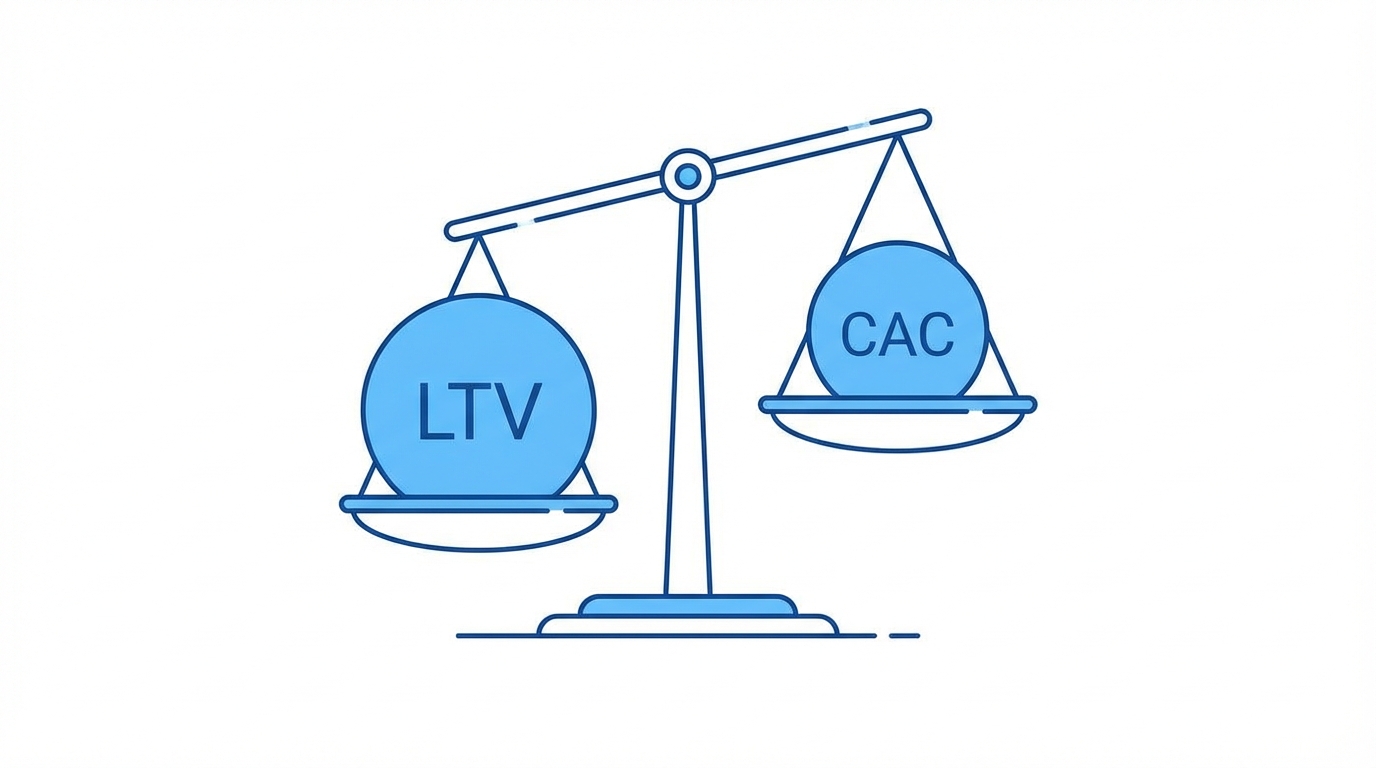
Growth is essentially an arbitrage game. You are looking for an "ATM" where you can put $1 in and get $4 out in the form of Customer Lifetime Value (LTV). To justify your ad spend, you must understand the relationship between your Customer Acquisition Cost (CAC) and your LTV. If you spend $80 to acquire a customer who pays you $39 upfront, it might look like you're losing money. However, if that customer stays for 12 months, their LTV is closer to $468. Understanding this math allows you to bid aggressively on keywords that your competitors might find too expensive.
To accurately calculate these metrics, you need integrated data. SaaS growth analytics tools must track not just the initial click, but the entire lifecycle of the user. This is where modern influencer marketing and UGC (User-Generated Content) come into play. Many brands use tools like Stormy AI to discover and manage creators who can drive these high-LTV signups at a lower cost than traditional search ads. By tracking the performance of these creators within your CRM, you can identify which partnerships are actually driving revenue versus just generating empty noise.
Building Dashboards with Looker Studio and Graph.com
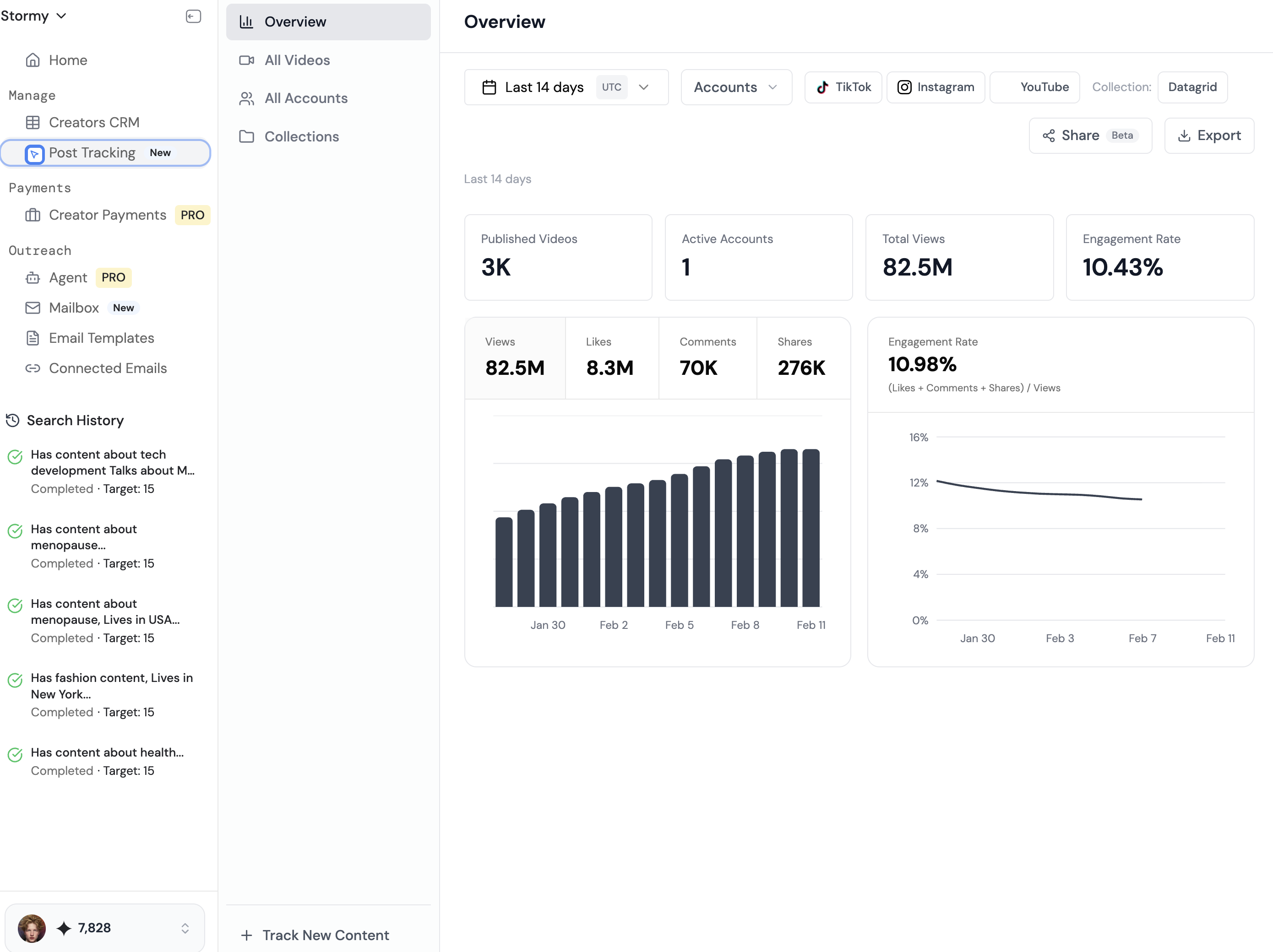
Once your SaaS conversion tracking is live and your ads are running, you need a way to visualize the data. While Google Analytics provides raw data, a custom dashboard is necessary for a high-level view of your performance. Looker Studio is a popular choice for building one-shot dashboards that combine data from GTM, Google Ads, and your internal database. However, for those who find Looker Studio too complex, specialized tools like Graph.com offer AI-powered dashboarding that can generate reports with a simple natural language prompt.
A well-constructed growth dashboard should highlight three key areas: the cost per signup, the conversion rate from signup to paid, and the overall ROAS (Return on Ad Spend). By monitoring these weekly, you can spot trends such as "ad fatigue," where your creative performance begins to dip because the audience has seen your ad too many times. At this stage, you need to refresh your creative—potentially by leveraging HeyGen for AI avatars or ElevenLabs for professional voiceovers—to keep your CAC low and your SaaS growth analytics trending upward.
Leveraging UGC and Influencers for Mobile Growth

In the mobile app and SaaS space, User-Generated Content (UGC) has become a primary driver of affordable acquisition, with research showing it significantly boosts performance creative. Unlike transactional search ads, social ads on platforms like TikTok or Instagram require a storytelling approach. You are disrupting the user's flow, so your creative must be compelling. This is why many growth teams use Stormy AI to source UGC creators who can speak authentically about their product's pain points. When these creators post, the SaaS conversion tracking must be able to attribute that traffic accurately to the specific influencer.
By integrating creator discovery with your GTM setup, you can see which influencers drive the highest retention rates. Not all traffic is created equal; a creator might drive 1,000 signups, but if those users churn after the first week, the partnership is a failure. Using a robust track SaaS signups framework allows you to filter your influencer spend toward those who bring in long-term users. This full-funnel visibility is the ultimate goal of any growth marketing professional.
Conclusion: The Growth Flywheel
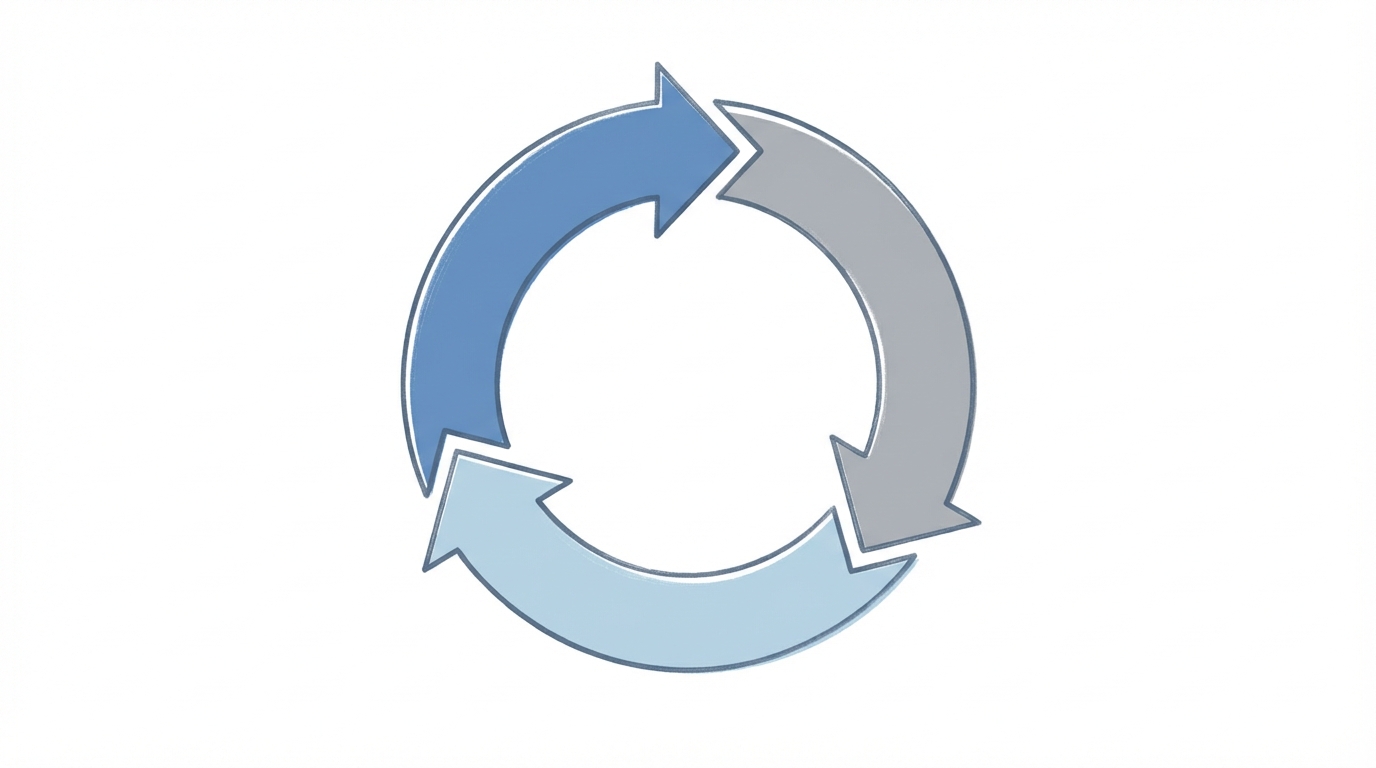
Mastering SaaS conversion tracking is not a one-time setup; it is a continuous process of refinement. By deploying Google Tag Manager for SaaS, implementing a clean data layer for growth marketing, and training your ad algorithms with leading indicators, you create a growth flywheel. The data you collect today informs the creative you build tomorrow, which in turn lowers your CAC and increases your LTV. Whether you are running Google Ads or sourcing creators via Stormy AI, the winner is always the founder who understands their numbers best. Start tracking today, and stop guessing where your next customer is coming from.