In 2026, the retail landscape is no longer defined by who has the most products, but by who holds the most trust. As the global AI chatbot market surges toward a $15.12 billion valuation this year, according to data from Master of Code, the technology has evolved from simple automated responses to complex "Agentic AI." For modern brands, the challenge is no longer just answering questions—it is closing the widening "Trust Gap" between brand promises and consumer reality. By leveraging advanced reasoning agents like Ada and Zowie, retailers are finally moving beyond reactive support into a new era of proactive, high-empathy customer retention strategies.
The 37% Perception Gap: Why Personalization is Failing
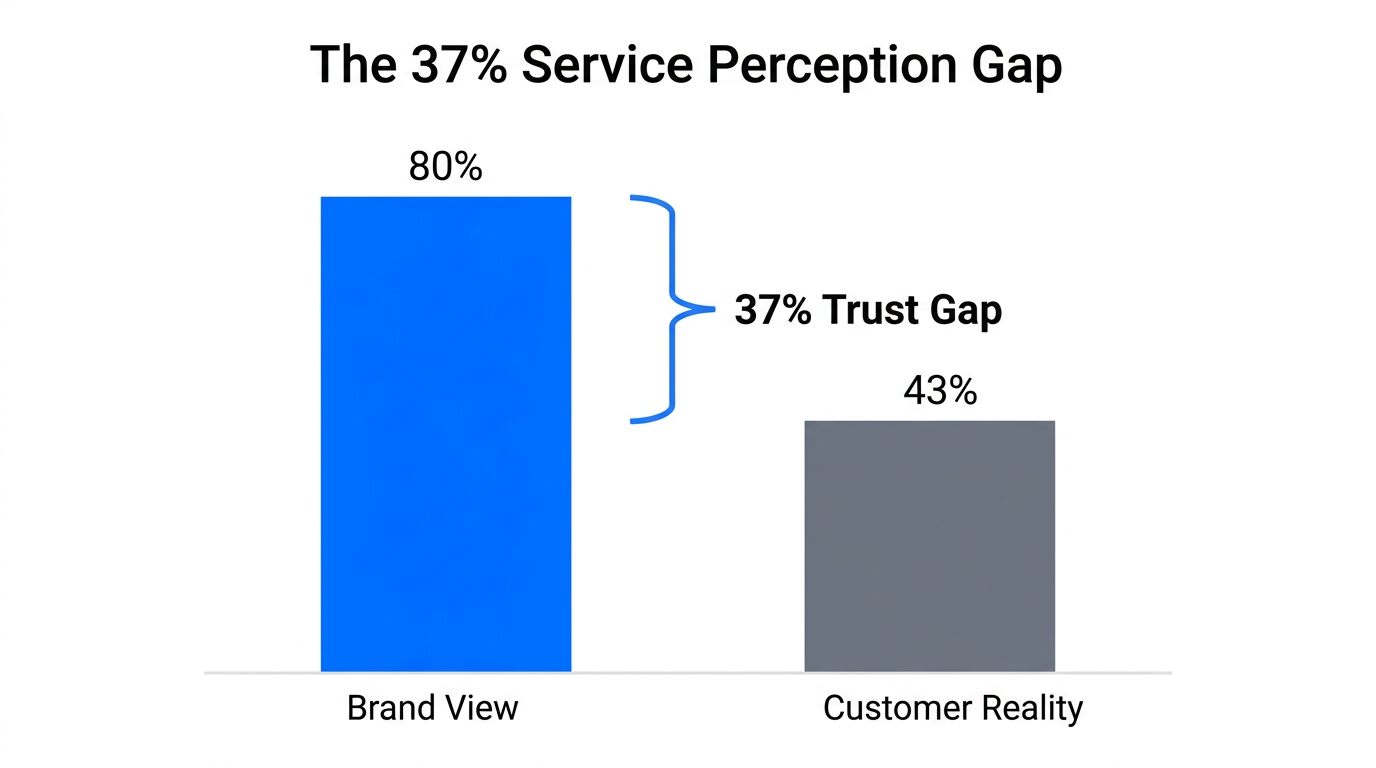
Despite years of investment in digital transformation, a massive disconnect remains between how brands perceive their service and how customers actually experience it. Research from Rep AI reveals a startling "Trust Gap": while 71% of retailers believe they are delivering excellent personalization, only 34% of consumers agree. This 37% perception gap is where customer loyalty goes to die.
To bridge this gap, enterprise leaders are turning to Ada AI for e-commerce. Ada’s reasoning engine doesn't just pull from a static FAQ; it connects deep into a brand's tech stack to provide contextualized assistance. When a customer asks about a product, the AI analyzes their past purchase history, local weather patterns, and live inventory to offer advice that feels human, not algorithmic. This level of sophistication is why 89% of retail and CPG companies are now fully integrated with AI workflows, as reported by Google Cloud industry analysts.
"The next frontier of retail isn't just selling a product; it's providing a 'Digital Sales Consultant' that understands intent better than a human ever could."The Shift to Agentic AI: Mastering Logistics with Zowie
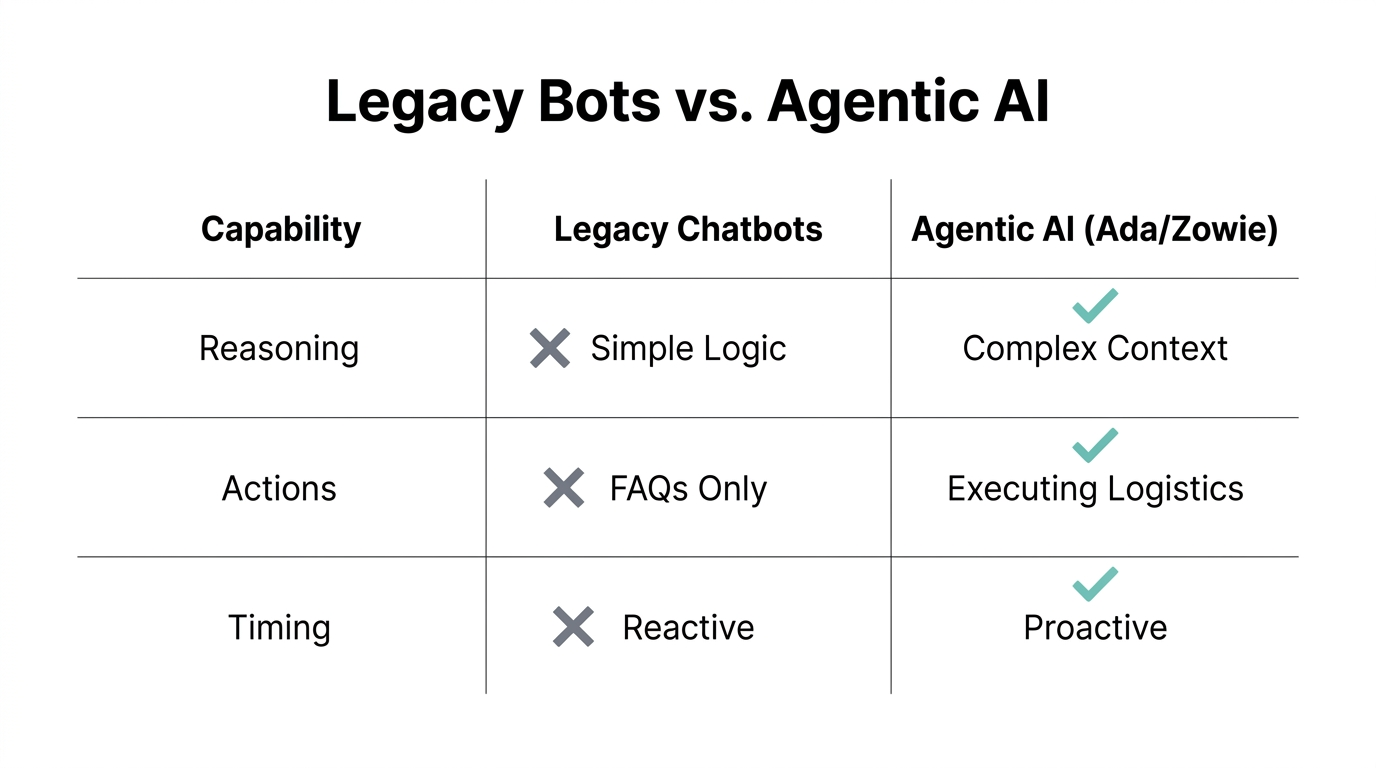
In 2024 and 2025, chatbots were often limited to rule-based menus. In 2026, we have seen the rise of Agentic AI. Unlike its predecessors, an AI agent can "reason" through a series of steps to complete a complex task. This is particularly transformative for Zowie logistics automation. Logistics has traditionally been the "black box" of e-commerce—a place where brand trust is frequently broken due to shipping delays or lost packages.
Agentic AI platforms like Zowie now manage multi-item returns and 3PL (third-party logistics) tracking without any human intervention. If a customer wants to return two items from a three-item order, the AI agent doesn't just provide a label; it checks the return policy for each specific SKU, verifies the warehouse capacity, and initiates the refund sequence. This autonomy has led to AI agents resolving up to 93% of customer questions independently, according to Anchor Group.
| Feature | Traditional Chatbots | Agentic AI (Zowie/Ada) |
|---|---|---|
| Task Handling | Simple Q&A / Ticket Deflection | End-to-end task execution |
| Logistics | Links to tracking pages | Direct 3PL integration & problem solving |
| Context | Session-based only | Full customer lifecycle awareness |
| Returns | Manual approval required | Autonomous multi-item processing |
For brands scaling toward the $15 billion market standards of 2026, these efficiencies are non-negotiable. By automating the high-friction points of the post-purchase experience, brands can maintain a high Customer Satisfaction Score (CSAT), measured through tools like Zendesk, even during peak holiday seasons or supply chain disruptions.
Moving from Reactive to Proactive: The LTV Multiplier
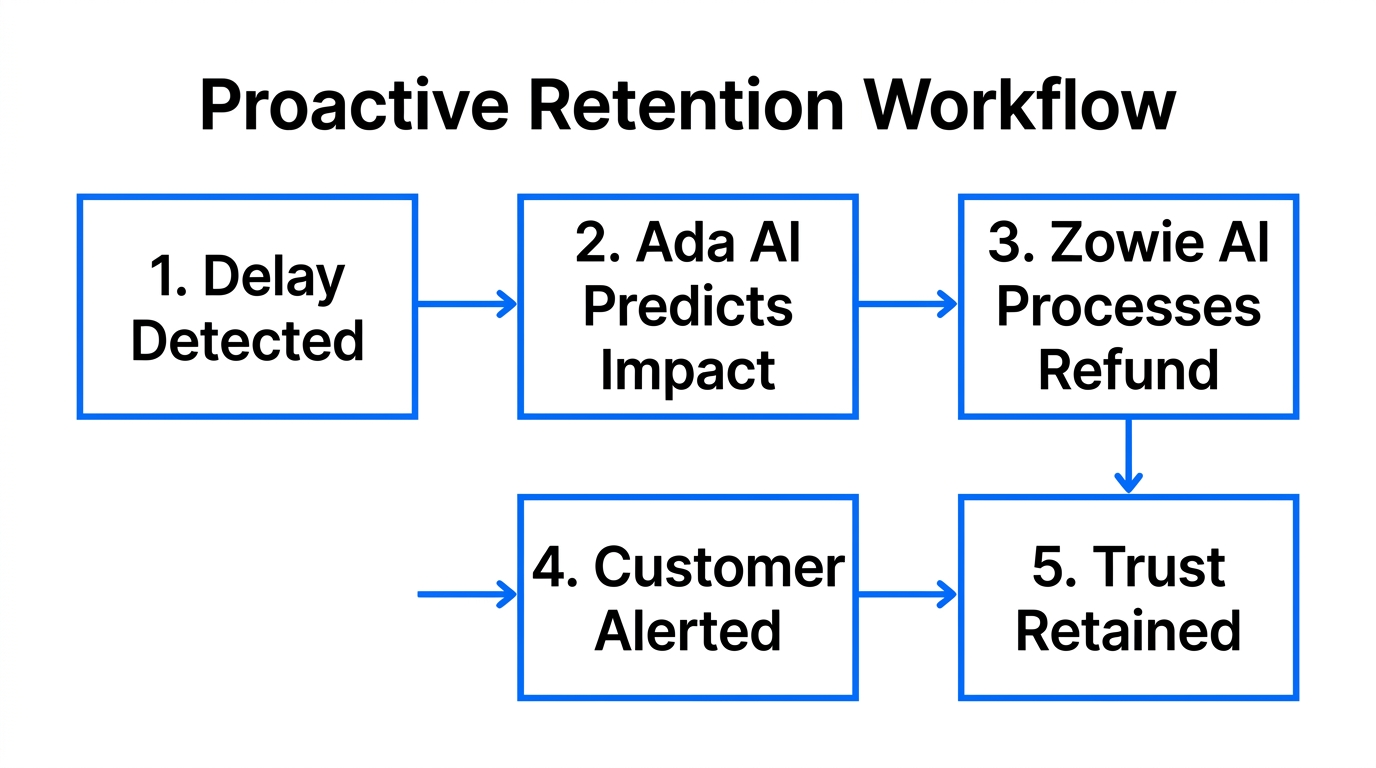
Customer retention strategies in 2026 have shifted from deflecting tickets to preventing them. Instead of waiting for a customer to ask "Where is my order?", proactive AI agents monitor shipping data in real-time. If a package is stalled at a carrier facility, the AI automatically sends a notification: "Hi Sarah, we noticed your package is delayed by 24 hours. We've applied a 10% credit to your next order for the inconvenience."
This proactive engagement doesn't just solve a problem; it builds long-term brand equity. Statistics show that proactive AI chat can recover approximately 35% of abandoned carts and deliver 4X higher conversion rates compared to unassisted shopping, as noted by Rep AI. By the end of this year, Gartner predicts that 80% of support organizations will have moved to this AI-first model.
"Proactive notifications turn a logistics failure into a loyalty-building moment. It’s the difference between a transaction and a relationship."While AI handles the heavy lifting of logistics and retention, brands must also look at the top of the funnel. Modern growth stacks often combine these CX tools with platforms like Stormy AI to discover and vet UGC creators. When a creator-led campaign drives a surge in traffic, having an agentic AI like Ada ready to handle the influx ensures that the brand trust built by the influencer is maintained through the checkout and delivery process.
The Human-AI Collaboration Model: Empathy at Scale
A common mistake in the early days of AI was over-automation. Experts from Yuma AI point to high-profile cases like Klarna, which initially replaced hundreds of agents with AI, only to realize that the most sustainable model is Human-AI Collaboration. In 2026, the industry standard is the 80/20 rule: AI handles 80% of routine tasks, while humans focus on the 20% that require high empathy or complex negotiation.
86% of consumers still prioritize empathy over speed for sensitive issues. To maintain brand trust, your CX infrastructure must include a "Human-in-the-loop" phase. This involves:
- Instant Escalation: If an AI detects sentiment analysis scores dropping (e.g., a customer using frustrated language), it should instantly hand off the conversation to a human agent with a full transcript of the interaction.
- Atomic Knowledge Bases: Structuring FAQs into small, "atomic" pieces of data to prevent the bot from "hallucinating" or giving conflicting answers—a strategy recommended by Webless AI.
- Visual & Voice Continuity: Ensuring that if a customer starts a search via image upload (e.g., "Find me a dress like this" via Tolstoy), the context carries over if they need to speak to a stylist.
Building a Sustainable CX Infrastructure for 2026
For brands aiming for AI customer experience ROI, implementation must be strategic. Following a SMART objective framework—such as reducing ticket volume by 30% in a single quarter—is the first step. Brands should then look at real-world successes for inspiration. For instance, Sephora's "Virtual Artist" bot saw an 11% improvement in conversion rates by offering makeup advice that felt personalized rather than salesy.
Step 1: PIM and CRM Integration
Your AI is only as good as its data. Integrate Ada or Zowie directly with your Product Information Management (PIM) and CRM (like HubSpot). This allows the bot to see real-time inventory and customer loyalty tiers.
Step 2: Omnichannel Presence
Deploy your AI where your customers live. If a significant portion of your traffic comes from social media, ensure your bot is active in Instagram and TikTok DMs via platforms like ManyChat, while remaining synced with your core helpdesk like Gorgias.
Step 3: Continuous Quality Auditing
Use the first 30 days of any deployment for rigorous auditing. Monitor the Containment Rate (the percentage of chats resolved without a human) and collect CSAT scores specifically for bot interactions to fine-tune the AI's reasoning capabilities.
"The brands that win in 2026 won't be those with the cheapest AI, but those who use AI to give their customers their time back."Conclusion: Retention is the New Revenue
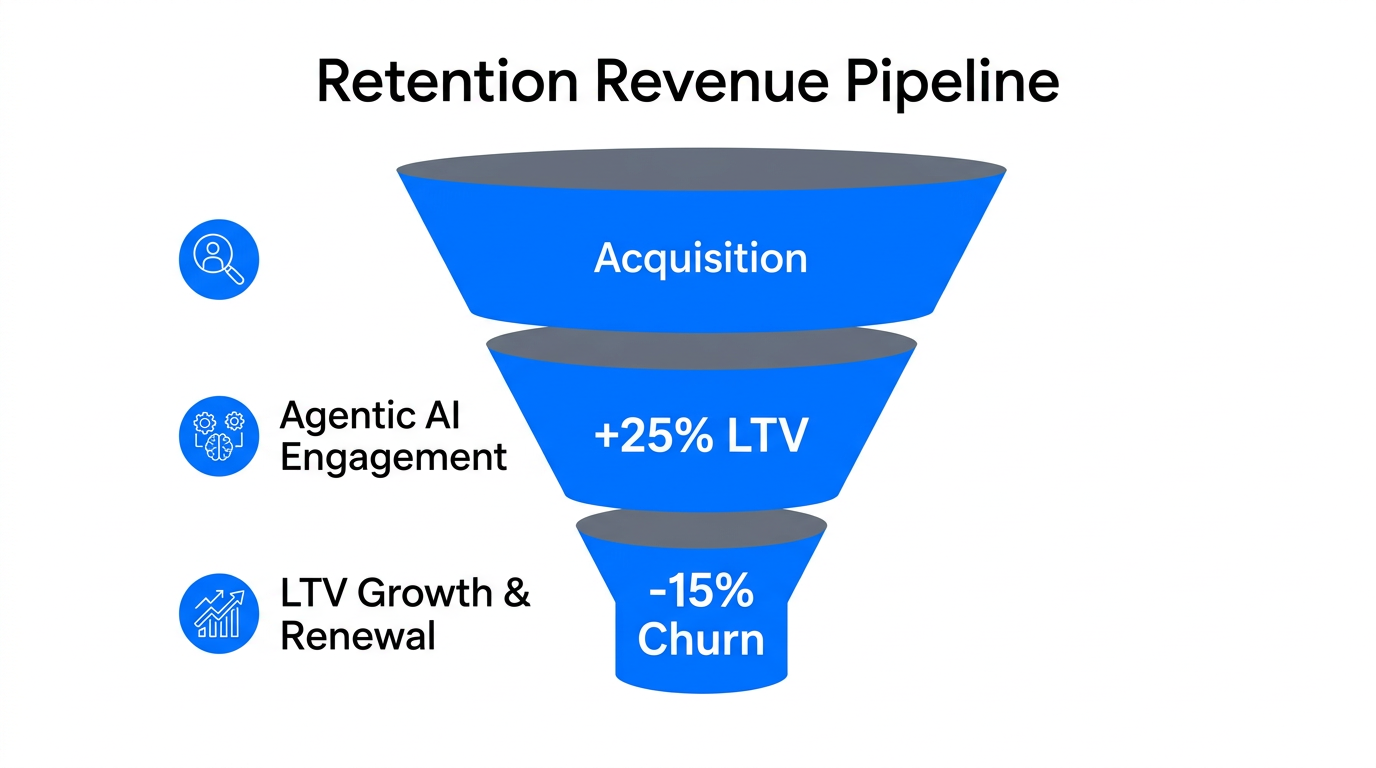
As we move through 2026, the cost of customer acquisition continues to rise, making retention the ultimate lever for growth. Closing the trust gap requires a commitment to both technological excellence and human empathy. By deploying agentic AI for retail growth through platforms like Ada and Zowie, brands can automate the mundane—like 3PL tracking and multi-item returns—while freeing up their human teams to build the emotional connections that drive lifetime value.
Success in this new era means moving from being a reactive vendor to a proactive partner in the customer's journey. Whether you are using Stormy AI to source the UGC creators who spark initial interest, or leveraging LivePerson for enterprise-grade conversations, the goal remains the same: building a brand that customers trust enough to return to, time and time again. The infrastructure you build today will define your market position in the $15 billion CX economy of tomorrow.