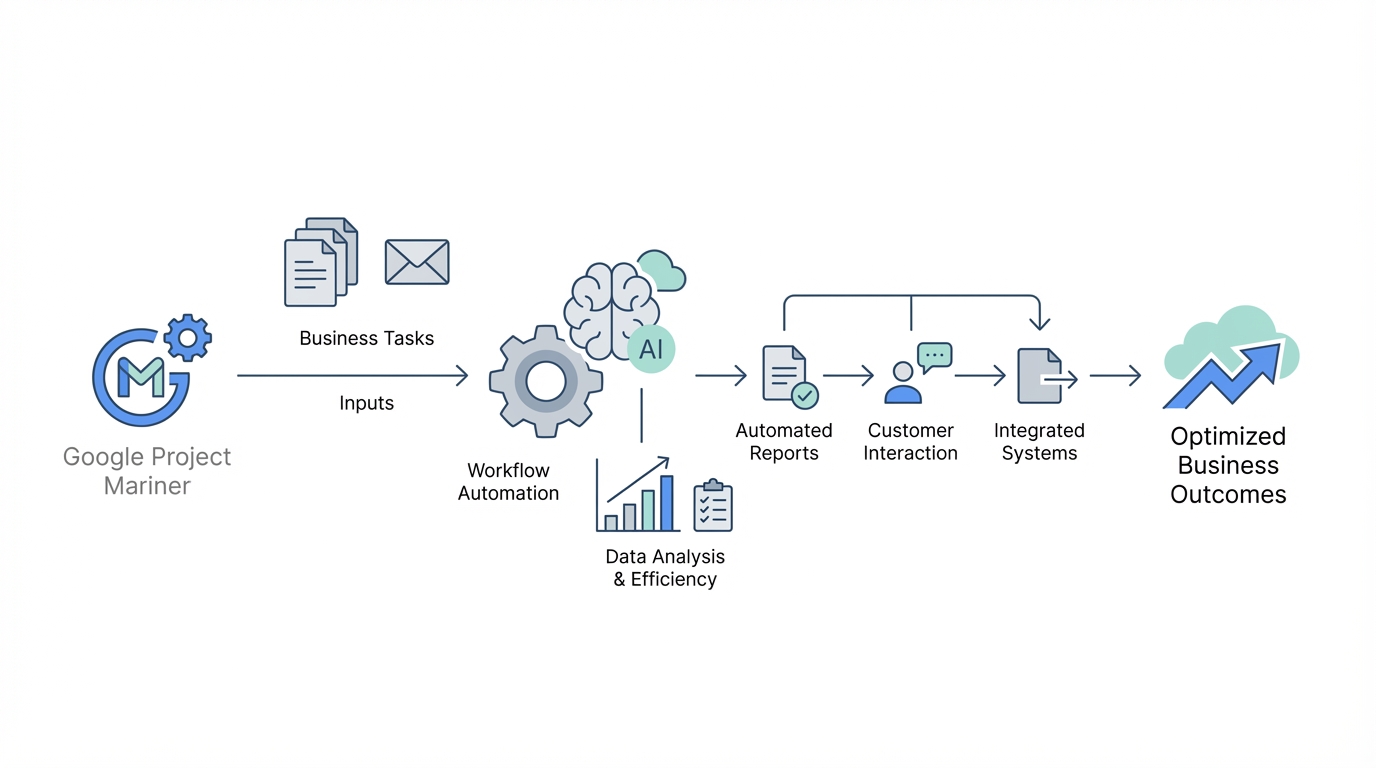
We are officially entering the "computer use" era of artificial intelligence. For the past two years, our interaction with AI has been largely conversational—we type a prompt into a chat box, and the AI replies with text or images. But the next frontier is agentic automation, where AI doesn't just talk to you; it takes control of a digital environment to perform tasks on your behalf. Leading this charge is Google Project Mariner, an experimental AI agent designed to act as a virtual intern that can navigate the web, conduct deep research, and manage repetitive data entry tasks with minimal human intervention.
As businesses look to scale productivity, the shift from chat-based AI to agent-driven workflows is becoming the competitive advantage of the decade. Whether you are a solopreneur trying to track competitors or a marketing manager at a high-growth startup, understanding how tools like Google Labs experiments like Mariner work is essential for future-proofing your operations. This guide explores how to harness these autonomous agents to reclaim your time and automate the digital mundane.
Understanding Project Mariner: The Virtual Machine Revolution
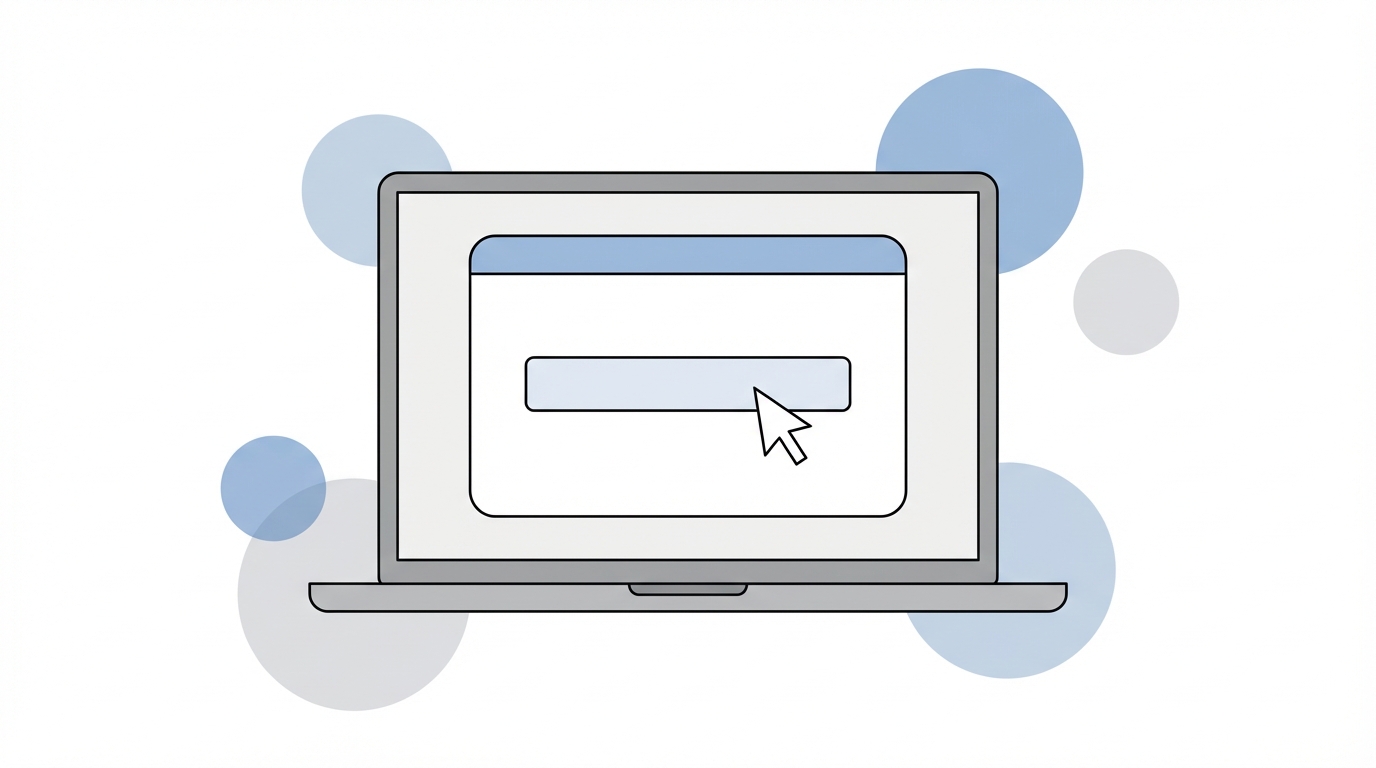

At its core, Google Project Mariner represents a massive leap in how AI interacts with the internet. Unlike traditional browser extensions that might break when a website layout changes, Mariner operates on an entirely separate infrastructure of virtual machines (VMs). This means the AI isn't just "scraping" a page; it is actually seeing the screen, moving a cursor, clicking buttons, and typing into forms exactly like a human would, but at the speed of silicon.
The power behind Mariner is the Gemini series of models. These models are specifically tuned for multi-step planning. When you give Mariner a complex task—such as "find three engineering job listings in New York and summarize their requirements"—the AI doesn't just guess the answer. It creates a logical sequence of actions: 1. Navigate to a job board; 2. Input search parameters; 3. Analyze individual listings; 4. Extract data into a summary. Because it runs on a VM, you can spin up multiple tasks simultaneously without ever losing control of your own local computer.
Step-by-Step: Setting Up Your First Research Agent
Automating digital tasks with AI starts with clear delegation. While Project Mariner is currently in a limited experimental phase for select AI subscribers, the workflow it introduces provides a template for how all future AI agents for business will operate. Here is the playbook for automating a standard research task, such as competitor analysis or lead discovery.
Step 1: Define the Mission
Success starts with the prompt. Instead of a vague request, you must provide a structured objective. For example: "Go to the following five competitor websites, identify their pricing tiers, and save them to a Google Sheet." The more specific the goal, the less likely the agent is to get lost in a recursive loop.
Step 2: Initialize the Virtual Environment
When you launch a task in Mariner, the system prepares a session by firing up a dedicated browser window on a remote server. You can actually watch the "thought process" of the agent in a side panel. It will state things like, "I am navigating to the pricing page to locate the enterprise tier info." This transparency is vital for auditing the agent's accuracy in real-time.
Step 3: Monitor Real-Time Navigation
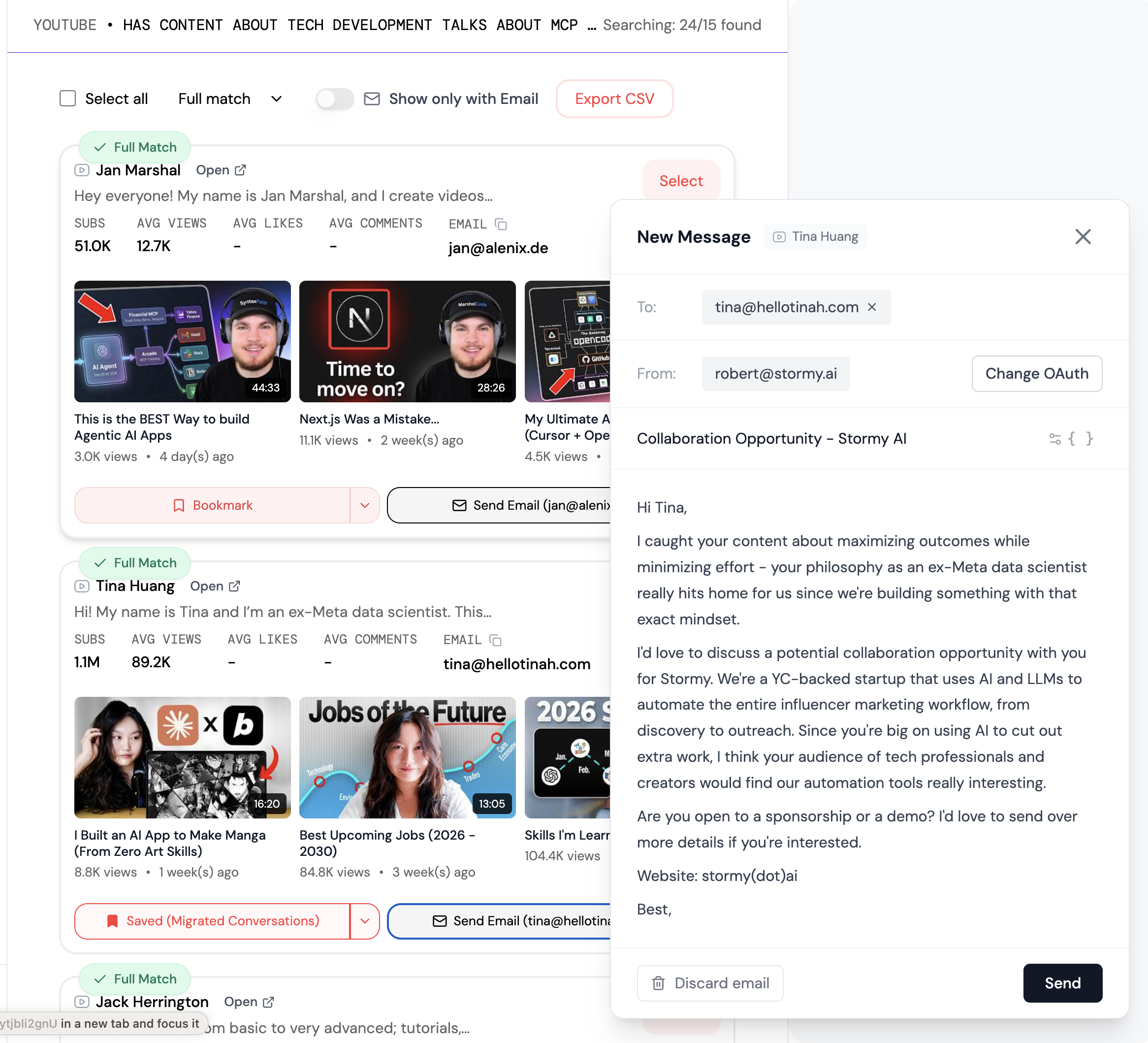
As the agent works, it navigates through pages, scrolls, and clicks. For research tasks—like finding startup ideas and data trends—the agent can browse niche forums, news sites, or job boards that traditional search engines might miss. If you're using this for marketing, platforms like Stormy AI can similarly help you discover and vet creators across platforms like TikTok and YouTube using natural language, complementing the raw research power of Mariner.
The 'Human-in-the-Loop' Model: Managing AI Friction
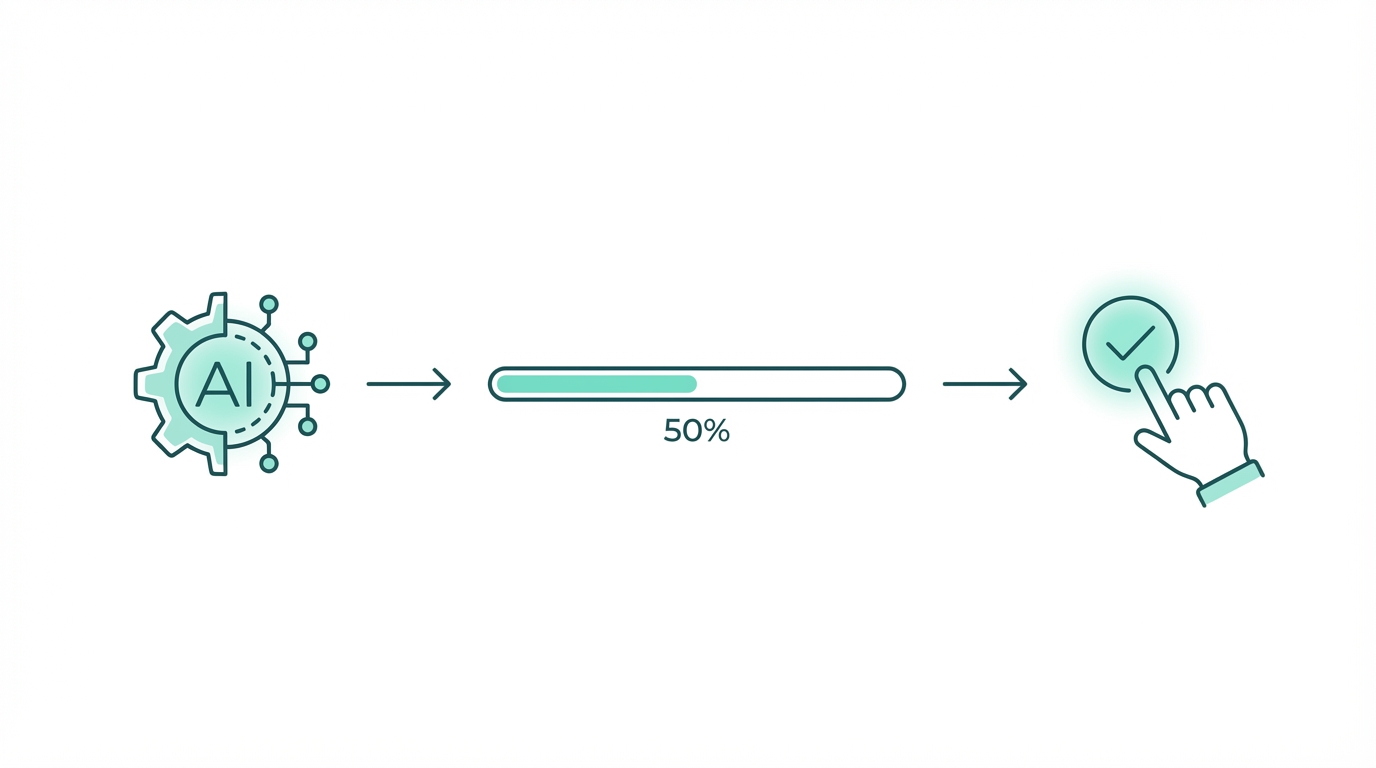
One of the most realistic aspects of computer use AI is that it occasionally hits a wall. The internet is full of obstacles—CAPTCHAs, login screens, and two-factor authentication. Google has addressed this through a Human-in-the-Loop (HITL) system. When Mariner encounters a task it cannot complete—such as being signed out of an account—it doesn't just crash. It raises a digital hand.
Inside the Mariner dashboard, tasks will change status to "Needs Your Attention." This allows the user to jump into the virtual session, perform the necessary login or decision-making intervention, and then hand the reins back to the AI. This hybrid model builds trust. You aren't giving an AI total, unsupervised access to your accounts; you are providing it with a guided environment where it can do 90% of the heavy lifting while you handle the 10% that requires human authority.
Scaling Productivity with Project Jules: Coding Agents
While Project Mariner handles web-based UI tasks, Google's Project Jules is designed to handle the technical backbone of a business. Jules is an autonomous coding agent that can be deployed to manage GitHub backlogs, fix bugs, and build new features. For companies dealing with mounting technical debt, the ability to let an AI "bash" through 30 bugs in a single minute is a transformative capability.
The combination of Mariner for business ops and Jules for technical ops creates a "superhuman" workflow. Imagine a scenario where Mariner discovers a bug reported by a user on a social forum, and Jules is automatically tasked with locating that bug in the codebase and drafting a fix. This level of inter-agent collaboration is the goal of modern AI labs development.
Future-Proofing: From Chat Threads to Automation Dashboards
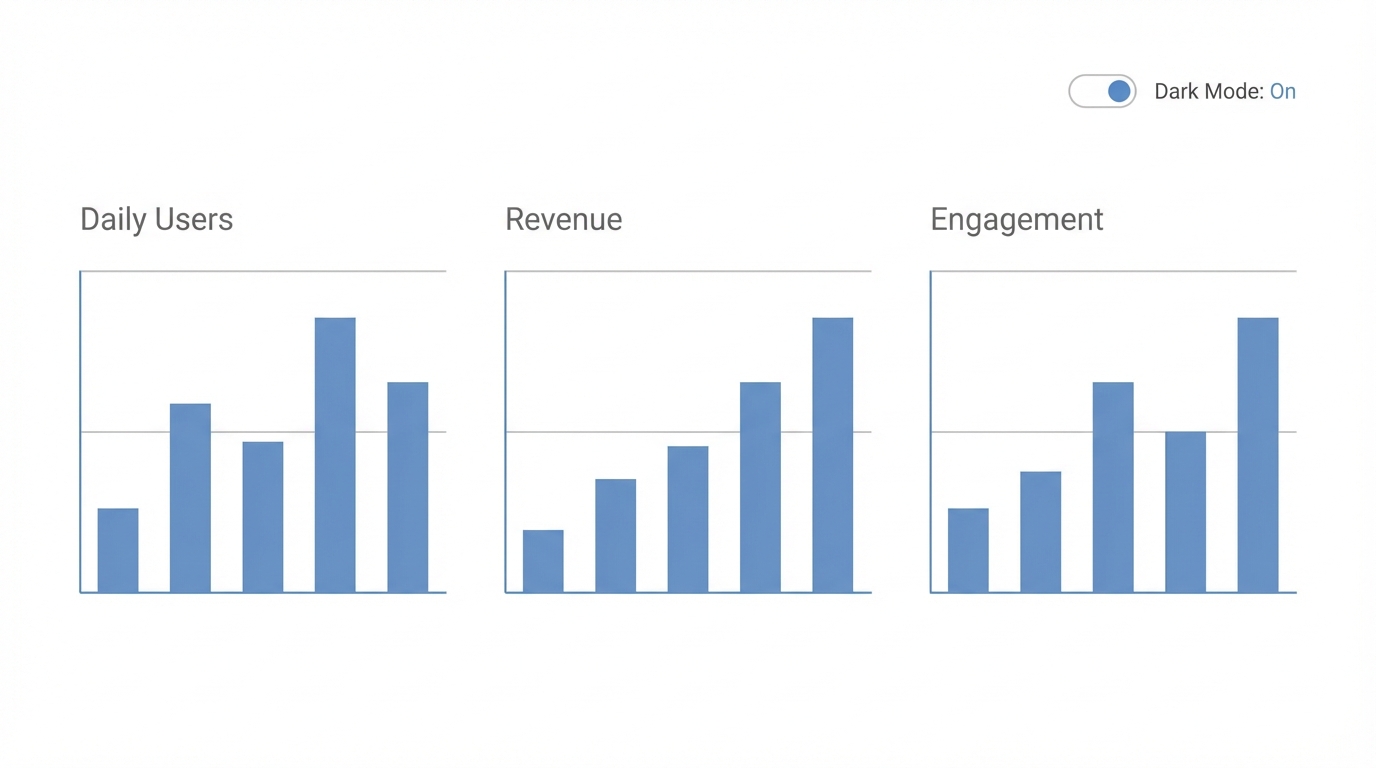
If you want to stay ahead in the next phase of the AI revolution, you must stop thinking of AI as a search engine and start thinking of it as an operating system. The era of long, winding chat threads is giving way to agentic dashboards. In this new model, your morning routine won't involve typing the same queries; it will involve checking your dashboard to see which tasks your agents completed while you slept.
To prepare for this shift, businesses should begin documenting their repetitive digital workflows. Any task that involves "Open Tab A, Copy Data B, Paste into App C" is a prime candidate for AI browser automation. Start by automating simple information digests. For instance, you can use Google Gemini to schedule a daily briefing of competitor moves or industry news, which delivers a curated report to your inbox every morning at a set time.
Furthermore, as you scale your influencer marketing or UGC efforts, using dedicated platforms like Stormy AI allows you to set up AI agents that handle discovery and personalized outreach on a daily schedule. This reflects the same philosophy as Project Mariner: moving away from manual searching and toward autonomous execution.
Conclusion: Starting Your Agentic Journey
The transition to AI agents for business is not a future possibility—it is happening now. Tools like Project Mariner, NotebookLM, and Project Jules are moving AI out of the "thinking" phase and into the "doing" phase. By mastering these tools today, you are positioning yourself to operate at a level of efficiency that was previously only possible for large enterprises with massive teams.
To get started, visit Google Labs to see which experimental features are available in your region. Begin by automating one small, recurring research task. Watch the agent work, learn how to intervene when it hits a login screen, and slowly build a dashboard of automated workflows. The best way to learn the era of computer-use AI is to stop reading about it and start playing with the tools. Your future virtual intern is waiting.