Welcome to the "efficiency era" of Amazon Advertising. As we move through 2026, the global ad revenue for the platform has surged to a staggering $82.07 billion, and the competition has never been more intense. With average CPCs for Amazon Sponsored Products hovering around $1.34, simply "bidding higher" is no longer a viable growth strategy. The real battlefield has shifted from the bidding auction to the creative canvas.
Shoppers in 2026 are experiencing peak scroll fatigue. Static ads now see a dismal average CTR of just 0.34%, while video content is the only format still capable of breaking the trance. Early data from Amazon UnBoxed indicates that Amazon Sponsored Products video ads can drive a massive 8x jump in conversion for shoppers who engage for more than five seconds. This guide is your 2026 playbook for mastering AI video ads, leveraging the new Creative Agent, and automating the messy back-office ops with an AI employee like Stormy AI.
The Rise of the Amazon Creative Agent
In late 2025, Amazon fundamentally changed the barrier to entry for video marketing by launching the Creative Agent within the Ads Console. This agentic AI tool allows sellers to generate high-quality video spots for free, using nothing but their existing Product Detail Page (PDP) data. You no longer need a $10,000 production budget to compete with national brands.
Step-by-Step: Generating Your First AI Video
- Navigate to the Creative Studio: Inside your Amazon Ads Manager, select the "Creative Studio" tab and choose "Create Video."
- Sync your ASIN: The Creative Agent will ask for your primary ASIN. It then scrapes your titles, bullet points, and A+ Content to understand your product's "contextual relevance."
- Define the Intent: Are you looking for a "Problem/Solution" vibe or a "Lifestyle/Aesthetic" spot? The AI uses the COSMO algorithm logic to ensure the video addresses the specific semantic queries Rufus is likely to recommend.
- Review and Customize: The agent will produce 3-5 variations. You can swap out the AI-generated voiceover, adjust the background music, or overlay specific text callouts like "304 Stainless Steel" or "Dishwasher Safe."
While these native tools are powerful, they are most effective when fed with real-world data. This is where Stormy AI excels—it can monitor which of your customer reviews are trending and feed those specific "hook phrases" into your creative prompts to ensure your AI video ads resonate with current buyer sentiment.
"The competitive advantage in 2026 won't come from just having AI. It will come from how effectively you integrate it into your creative and strategic processes." — Alan Moss, VP Global Ad Sales, Amazon Ads
The Spectrum of AI Ad Creative: UGC vs. Viral Concepts
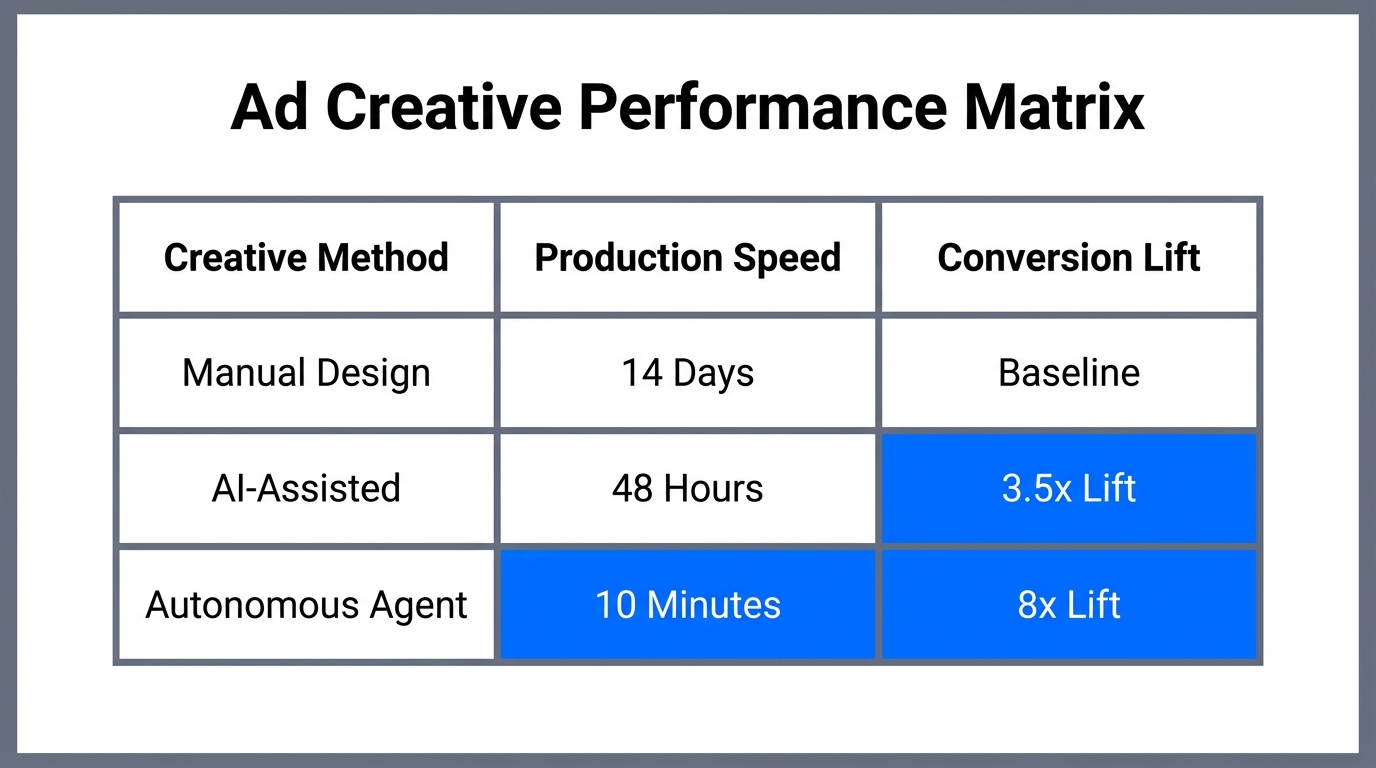
As an "agentic marketer" in 2026, you must manage a spectrum of content. On one end, you have Hyper-Realistic UGC (User-Generated Content); on the other, you have Unrealistic Scroll-Stoppers.
Realistic AI UGC
Consumers still crave the authenticity of a human face. Using platforms like Marketplaice or native AI actors, you can generate videos of "customers" unboxing and testing your product in specific environments (gyms, kitchens, offices). These ads are designed to build trust. If you are running a lean operation, Stormy AI can manage your actual human creator relationships—sending follow-ups to influencers who haven't posted and organizing the resulting video files into a library for your Amazon PPC campaigns.
Unrealistic Viral Hooks
To combat the 2026 "ad-blindness" peak, many brands are using Amazon ad creative 2026 trends like the "Talking Gorilla" or "Star Wars Selfie" concepts. These are 100% AI-generated and intentionally weird. They serve one purpose: to stop the thumb. Once the viewer is hooked by the absurdity, the ad transitions into a standard product demonstration. Testing shows that these "unrealistic" ads can have a 2x higher CTR than traditional lifestyle shots, even if the conversion rate is slightly lower at the bottom of the funnel.
| Creative Style | Primary Goal | Best Placement | Expected Lift |
|---|---|---|---|
| AI UGC | Trust & Conversion | Sponsored Products | 8x CVR Jump |
| Viral Concept | Attention / Hook | Top of Search | 2x CTR Boost |
| Creative Agent Spot | Cost Efficiency | Product Pages | 15% ACoS Drop |
Testing Strategies for the 5-Second Hook
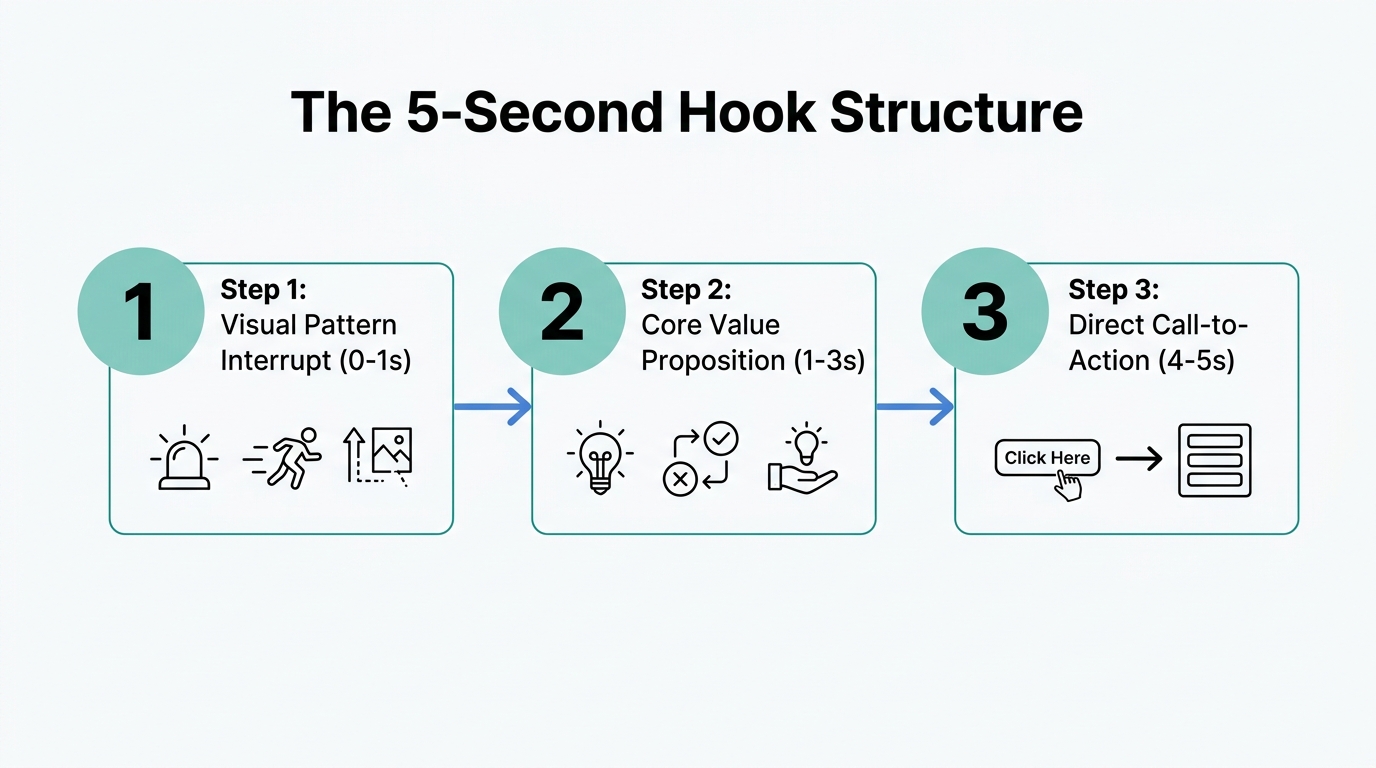
In 2026, the "Rule of 7" for new campaigns has evolved. You should no longer launch a single video and hope for the best. Instead, the Amazon UGC ads tutorial for high-performers involves testing 1-5 variations of the first five seconds of every video.
The 5-Second Sprint
Data from SellerMetrics shows that 70% of the drop-off in Sponsored Products video happens within the first 3 seconds. To win, you must test variations of your "hook":
- Variation A: A direct question (e.g., "Struggling with flat feet?").
- Variation B: A shocking statistic (e.g., "80% of runners wear the wrong shoe size").
- Variation C: A high-action visual (e.g., a shoe being flexed or submerged in water).
- Variation D: A Rufus-style comparison (e.g., "Why this shoe beats the top-seller").
While you focus on the creative strategy, Stormy AI can handle the "Rule of 7" baseline. It can wake up on Day 8 of a campaign, harvest the top-converting search terms, and automatically shift budget into a Manual Exact campaign for those winners, all while you're focused on the next viral creative concept.
"The ad is the targeting. In 2026, your ability to experiment at scale with different personas is the only moat you have left."
Implementing Interactive Features: Prime Video Pause Ads
One of the most exciting developments in Amazon PPC video marketing is the expansion of Interactive Pause Ads. This feature bridges the gap between high-intent Sponsored Products and top-of-funnel Streaming TV.
When a viewer pauses a show on Prime Video, a non-intrusive ad for a relevant Sponsored Product appears. In 2026, these ads allow for a "Direct Add to Cart" via the remote control. Brands like Wuffes have used these full-funnel campaigns to drive a 3.5x boost in brand favorability according to Tinuiti.
Linking these high-level ads back to your Sponsored Product inventory is critical. If your product goes out of stock, your Pause Ads should stop immediately. Stormy AI monitors your Shopify and Amazon inventory levels in real-time, and can be configured to flag your media buyer (or pause campaigns directly) the moment a stockout risk is detected, preventing thousands of dollars in wasted spend on unfulfillable orders.
Workflow Automation: The AI Ecommerce Employee
Success in 2026 requires more than just good ads; it requires a "contextual coordination" of your entire business. The "Complexity Trap" is real—manual management of dozens of video variations, creator follow-ups, and inventory-aware bidding hits a ceiling quickly.
This is where Stormy AI acts as your teammate. Instead of you spending hours in Meta Ads Manager and Amazon Seller Central trying to compare cross-channel performance, Stormy pulls the data into a single, dynamic spreadsheet.
Beyond creative, Stormy AI ensures your "back office" is running smoothly. It checks for suppressed listings or broken variants that could tank your ad performance, and it sends polite follow-ups to your suppliers when lead times are slipping. By automating the boring parts, you can focus on the high-level strategy that the 2026 market demands.
2026 Amazon Advertising Benchmarks
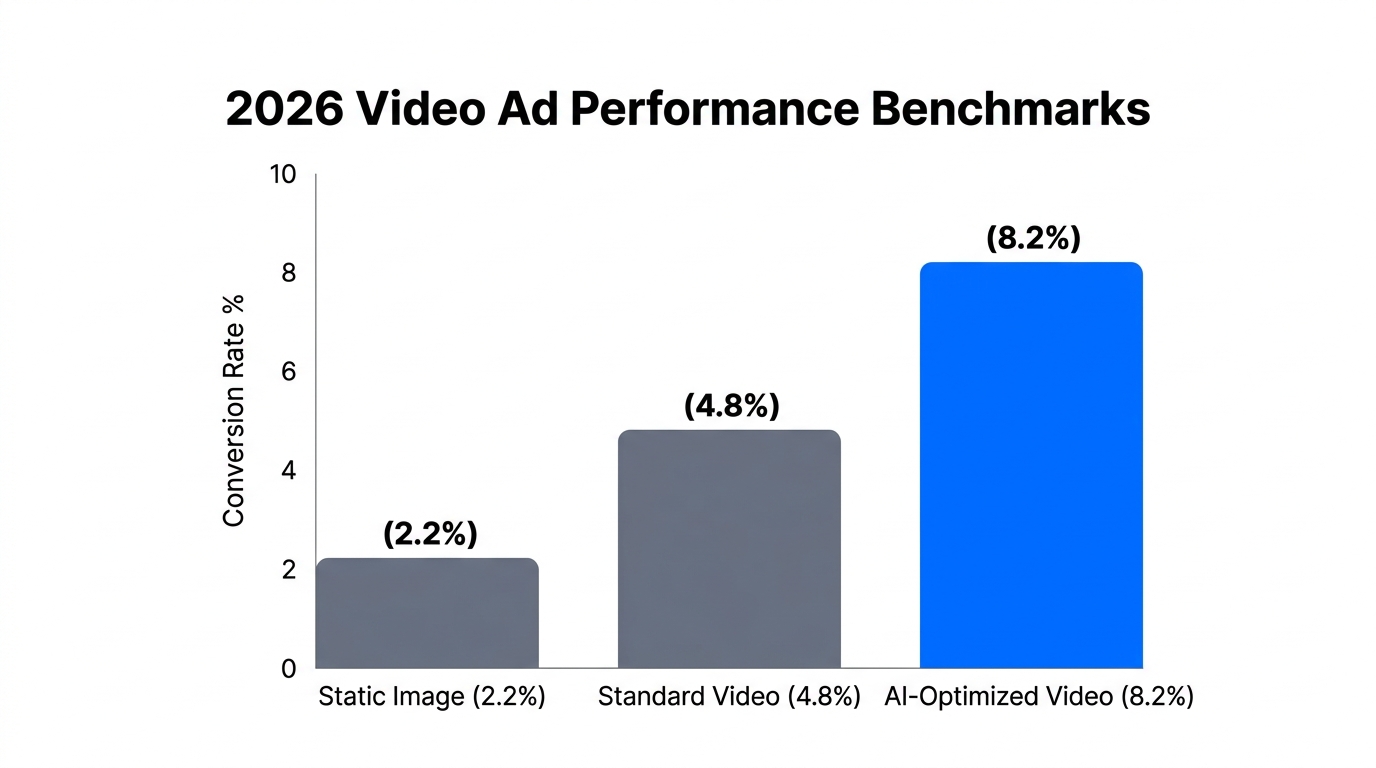
To help you gauge your performance, here are the current benchmarks for the "efficiency era" of Amazon Ads:
| Metric | 2026 Average | Top 10% Performers | Why it Changed |
|---|---|---|---|
| Conversion (CVR) | 10.2% - 11.5% | 18% - 22% | Rufus-mediated clicks convert 3.5x higher. |
| Avg. CPC | $1.34 | $0.64 | Top performers dominate high-intent long-tail keywords. |
| Average ACoS | 32.48% | 15% - 23% | AI video ads significantly lower friction to purchase. |
| NTB Rate | 28% | 35%+ | Video ads are 47% better at capturing "exploratory" shoppers. |
Conclusion: Optimize to Win
Amazon is no longer a "spend to grow" platform; it is an "optimize to win" platform. The 2026 winners are those who embrace the agentic marketer mindset—using tools like the Amazon Creative Agent to produce volume, and an AI employee like Stormy AI to handle the relentless follow-ups and data monitoring in the background.
Start by testing three video variations for your top-performing ASIN today. Focus on a 5-second hook that addresses a specific semantic query found in your Rufus-mediated search reports. As you scale, let the AI agents handle the messy back-office ops so you can remain the "Idea Guy" that Sam Altman predicts will define this era.
Ready to automate your ecommerce back office? Hire Stormy AI to run your creator programs, monitor your inventory, and keep your spreadsheets updated while you dominate the Amazon SERPs.