Amazon PPC management is undergoing a paradigm shift that is fundamentally changing how brand builders interact with their data. As of early 2026, the complexity of Amazon Marketing Cloud (AMC)—once the exclusive playground of high-priced data scientists and SQL experts—has been democratized. This transformation is driven by the introduction of the Model Context Protocol (MCP) by Anthropic, which acts as a universal bridge between advanced AI models and complex advertising data silos. In this guide, we will explore how to harness marketing data science for beginners using plain English, allowing you to bypass the technical debt of manual console navigation and go straight to growth-oriented insights.
The Rise of MCP: How Claude Connects to Amazon Ads
To understand why this matters, we first have to look at the technology. The Model Context Protocol (MCP) is an open-source standard described as the "USB-C for Large Language Models (LLMs)." According to reports on retailtechnology.co.uk, the integration of Claude AI with the Amazon Ads MCP Server (which launched in open beta on February 2, 2026) allows for a translation layer that converts conversational prompts into structured Amazon Ads API calls. Instead of downloading CSVs and running VLOOKUPs, you simply tell the AI what you want to achieve.
For small and medium-sized businesses (SMBs), the impact is measurable. Research from Statista indicates that sellers are saving an average of 5.6 hours per week—or roughly 30 working days annually—by automating amazon ads reporting and analysis through these agentic workflows. By late 2025, 74% of SMBs were already testing or actively using AI for their daily operations, seeking to capitalize on the 300% ROI often witnessed through real-time bid adjustments and reduced budget wastage.
"The shift from 'clicking and scrolling' to 'describing outcomes' is the most significant change in e-commerce marketing analytics since the launch of the Amazon Ads API itself."
Amazon Marketing Cloud Tutorial: Going SQL-Free
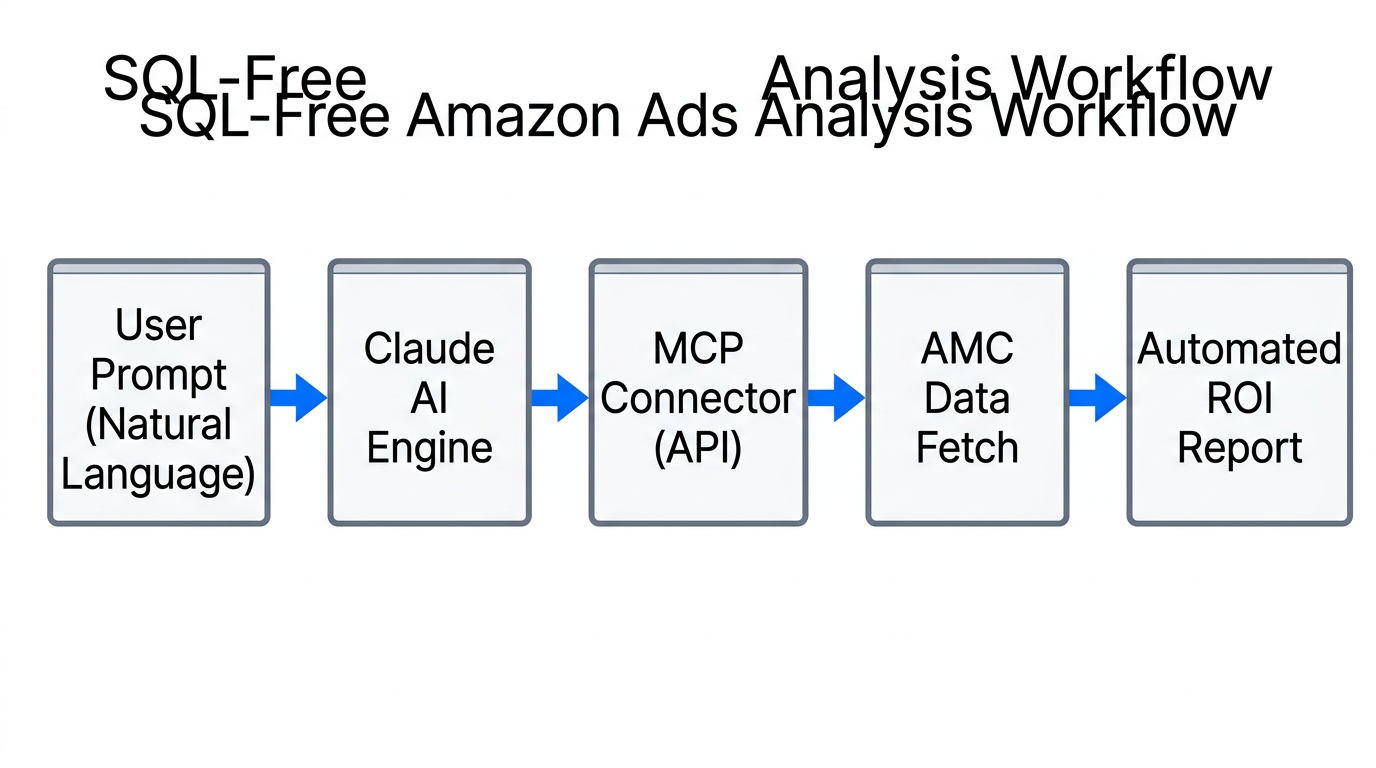
Traditionally, querying the Amazon Marketing Cloud required deep knowledge of SQL to join disparate datasets like Sponsored Products performance and Amazon DSP impressions. Now, using a hosted MCP server like Marketplace Ad Pros, you can treat Claude as a virtual data scientist. This is the ultimate amazon marketing cloud tutorial for those who want insights without the coding overhead.
By connecting Claude Desktop to your Amazon Ads account via an MCP bridge, you can execute complex multi-touch attribution reports using prompts like: "Analyze the path to purchase for customers who saw a DSP video ad and then clicked a Sponsored Products ad. What is the average time-to-conversion, and which keyword clusters are most efficient at closing the sale?"
| Feature | Traditional Amazon Ads Management | Claude MCP-Powered Management |
|---|---|---|
| Data Querying | Manual SQL / Console Exports | Natural Language Prompts |
| Attribution | Single-touch (usually last click) | Multi-touch via AMC Querying |
| Reporting Speed | Hours or Days | Seconds to Minutes |
| Skill Level | Advanced Data Analyst | Marketing Manager / Beginner |
Multi-Touch Attribution and Customer Sentiment Analysis
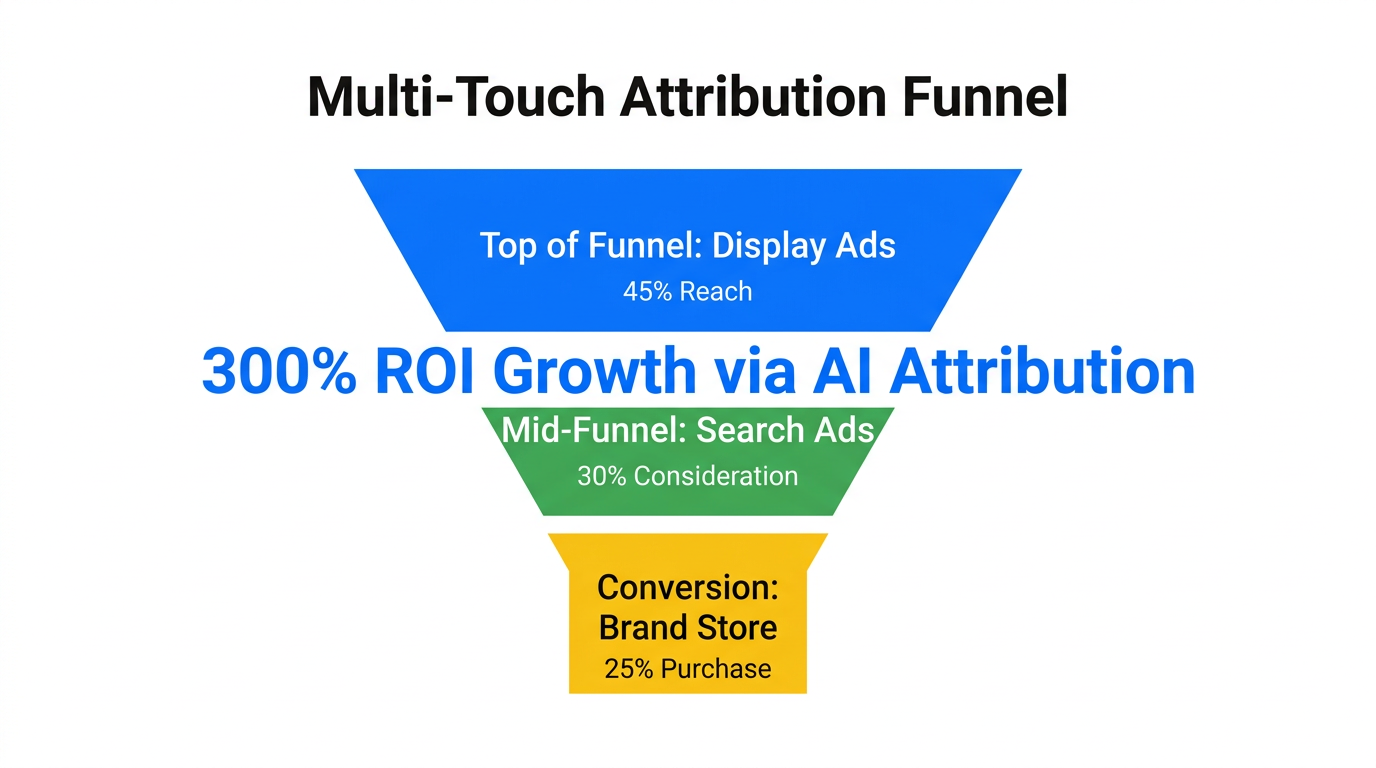
One of the most powerful applications of this technology is the ability to bridge reporting gaps. Tools like Adzviser allow Claude to pull real-time reporting data from Amazon, Google, and Meta Ads into a single view. This holistic approach to e-commerce marketing analytics ensures you aren't over-valuing one channel at the expense of another. For those utilizing external traffic sources, platforms like Stormy AI streamline creator sourcing and outreach, allowing brands to find the right influencers to drive high-intent traffic that shows up in these AMC reports.
Furthermore, Claude excels at customer sentiment analysis. You can ask the AI to analyze thousands of product reviews and identify the recurring pain points or praises that customers mention. Once these themes are identified, you can feed them directly into the Amazon AI Creative Studio to generate ad copy that resonates on a visceral level. For example, if reviews mention "easy one-handed operation," the AI can help you push that specific benefit into your Sponsored Brands Video experiments, which can be edited quickly using tools like CapCut or Canva.
Using AI to Identify 'Message-Market Mismatches'
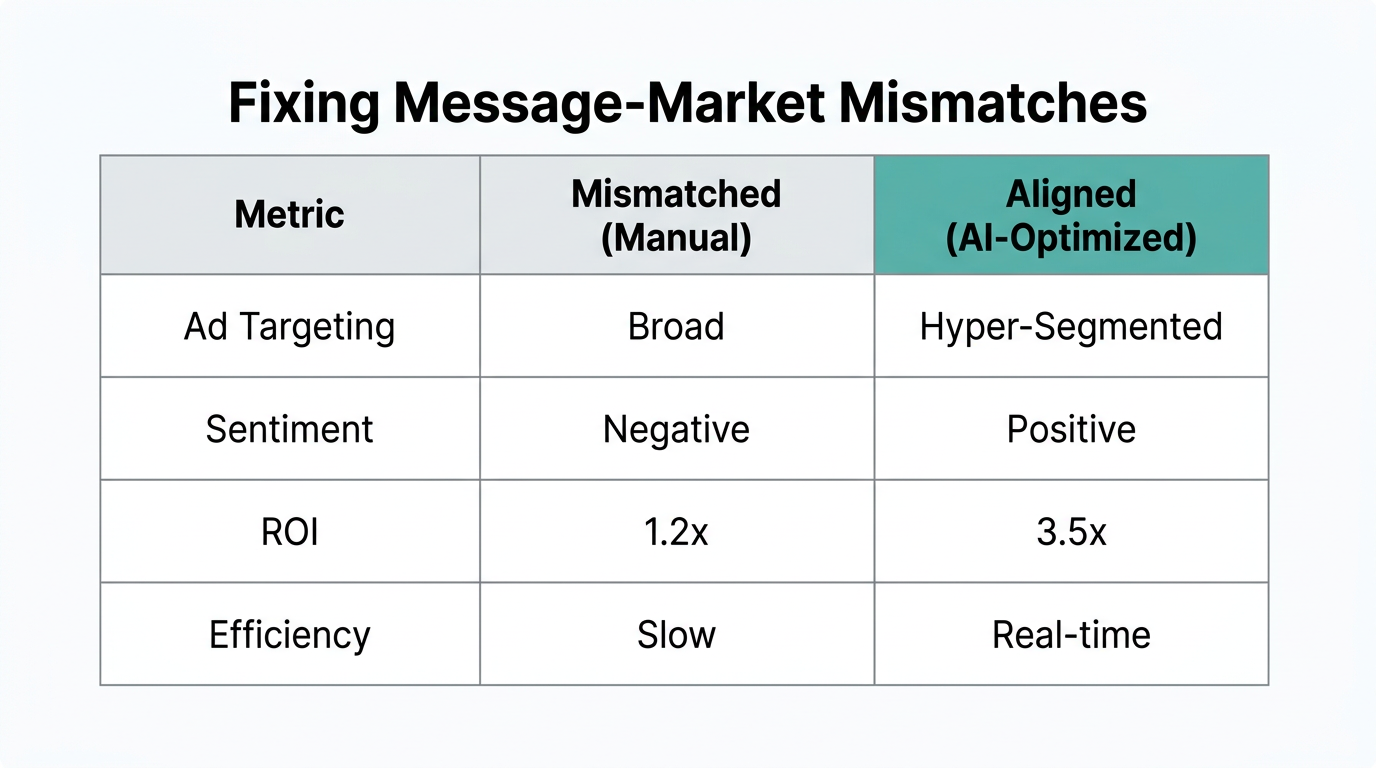
Even the best data can miss the message-market mismatch if it isn't analyzed correctly. When your Amazon Ads data is paired with creator-led campaigns managed via Stormy AI, you can see which specific demographics respond to different messaging styles. Using Claude MCP, you can cross-reference your amazon marketing cloud data with your Notion marketing calendar or Google Analytics to see if specific creative assets are underperforming relative to the audience they are reaching, allowing for instant pivots in your 2026 growth strategy.