In the current digital landscape, the volume of content required to stay relevant is staggering according to recent industry reports. Most creators feel like they are on a treadmill, sprinting to produce newsletters, threads, and LinkedIn updates while the quality of their work slowly erodes. However, a new breed of high-volume creators is breaking this cycle. By treating Large Language Models (LLMs) like Claude not just as a generator, but as an Editor-in-Chief, they are producing thousands of words daily without losing their unique human voice. This AI content strategy isn't about letting a machine think for you; it is about building a system that captures your raw genius and refines it with surgical precision.
The 'Walking Workflow': Capturing Raw Insights

One of the biggest hurdles in content creation is the 'blank page' syndrome. Sitting at a desk often kills creativity. High-growth founders like Rowan Cheung, the founder of The Rundown, have pioneered the 'Walking Workflow.' Instead of staring at a cursor, the workflow begins with voice to text content creation during a Sunday walk.
Using tools like WhisperFlow, you can dictate raw, unfiltered thoughts as they come to you. The key is to start from nothing or a loose concept in your notes. When you are away from Slack and the noise of the office, your brain enters a flow state. By jamming on ideas through voice dictation, you capture the human insight and experience that AI lacks. This raw transcript is the 'soul' of your content, ensuring that the finished piece feels authentic because the core ideas originated from your voice, not a prompt.
Training the LLM: Specialized Claude Writing Prompts
Once you have your raw voice notes, the next step is training the LLM. You cannot expect Claude to sound like you if you haven't shown it what 'you' sound like. This is where most people fail; they use generic prompts and receive generic results. To implement a successful AI content strategy, you must feed the model your best work.
Gather your top 10 to 20 performing tweets, LinkedIn posts, or newsletter segments. Use a structured prompt—leveraging Anthropic's prompt engineering best practices—that says: 'I am going to provide you with examples of my writing style. Analyze the tone, sentence structure, and vocabulary. From now on, you will act as my Editor-in-Chief, helping me refine raw notes into this specific voice.' By dropping these examples into Claude, you create a dedicated environment that understands your nuances. When you push your Whisper transcripts into this trained chat, the output is already 90% ready, saving you hours of manual drafting.
The 'Editor-in-Chief' Model: Refinement, Not Generation
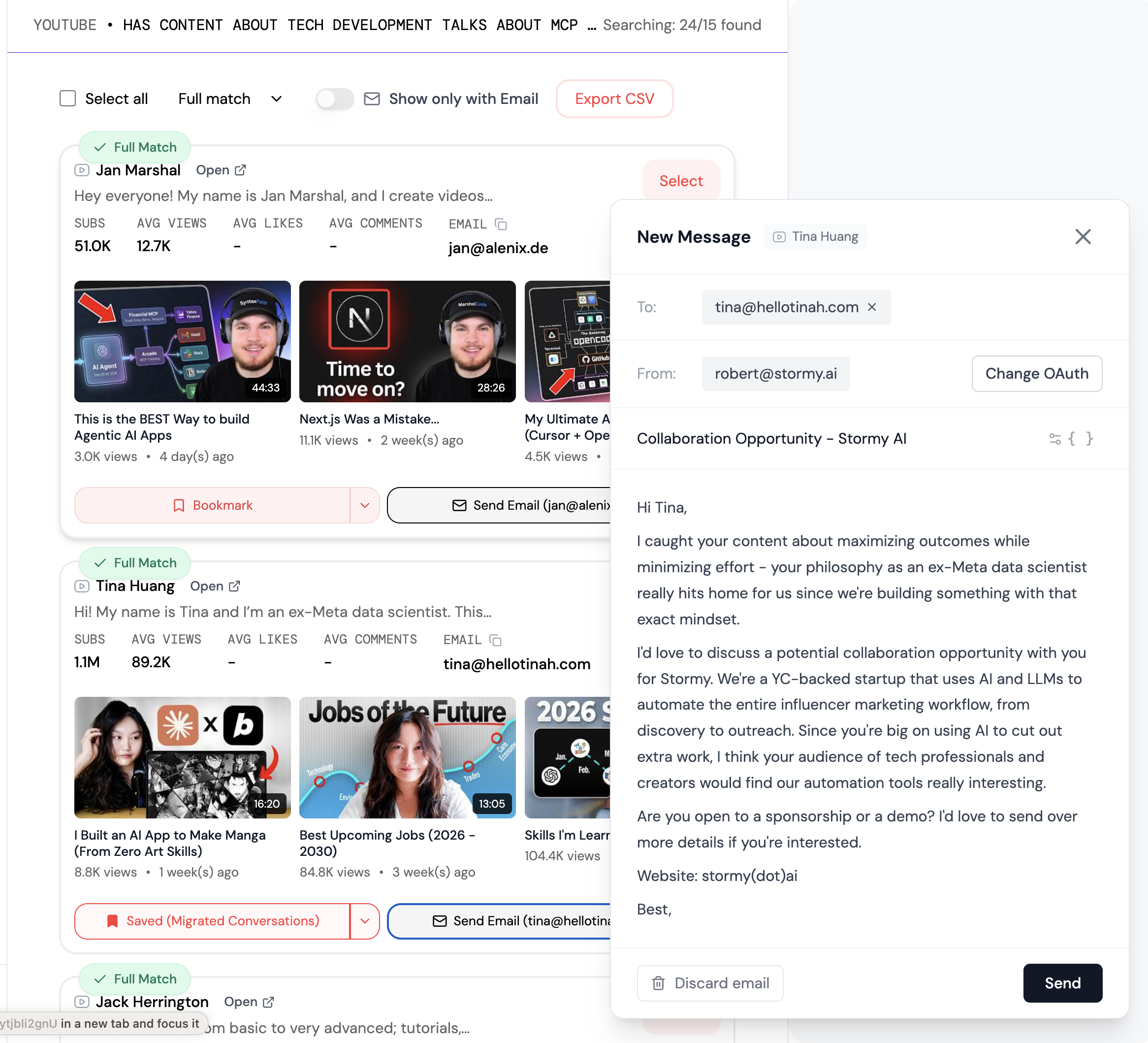
The secret to high-quality AI content is never to copy-paste. Rowan Cheung emphasizes that while Claude is excellent at getting you to the 90% mark, the final 10% is everything. This is the 'Editor-in-Chief' model. You don't ask the AI to write the article; you ask it to make your writing better.
Write your draft by hand or via dictation, then use Claude as a co-editor. Ask it: 'How can I make this bullet point more punchy?' or 'Can we make this two words shorter to fit our email format?' This back-and-forth process creates a superior final product because you remain in control of the logic while the AI handles the mechanical polish. It actually takes more time to edit this way than to simply generate a post, but the quality of your newsletter growth depends on that extra layer of human vetting.
Nitty-Gritty Hacks: Managing Context and 'Saving' Progress
A common frustration with using an AI editor for creators is the 'chat context window.' As a conversation gets longer, Claude eventually hits a limit and asks you to start a new chat. When you start a new chat, you lose the 'training' you’ve done on your voice. However, there is a simple hack to keep your trained threads alive for weeks.
Instead of starting a new thread, scroll back up to a previous message—perhaps one from yesterday—and hit the edit button. By editing an old message, you effectively 'branch' the conversation and delete the bottom portion of the chat that was clogging the memory. This allows you to stay within the same Claude AI writing prompts environment indefinitely. You keep the context of your writing style without hitting the token wall.
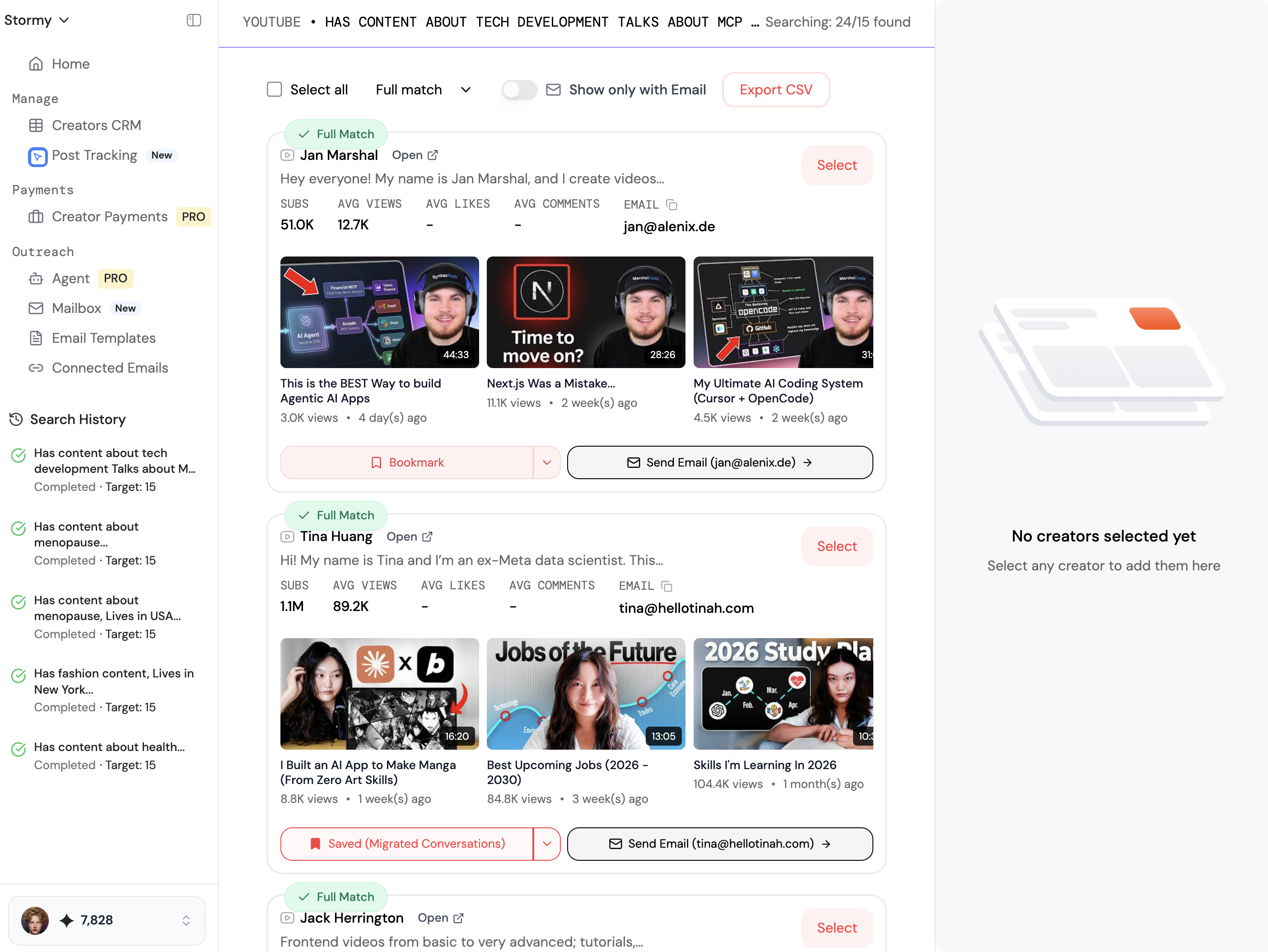
For brands scaling their creator efforts alongside their internal content, platforms like Stormy AI streamline creator sourcing and outreach, ensuring that your external UGC content partners are vetted with the same level of quality control you apply to your own writing.
Platform-Specific Optimization: One Idea, Three Formats
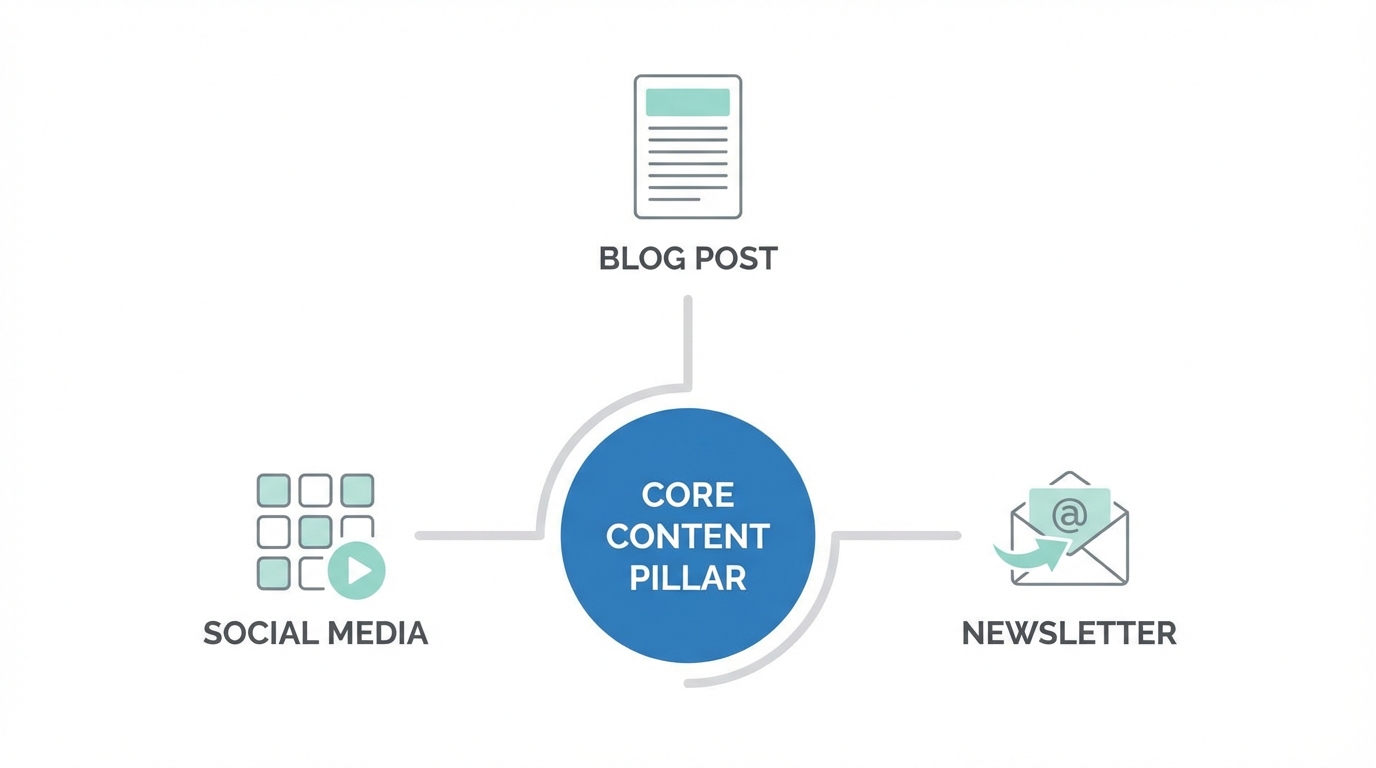
An effective AI content strategy hinges on distribution. Once you have a winning insight captured on your walk, your AI Editor-in-Chief should help you atomize it. A single insight can be transformed into a newsletter lead, a Twitter (X) thread, and a LinkedIn post. For example, the ElevenLabs and HeyGen workflow allows creators to turn text-based newsletters into short-form video avatars, expanding reach across platforms like Instagram and TikTok without extra filming time.
Ask Claude to specifically reformat your edited draft: 'Now, take this newsletter section and transform it into a 5-tweet thread for X that focuses on the 'hooks' we've analyzed previously.' This ensures consistency across channels while respecting the unique 'vibe' of each social network.
Scaling the Business: Operations and New Hires
Beyond content, AI for newsletter growth requires efficient operations. As your content brings in more leads, you shouldn't be bogged down by scheduling or onboarding. High-volume creators use Lindy.ai to create AI scheduling agents that respond to leads within 60 seconds. This 'instant response' ensures you book meetings while the prospect is still thinking about your content.
Furthermore, onboarding new hires can be automated using custom GPTs. By training a GPT on your company's SOPs, Loom transcripts, and HR policies, you create a 24/7 assistant for your team. The rule is simple: 'Don’t ask a question you haven’t asked the GPT first.' This frees up your mental capacity to focus on the high-level strategy and the creative 'soul' of your brand.
Conclusion: Building Your Content Moat
The goal of using AI content strategy isn't to replace yourself; it is to amplify your output while protecting your time. By using voice dictation on walks, training Claude on your specific style, and acting as a meticulous Editor-in-Chief, you can produce content that resonates on a human level at a frequency that was previously considered impossible. Start by capturing your next big idea on a walk, and let the AI handle the mechanical heavy lifting while you focus on the insight that only you can provide.