In 2026, the marketing landscape has undergone a seismic shift from technical optimization to what industry leaders call vibe orchestration. As generative tools have commoditized the production of content, brands are no longer competing on the sheer volume of output. Instead, the new battlefield is emotional resonance, cultural timing, and sensory texture. According to recent market data, searches for vibe marketing have plummeted into the mainstream, skyrocketing by 686% since 2024 as marketers abandon cold, data-driven funnels for identity-rich brand worlds.
This transition marks the end of the "AI slop" era—a period defined by generic, overly polished, and ultimately forgettable synthetic content. Today, the most successful campaigns leverage Runway AI for marketing and sophisticated Midjourney brand aesthetics to create "intentional imperfection." This playbook will guide you through the transition from sterile advertisements to cinematic experiences that feel human, textured, and deeply resonant.
The Shift from Sterile Stock to Intentional Imperfection
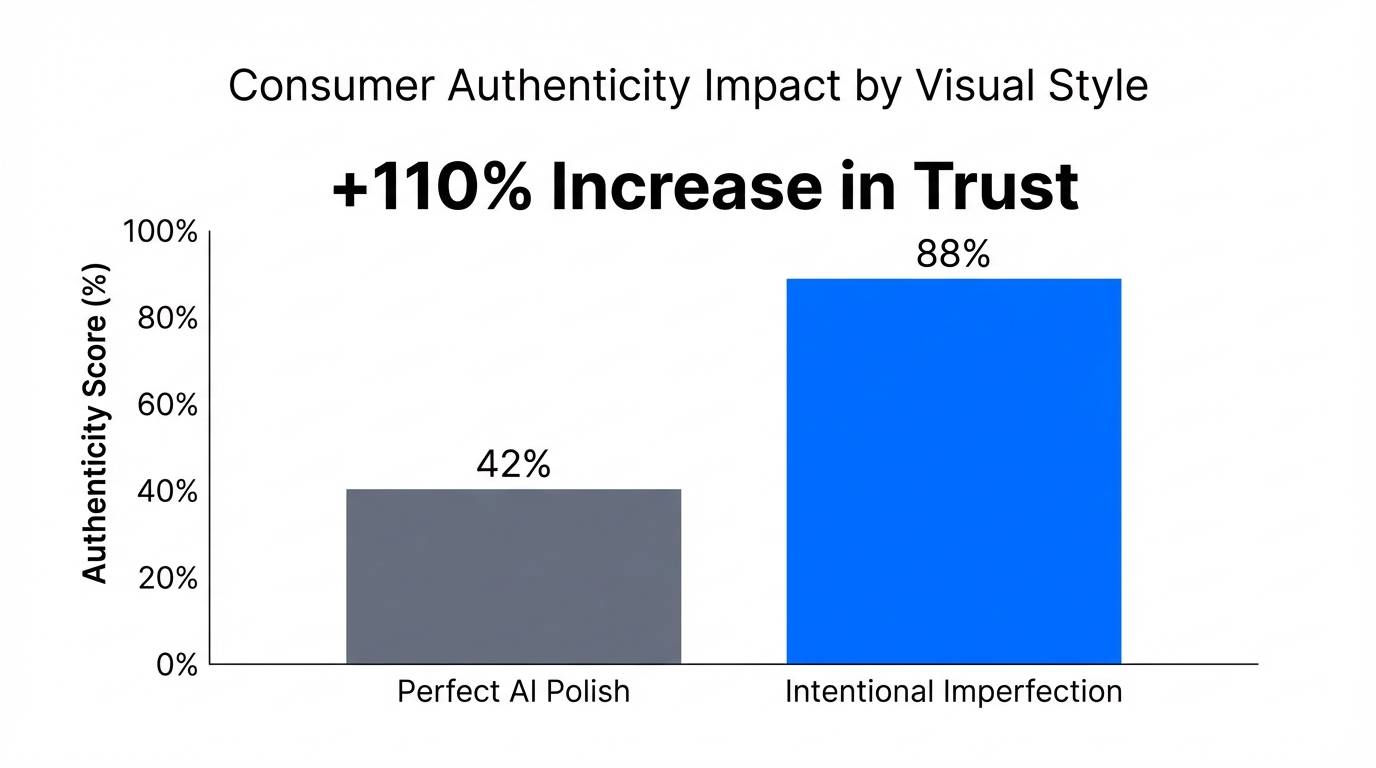
For decades, stock photography and high-gloss production were the gold standards of professional marketing. However, by 2026, 88% of consumers report prioritizing "authenticity" over polish. The uncanny valley of perfect AI faces has led to a backlash against over-optimized imagery. Marketers are now using Midjourney not to create perfection, but to simulate the grainy, light-leaked, and slightly flawed look of analog film.
To master this, brands are shifting their prompts away from "high resolution, 8k, realistic" toward descriptors like "35mm film grain, overexposed, candid, handheld motion." This approach moves the viewer away from the feeling of being sold to and toward the feeling of experiencing a brand. By integrating these textures, small marketing teams of 1-3 people are reporting an 80% reduction in production costs while maintaining a high-fidelity aesthetic that rivals major agencies.
"In 2026, the most valuable asset a brand owns isn't its data—it's the specific, uncopyable 'vibe' that its audience identifies with."
Building Cinematic Brand Worlds with Runway
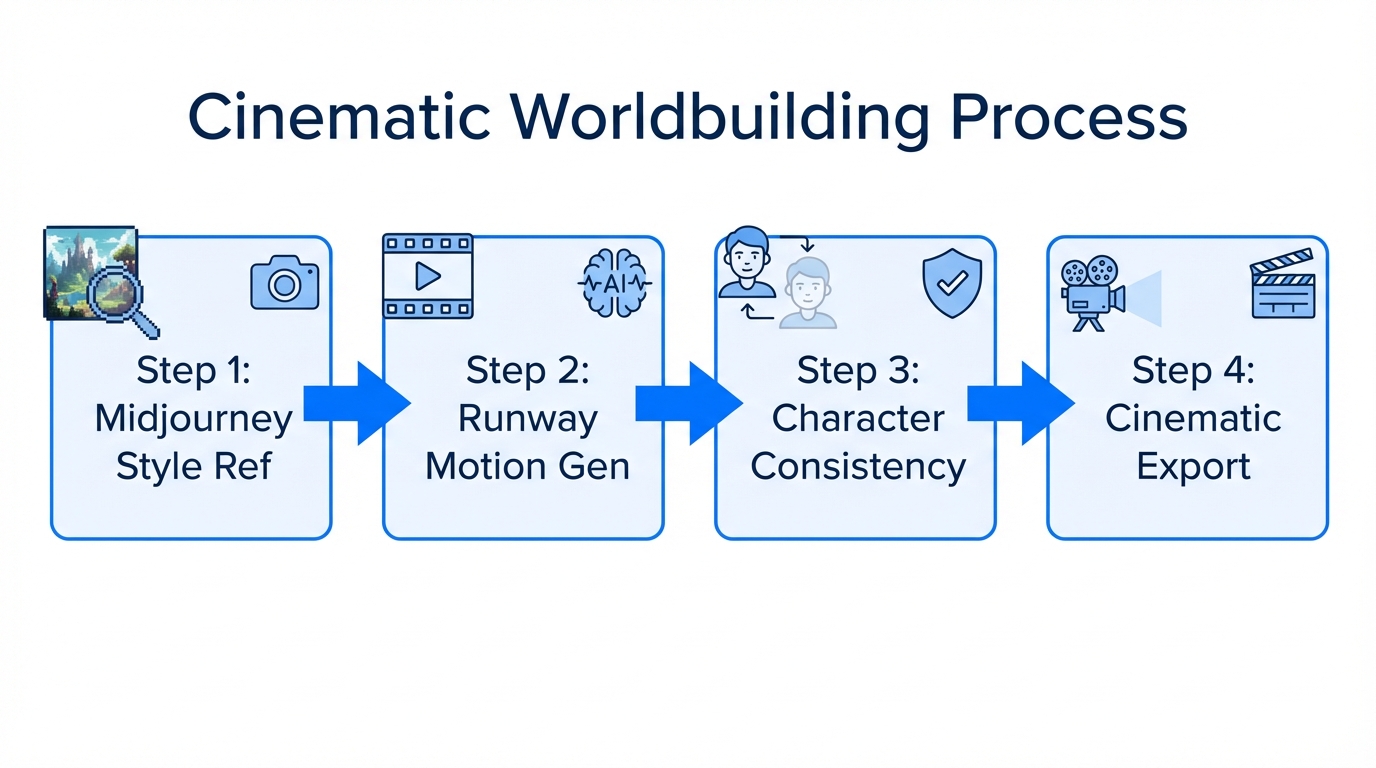
If Midjourney provides the texture, Runway provides the soul. Generative AI video marketing has evolved from 2-second clips of melting faces to stable, cinematic environments. In 2026, the goal is to build a "Brand World"—a consistent visual and atmospheric universe that persists across every touchpoint.
Step 1: Establishing the Visual Anchor
Start by generating a series of high-fidelity "anchor images" in Midjourney. These should define your brand’s color palette, lighting style, and environmental textures. Use these as image prompts in Runway's Gen-3 Alpha (or the latest iteration) to ensure temporal consistency. This prevents the flickering and morphing common in lower-tier AI video.
Step 2: Directing the 'Vibe'
In 2026, video prompts are less about action and more about atmosphere. Instead of prompting "a person drinking coffee," a vibe-first marketer might prompt "the golden hour light hitting a steam-filled kitchen, 1970s interior, nostalgic and quiet." This shift in Runway AI for marketing allows brands to create mood-based sequences that act as digital wallpaper for social platforms like TikTok and Instagram.
| Feature | Traditional Ad Production | Vibe-First AI Workflow |
|---|---|---|
| Cost | $50k - $250k+ | $500 - $5k |
| Turnaround | 4-12 Weeks | 2-48 Hours |
| Flexibility | Rigid / Reshoots required | Infinite / Iterative |
| Consumer Trust | Low (Feels like an ad) | High (Feels like a mood) |
Testing Resonance with Digital Twin Customer Personas
One of the most radical shifts in 2026 is the use of digital twin customer personas. Before launching a multi-million dollar campaign, 47% of Fortune 500 companies now use AI to simulate how their target audience will react to specific visual stimuli. By feeding customer data into tools like GrowthLoop, marketers can create a representative AI model of their audience.
These "twins" can be exposed to different versions of a generative AI video marketing campaign to see which "vibe" (e.g., nostalgic vs. high-energy) triggers the highest emotional engagement. This predictive modeling helps brands avoid the common mistake of "AI slop" by ensuring every creative choice is pre-validated by a simulated version of the community they serve.
Combating the Uncanny Valley with Human-Centric Aesthetics
The greatest risk in 2026 is the "uncanny valley"—the point where AI looks almost human but feels eerily off. To combat this, elite brands are leaning into "Anti-Algorithmic" vibes. This involves intentionally integrating messy, unpolished, and mascot-led content into their high-production AI creative. Think of Duolingo’s chaotic social presence as the blueprint.
To ground your AI-generated cinematic worlds, you must anchor them in real human experiences. This is where authentic human sourcing becomes critical. While AI can build the world, platforms like Stormy AI streamline creator sourcing and outreach, allowing brands to discover UGC creators who provide the raw, handheld "reality" that bridges the gap between high-art AI video and relatable human life. By using Stormy AI to source creators for specific campaign niches, you can layer real human reactions over cinematic AI backgrounds, creating a hybrid aesthetic that feels both premium and trustworthy.
"The future of creative isn't AI replacing humans; it's AI building the stage while humans provide the performance."
The 2026 Vibe Marketing Tech Stack
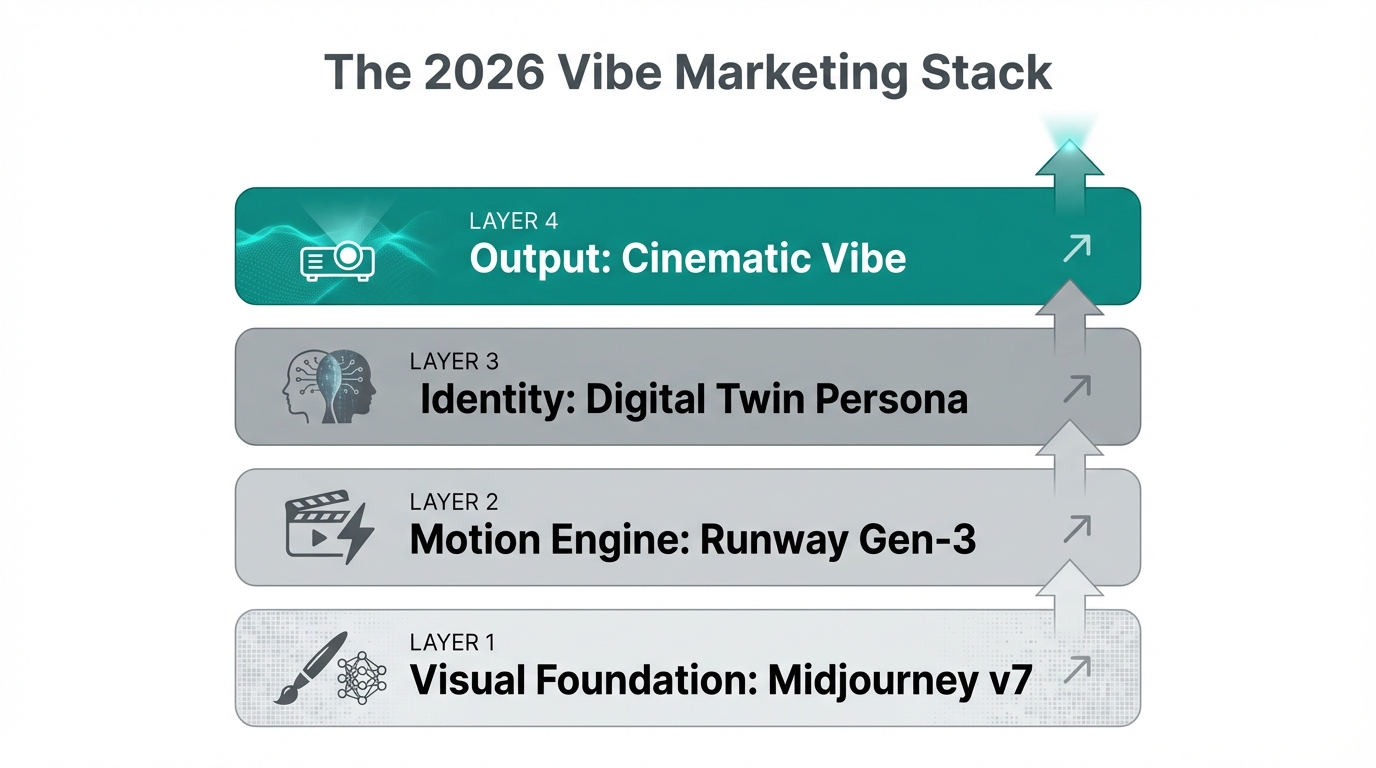
Building a vibe-first brand requires a modern tech stack that prioritizes creativity over raw data entry. Small teams using these "vibe stacks" report saving an average of 13-14 hours per week on manual tasks. Here is the ecosystem you need to master:
- Strategy: Notion or ChatGPT for generating "vibe briefs" and campaign scripts.
- Visuals: Midjourney for Midjourney brand aesthetics and Runway for cinematic motion.
- Social Proof: Tools like Stormy AI to manage creator outreach and ensure your brand maintains a human pulse.
- Sound: Amp for sonic branding that triggers emotional recall.
- Performance: Atria for creative intelligence and analyzing which "vibe" drives ROAS.
Case Study: Heinz and the Cultural 'Vibe'
Heinz remains the definitive case study for vibe marketing. Recognizing that their brand was culturally synonymous with "ketchup," they launched a campaign where they asked various AI image generators to simply "draw ketchup." The AI consistently generated images that looked like Heinz bottles.
By leaning into AI-driven play, Heinz didn't just show a product; they reinforced a cultural fact. They used AI to prove their dominance in the collective subconscious. This is the essence of vibe marketing: it’s not about the pixels, it’s about the underlying truth those pixels represent. Brands like Spotify followed suit with their AI DJ, which personalized the "vibe" of music discovery, leading to a 40% increase in weekly engagement.
Conclusion: From Prompts to Presence
Mastering vibe marketing in 2026 requires a shift in mindset. You are no longer just a marketer; you are a world-builder. By utilizing Runway AI for marketing to build cinematic environments and Midjourney to refine your brand’s aesthetic texture, you can move past the era of digital noise.
The goal is to move from simply writing prompts to establishing a lasting brand presence. Whether you are using Lovable to code custom brand experiences or using Stormy AI to automate your creator discovery, the core mission remains the same: be human, be textured, and be intentional. The brands that win in 2026 will be the ones that consumers don't just see, but feel.