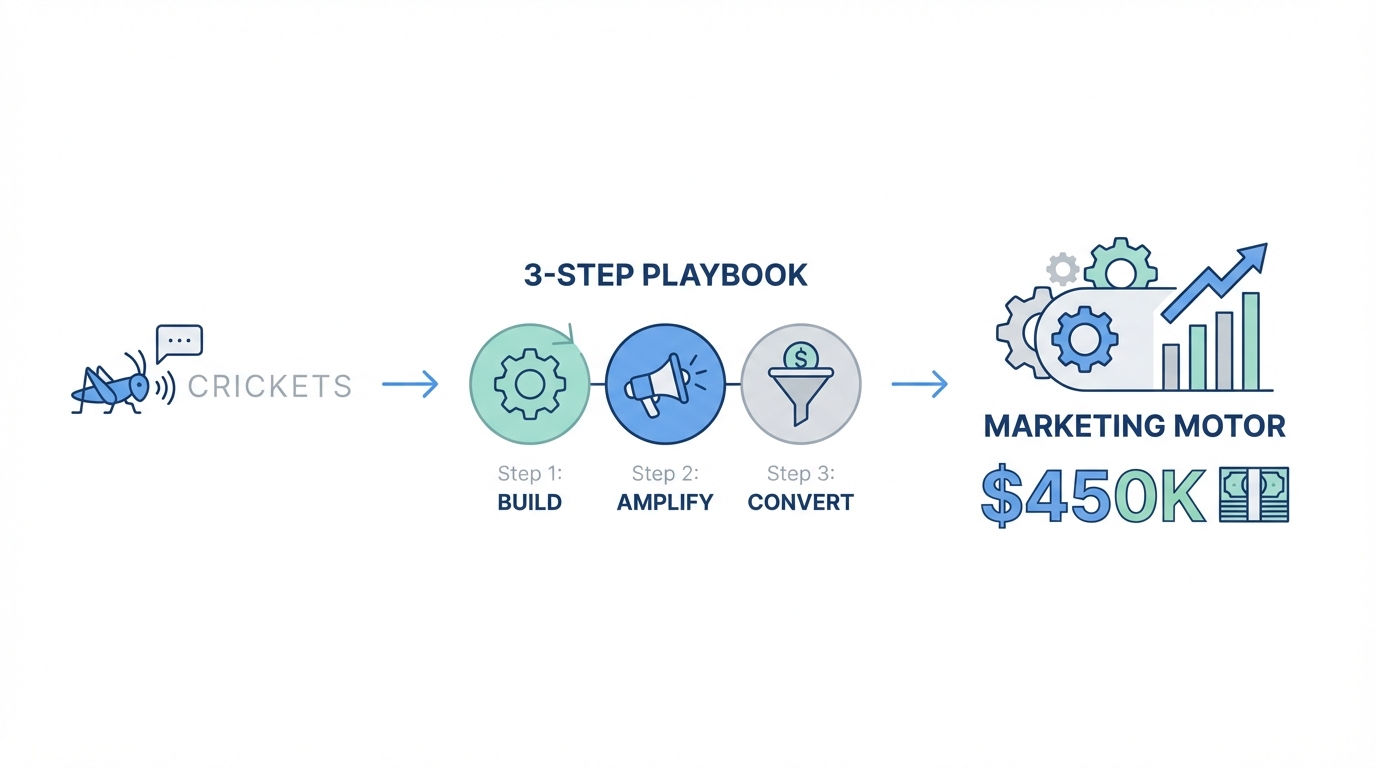
You have spent weeks, maybe months, vibe coding the perfect product. You have polished the UI, automated the backend, and finally hit 'deploy.' Then, nothing happens. It is the sound of crickets. No users, no credit cards, no passive income. This is the 'Builder Trap,' and it is where most technical founders fail. To move from crickets to consistent dollar signs, you need to stop thinking like a developer and start thinking like a promoter. You need to build a marketing motor—a systematic marketing funnel for startups designed to turn raw attention into scalable revenue.
The CEO Trap: Why Your Best Code Won't Save You
The biggest misconception among founders today is that 'if you build it, they will come.' We see innovators on X/Twitter sharing complex AI automations and vibe-coded systems, but rarely do they share their bank statements. As Jonathan Courtney of AJ&Smart notes, your job as a CEO is not to build stuff; it is to promote your business. Even the most technical leaders in the space, from the CEO of Anthropic to Pieter Levels, spend over 50% of their time on promotion. If you are not out there making your product known, you are just building a 'procrastination station' for yourself.
Think of your startup like a restaurant. You can have the most advanced, automated kitchen in the world, but if you never tell a single person the restaurant exists, it will die. A successful customer acquisition strategy requires you to embrace the role of the promoter. This does not mean you stop building, but it means you must create a 'motor' that operates even when you are deep in the code. This motor consists of three distinct layers: Traffic, the Holding Pattern, and Selling Events. When these three work in harmony, you stop guessing where your next user is coming from and start generating revenue for SaaS predictably.
Step 1: The Traffic Layer—Fueling the Motor
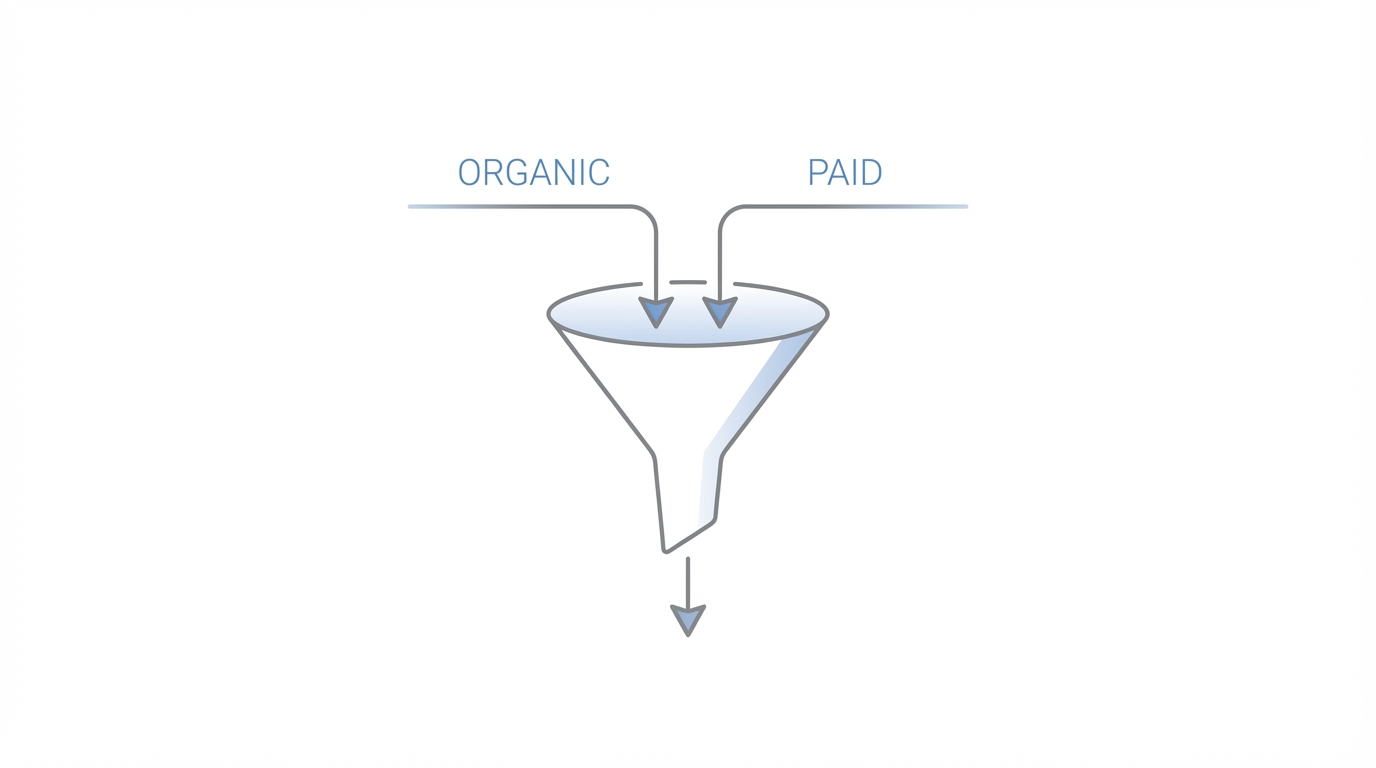

The first part of any lead generation playbook is the Traffic Layer. This is how you get eyes on your world for the first time. There are only two ways to do this: organic or paid. Organic traffic involves going on podcasts, running events, and creating free content on social media. Paid traffic involves using platforms like Meta Ads Manager or Google Ads to buy attention. The mistake most founders make is pushing this traffic directly to a 'Buy Now' button. Cold traffic rarely converts immediately; instead, you should push traffic into a 'Holding Pattern.'
For mobile-first startups, traffic often starts with Apple Search Ads or influencer collaborations. When sourcing talent for these campaigns, modern platforms like Stormy AI streamline creator discovery and vetting, making it easier to find voices that resonate with your niche. The goal here is exposure. Whether you are guesting on a podcast or running TikTok ads, you are performing a 'pre-pitch.' You are making people aware of your presence and your expertise. By treating traffic as the 'oxygen' of your business, you ensure that your motor always has the fuel it needs to function. Without a constant stream of new traffic, the rest of your marketing automation framework has nothing to process.
Step 2: The Holding Pattern—Owning the Attention
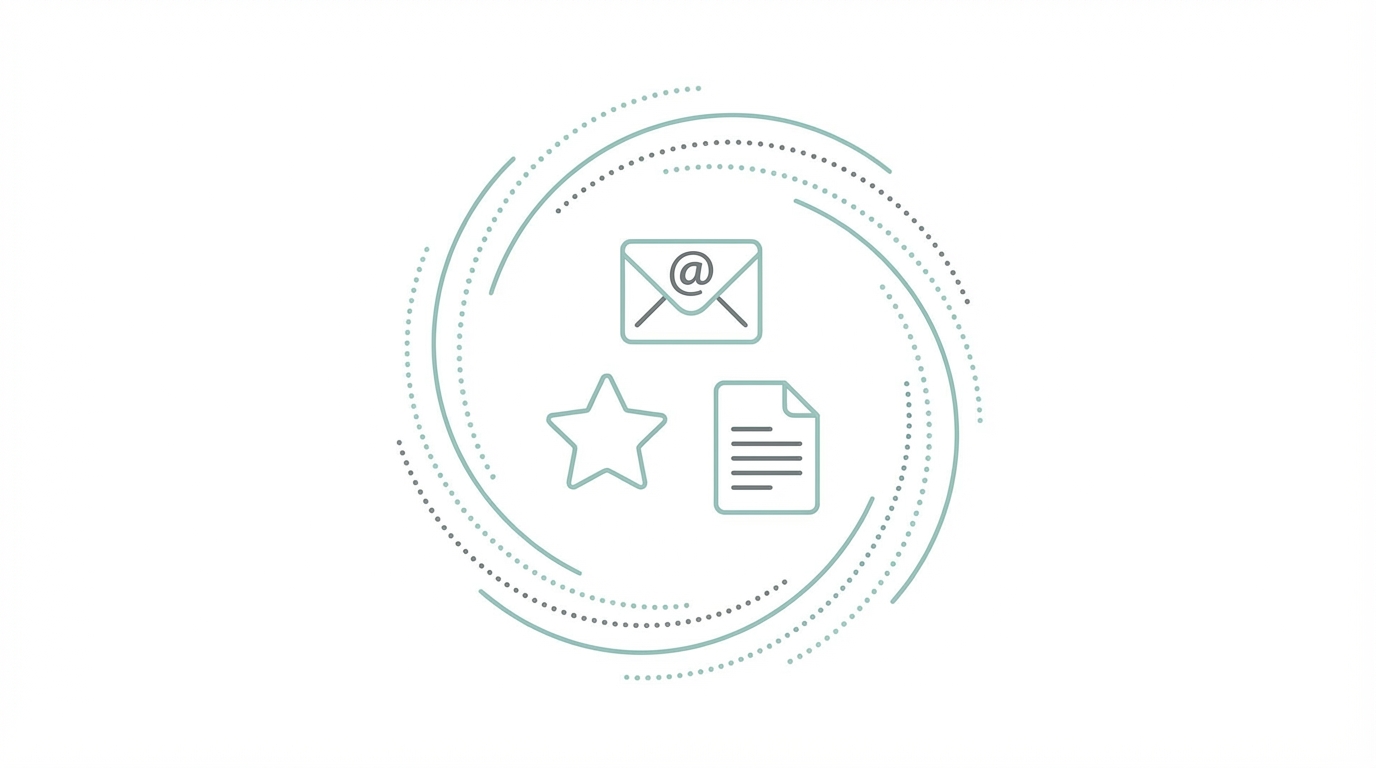
Once you have someone's attention, you cannot afford to lose it. This is where the Holding Pattern comes in. This is a space—like an email newsletter on Beehiiv, a Substack, or a Notion community—where you provide consistent value without constantly pitching your product. It keeps your audience 'warm.' If someone signs up for your newsletter, they are essentially giving you permission to stay in their world. This is the difference between a one-time visitor and a long-term lead.
A holding pattern allows you to build trust. Look at successful creators who use their social accounts to share personal updates or high-value tips. They are not selling 24/7; they are maintaining their sphere of influence. For example, your biggest holding pattern might be an email list managed through Shopify or a custom CRM. By providing regular value, you ensure that when you finally do host a selling event, you have a captive audience ready to listen. This layer is crucial for marketing for startups because it lowers the cost of future acquisition.
Step 3: Selling Events—Turning Attention into Revenue
The final stage of the motor is the Selling Event. This is the bridge between 'I know who you are' and 'I am buying your product.' A selling event can be a live webinar hosted via Zoom, a product demo, a limited-time email campaign, or a workshop. This is where you make a clear push for a conversion. High-growth companies like Superhuman use this marketing automation framework by running webinars to show teams how their tool works, rather than just hoping people figure it out on their own.
If you have 4,000 people in your holding pattern, a well-executed webinar might convert 10-15% of those into customers. If they do not convert, they simply fall back into the holding pattern until the next event. You can also use retargeting tools to show ads to people who are already in your world, nudging them toward the finish line. Every selling event is an opportunity to collect data and refine your pitch. If a specific campaign generates $450,000, you can look back at the lead generation playbook and see exactly how many people you needed at the top of the funnel to make that happen.
The Math of the Motor: Analytics and Forecasting
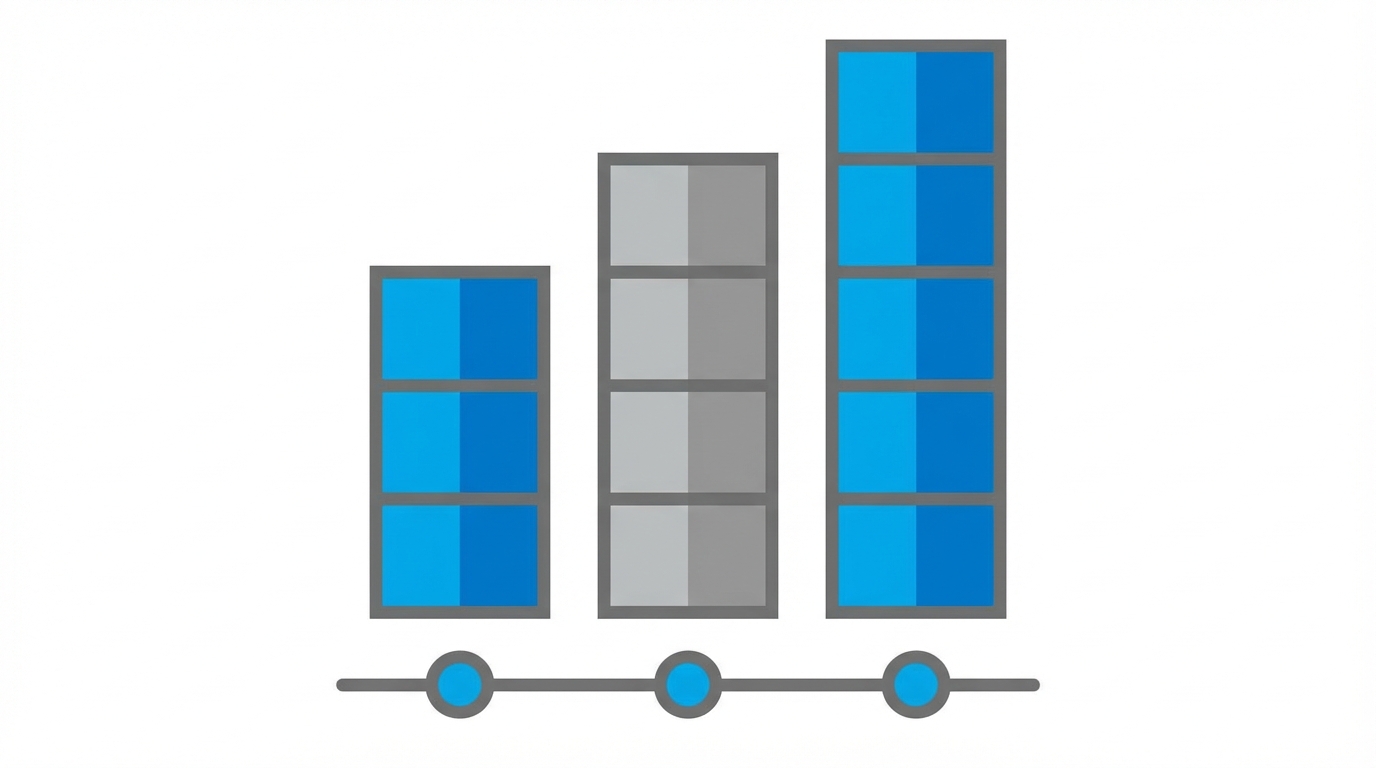
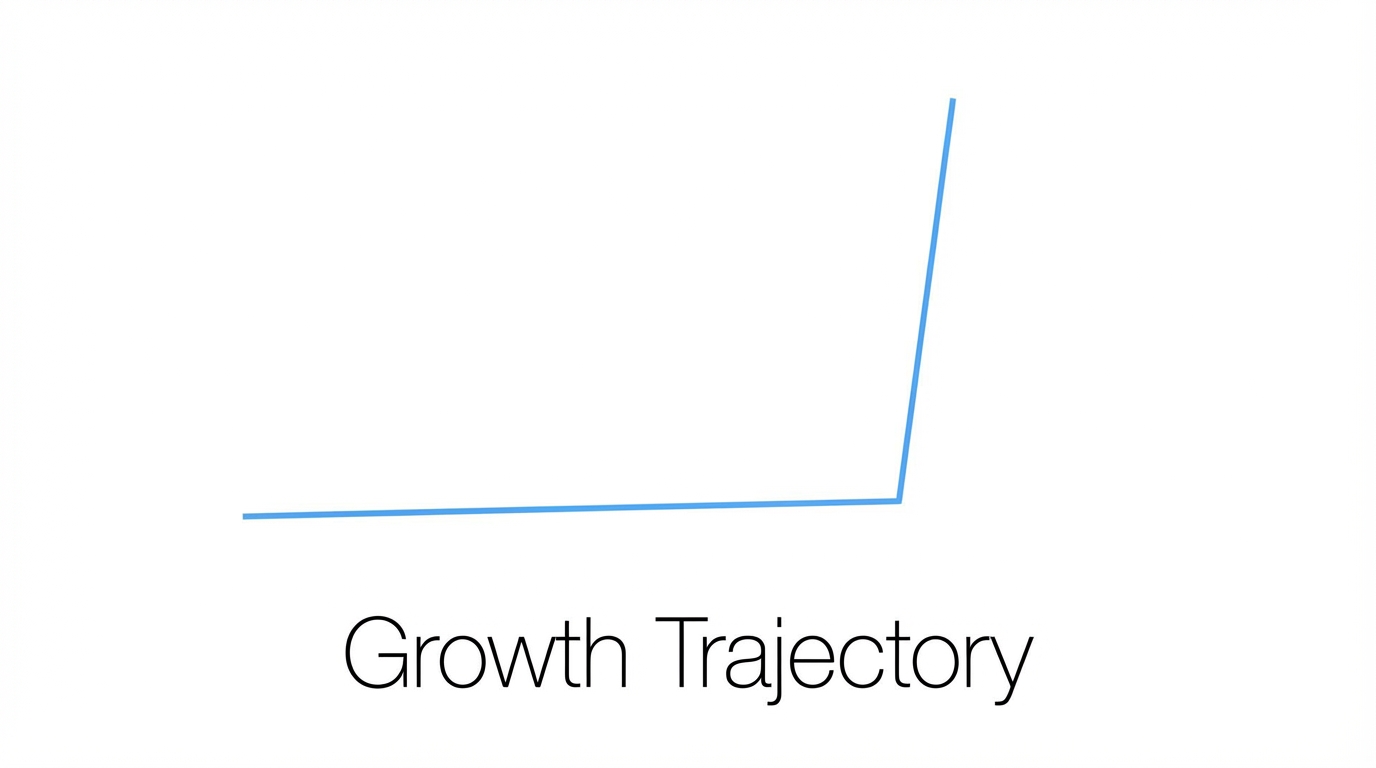
The beauty of a structured marketing motor is that it makes revenue predictable. When your customer acquisition strategy is quantified, you can forecast growth with startling accuracy using tools like Google Analytics 4. For instance, if you know that for every 5,000 new newsletter subscribers, you get 200 webinar attendees, and from those, 12 people purchase a high-ticket item, you have a formula. You no longer wake up wondering how to generate revenue for SaaS; you simply ask, 'How do I get more people into the Traffic Layer?'
Tracking these metrics requires a solid stack. You might use GitHub to deploy custom tracking scripts or Stripe to monitor the final conversion events. By treating your marketing as an engineering problem—one with inputs, processes, and outputs—you remove the emotional rollercoaster of startup growth. You move from 'vibe marketing' to a data-driven machine that scales with your ambition.
AI Automation: Scaling the Motor Without a Massive Team
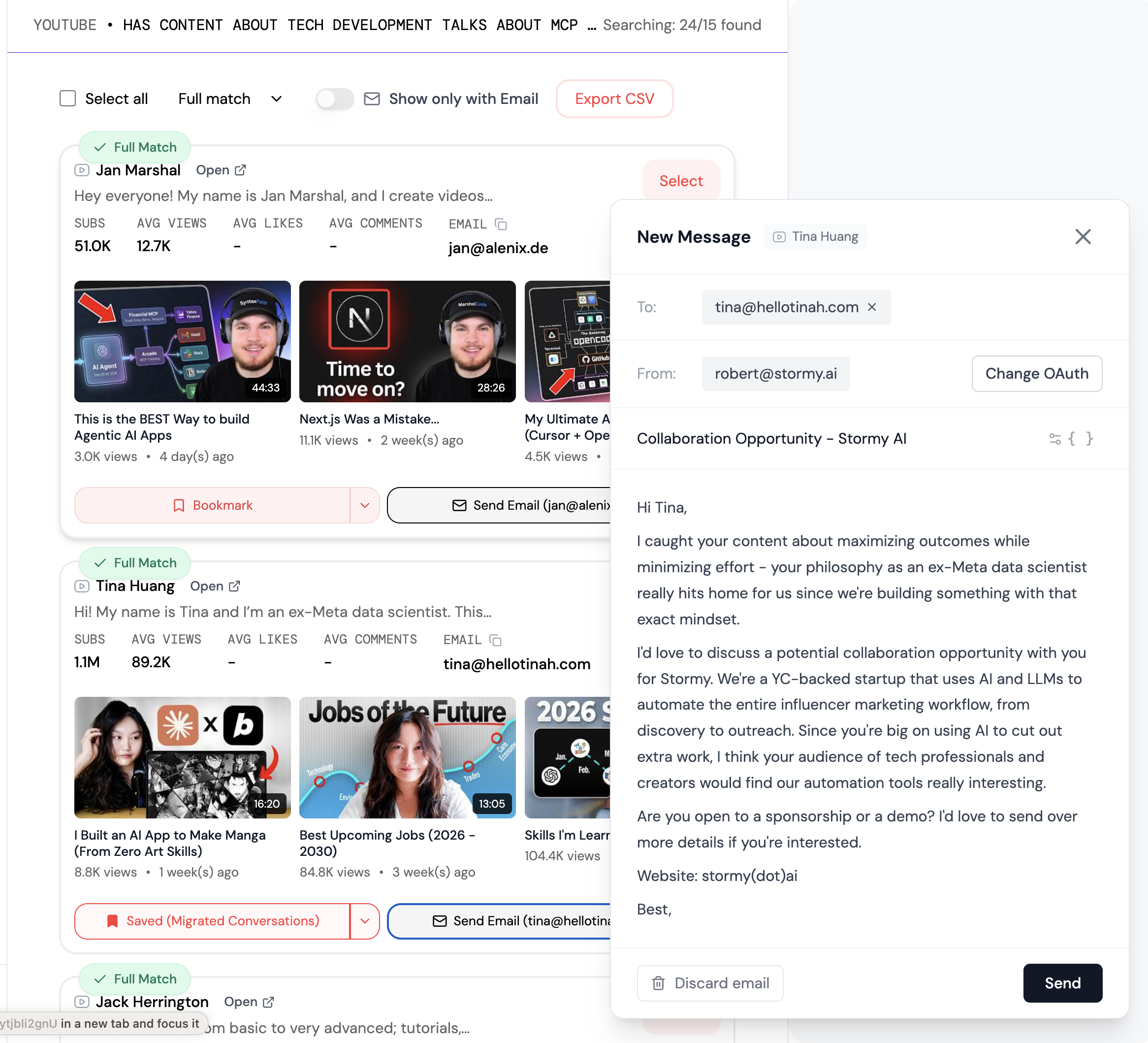
Building this motor manually used to require a massive team. Today, AI allows a single founder to act like a full marketing department. You can use tools like Claude to draft your email sequences, build landing pages on Vercel or Framer, and research your target audience. AI can even help you analyze past content to see what resonated most with your users, allowing you to double down on what works.
For founders looking to scale the organic side of their traffic layer, tools like Stormy AI can help source and manage UGC creators at scale. Instead of spending hours manually vetting influencers or sending personalized outreach emails, AI discovery and CRM tools handle the heavy lifting. This allows you to fill your holding pattern with high-quality leads while you focus on the 'Selling Events' that actually move the needle. The goal is not just efficiency, but abundance—using AI to run five campaigns a month instead of one.
Conclusion: Shift from Efficiency to Abundance
The path from crickets to a $450K revenue milestone is not paved with better code, but with better systems. By implementing a marketing funnel for startups that prioritizes promotion over perfection, you create a sustainable business. Remember the three layers: drive traffic, hold the attention, and host events that sell. Stop over-preparing and start taking action. Don't be the founder who measures twice and never cuts; be the promoter who builds a motor, scales with AI, and turns every bit of attention into a growth opportunity for your business.