In the high-stakes world of digital growth, most leaders operate with a linear mindset: more spend equals more results. But as we navigate the complex landscape of go-to-market strategy 2026, it is becoming clear that marketing does not move in a straight line—it moves in cycles. To truly master marketing ROI optimization, we must look beyond the latest hacks and turn to the wisdom of legendary investors like Howard Marks, co-founder of Oaktree Capital. Marks' philosophy of contrarianism and risk assessment provides a perfect playbook for identifying when a marketing trend is a 'Fenwick Chemical'—a burning factory that everyone is still trying to buy into.
Understanding 'Marketing Euphoria': Recognizing the Top of the Hype Cycle
 14:57
14:57Howard Marks often cites John Kenneth Galbraith’s A Short History of Financial Euphoria to explain how markets get overheated. In 2026, we see this exact same pattern in 'Marketing Euphoria.' This occurs when a specific tactic—currently, certain automated UGC (User Generated Content) styles on TikTok Ads Manager—becomes so widely adopted that its effectiveness plummets while its cost skyrockets.
Marks notes that 'the riskiest thing in the world is the belief that there's no risk.' In marketing terms, the riskiest move is believing a channel will provide 10% returns indefinitely just because it has done so for the last year. When every brand is running the same 'organic-style' testimonials, the consumer becomes blind to the message. This is the point of diminishing returns. To spot this, growth leaders must look at their 'Marketing P/E Ratio'—the relationship between the price paid for an impression and the long-term brand equity it generates.
"When others are carefree, you should be terrified because their behavior unduly raises prices and makes them precarious."
If your marketing cycle analysis shows that your competitors are 'quitting their day jobs' to become full-time influencers or dumping 100% of their budget into a single viral trend, you are likely at the peak of the cycle. Just as Marks observed day traders in the 2000 tech bubble, the 2026 growth leader must recognize when a channel is 'too popular' to be profitable.
Catching the 'Falling Knife' in Marketing: Investing in Neglected Channels
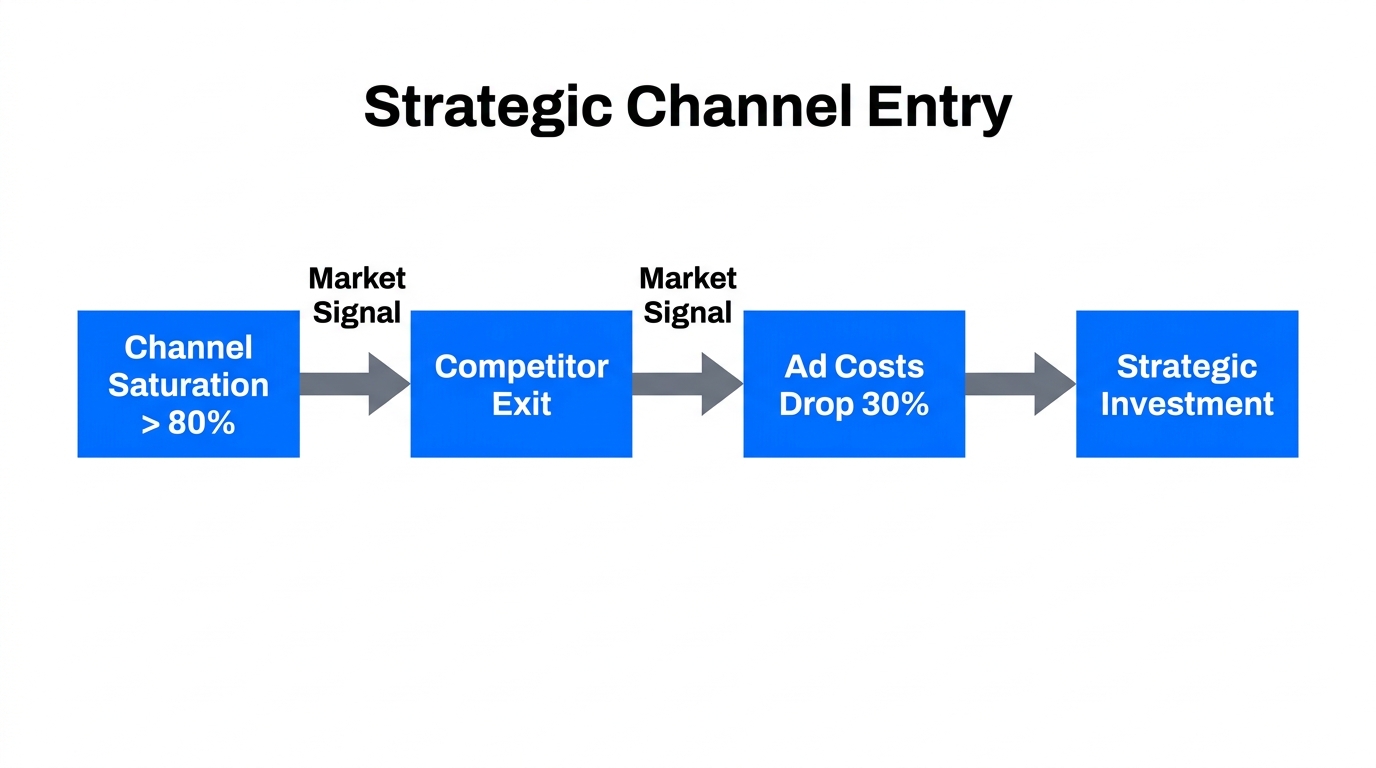
One of Marks' most controversial takes is his willingness to 'catch a falling knife'—investing in assets that others are fleeing in a panic. In business growth strategy, this translates to doubling down on 'boring' or 'neglected' channels when the rest of the market pivots to the newest shiny object.
In 2026, while the masses are obsessed with AI-generated video influencers, the 'falling knives' are often high-intent, high-touch channels like personalized email via Klaviyo or niche newsletters on Beehiiv. Because these channels aren't 'trendy,' the competition for attention is lower, and the 'prices' (in terms of CPM or effort) are depressed.
Marks famously said, 'When the time comes to buy, you won't want to.' This applies perfectly to marketing. You probably don't *want* to invest heavily in SMS or long-form LinkedIn content because they don't feel 'innovative.' However, the greatest ROI comes from the point of lowest consensus. If everyone says a channel is dead, but your data shows a pulse, that is where the 'giveaway' prices are found.
| Market Sentiment | Channel Status | Marks-Inspired Action |
|---|---|---|
| Euphoria | Over-saturated (e.g., Generic UGC) | Reduce Spend / Be Defensive |
| Apathy | Established/Steady (e.g., Google Search) | Maintain / Rebalance |
| Fear/Neglect | 'Dead' Channels (e.g., Direct Mail, Email) | Aggressive Investment |
Building Your Defensive vs. Aggressive Marketing Speedometer
36:47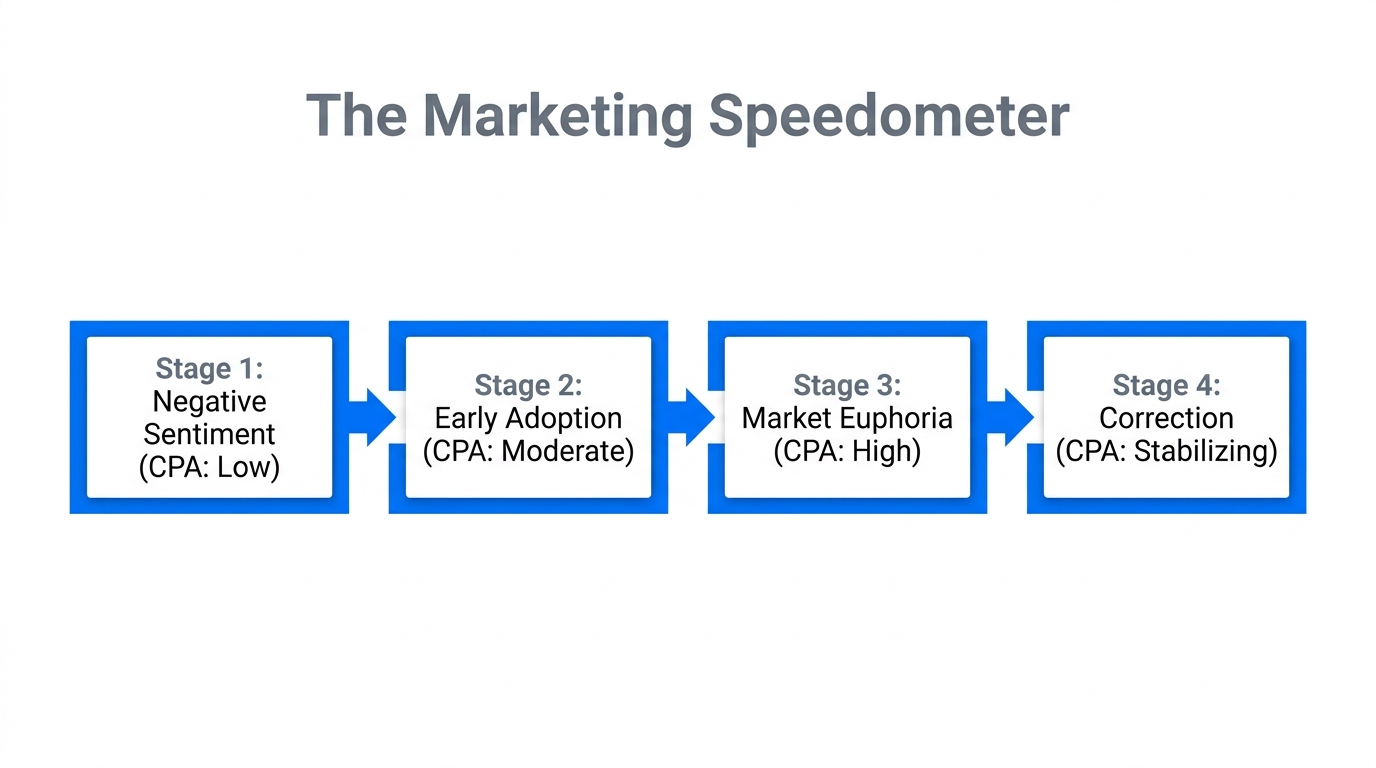
Marks manages risk by adjusting his 'speedometer' from 0 (total defense) to 100 (total aggression). As a growth leader, you should not be 'all-in' or 'all-out.' Instead, you must adjust your posture based on the current market environment. If growth hacking trends are leading to massive burn rates across your industry, it’s time to move your speedometer toward 30—focusing on retention and first-party data.
A defensive marketing posture involves:
- Tightening attribution windows in Google Analytics.
- Vetting creator quality more strictly to avoid fake followers.
- Focusing on fewer losers rather than more winners.
Conversely, an aggressive posture (Speedometer 80+) is required when you find a channel that is misunderstood. For example, using an AI-powered search engine like Stormy AI to find 100 hyper-niche creators that your competitors have overlooked is an aggressive move into an inefficient market. By discovering creators before they are 'famous,' you are buying the 'high-yield bond' of the influencer world—high returns with lower entry costs.
"You don't have to be right all the time; you just have to avoid being wrong in the ways that everyone else is."
History Doesn't Repeat, But It Rhymes: Predicting 2026 via 2000 and 2008
11:40Marks is fond of the Mark Twain quote: 'History does not repeat, but it does rhyme.' To predict consumer behavior in 2026, we look at the 'rhymes' of 2000 and 2008. In 2000, the tech bubble burst because companies had 'no profits and no revenues.' In 2026, we see a rhyme in the 'AI-Content Bubble.' Brands are flooding the internet with low-quality, AI-generated blog posts and ads that have no soul. Just as the 2000 bubble led to a flight to quality, 2026 will see consumers flocking to extreme authenticity.
The 2008 crisis was defined by a 'belief that there was no risk' in mortgages. Today, the marketing equivalent is the belief that 'tracking is dead' and therefore we should just spend blindly. The brands that survived 2008 were those with strong balance sheets. The brands that will dominate 2026 are those with strong community 'balance sheets'—those who have built direct relationships with their customers outside of the major ad platforms using advanced CRM systems to own their audience data.
The 'Fewer Losers' Marketing Strategy: Aiming for Consistency
30:01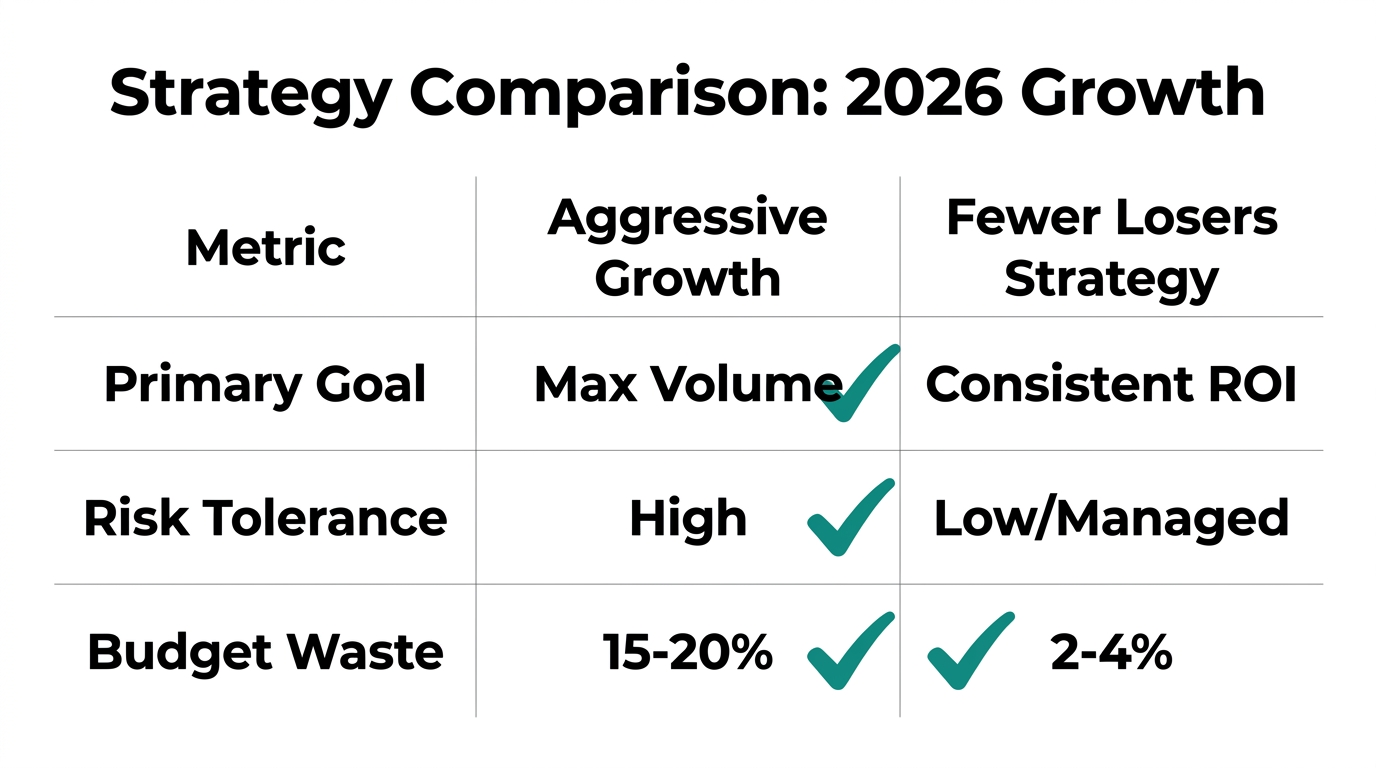
Marks tells a story about a pension fund that was never in the top 10% but also never in the bottom 50%. Over 14 years, this fund ended up in the top 4% of all funds. This is a profound lesson for marketing ROI optimization. You don't need a 'Super Bowl' viral moment to win. You need a strategy that consistently delivers above-average returns without ever 'shooting yourself in the foot.'
In a go-to-market strategy 2026, shooting yourself in the foot looks like:
- Basing your entire growth on a single platform's algorithm.
- Ignoring unit economics in favor of 'top-line' scale.
- Failing to vet influencers for engagement fraud.
By using platforms like Stormy AI to vet creators and track post-performance, you are implementing a 'fewer losers' strategy. You are eliminating the creators that don't convert and doubling down on the ones that do. It’s not about finding the one 'unicorn' influencer; it's about building a portfolio of 50 creators who are consistently good, sometimes great, and never terrible.
"Eating in this restaurant is like investing at Oaktree: always good, sometimes great, never terrible. If you can do that for 50 years, the results compound to greatness."
Conclusion: Mastering the Clinical Approach to Growth
As we look toward the remainder of 2026, the winners won't be the ones with the largest budgets or the loudest AI tools. The winners will be the clinical observers who understand where we sit in the marketing cycle. Are we in a state of euphoria? Are we ignoring a 'falling knife' channel that could be our biggest growth lever?
Mastering the marketing cycle means having the discipline to zig when others zag. It means recognizing that business growth strategy is as much about psychology as it is about data. By applying Howard Marks' principles, you can stop chasing the 'Fenwick Chemicals' of marketing and start building a resilient, high-yield growth engine that compounds year after year. Stay unemotional, stay clinical, and most importantly, stay aware of where you are in the cycle.