Managing 1,000+ Nano-Influencers: A 2026 Guide to Upfluence, Grin, and Stormy AI
Learn how to manage 1,000+ nano-influencers in 2026 with our technical guide comparing Upfluence, Grin, and Stormy AI for scaling influencer programs.
In 2026, the influencer marketing landscape has completed its transition from an experimental budget line to a core commercial engine. According to latest data from Mordor Intelligence, the market has ballooned to $40.51 billion, driven by a massive shift in consumer trust away from celebrities and toward the "relatable" creator. However, with 74% of brands moving their budgets from traditional paid media into creator programs this year, the challenge is no longer just finding a face for your brand—it is the technical execution of scaling influencer programs 2026. Managing 10 creators is a spreadsheet task; managing 1,000+ nano-influencers is a systems architecture challenge. This guide breaks down how to navigate this scale using Upfluence, Grin, and the industry-disrupting Stormy AI.
The 'Nano Shift' of 2026: Why Scale Matters
The standard "vanity metrics" of the early 2020s have been replaced by hard commerce data. The most significant trend this year is the Nano Shift. Nano-influencers (those with 1k–10k followers) are dominating 2026 strategies because their engagement rates now average an astounding 10.3%, compared to a measly 1.1% for mega-influencers. As Moburst research indicates, algorithm shifts now favor "relatability over celebrity," making small-scale creators the most efficient vehicle for high-velocity growth and authentic community building on platforms like TikTok and Instagram.
"The key to 2026 growth isn't finding one creator with a million followers; it's finding one thousand creators who each have a thousand devoted fans."
But managing 1,000+ relationships manually is impossible. Brands are losing an estimated $1.3 billion annually to influencer fraud and inefficient workflows, according to recent reports on Statista. To capture the average $5.78 ROI currently seen across the industry, you need a platform that moves beyond a simple database and into the realm of autonomous execution.
Upfluence, Grin, and Stormy AI: The 2026 Philosophy Showdown
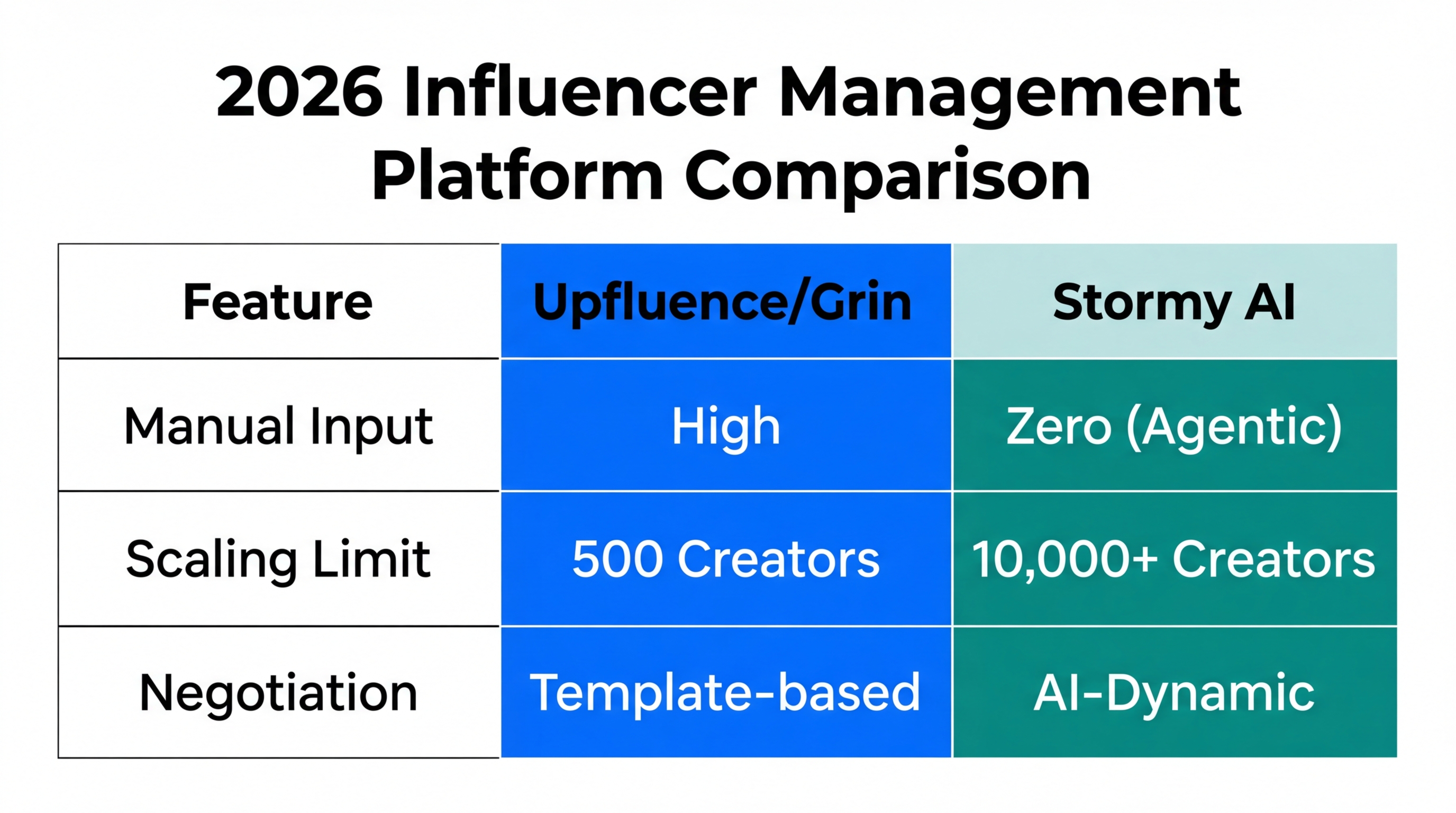
Choosing the right tool depends on your specific nano-influencer marketing strategy. In 2026, the market has bifurcated into legacy CRM systems and modern AI agents.
Upfluence: The E-commerce Powerhouse
Upfluence remains the gold standard for full-funnel e-commerce integration. Their standout feature, Live Capture, allows brands to identify influential customers as they shop. If a creator with 5,000 followers buys your product, Upfluence flags them instantly for your affiliate program. It is an excellent choice for Shopify or Amazon sellers who want to turn existing customers into a decentralized sales force.
Grin: The Relationship-Driven CRM
For high-growth DTC brands that prioritize white-glove treatment, Grin offers the most robust Creator CRM. Grin treats influencers like a dedicated sales team, focusing on long-term relationships and complex product seeding logistics. Their 2026 release of the Predictive ROI Engine helps managers forecast sales outcomes before a single contract is signed, making it a favorite for enterprise-level operations.
Stormy AI: The Autonomous Agent
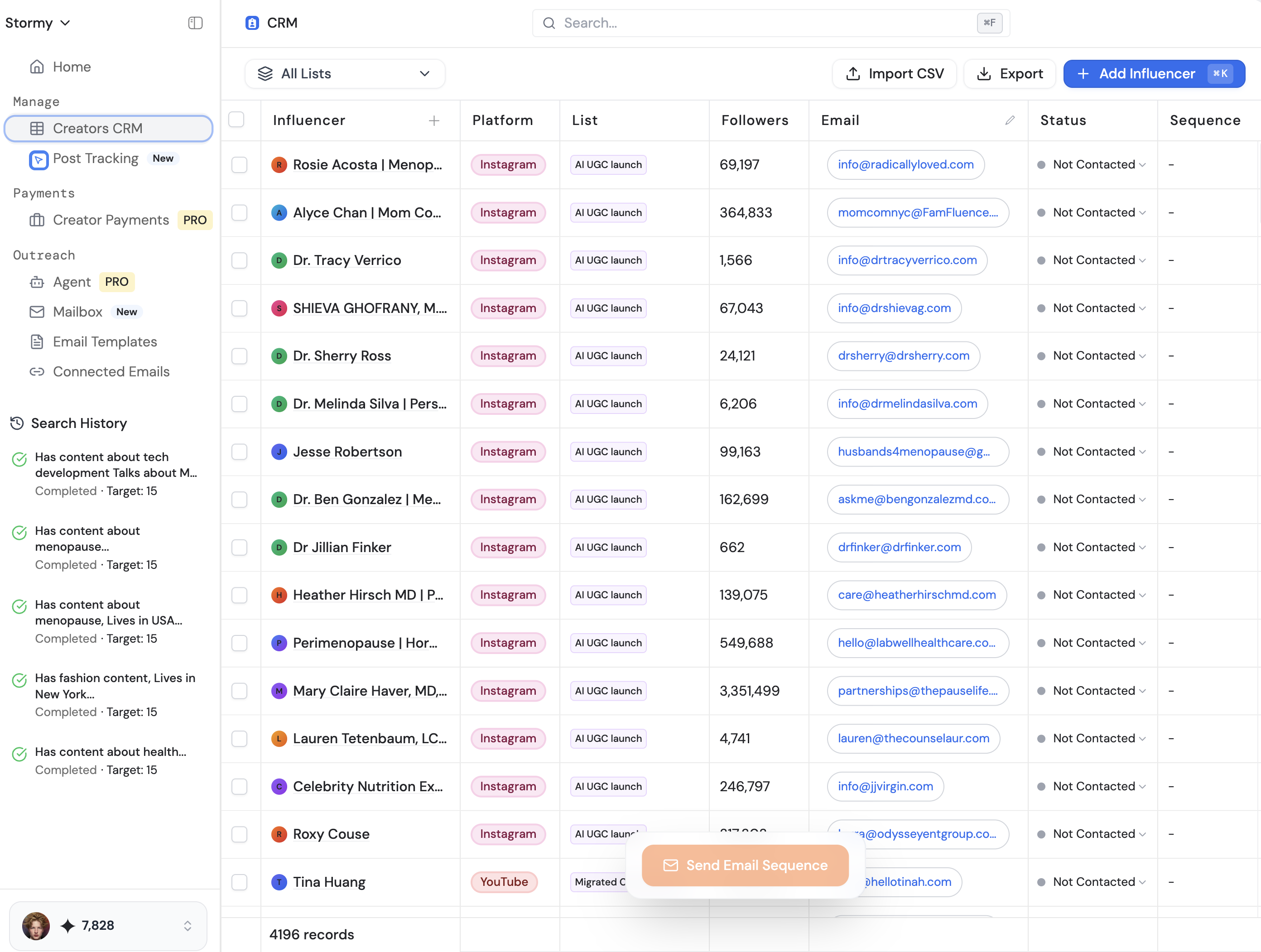
While Upfluence and Grin require human managers to drive the software, Stormy AI represents the next evolution: the Autonomous AI Agent. Stormy doesn't just provide a database; it acts as a 24/7 SDR (Sales Development Rep) that finds, reaches out to, and negotiates with creators while your team sleeps. For lean teams needing high volume creator management, Stormy AI provides an execution-first approach that removes the manual bottleneck of discovery and outreach.

| Feature | Upfluence | Grin | Stormy AI |
|---|---|---|---|
| Core Philosophy | Customer-as-Influencer | Relationship-centric CRM | Autonomous Execution Agent |
| Starting Price | ~$478/mo (Modular) | ~$399/mo (Lite) | Free Tier / Pay-per-credit |
| Primary Strength | Affiliate/E-commerce Data | Logistic/Product Seeding | AI Sourcing & Negotiation |
| Human Effort | Moderate | High | Minimal (Autonomous) |
Solving the 2026 Fraud Problem: AI Vetting
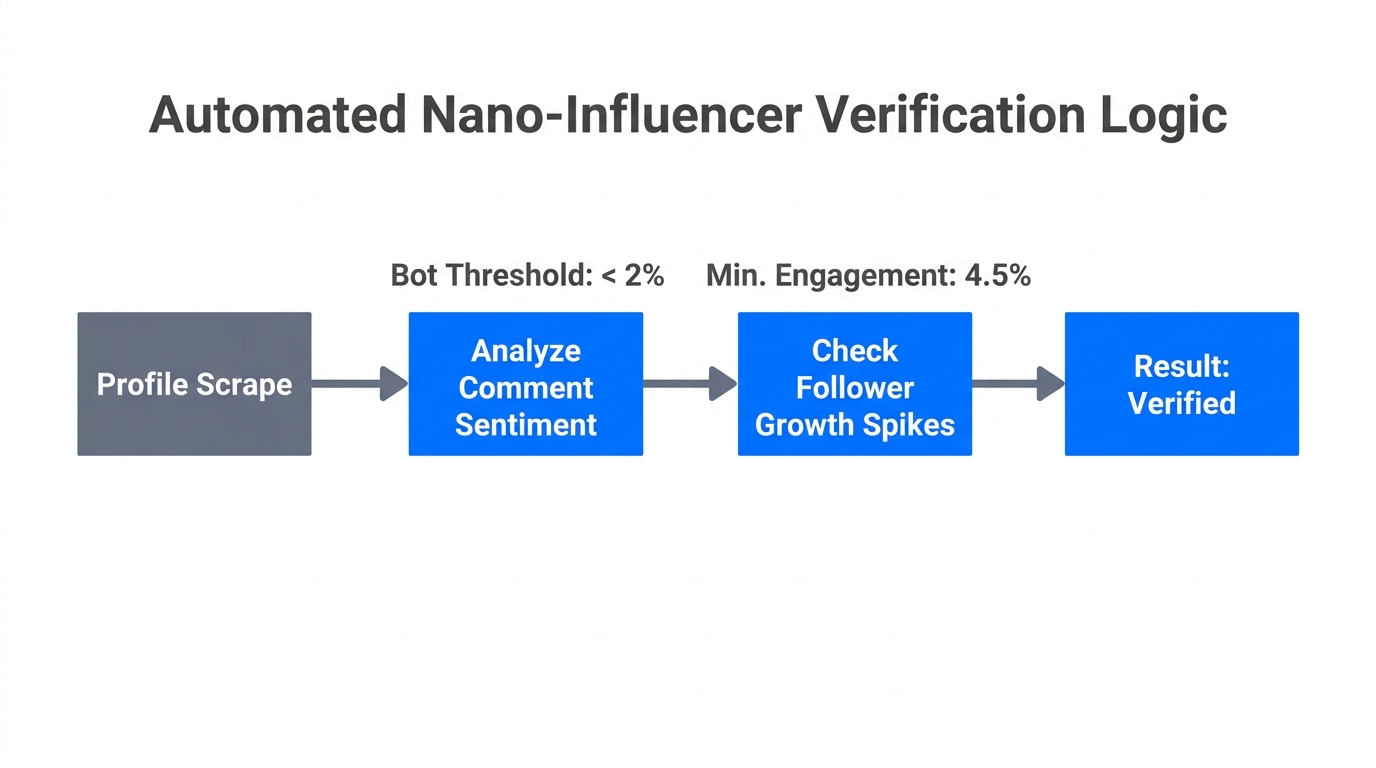
The 2026 creator landscape is plagued by sophisticated bot networks. Reports from Impact.com suggest that nearly 49% of Instagram influencers have engaged with paid bots at some point. Manual vetting for 1,000+ creators is a fool's errand. You need automated vetting that looks beyond follower counts.
Platforms like Stormy AI solve this by providing instant AI-powered quality reports. When you use Stormy AI creator sourcing, the platform automatically filters for engagement fraud, audience demographics, and content quality scoring before the creator ever enters your funnel. This ensures that your budget is spent on real humans, not scripts.
Automated Outreach and Negotiation at Scale
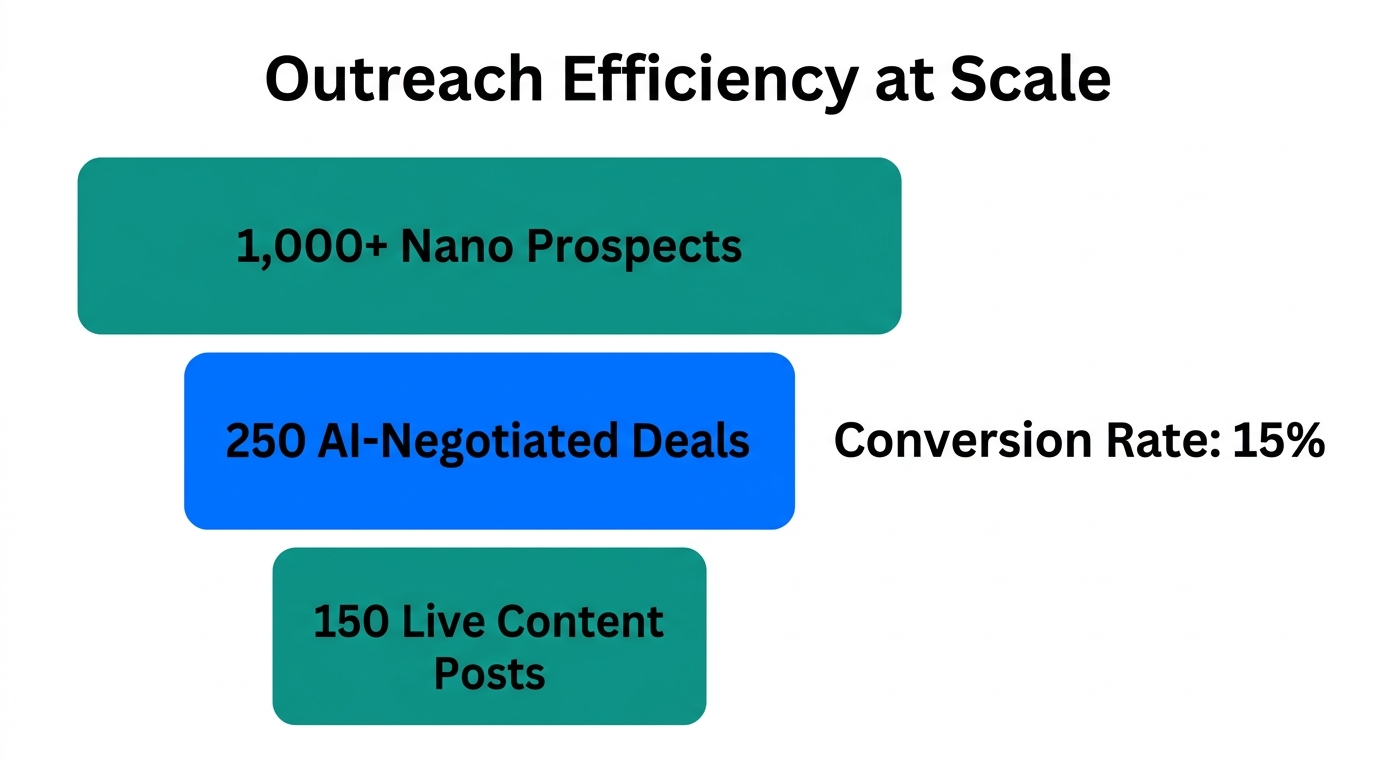
The biggest bottleneck in scaling influencer programs 2026 is the sheer volume of communication required. While traditional tools like Lemlist or Instantly are great for cold sales, influencer outreach requires a specific tone and platform-native context.