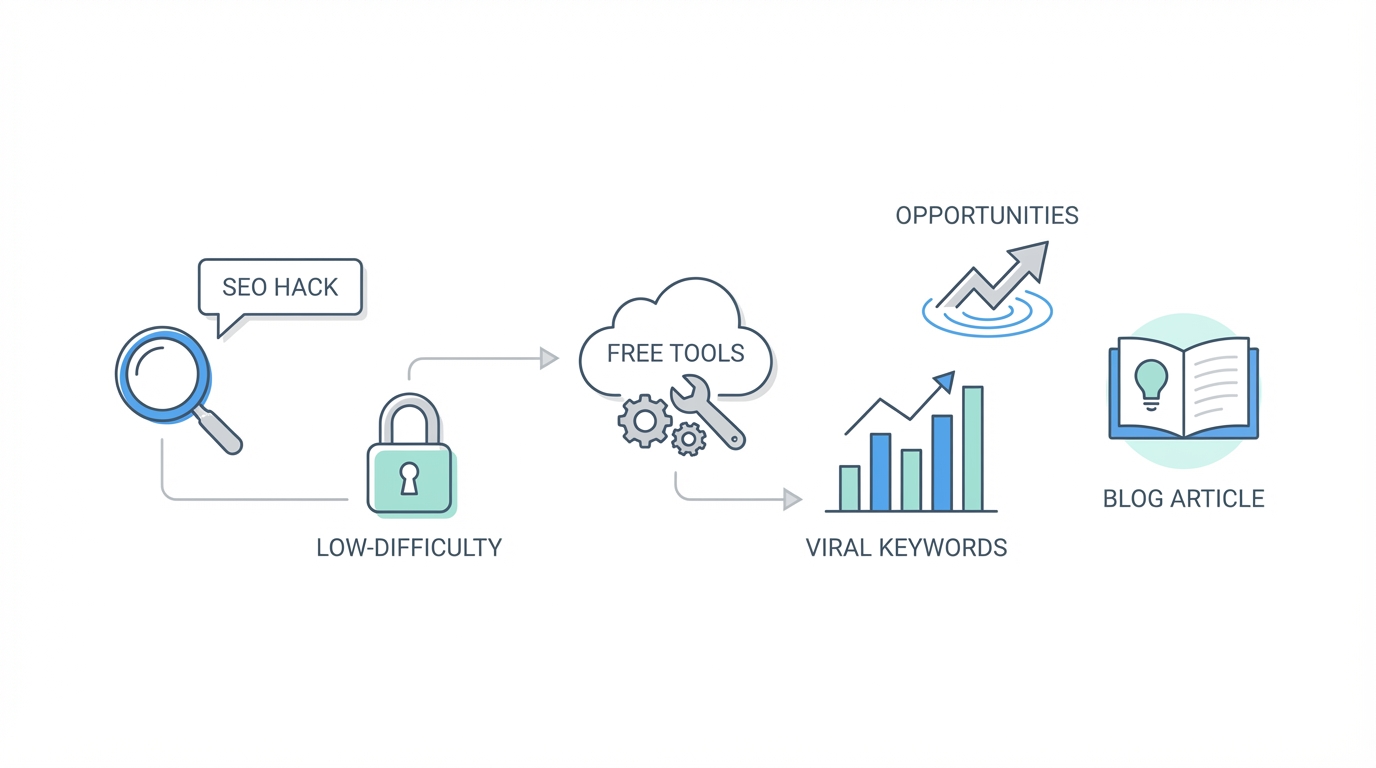
For most founders and developers, marketing is the ultimate bottleneck. You can build a world-class product, but if nobody sees it, your MRR stays at zero. Traditionally, this meant expensive Google Ads campaigns or months of grueling content writing. However, a new breed of 'builders' is flipping the script by using engineering as marketing to drive massive organic traffic. One founder, Banu, scaled his SaaS, Site GPT, to $13,000 MRR and over 1 million visitors without spending a single dollar on paid marketing. His secret? A highly specific ahrefs keyword strategy that uncovers untapped, high-volume search terms that can be satisfied with lightweight, free tools.
Why Builders Need a New SEO Playbook
Traditional keyword research for saas often feels like a losing game. Most high-intent keywords like "AI chatbot" or "customer support software" are dominated by billion-dollar companies with massive backlink profiles and decade-old domains. For a solo developer or a small startup, ranking for these terms is nearly impossible in the short term. This is why seo for developers needs to focus on low competition keywords that the giants have overlooked.
By shifting your focus from "competitive software categories" to "utilitarian problem-solving," you can capture users at the exact moment they have a specific need. Banu's strategy involves building dozens of small, free tools—like a PDF to Markdown converter or a chatbot name generator—to capture traffic that eventually funnels into his main product. This method is the cheapest and lowest-effort way to drive traffic because it relies on your core strength: building software.
The Concept of Engineering as Marketing


Engineering as marketing is the practice of creating standalone tools that provide value to your target audience while acting as a lead magnet for your primary service. Instead of writing a 2,000-word blog post that might get buried, you build a functional tool that solves a specific problem. These tools naturally attract long tail keywords for saas and are often easier to rank than traditional articles.
Platforms like Stormy AI, an AI search engine that finds influencers across TikTok, Instagram, and YouTube using natural language prompts, understand this dynamic perfectly; in the same way app developers use UGC (user-generated content) to drive Apple Search Ads conversions, SaaS founders use free tools to drive organic Google search volume. The goal is to create a ecosystem where your free tools act as the top-of-funnel discovery engine, while your main SaaS provides the long-term solution. As Banu noted, 90% of his Google traffic comes from these small, utility-based tools rather than his homepage or blog.
Step 1: The 'Blank Search' Ahrefs Trick
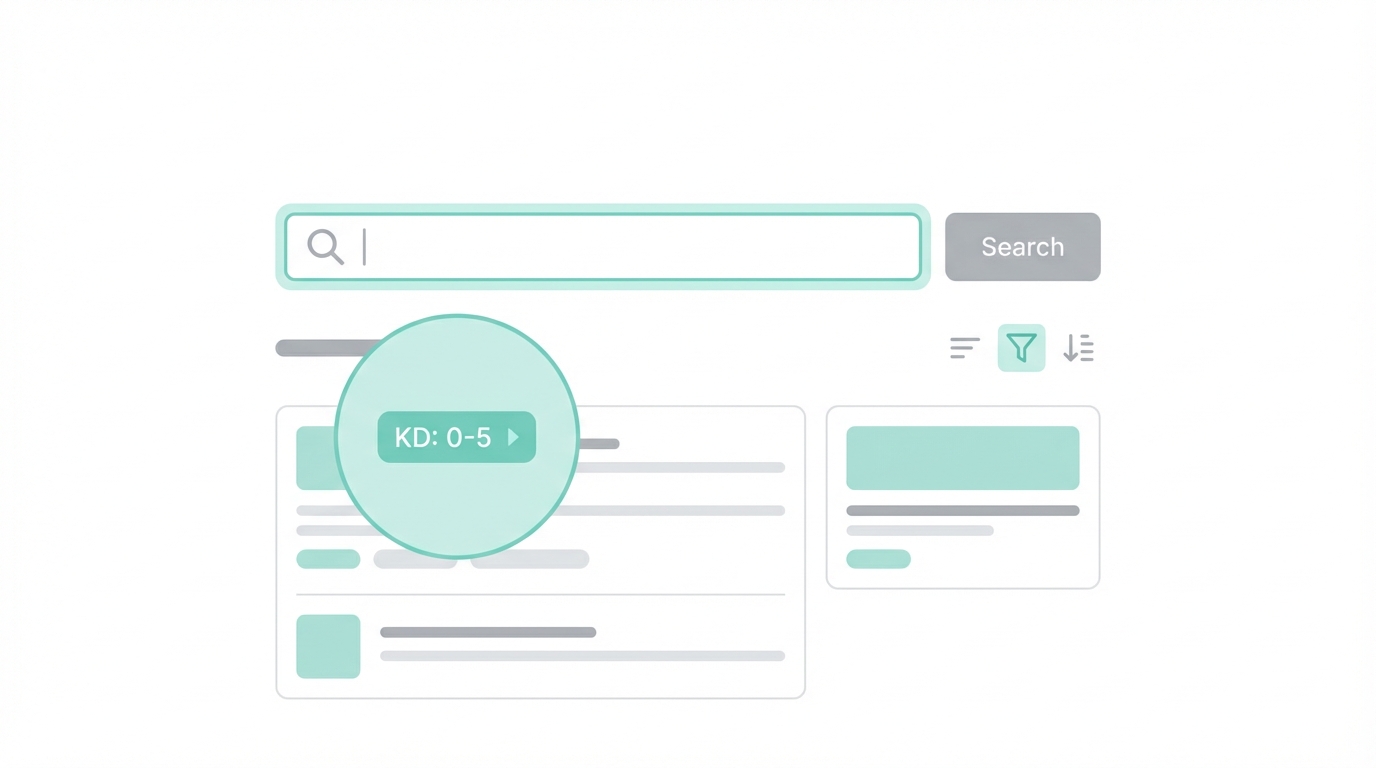
The first step in finding these viral opportunities is a counterintuitive trick within Ahrefs. Most people start by typing a specific keyword into the explorer. But if you don't know what people are searching for, you are limited by your own imagination. Instead, try the "Blank Search" method:
- Navigate to the Keywords Explorer in Ahrefs.
- Leave the search bar completely empty.
- Click the search icon.
This will generate a list of every keyword in the Ahrefs database. From here, you can use advanced filters to narrow down the low competition keywords that are perfect for lightweight tools. This allows you to discover niches you never would have thought of by simply looking at what the market is already demanding.
Step 2: Filtering for Maximum ROI
Once you have the master list, you need to filter for the "goldilocks zone" of SEO: high volume but low difficulty. Banu's exact ahrefs keyword strategy involves two critical filters that ensure your efforts aren't wasted on keywords that are too hard to rank for or too small to matter.
Keyword Difficulty (KD) < 10
You want to target keywords with a Keyword Difficulty of 10 or less. Keywords in this range can typically be ranked for by a decent website with minimal backlinking. This is the key to scaling quickly. If you are building a mobile app and need to find the right angles for your creative, using Stormy AI for finding UGC creators and instantly vetting their profiles for audience quality can complement this SEO traffic by providing the social proof needed to convert those visitors.
Search Volume > 1,000
To make the development time worth it, target keywords with at least 1,000 monthly searches. This ensures that once you hit the first page, you are receiving a meaningful stream of potential leads. When you combine low difficulty with high volume, you've found an SEO arbitrage opportunity. For example, keywords like "AI reply generator" might have significant volume but surprisingly low competition because major SaaS players haven't built a specific tool for it yet.
Step 3: Using Intent-Based Modifiers
To turn a raw list of keywords into a list of tools, you must apply include filters for specific modifiers. These are words that indicate the user is looking for a functional tool rather than just information. Common modifiers for seo for developers include:
- Generator (e.g., "Privacy Policy Generator")
- Builder (e.g., "Resume Builder")
- Calculator (e.g., "LTV Calculator")
- Converter (e.g., "JSON to CSV Converter")
- Checker (e.g., "Backlink Checker")
By filtering your blank search results to only include these terms, you instantly generate a roadmap of 50-100 potential free tools you could build. This keyword research for saas methodology ensures that every project you start has a pre-validated audience waiting for it.
Step 4: The Master Notion Tracking System
Not every keyword with a KD < 10 is a winner. You need a system to prioritize which tools to build first. Banu uses a Notion database to track every potential keyword. Your master table should include the following columns:
- Keyword: The specific search term.
- Volume: Monthly global search volume from Ahrefs.
- KD: Keyword difficulty.
- Build Effort: How long will it take to code? (e.g., 1 hour vs. 1 day).
- Relevancy: How closely does this tool relate to your main product?
Relevancy is the most important metric. If you build a "Cat Name Generator" but your SaaS is a B2B accounting tool, the traffic will never convert. You want tools that attract your ideal customer. For Site GPT, Banu built a Chatbot Name Generator because anyone looking for that is likely in the process of setting up a chatbot—the exact service he sells.
Step 5: Mapping Problems to Tool Solutions
Once you've identified a relevant keyword, you need to map the user's problem to a lightweight solution. The goal isn't to build a full SaaS as a free tool; the goal is to solve one single problem instantly. If the user wants to convert a PDF, give them a box to upload a PDF and a button to download the result.
The conversion happens in the Call to Action (CTA) located directly below the tool. For example, if someone uses your "Free PDF to Text" tool, your CTA might say: "Now that you have your text, want to train an AI chatbot on it in 30 seconds? Try Site GPT." This contextually relevant bridge is why Banu sees a 25% to 40% conversion rate from trials to paid customers. He isn't just getting traffic; he's getting traffic with high intent.
Step 6: Leveraging AI for Rapid Development
In 2026, building 50 free tools doesn't take 50 weeks. With AI-powered IDEs like Cursor, you can build a functional free tool in under 5 minutes. Once you have a template for one tool, you can simply feed the code to the AI and say, "Create a similar tool for this new keyword."
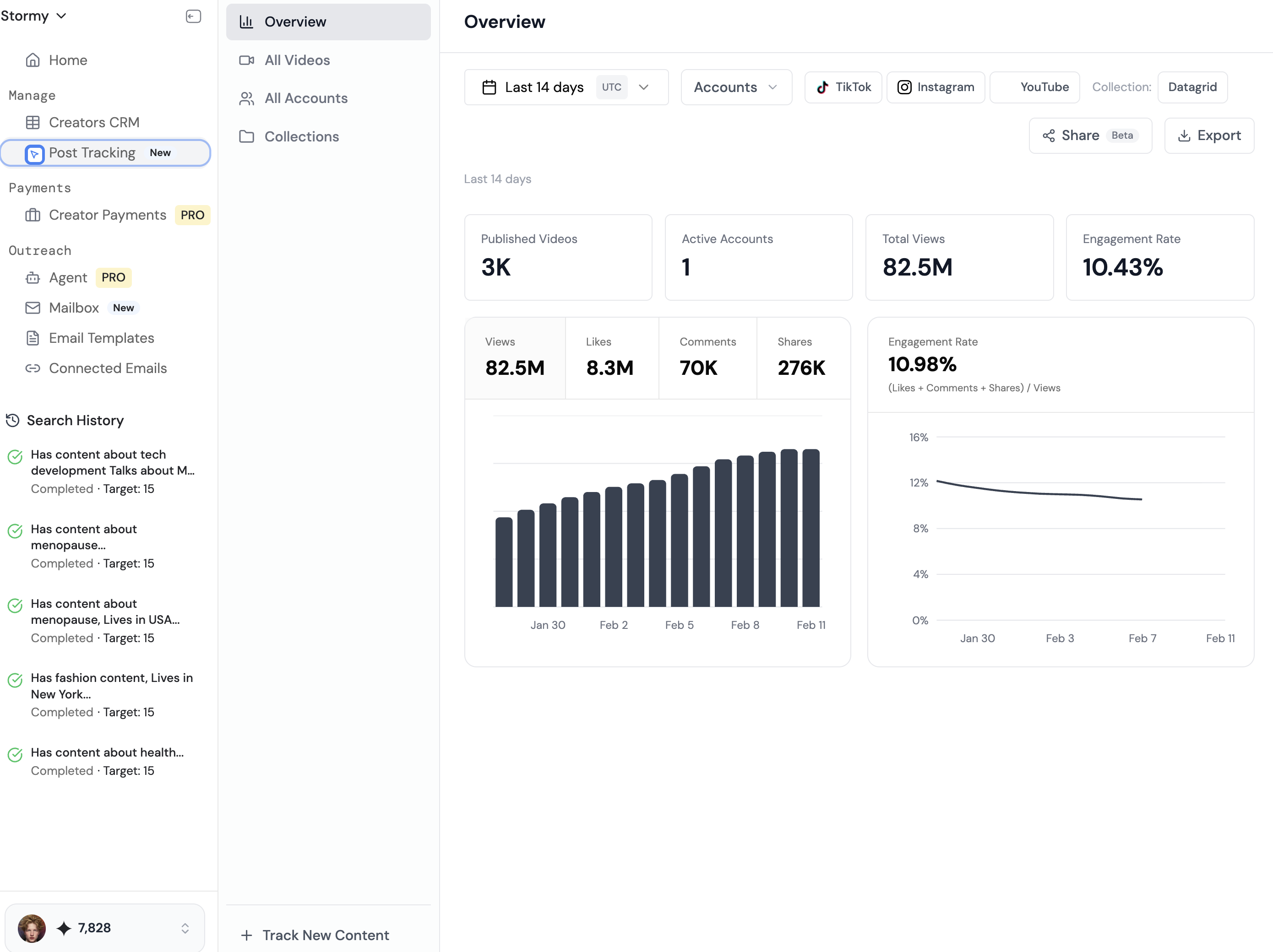
This rapid iteration allows you to dominate long tail keywords for saas by flooding the SERPs with high-quality, functional utilities. By using posthog for analytics, you can quickly see which tools are getting traction and which aren't, allowing you to double down on the winners. Similarly, Stormy AI allows you to track individual videos and monitor performance analytics across all social platforms automatically. This agile approach to SEO is far more effective than the traditional 'publish and pray' blog strategy.
Step 7: The Engineering as Marketing Stack
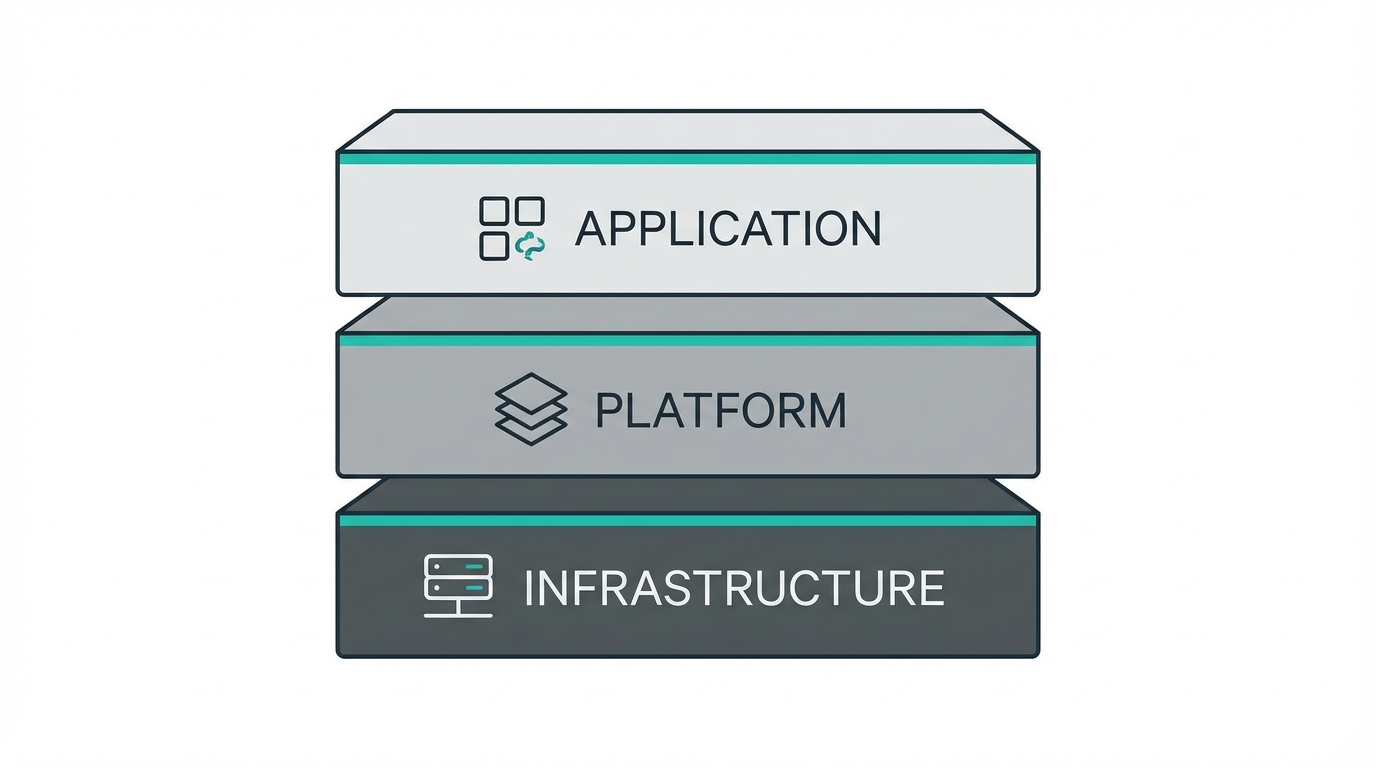
To manage a high-traffic ecosystem of free tools and a primary SaaS, you need a robust stack that minimizes manual work. Banu’s stack is a masterclass in efficiency for solo founders:
- SEO: Ahrefs for discovery and tracking.
- Analytics: PostHog and DataFirst for user behavior.
- Customer Support: Site GPT for automated site assistance.
- Booking: Cal.com for high-touch sales calls.
- Documentation: Mintlify for beautiful, SEO-friendly docs.
- Revenue: ChartMogul for subscription analytics.
- Email: Bento for marketing automation.
By automating everything from support to documentation, you can focus entirely on finding new low competition keywords and building the tools that capture them. This lean operation is what allowed Banu to reach a lifetime value (LTV) of $1,800 per customer while maintaining a solo operation.
Conclusion: Launch First, Perfect Later
The biggest mistake builders make is spending months on a product before they have a distribution channel. The engineering as marketing playbook suggests the opposite: build small, free utilities to find where the traffic is, then build the product that serves that traffic. Whether you are running Meta Ads Manager campaigns for a mobile app or building the next big B2B SaaS, organic search is the most sustainable foundation you can have.
Start today by using the ahrefs keyword strategy to find your first five keywords with KD < 10 and Volume > 1,000. Build the tools, set up your tracking in Notion, and insert a clear CTA to your main product. If you need to scale your conversion side with high-quality content, Stormy AI can help you find the creators and even set up an autonomous AI agent to handle personalized outreach while you focus on building. Stop overthinking your marketing and start building your way to the top of the search results.