In the first quarter of 2026, the speed of software development has officially outpaced our ability to market it. We are living through a period where the 'imagination-to-execution' pipeline has been compressed from months to minutes. This shift is best exemplified by the explosive Lovable AI growth and the rise of Bolt AI marketing strategies that have redefined how startups launch. While traditional SaaS companies spent 2025 trying to integrate 'AI features,' native builders like Lovable and Bolt simply replaced the need for development teams for most early-stage MVPs. However, as we look deeper into this year, a massive question remains: in a world where anyone can build a website in seconds, where does the defensibility live?
The $20M+ ARR Sprint: Analyzing Lovable and Bolt AI Growth
How modern AI tools allow users to generate functional websites with simple text prompts.
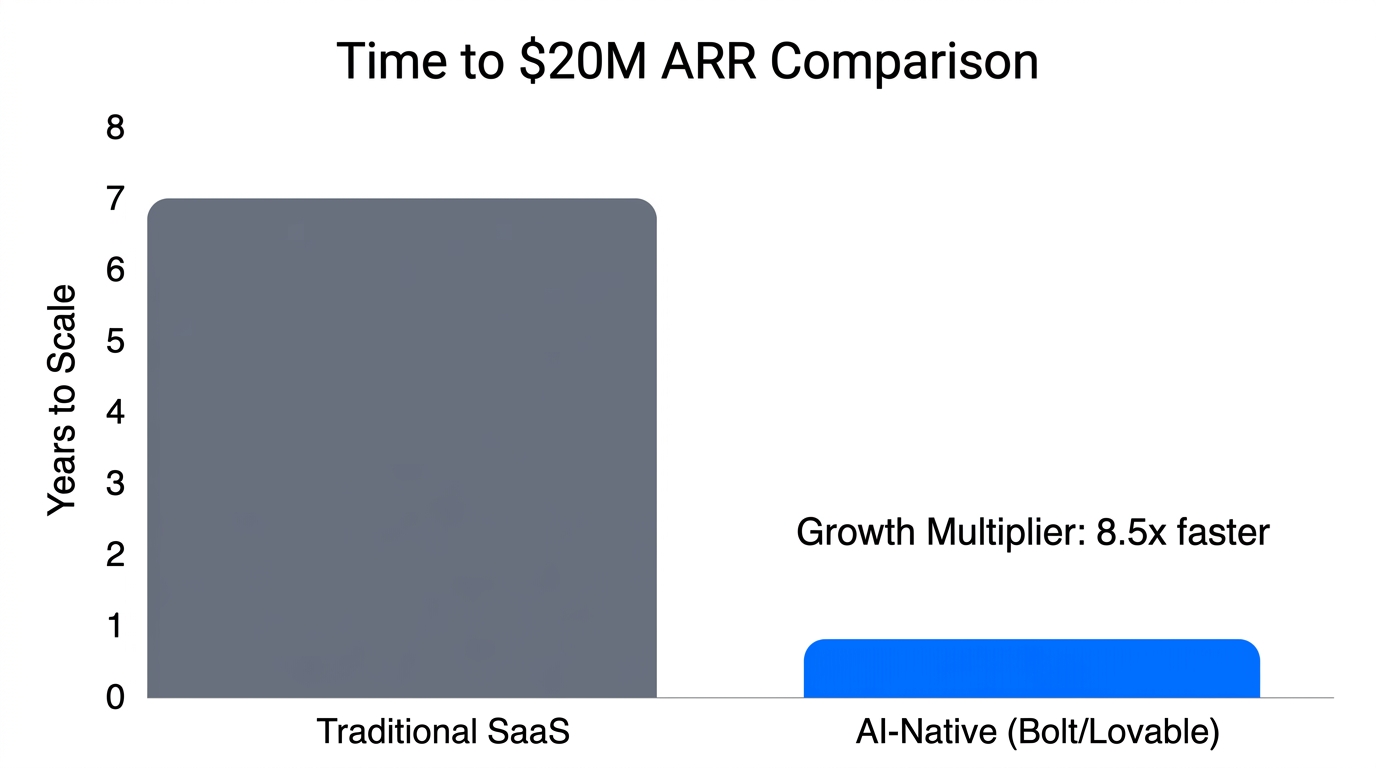
To understand the current state of app marketing, you have to look at the numbers. Lovable famously hit $1 million in ARR every single week during its first month of operation. In less than a year, both Lovable and Bolt have surged past the $20 million ARR mark. They didn't do this through traditional SEO or massive ad spend; they did it by solving the imagination problem. Founders no longer need to hire a developer on Upwork to see if a concept works; they can prompt it into existence over lunch.
These platforms act as 'pro-prompting' engines. Unlike the rigid templates of 2024-era Squarespace or Wix, these builders allow for natural language manipulation. You don't drag a carousel; you tell the AI, 'Make the hero section feel more like a high-end fashion editorial with a 3D transition,' and it writes the React code in real-time. This has fundamentally shifted app marketing case studies from 'how we built it' to 'how we reached the first 10,000 users.'
The Defensibility Problem: Why Website Builders are the New Commodity
Understanding the risks and lack of defensibility in the current AI generation software market.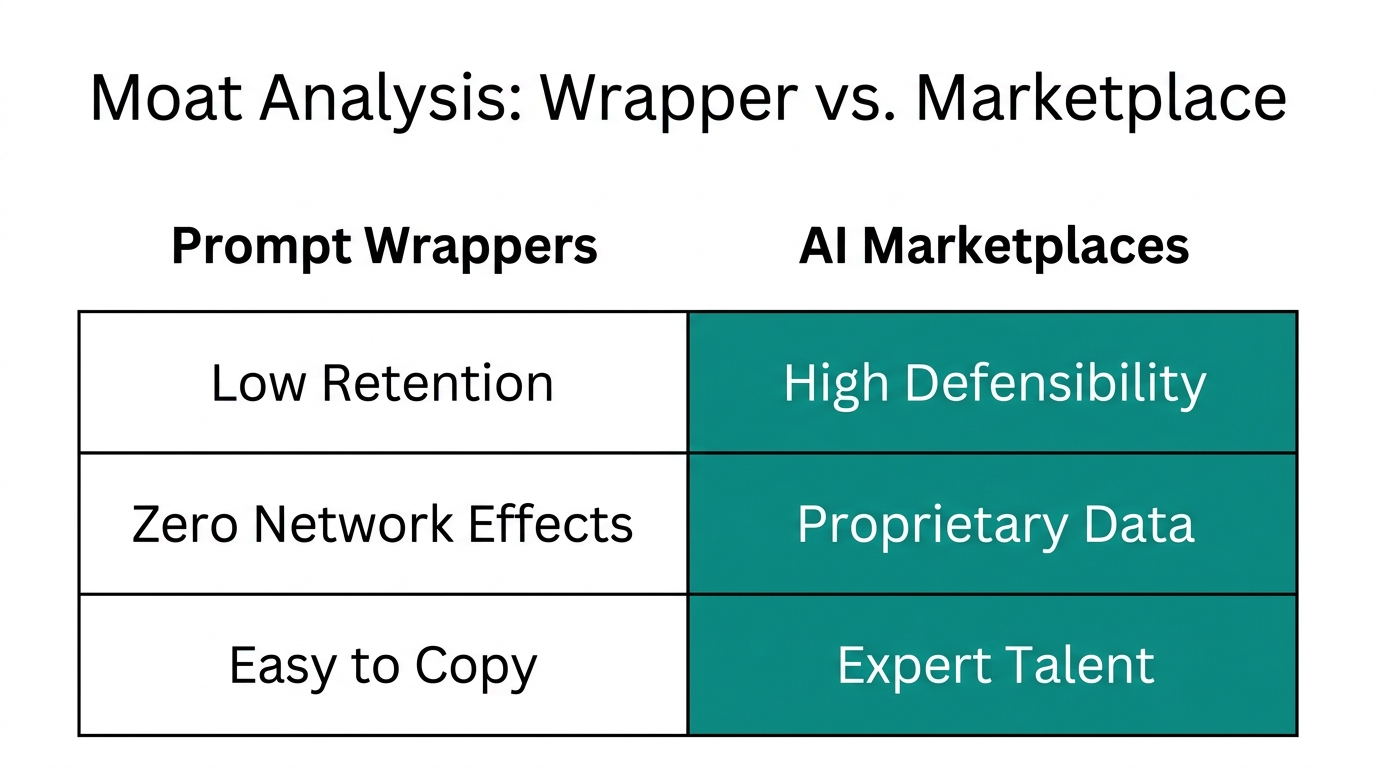
Despite their staggering revenue, these platforms face a looming 'local maxima.' As ChatGPT and Gemini continue to absorb advanced coding capabilities, the standalone website builder becomes a feature rather than a product. If OpenAI can generate a full-stack application within a chat window, why pay for a third-party builder?
"Most stuck points in business are just temporary plateaus, not dead ends. The real moat in 2026 isn't the AI tool—it's the human workflow built on top of it."
We are seeing a trend where 'commodity AI' tools are being integrated into larger ecosystems. For example, a business might use Shopify for commerce but leverage an AI-native builder for custom landing pages. The real value is no longer in the code generation; it's in the outcome-based execution. This is why we are seeing a shift toward an AI marketplace strategy in 2026 that focuses on talent rather than just tools.
| Feature | Traditional Builders (2024) | AI-Native Builders (2026) | The Future: AI Marketplaces |
|---|---|---|---|
| Creation Time | Weeks/Months | Minutes/Hours | Instant Execution |
| Skill Level | No-Code Proficiency | Pro-Prompting | Strategic Oversight |
| Defensibility | Low (Templates) | Medium (Custom Logic) | High (Human Intelligence) |
Building the Moat: The AI Marketplace Strategy for 2026
Analyzing the current gap in the market for a dedicated and effective AI marketplace.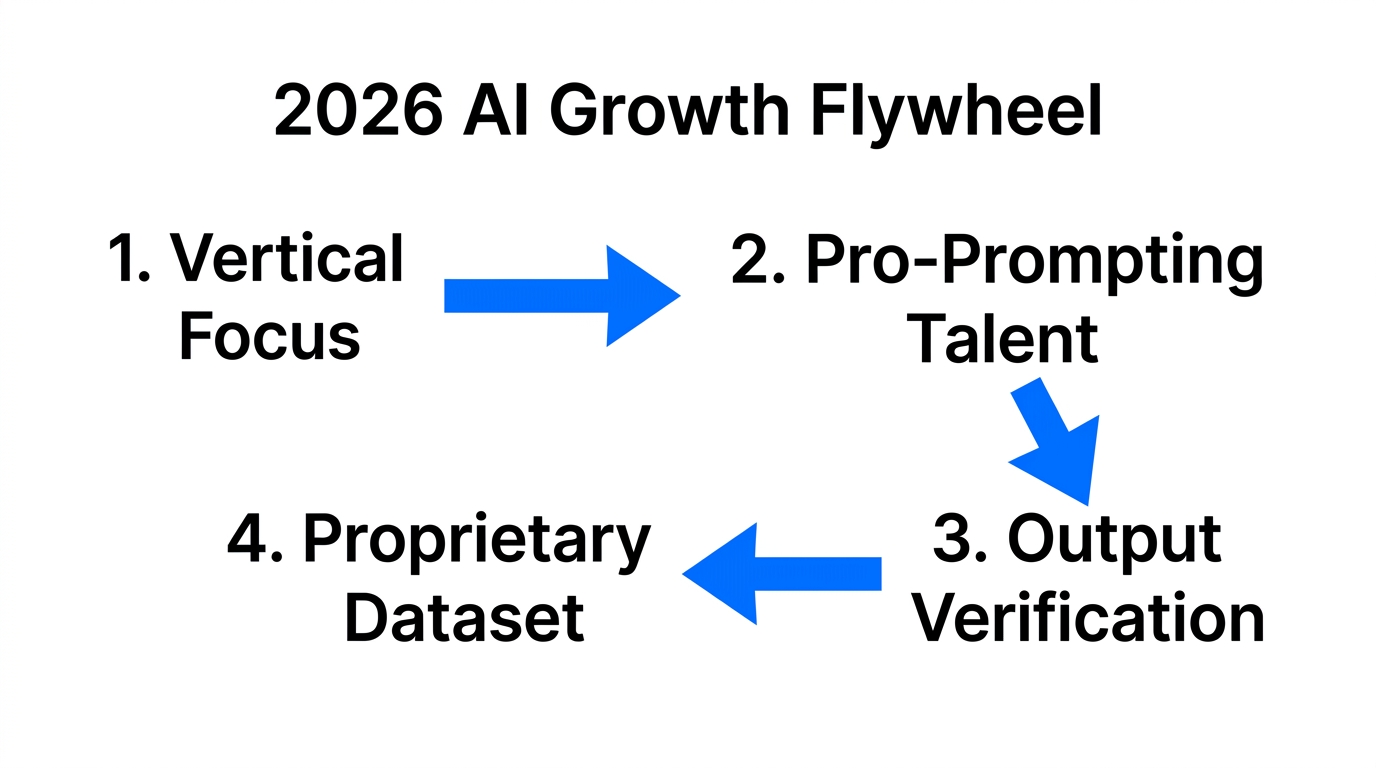
If the tools are becoming commodities, the next multi-billion dollar opportunity is in the curation of talent. This is where the AI marketplace strategy 2026 comes into play. Businesses don't just want a tool; they want a 'Top 1%' AI practitioner who knows how to wire these tools together to solve a specific revenue problem. Imagine a platform where you don't hire a writer, but an 'AI Content Architect' who uses Beehiiv, Claude, and custom agents to run a 50-city newsletter empire solo.
The chicken-and-egg problem for these marketplaces is supply. In 2026, the supply isn't just 'people who use AI'—it's enthusiasts who have built unique workflows that can be licensed. For instance, finding influencers for a niche campaign used to take weeks. Now, platforms like Stormy AI have solved the discovery phase, allowing brands to find and vet thousands of creators instantly using natural language. A marketplace for AI practitioners would focus on the people who use tools like Stormy to run fully automated outreach campaigns while they sleep.
"The problem with business adopting AI is a problem of imagination, not capability. We need experts to show us the V8 engine, not just give us the keys to a V6."
The Playbook: High-Value Recurring AI Tasks to Outsource Today
The vision for an AI-focused freelance platform targeting highly skilled technical implementers.For entrepreneurs looking to capitalize on these creator economy trends, the goal is to identify tasks that have a high 'human-annoyance' factor but a high 'AI-efficiency' potential. These are the tasks businesses are willing to pay a premium for in a marketplace setting.
1. The Autonomous Sales Proposal Agent
One of the biggest bottlenecks in B2B service businesses is the gap between a sales call and a sent proposal. In 2026, the elite workflow involves an AI agent that listens to a Zoom or Google Meet call, identifies the client's specific pain points, checks the company's capability list, and generates a draft invoice and follow-up email before the salesperson even hangs up.
2. Local Newsletter Empire Automation
Local news is a dying industry with high demand. Entrepreneurs are now using AI to scan local government transcripts, social signals, and police logs to curate hyper-local newsletters. By using Beehiiv for delivery and AI for synthesis, a single operator can manage 100+ city newsletters, generating six-figure monthly revenue with minimal human oversight.
3. AI-Driven Influencer Sourcing & Outreach
Managing creator relationships is notoriously labor-intensive. However, the modern workflow involves setting up an autonomous AI agent within a tool like Stormy AI. The agent discovers creators, sends hyper-personalized emails, and follows up automatically. This turns a 40-hour work week for an influencer manager into a 2-hour 'review session' for a strategist.
Why Marketplaces Remain the Ultimate Growth Model
Despite the rise of autonomous tools, marketplaces remain the most valuable business model because they facilitate trust and specialized knowledge. A marketplace of AI practitioners solves the 'fear of being left behind' that most CEOs feel. They know they need the V8 performance of AI, but they don't want to learn how to build the engine. They want to hire the driver.
As we see with the app marketing case study of Lovable and Bolt, the entry barrier to 'creating' is gone. The new barrier is coordination. How do you coordinate 50 different AI agents to work together? How do you ensure your brand voice isn't lost in the sea of generated content? This is where a marketplace of elite 'AI Orchestrators' becomes the most defensible moat on the internet.
Conclusion: From Tool-First to Talent-First
The lessons from Lovable and Bolt are clear: speed is the new currency. But as 2026 progresses, speed alone will not be enough to stay at the 'global maxima.' Brands must pivot from just using tools to building defensible human-AI workflows. Whether you are building a local newsletter empire or managing global influencer campaigns via Stormy AI, the winner will be the one who can bridge the gap between AI capability and human imagination.