When Alex Hormozi recently generated approximately one hundred million dollars through a single webinar campaign, the marketing world didn't just notice—it dissected every pixel. Most observers expected a sleek, minimalist, corporate landing page. Instead, they found what many designers would call 'ugly': a cluttered, copy-heavy, seemingly endless scroll. This approach to landing page conversion optimization challenges modern design sensibilities but relies on deep psychological triggers that turn cold traffic into committed buyers. If you can figure out how to convert strangers into customers through high-converting product page design, your business sustainability increases exponentially.
Above the Fold: The Three-Second Attention Capture

The first rule of high converting product page design is that you must capture attention within three seconds. In the Hormozi model, the area 'above the fold'—what a user sees before scrolling—is treated like prime real estate. Every element is engineered to prevent the visitor from bouncing. This involves a heavy reliance on a clear value proposition, a prominent video embed, and immediate scarcity indicators like countdown timers. By using Meta Ads Manager to drive traffic, these pages ensure that the promise made in the ad is immediately fulfilled in the headline.
A critical component of this strategy is the video sales letter (VSL). Unlike traditional product descriptions, a video allows the founder to build a direct connection, demonstrating the product in real-time. This 'product demo' approach is what turns skepticism into curiosity. When users land on the page, they are hit with a clear call-to-action (CTA) that often blends into the brand's aesthetic while remaining impossible to miss. The goal isn't just to look pretty; it's to signal that a significant event is happening now.
The Power of the Infinite Scroll: 3,000 Words of Proof
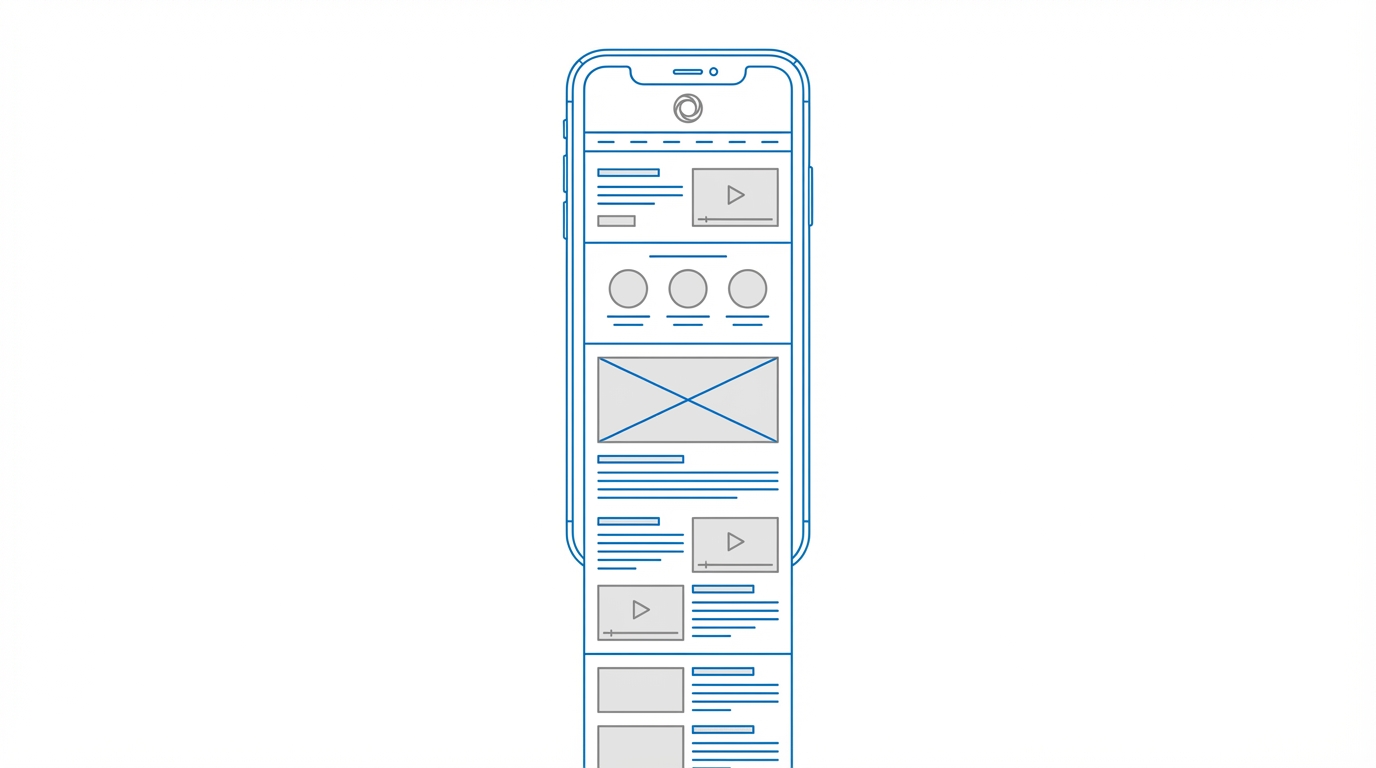
There is a common myth in web design that 'nobody reads anymore.' However, data from high-ticket direct response campaigns shows the opposite. A long form sales page strategy often utilizes over 3,000 words of copy and dozens of sections dedicated to social proof. This 'infinite scroll' serves a specific purpose: proof on demand. For a buyer who is ready to purchase after 200 words, the CTA is available. For the skeptic who needs to see 50 testimonials, three case studies, and a detailed breakdown of the curriculum, those elements are provided further down the page.
By layering social proof—including screenshots from TikTok and Instagram—the page builds a wall of evidence that becomes difficult to ignore. This is where sales funnel copywriting shines. Each section addresses a specific objection, from price to time commitment to the 'is this for me?' question. If your page is too short, you leave objections unanswered. If it's long and well-structured, you provide a safety net for every possible doubt.
Digital vs. Physical: Creating Ethical Scarcity
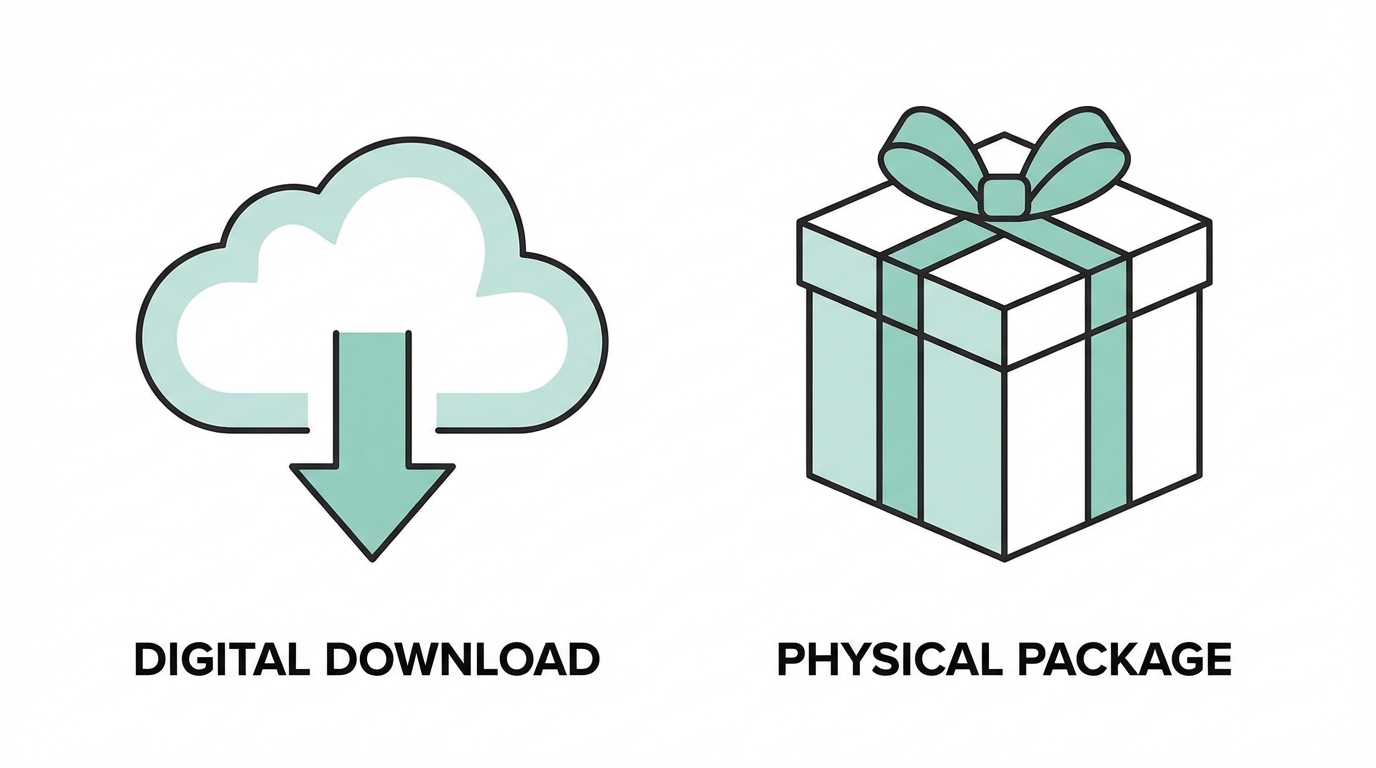
One of the biggest challenges in selling digital products is the lack of perceived scarcity. Unlike a physical store that can run out of stock, a digital course or software license is effectively infinite. To counter this, masters of the funnel use physical bonuses and 'printed playbooks.' Hormozi famously utilized physical folders containing 12 playbooks, claiming they represented $35,000 in value [Source]. Even in a world dominated by AI and digital tools, the psychological weight of a physical item arriving in the mail is a massive conversion driver.
Physical goods create a 'hedge' against the ephemeral nature of the internet. When you offer a bonus that is only available in a printed format, you create genuine, ethical scarcity. There are only so many books printed; there is a deadline for when they can be shipped. This drives much higher conversion rates than a simple discount. In fact, stacking bonuses is consistently more effective than lowering the price. It increases the Price-to-Value gap, making the investment feel 'practically free' because the value of the bonuses far outweighs the entry cost.
The AI Bonus Loop: GPT Wrappers and Digital Tools
A new evolution in the digital product scarcity tactics is the 'AI Bonus Loop.' This involves packaging custom AI tools, such as GPT wrappers or business advisors, as exclusive bonuses for purchasing an information product. For example, an AI business advisor trained on a specific methodology can have a high perceived value while costing the creator very little to maintain. These tools serve as force multipliers for the information being sold, helping the customer implement the 'playbooks' faster.
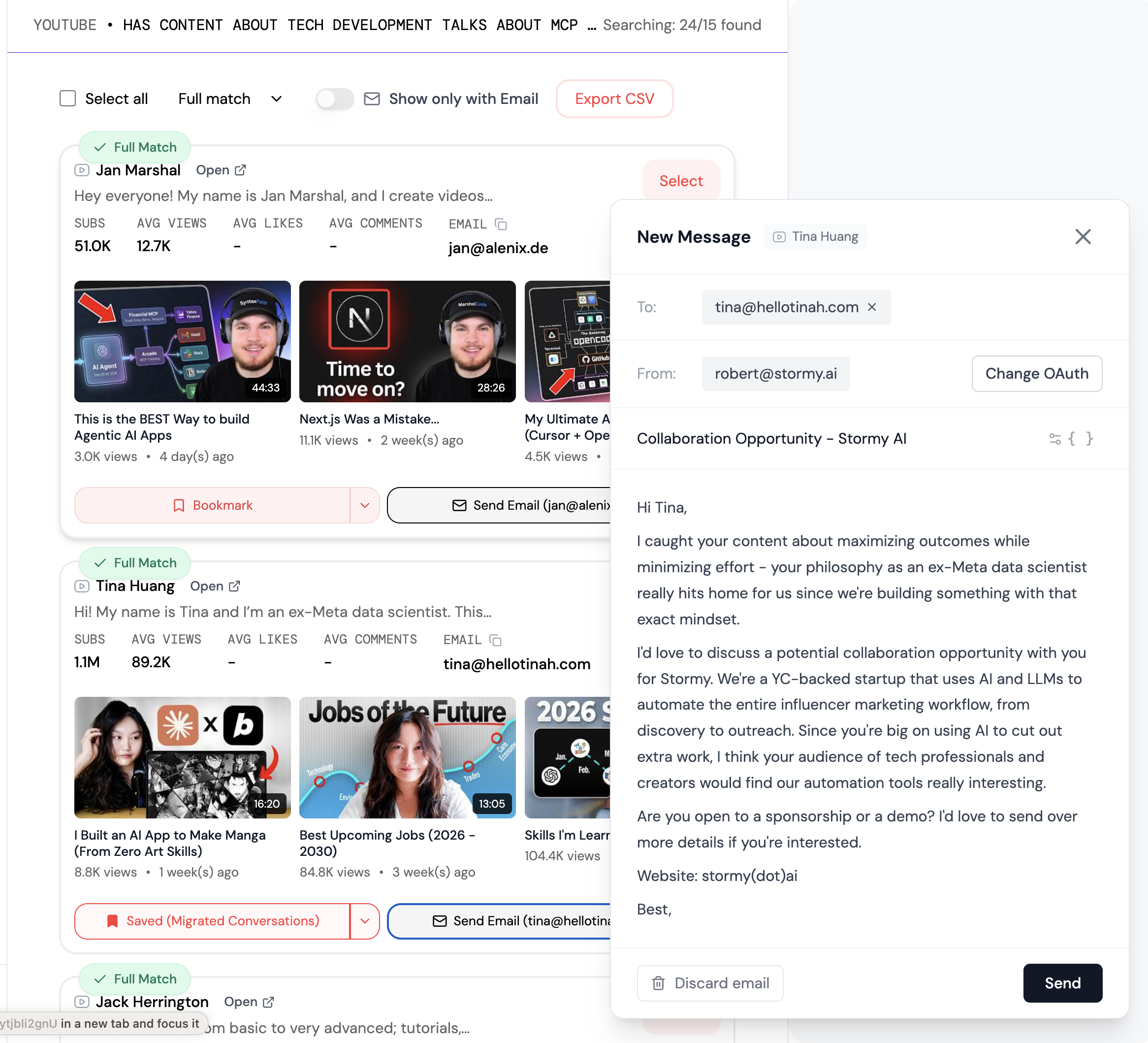
When implementing these strategies, managing the creators who help promote these launches can become a logistical hurdle. Using a platform like Stormy AI can help source and manage UGC creators at scale, ensuring that your social proof isn't just static text but vibrant video content from trusted voices. Stormy's AI-powered search allows you to find influencers who align with your brand's tone, whether that's 'slick' or 'chaotic,' helping to populate your long-form page with authentic testimonials.
Testing Design vs. Copy: Why 'Ugly' Wins
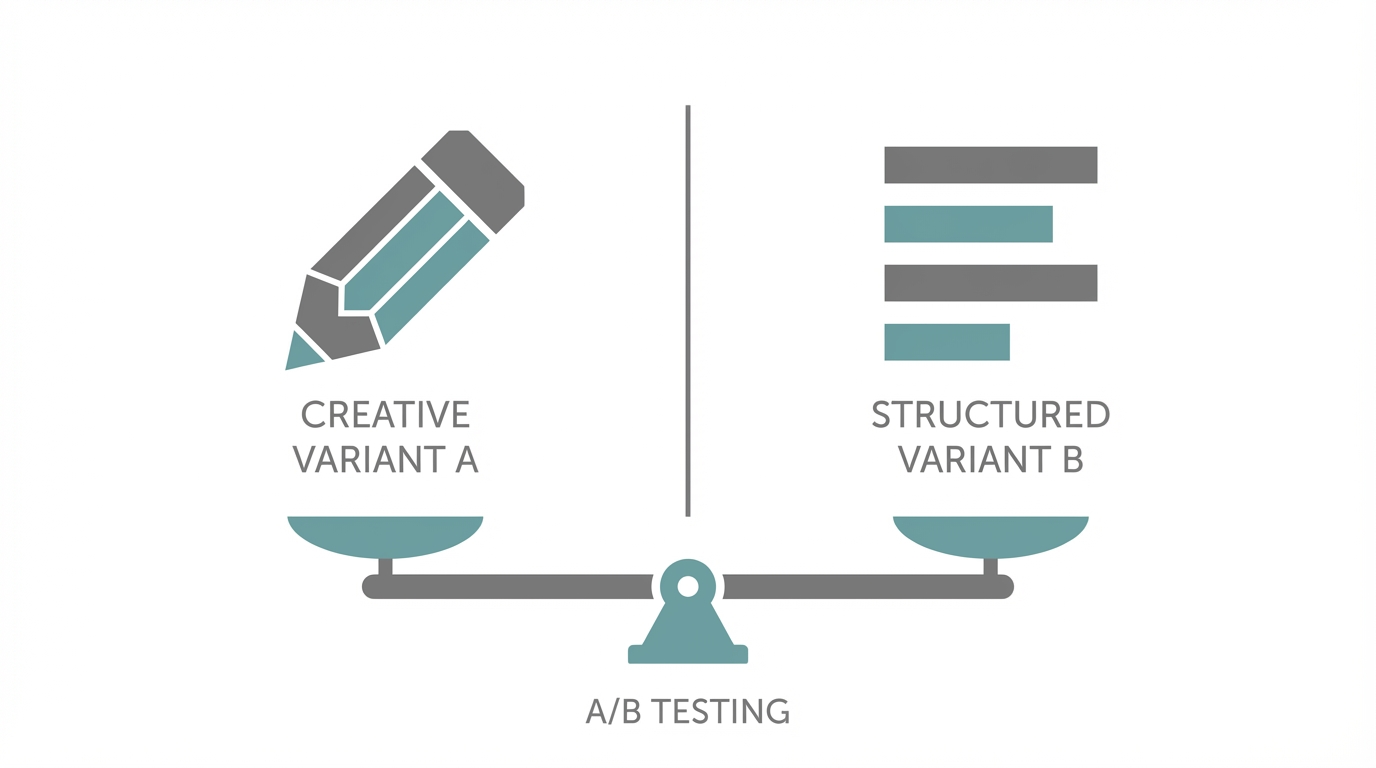
Many startup founders and designers recoil at cluttered pages, but A/B testing often reveals a hard truth: cluttered, copy-heavy pages frequently outperform minimalist corporate designs. Minimalist design often prioritizes aesthetics over information density. In a high-stakes purchase, the buyer wants information, not white space. The 'ugly' design signals that the focus is on the content and the results, rather than the polish of the brand.
This doesn't mean the page should be poorly built. It means the design should be functional. Elements like countdown timers, 'as seen on' banners, and highlighted text help guide the eye through the sales funnel copywriting. When brands use tools like Google Analytics to track behavior, they often find that users spend more time engaging with proof-heavy sections than with artistic hero images. This is particularly true for bootstrapped companies that don't have the luxury of a multi-million dollar Super Bowl ad to build brand equity.
The Marketing Machinery: The 4-Phase Email Sequence
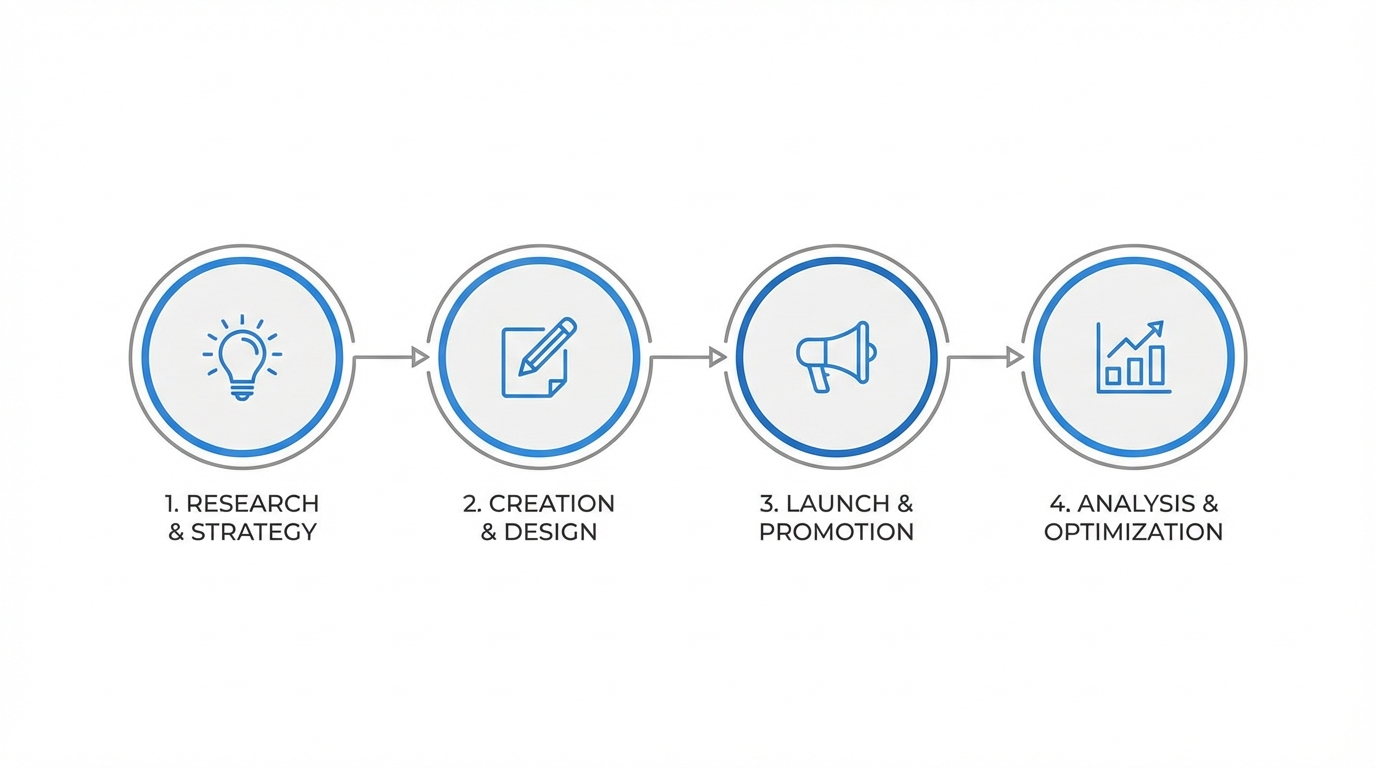
A high-converting sales page is only as good as the traffic sent to it. A successful $100M launch requires a sophisticated four-phase email campaign:
- Registration Phase: Getting people to sign up for the event or waitlist.
- Indoctrination/Reminder Phase: Ensuring registrants show up by sending repeated reminders and 'sneak peeks.'
- The Live Phase: Real-time emails sent during the event to pull people into the stream.
- The Public/Closing Phase: Post-event emails (often 6-10) that focus on the bonuses, the deadline, and the scarcity of the offer.
The intensity of these sequences can be shocking. It is common for top-tier marketers to send multiple emails per day as a deadline approaches. While this may increase the unsubscribe rate, it drastically increases the bottom-line revenue. Modern automation software allows you to manage this outreach and keep communication organized, ensuring that your campaign tracking and post-performance analytics are handled in one place while you focus on the copy.
Step-by-Step Playbook for Your Next Launch
Step 1: Focus on the Bonus Stack
Stop thinking about discounts. Instead, create 3-5 high-value bonuses that solve the 'next' problem your customer will have after using your main product. If you sell a workout plan, the bonus should be a meal prep guide or a supplement tracker.
Step 2: Build for Density, Not Beauty
Ensure your above-the-fold area has a video, a headline, and a CTA. Don't be afraid to let the page run long. Use bold highlights and bullet points to make the copy skimmable for 'fast' buyers, while providing deep-dive sections for 'analytical' buyers.
Step 3: Integrate Physical Elements
Even if you are a SaaS company, consider what you can ship. A 'Welcome Kit' or a 'Strategy Folder' can make your digital offering feel tangible and increase your conversion rates by giving you real scarcity to talk about in your emails.
Step 4: Execute the Multi-Channel Blitz
Use Google Ads and social platforms to flood your page with traffic during a limited window. Coordinate your email sequences to peak in intensity during the final 48 hours of your offer.
Conclusion: Why Direct Response Wins
The success of 'ugly' long-form sales pages proves that clarity and proof will always outperform 'cool' design in a direct-sale environment. By focusing on landing page conversion optimization through the lens of direct response—using infinite scroll, heavy social proof, and physical bonuses—you move away from 'hope-based marketing' and into a predictable system for customer acquisition. Whether you are selling a $20 book or a $5,000 coaching package, the machinery remains the same: hook the attention, build the case, and stack the value until saying 'no' feels like a mistake. For those looking to scale this through influencer partnerships, leveraging Stormy AI to vet creators and track campaign performance ensures that your high-converting page is seen by the right audience at the right time.