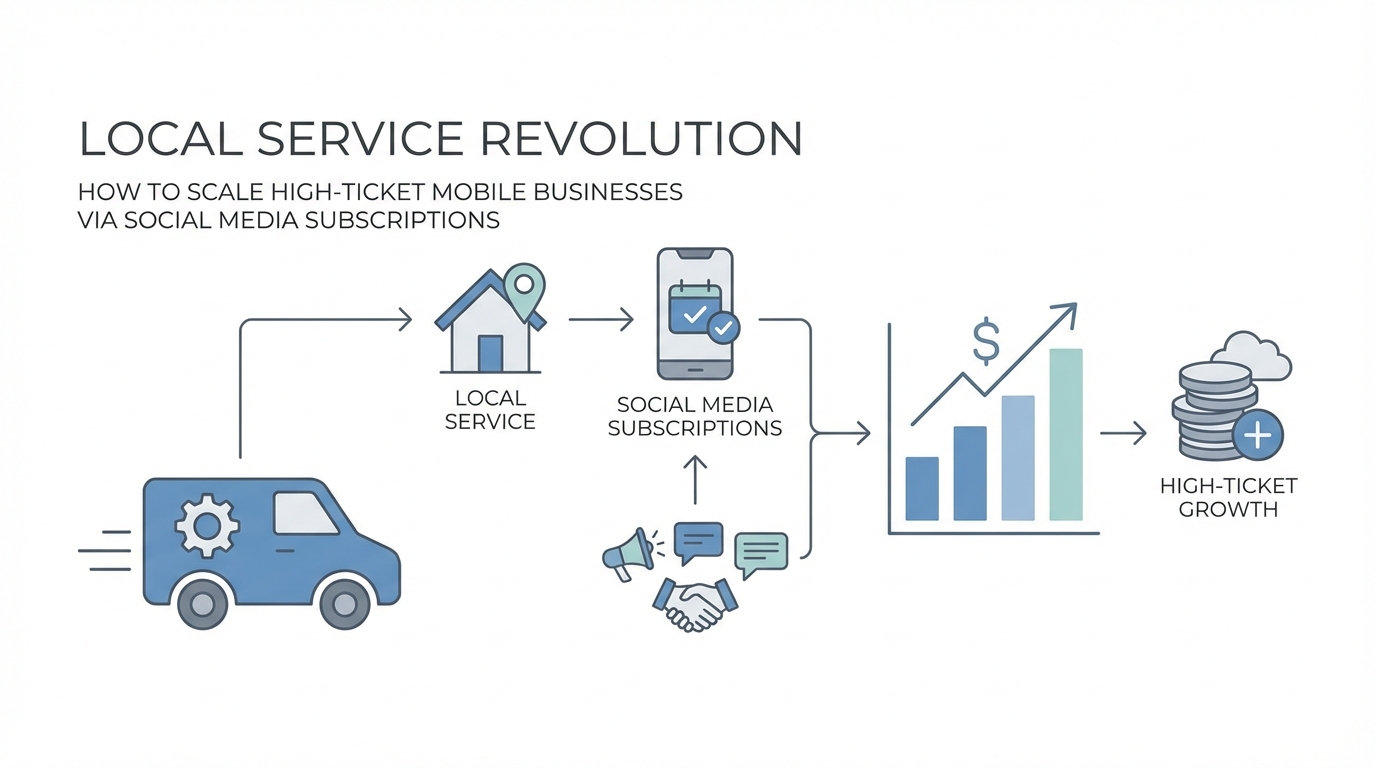
For years, the entrepreneurial dream was centered on building the next viral app or a Silicon Valley SaaS platform. However, a quiet shift is occurring. Smart founders are looking away from the screen and toward the pavement, embracing what many call 'sweaty' niches. These are high-margin, mobile service businesses that solve real-world problems for affluent hobbyists. By combining traditional service labor with modern recurring revenue for local business models, entrepreneurs are transforming simple tasks like bike washing and golf club maintenance into eight-figure empires. This revolution isn't just about hard work; it is about leveraging an experiential marketing strategy and social media to capture high-net-worth niches where disposable income is abundant.
The Rise of 'Sweaty' Mobile Niches
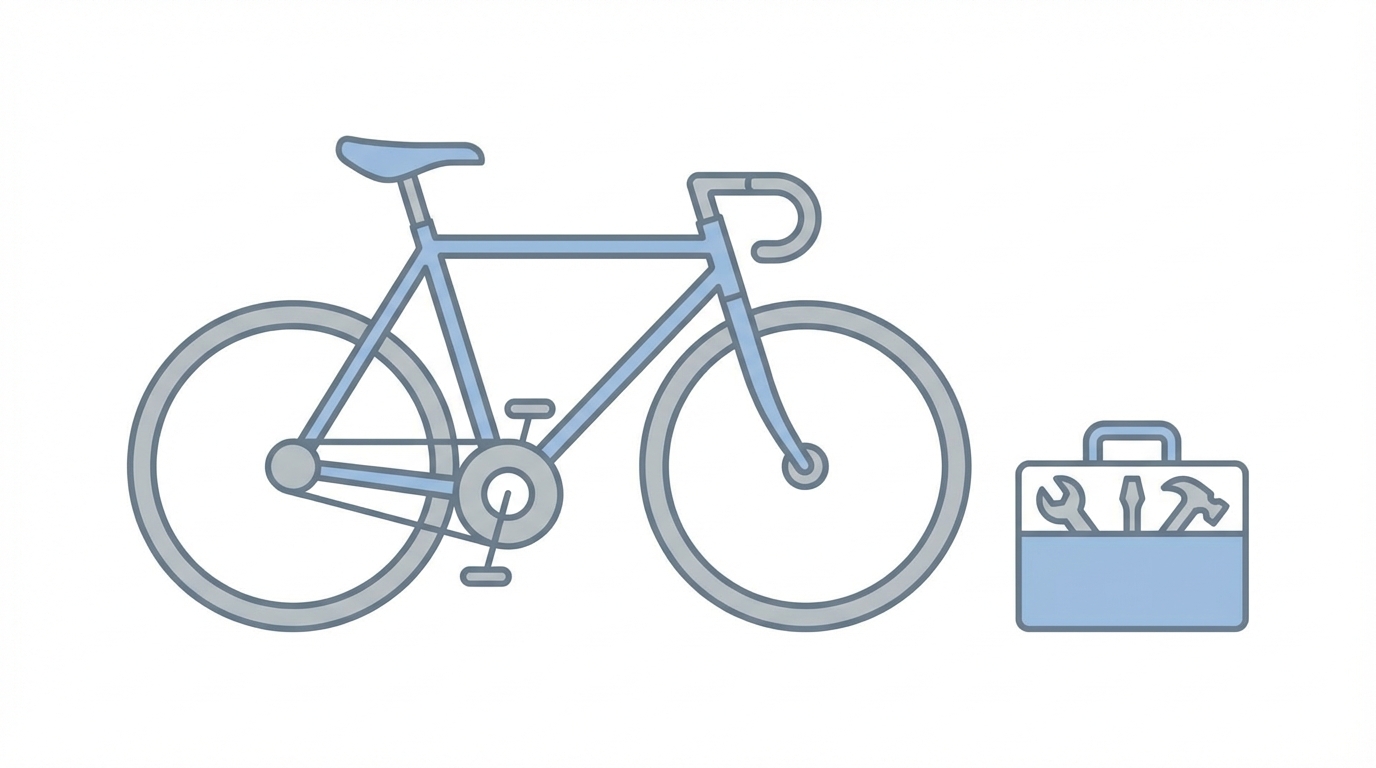

The term 'sweaty startup' refers to businesses that involve physical labor, specialized equipment, and direct customer interaction. While these may seem 'low-tech,' they are currently among the most lucrative mobile service business ideas because they are insulated from the volatility of purely digital markets. Consider the explosive growth of cycling. In recent years, enthusiasts have moved beyond casual riding to investing in e-bikes, gravel bikes, and high-end road machines. These are individuals owning bikes worth between $5,000 and $15,000 who treat their equipment with the same reverence a collector treats a classic car.
As noted by experts on the Perplexity AI research platform, high-value hobbies create specialized needs. A cyclist living in an upscale apartment doesn't have the space, the tools, or the time to perform a professional-grade wash and degreasing. By bringing the service to them—either at their home or at a popular trailhead—you aren't just selling a clean bike; you are selling time and peace of mind. This same logic applies to golf, where enthusiasts spend hundreds on bags and thousands on clubs, yet struggle to find convenient maintenance options outside of high-priced, slow-turnaround pro shops.
Targeting 'Disposable Income' Niches: The $10k+ Hobbyist
Success in the mobile service world depends entirely on your niche market marketing. If you try to wash every bike in the city, you are competing on price. If you specifically target the 'enthusiast' who participates in cycling races or country club golf tournaments, you can command premium rates. These customers don't look for the cheapest option; they look for the most professional one.
High-net-worth individuals are often searching for these services on platforms like Facebook Marketplace, which currently hosts over 500 million monthly active users specifically looking to shop. Data shows that 51% of all recent social media purchases happen within the Facebook ecosystem. By positioning your mobile service as a high-end solution on Marketplace and within specialized local groups, you gain access to a pool of customers who have already demonstrated a willingness to spend on their hobbies. The key is to mirror the quality of their equipment in your branding. Your service shouldn't look like a guy with a bucket; it should look like a professional mobile maintenance laboratory.
The Subscription Hack: Transitioning to Unlimited Revenue
One of the biggest mistakes local businesses make is relying on 'one-off' transactions. If it rains, or if a customer forgets to call, your revenue drops. To build a truly scalable company, you must implement a subscription service business model. This is the 'Car Wash Hack' applied to mobile services. Instead of charging $30 for a single bike wash, you offer an 'Unlimited Monthly Maintenance' plan for $49 or $79 per month.
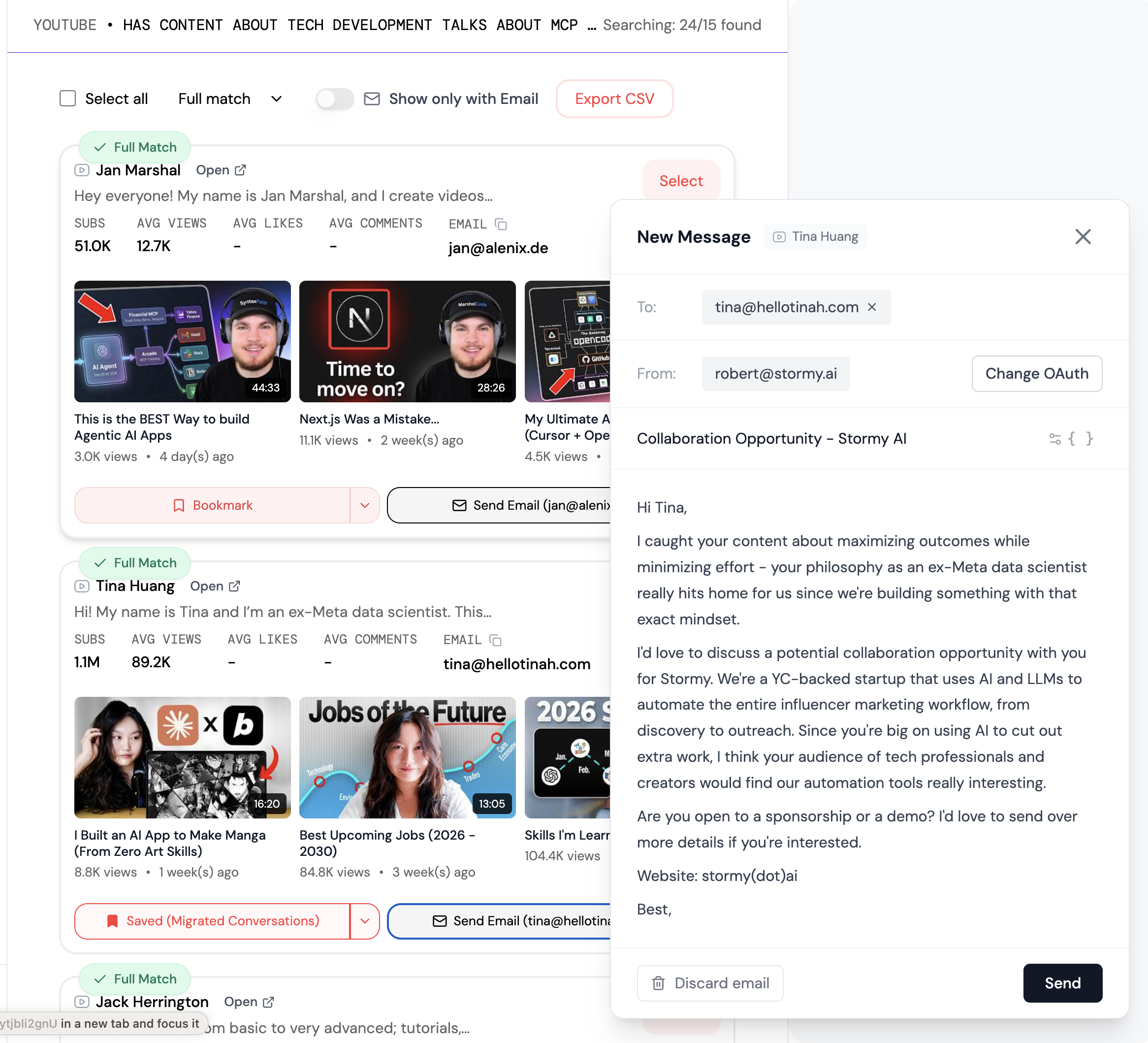
Using a payment processor like Stripe, you can automate these recurring payments, creating stable cash flow even during slower weeks. Psychologically, customers are more likely to commit to a subscription because it removes the 'friction' of making a buying decision every time their gear gets dirty. Interestingly, most subscribers will only use the service once or twice a month, but the predictability of the revenue allows you to hire staff, upgrade equipment, and expand your territory with confidence. AI-native platforms like Stormy AI can help source and manage UGC creators to promote these subscription plans, ensuring that your local community sees real people using and loving the service on a regular basis.
Experiential IRL Marketing: Passive Distribution Strategies
While digital ads are powerful, the most effective way to grow a mobile service is through experiential marketing strategy. This involves placing your service at the point of maximum need. For a mobile bike wash, this means setting up at the entrance of a popular trail on a Saturday morning. When a rider finishes a grueling 20-mile trek and sees an automated, professional washing station, the sale is almost automatic. It solves a problem the customer is experiencing right now.
You can even take this further by partnering with local governments or country clubs. Many cities manage extensive bike paths and are looking for ways to enhance the user experience. By proposing a revenue-share model with the city, you can secure exclusive rights to set up maintenance stations at key intervals. This is passive distribution; you aren't hunting for customers, the customers are literally riding into your place of business. This IRL presence also creates 'viralable' moments—people taking photos of the unique setup and sharing them on Instagram, which drives even more local awareness.
The Local Revolution Playbook: A Step-by-Step Guide
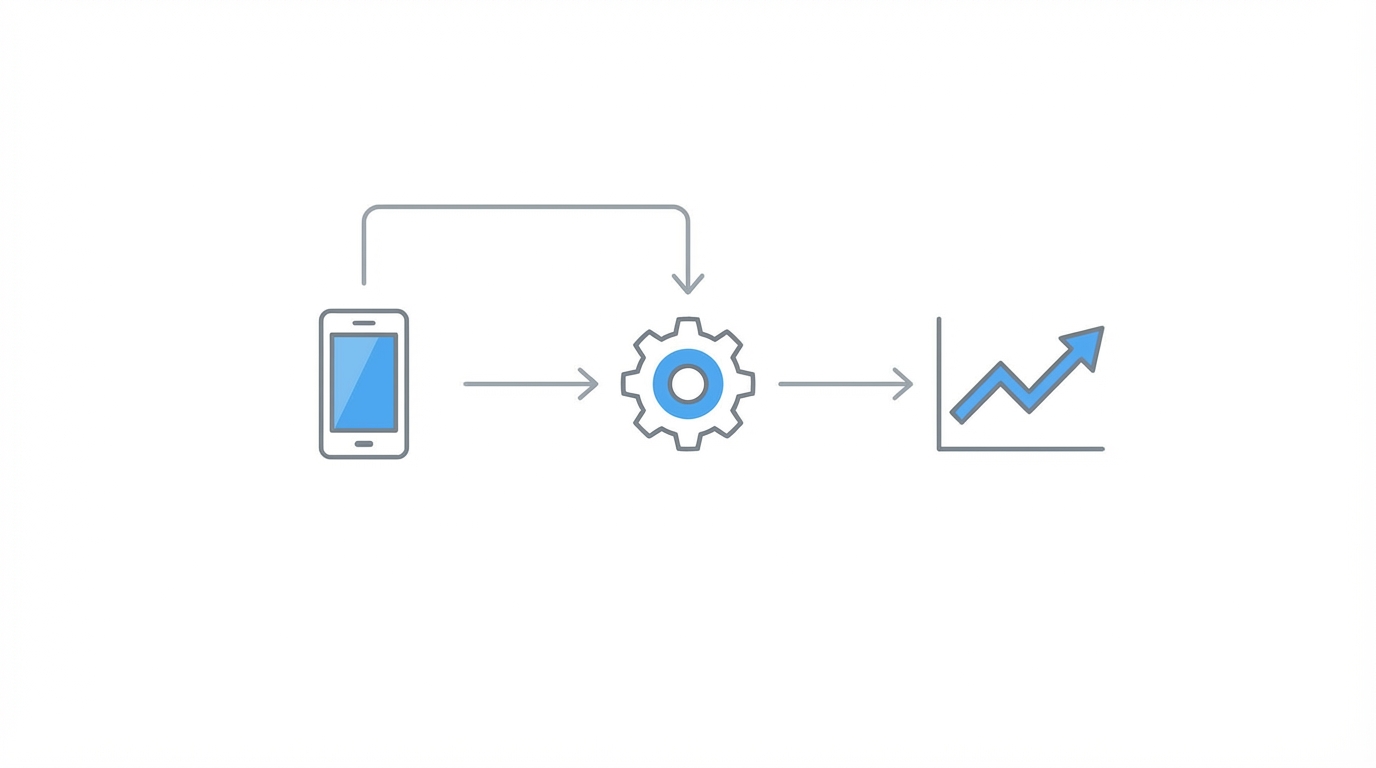
Launching a high-ticket mobile service doesn't require a massive initial investment. It requires a strategic approach to niche market marketing and a commitment to quality. Follow these steps to build your foundation:
Step 1: Identify Your High-Value Niche
Don't just pick a service; pick a customer. Look for hobbies where the equipment cost is high ($5k+) and the maintenance is frequent. Cycling, golf, and even high-end outdoor kitchens are prime examples. The goal is to find a niche where the customer values their time more than the cost of the service.
Step 2: Start Lean with an MVP
You don't need a $10,000 custom trailer to start. Rent a basic trailer or use a van, buy professional-grade cleaning supplies, and head to where your customers congregate. Perform your first 50 services manually. This allows you to learn the pain points of your customers and refine your mobile service business ideas before investing in automation.
Step 3: Build a Local Social Waitlist
Before you even launch your subscription, build a community on Instagram and Facebook. Share 'behind-the-scenes' content of your cleaning process. Use the power of the Shopify ecosystem to set up a simple landing page where people can join a waitlist for your 'Unlimited' plan. This creates a sense of exclusivity and ensures you have customers on day one.
Step 4: Scale with AI-Powered Outreach
Once your local operations are steady, use modern tools like Stormy AI to find and collaborate with local influencers—such as popular cycling vloggers or local golf pros—who can showcase your service to their dedicated followers. This type of influencer marketing, combined with an AI-automated email outreach strategy, can rapidly expand your subscriber base without requiring you to spend hours on manual marketing.
Leveraging Legacy Platforms for Market Alpha
While new platforms emerge constantly, legacy sites like eBay and Facebook Marketplace remain goldmines for finding 'alpha' in your niche. For example, if you are in the mobile golf club maintenance business, you can use these platforms to track which high-end clubs are selling most frequently in your zip code. This data informs you where the money is moving and which neighborhoods to target with your physical trailers.
The internet is often viewed as a place where competition is infinite, but in local service businesses, the 'pie' is often defined by those who show up. Most traditional service providers are still using old-school methods—paper invoices, no social media presence, and zero recurring billing. By bringing a modern tech stack to a 'sweaty' industry, you aren't just competing; you are disrupting. Whether it's selling specialized 'anti-spike' drink stickers to local bars or offering premium rock vending machines at trailheads for kids, the opportunities for recurring revenue for local business are only limited by your imagination.
Conclusion: Taking the First Step
The mobile service business ideas of tomorrow aren't found in a laboratory; they are found at the trailhead, the clubhouse, and the local bar. By focusing on high-ticket niches and implementing a subscription service business model, you can build a company that offers both high margins and predictable cash flow. Remember that in the age of AI and digital saturation, the most valuable thing you can offer is a tangible, high-quality experience in the real world. Stop waiting for the 'perfect' app idea and start looking at the high-value equipment right in front of you. Build the service, automate the revenue, and lead the local revolution.