In 2026, the restaurant industry has reached a breaking point with third-party delivery aggregators. For years, platforms like DoorDash and UberEats have acted as the digital landlords of the food world, charging 15% to 30% commissions that eat through the already razor-thin margins of local eateries. But a shift is happening. Forward-thinking founders are realizing that owning the digital relationship is no longer optional—it is the difference between scaling a multi-unit empire and closing the doors for good. By leveraging Owner.com and sophisticated vertical SaaS tools, restaurants are finally reclaiming their profits and their data.
Ranking for Your Own Name: The Highest ROI Marketing Activity in 2026
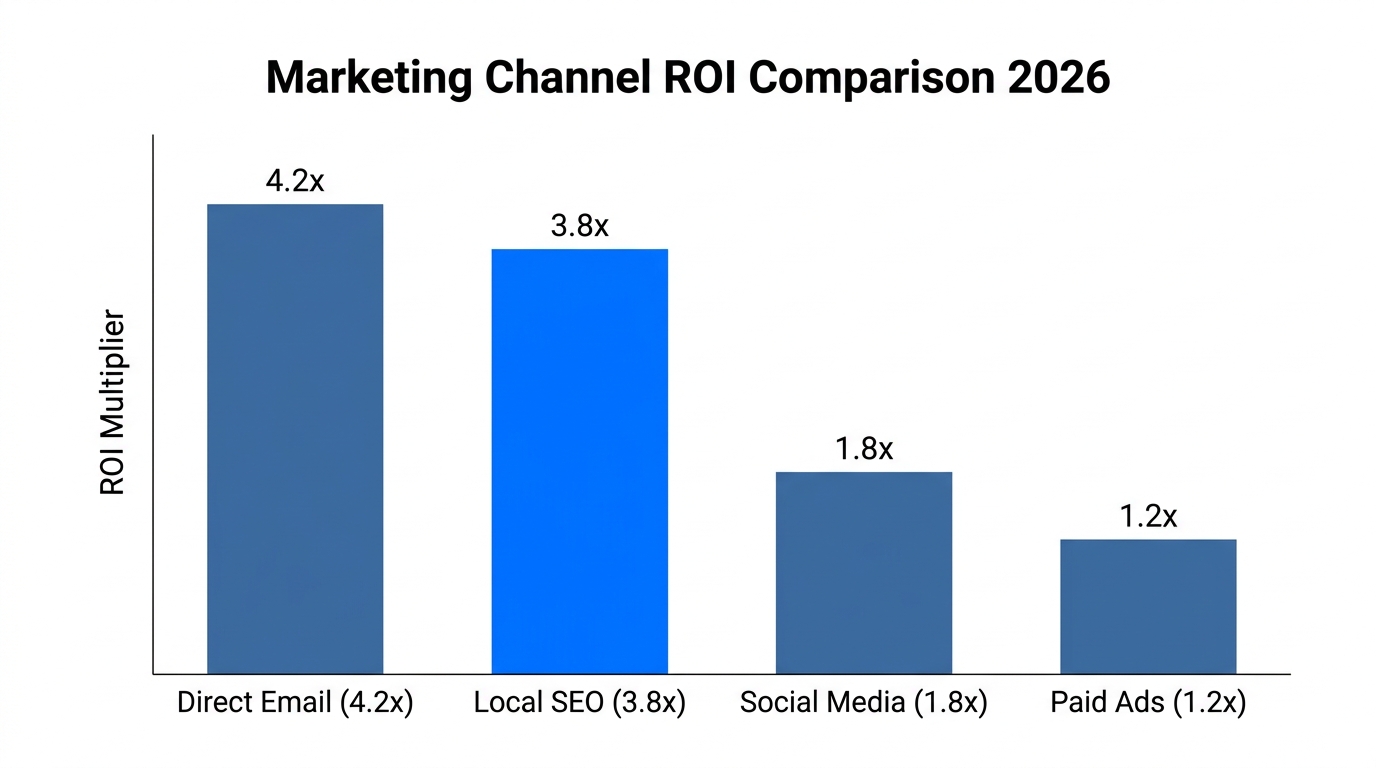
Many restaurant owners spend thousands of dollars on Google Ads and social media campaigns without realizing there is a giant information leak right at the top of their search results. If a customer searches for your specific pizza shop or sushi bar, who shows up first? Often, it is not your website. It is a third-party marketplace that has optimized its SEO to capture your loyal customers and charge you a fee for the privilege of serving them.
This is where local SEO for restaurants 2026 has become a battlefield. If you are not the first result for your own business name, you are effectively paying a "discovery fee" for a customer who already knows who you are. This is a massive loss of revenue that can be fixed with the right technical infrastructure. Successful local businesses, ranging from $1.25M-a-year kids' dance studios to high-volume pizzerias, have realized that ranking #1 for their brand name is the single most important digital asset they own, according to leading SEO research.
"If a customer is searching for your business by name and ends up ordering through a third-party app, you haven't gained a customer—you've paid a middleman to rent your own reputation back to you."
How Owner.com Automates Technical SEO for Non-Technical Founders
 32:00
32:00The challenge for most restaurant founders is that they are experts in hospitality, not complex inbound marketing strategies or technical SEO. Managing schema markup, mobile responsiveness, and page load speeds across multiple locations is a full-time job. This is the core value proposition of vertical SaaS platforms like Owner.com. They provide an out-of-the-box system that handles the heavy lifting of SEO without requiring the owner to touch a line of code.
By using a platform designed specifically for the restaurant workflow, owners can ensure their menus are crawlable by search engines, their location data is consistent across Google Business Profiles, and their checkout process is as smooth as a Shopify store. This level of technical automation allows a pizza shop owner in Pennsylvania to move from page two of Google to the top spot in weeks, potentially adding $10,000 in monthly revenue just by recapturing direct traffic.
Mobile-First and AI-Driven Ordering
In 2026, over 80% of local searches happen on mobile devices. If your website takes more than three seconds to load or requires a customer to pinch-and-zoom a PDF menu, you've lost the sale. Vertical SaaS scaling means moving to a mobile-native experience. Modern platforms now use AI-powered interfaces to suggest add-ons, personalize the menu based on past orders, and even handle phone inquiries through automated systems like Tarro, which uses AI to route phone orders to call centers or handle them via voice agents. This ensures that every single lead is captured, whether it comes through a browser or a phone call.
Strategies for Moving Customers from High-Fee Apps to Direct Channels
32:30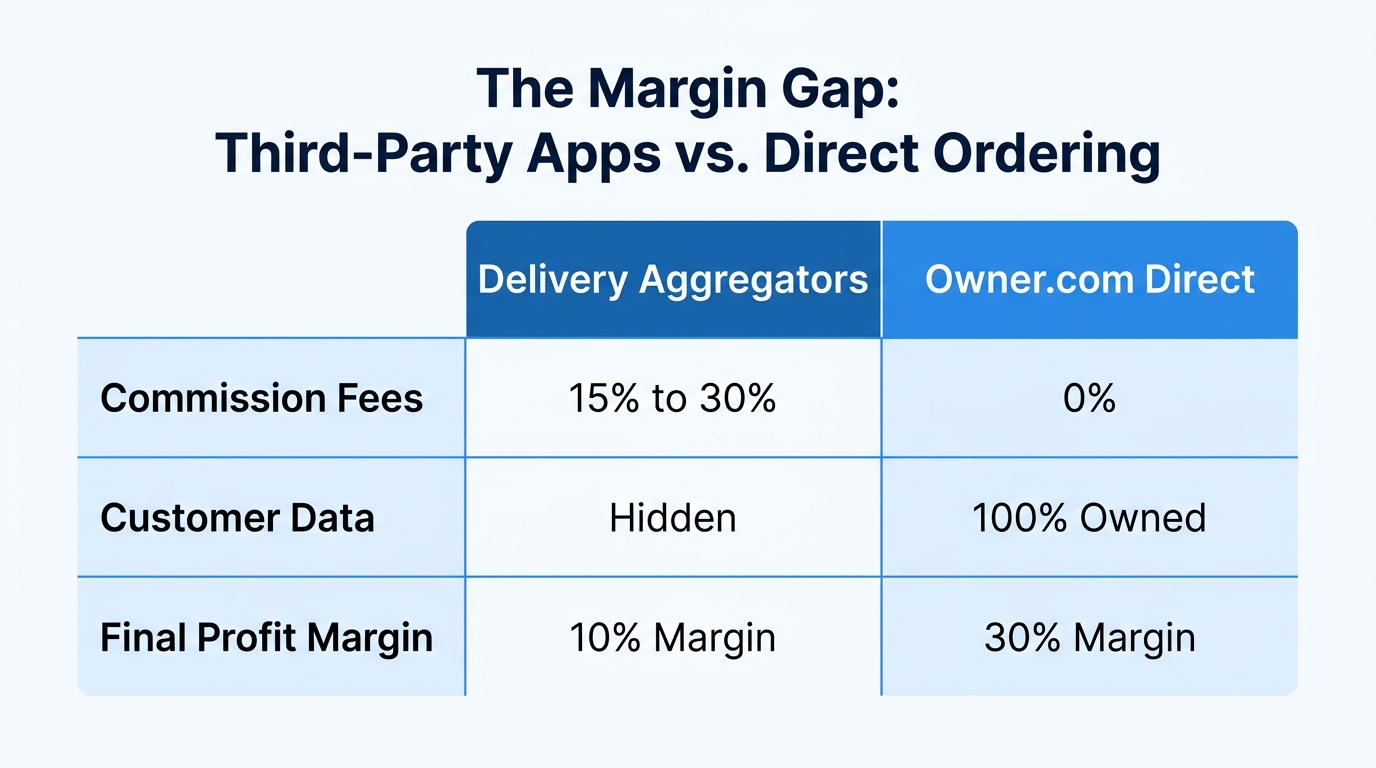
Moving customers off DoorDash and onto your own platform requires a combination of psychology and incentives. You have to offer a better experience than the giants. This is often achieved through loyalty programs and exclusive "direct-only" menu items. When a customer orders directly through your Owner.com site, you save the 30% commission, which you can then partially reinvest back into the customer via rewards.
| Feature | Third-Party Aggregators | Direct-to-Consumer (Owner.com) |
|---|---|---|
| Commission Fee | 15% - 30% | 0% (Flat SaaS Fee) |
| Customer Data | Owned by App | Owned by Restaurant |
| SEO Benefit | High for Discovery | Dominates Brand Search |
| Marketing Control | Limited | Full SMS/Email Access |
Consider the case of Lap of Love, a highly successful local service business that dominates its niche through local search. They don't rely on third-party marketplaces; they own the Yelp pages and search results in every city they operate in. By focusing on direct-to-consumer restaurant marketing, you are building an asset (your customer list) rather than just fulfilling orders for someone else's platform.
"Vertical SaaS isn't just about software; it's about the sovereignty of the local business owner over their own customer base."
Leveraging SMS and Email Data to Drive Recurring Revenue
33:00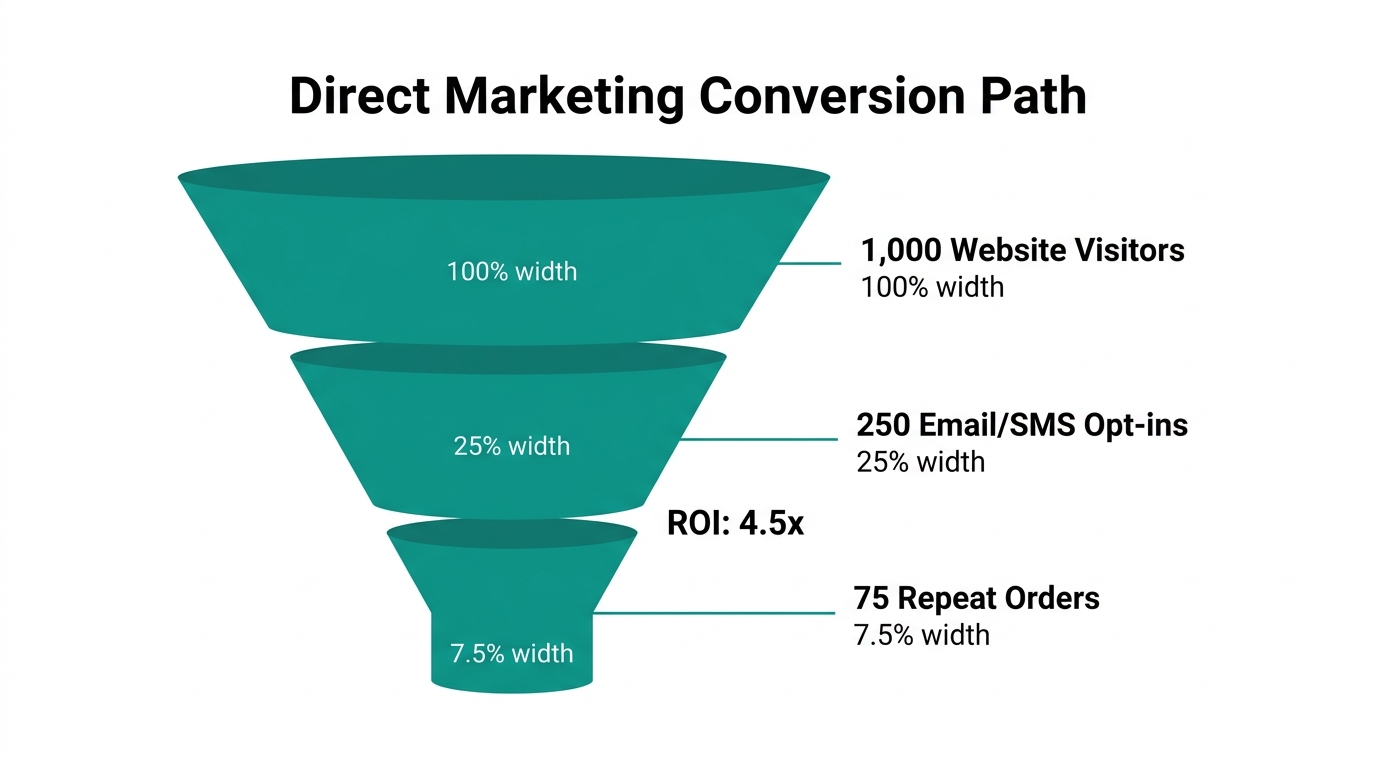
The most dangerous part of third-party apps isn't the fee—it's the anonymity. When a customer orders through an aggregator, you don't know who they are. You can't invite them back for a Tuesday night special. You can't send them a birthday coupon. You are a commodity.
In contrast, using a dedicated CRM allows you to collect emails and phone numbers for every transaction. In 2026, SMS marketing has open rates exceeding 90%, making it the most powerful tool for driving repeat business. Just as brands use Stormy AI to find and manage influencer relationships for top-of-funnel growth, local restaurants must use their internal CRM data to manage their most valuable relationships: their existing customers.
- Automated Re-engagement: Send a text to customers who haven't ordered in 21 days.
- Loyalty Tiers: Reward your top 10% of customers with early access to new menu items.
- Feedback Loops: Automatically request a Yelp or Google review after a successful direct order.
By treating your restaurant like a modern e-commerce brand—using tools like Klaviyo or built-in SaaS marketing suites—you can create a predictable revenue engine that doesn't depend on the whims of an aggregator's algorithm.
The Vertical SaaS Advantage: Why Specialized Tools Win
30:30The success of companies like Owner.com or even hyper-niche services like IBYFAX shows that specialization beats generalism. General website builders like Webflow or Framer are excellent for design, but they don't understand the specific logistics of a kitchen, the necessity of local SEO for restaurants, or the integration of point-of-sale systems.
Vertical SaaS scaling allows founders to benefit from the "bar raiser" effect. When you join a platform that is used by thousands of top-performing restaurants, you aren't just buying software; you are buying the best practices of the entire industry. You are getting the same SEO tactics, the same high-converting checkout flows, and the same automated marketing sequences that the most successful pizza shop owners in the country use.
Conclusion: Reclaiming the Future of Local Business
The era of being "held hostage" by third-party delivery apps is ending. As we move through 2026, the local SEO playbook for restaurants is clear: own your search results, own your checkout, and own your data. By utilizing Owner.com and similar vertical SaaS tools, founders can stop paying the 30% aggregator tax and start building a sustainable, high-margin business. Whether you are running a single-location boutique or a scaling franchise, the goal remains the same: direct-to-consumer relationships are the only true moat in the digital age. It’s time to stop renting your customers and start owning your growth.