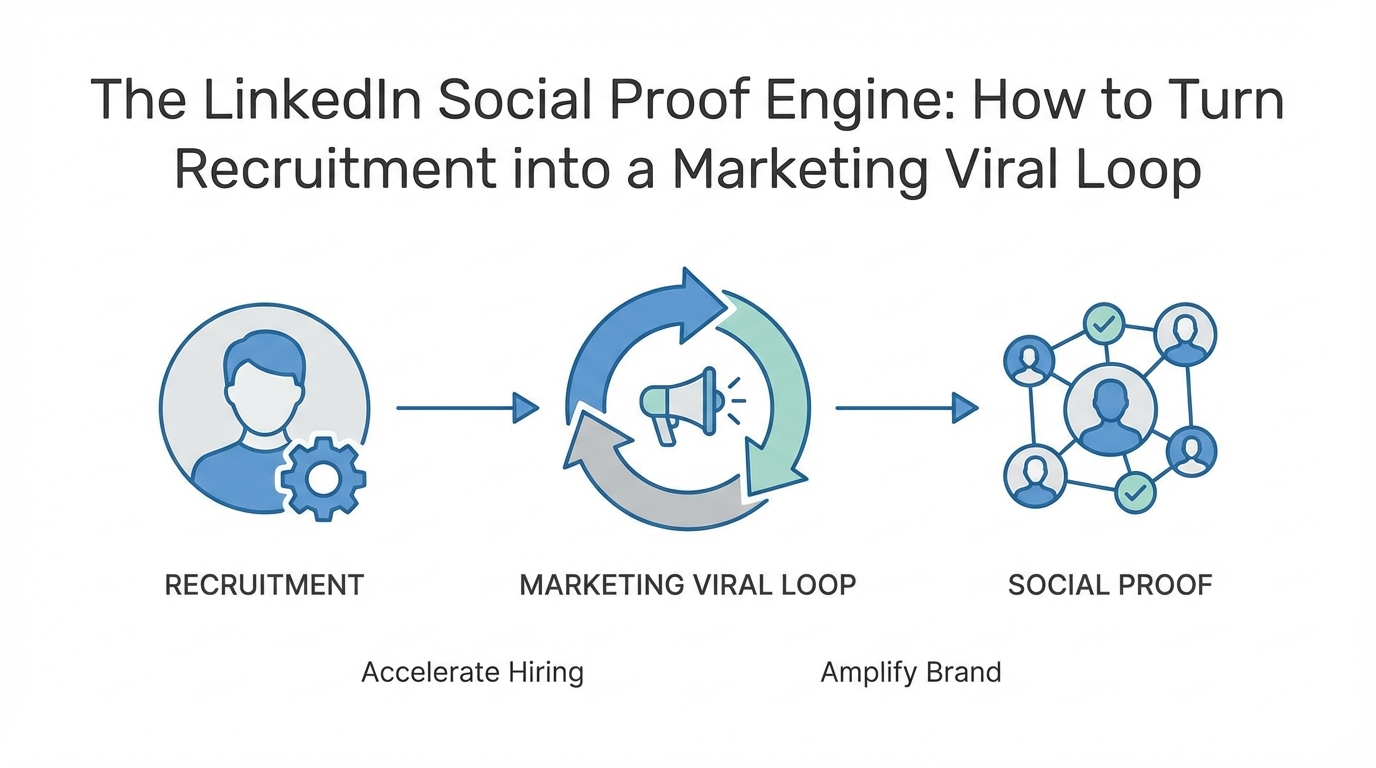
For most startups, the traditional distribution playbook is broken. You pay for customer acquisition on platforms like Meta Ads Manager, you fight for visibility on saturated social feeds, and you pray that your product-led growth naturally kicks in. But there is a massive, untapped distribution engine hiding in plain sight: your recruitment process. When done correctly, hiring isn't just a HR function; it’s a high-octane recruitment marketing strategy that can generate millions of impressions and build impenetrable social proof with investors and users alike.
The 'Intern Race' Strategy: Turning Applications into Viral Content

The core of this strategy lies in gamifying the application process. Instead of a standard job posting on LinkedIn, imagine creating a high-stakes competition. Take the example of the startup Series, which turned a standard internship search into a viral "Race to the Hamptons." By the end of the campaign, they hadn't just found a few interns; they had generated over 2,500 applications and sparked a wave of viral LinkedIn content that dominated the tech ecosystem for 48 hours.
The brilliance of the "Intern Race" is that it forces candidates to become brand ambassadors. By selecting a cohort of 150 finalists and challenging them to share their excitement, Series saw over 100 high-quality LinkedIn posts created by candidates in just two days. These weren't low-effort shares; these were deep, personal paragraphs about entrepreneurship and why they wanted to join the company. This creates a massive surge in social proof in marketing because it signals to the world that your company is the most desirable place to work, even before you've officially launched a product feature.
Leveraging the 'Unsaturated' LinkedIn Feed

Many founders avoid LinkedIn marketing for startups because they find the platform "cringe." However, in the world of attention economics, "cringe" is often synonymous with opportunity. Because so many users are hesitant to post, the feed remains relatively unsaturated compared to Twitter (X) or TikTok. This means that when you do post high-quality content, the algorithm has a much higher chance of pushing it to the highest value followers in the industry—investors, potential enterprise partners, and high-level talent.
As startups scale, platforms like Stormy AI (an AI search engine that finds matching influencers across TikTok, YouTube, Instagram, and LinkedIn via natural-language prompts) become essential for identifying these types of creators who can bridge the gap between B2B professionalism and Gen Z virality. By using AI-powered search, brands can find UGC creators who already have a presence on LinkedIn and know how to navigate its specific cultural nuances. This is particularly effective for mobile app marketing where user-generated content (UGC) can be repurposed across Apple Search Ads to lower acquisition costs through higher trust signals.
The Psychology of Social Proof: Making Participation Comfortable

One of the hardest parts of B2B influencer marketing is getting people to talk about your brand without it feeling forced. This is where decision science and social proof come into play. Most people are afraid to be the first person to post about a new startup. However, once you have a critical mass of candidates or "challengers" posting, others feel a psychological "safety in numbers."
This "participation effect" means that once a few high-quality candidates share their journey, the rest of the 2,500+ applicants feel comfortable following suit. This creates a marketing viral loop: more posts lead to more applications, which lead to even more posts. This strategy is incredibly effective for app install campaigns because it builds a community of advocates who feel personally invested in the company's success before the app even hits the store.
The Challenge Format: Building a Day-by-Day Narrative
Modern audiences are tired of overly polished corporate videos. They want to see the challenge format—a day-by-day journey that documents whether a goal can actually be achieved. This is why the "intern race" or a "100-day build in public" series works so well. It treats your startup’s growth like a reality TV show.
For example, turning a simple Hinge interaction into a user conversion story on Twitter—where a marketer walks their date through the onboarding process—is a masterclass in storytelling. It’s authentic, it’s slightly absurd, and it provides a hook that keeps people following for the next update. When you use tools like Stormy AI for deep creator analysis and vetting, you can ensure your UGC partners have high-quality scores and real engagement before investing in their narrative arc.
Step-by-Step Playbook for a Viral Hiring Campaign
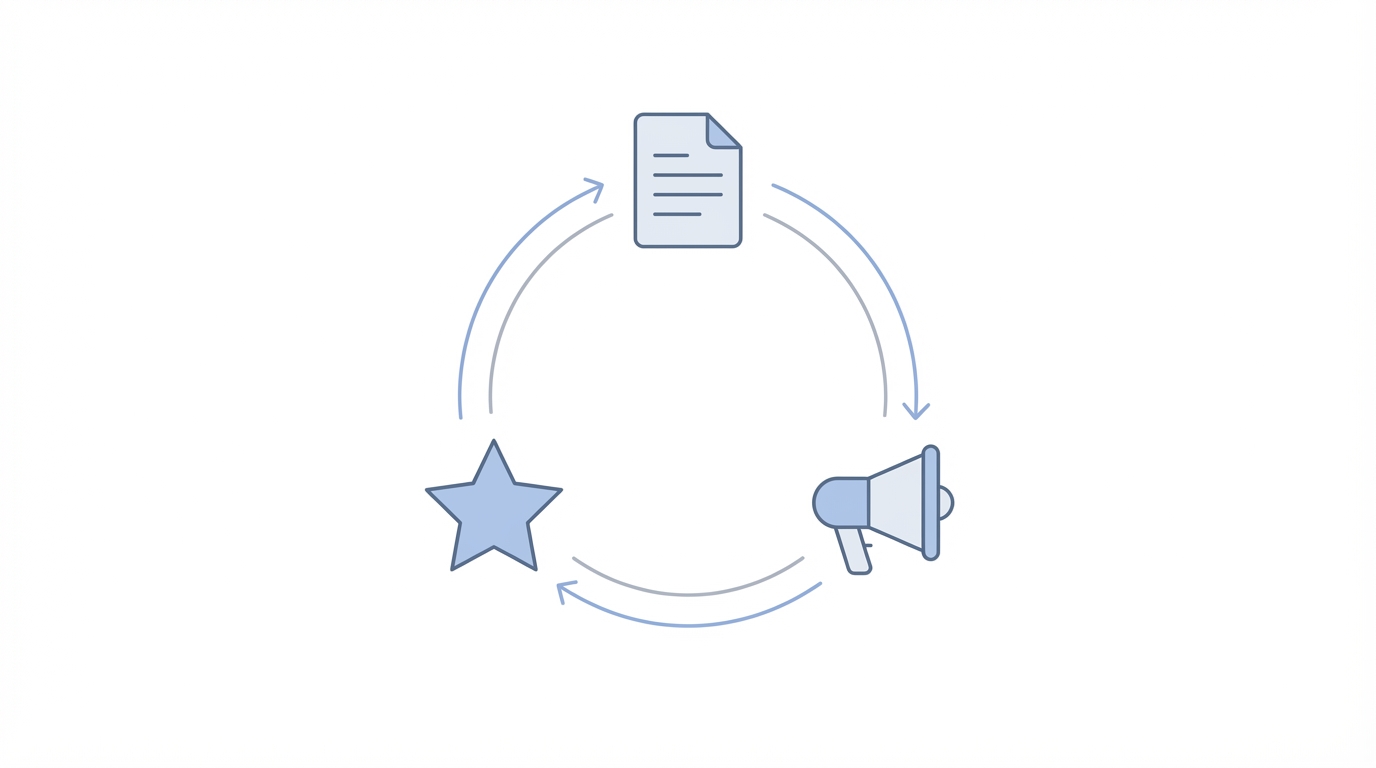
If you want to turn your next hiring round into a B2B influencer marketing event, follow this clear playbook:
Step 1: Define Your Narrative Persona
Don't just be a "SaaS company." Be the company that is "rebuilding social media for a wholesome generation" or the "AI network that finds users on Hinge." Lean into a specific, authentic persona. As the research suggests, take one small, true aspect of your personality and play it up to the max for the internet.
Step 2: Create a High-Volume Application Funnel
Post your job on LinkedIn and Google Ads to drive a high volume of initial applicants. Alternatively, you can use Stormy AI to set up an autonomous AI agent that discovers and outreaches to potential candidates via personalized emails. Your goal is not just quality at this stage, but volume. You need enough applicants to create the "race" atmosphere.
Step 3: Launch the 'Race'
Select a cohort (e.g., the top 150) and invite them into a private channel or a series of public challenges. One of these challenges must involve posting on LinkedIn. Frame it as a way for them to share their passion for the industry. Provide them with high-quality assets (banners, templates from Canva) to make it easy for them to look professional while tagging your brand.
Step 4: Leverage Cross-Platform Flywheels
Don't stay on one platform. If you’re going viral on LinkedIn, take the best posts and share them on Twitter. If a candidate does something outrageous, like inviting 120 people in a single day, highlight that on your Reels or TikTok. This creates a multi-channel presence that makes your startup seem ubiquitous.
Step 5: Transition from Recruitment to Product
Once the competition ends and the winners are announced, use that momentum to launch a product feature or a waitlist. The audience that followed the "race" is now primed to see what the winners will actually be building. This is where mobile app marketing meets brand building; you can convert that temporary attention into long-term app users.
Managing the 'Cracked' Content Creator

Finding a "cracked" 20-year-old creator to run this engine is the dream of every founder. However, managing them requires a different set of KPIs. Traditional quantitative metrics like "total likes" can be misleading because virality involves an element of luck. Instead, you can use Stormy AI to track individual videos and monitor views, likes, and engagement more accurately across your entire campaign. Focus on qualitative KPIs:
- Brand Identity: Does the content accurately reflect who we are?
- Information Retention: Do users walk away knowing what our product does?
- Engagement Quality: Are the people commenting potential users or investors?
The best founders know when to "let them cook." While legacy platforms like Tagger or impact.com were built for traditional corporate workflows, modern AI-native platforms like Stormy AI are built for the speed of the creator economy. Trust your creator's instinct on formats, whether it's the 'Calm Meta' (horizontal, long-form talking videos) or high-intensity viral hooks.
Conclusion: Building a Generational Brand
Turning recruitment into a marketing viral loop is about more than just a single campaign; it’s about building a brand that people want to follow for years. By leveraging LinkedIn marketing for startups, you can capture high-value attention that stays with you even if your product pivots.
As you scale these efforts, remember that tools like Stormy AI can help you discover the next generation of UGC creators and manage the entire lifecycle from outreach to payments. For founders and app developers, the message is clear: stop thinking of hiring as a cost center, and start treating it as your most powerful distribution channel. Use the social proof of the many to convince the few, and watch your startup's distribution problems disappear.