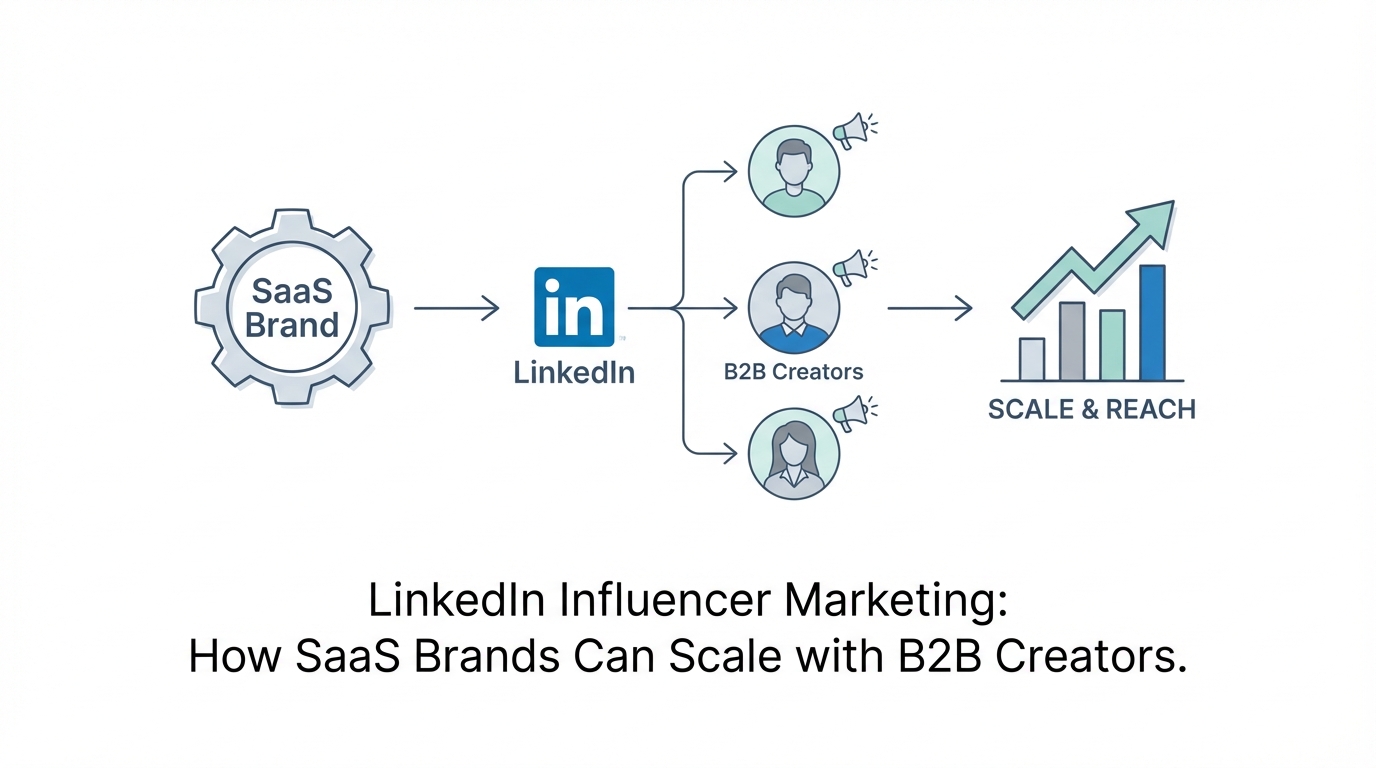
For years, the SaaS marketing playbook was predictable: heavy LinkedIn ad spend, gated whitepapers, and a relentless stream of automated cold emails. But as the digital landscape shifts, the effectiveness of these traditional channels is waning. Modern B2B buyers are no longer looking for polished corporate brochures; they are looking for trusted recommendations from peers and industry experts. This shift has transformed LinkedIn into the ultimate "home base" for SaaS influencers and B2B creators.
As we head into 2026, the influencer marketing platform market is projected to reach $34.1 billion, according to data from Charle Agency. For SaaS brands, this isn't just about consumer-style "unboxing" videos. It is about b2b social proof and technical authority. In fact, brands earn an average of $5.78 for every $1 spent on influencer marketing, with some B2B tech campaigns reporting even higher returns when using clear attribution models as noted by Britopian. If your SaaS brand isn't leveraging LinkedIn creators, you're leaving growth on the table.
Analyzing the Success of the 'Notion Faces' Campaign
When discussing linkedin influencer marketing for SaaS, the gold standard remains Notion. The company scaled to a $10B valuation by treating its community as its primary growth engine. One of their most successful viral trends, the "Notion Faces" campaign, demonstrated that B2B tools can achieve cultural relevance without losing professional credibility. By partnering with productivity YouTubers and LinkedIn thought leaders, Notion didn't just sell a workspace; they sold a lifestyle of organized efficiency.
The campaign worked because it empowered creators to communicate the product's value from their own unique perspectives. As Rachel Hepworth, CMO of Notion, explains in a First Round Review interview: "For an influencer strategy to really work, you've got to loosen your grip on the wheel." Instead of providing a rigid script, Notion focused on how creators actually used the tool, as detailed in their marketing strategy breakdown.
"The goal isn't a transaction; it's a relationship. You want creators to actually use your product, not just produce ad reads."The Employee Advocacy Playbook: Building Technical Trust
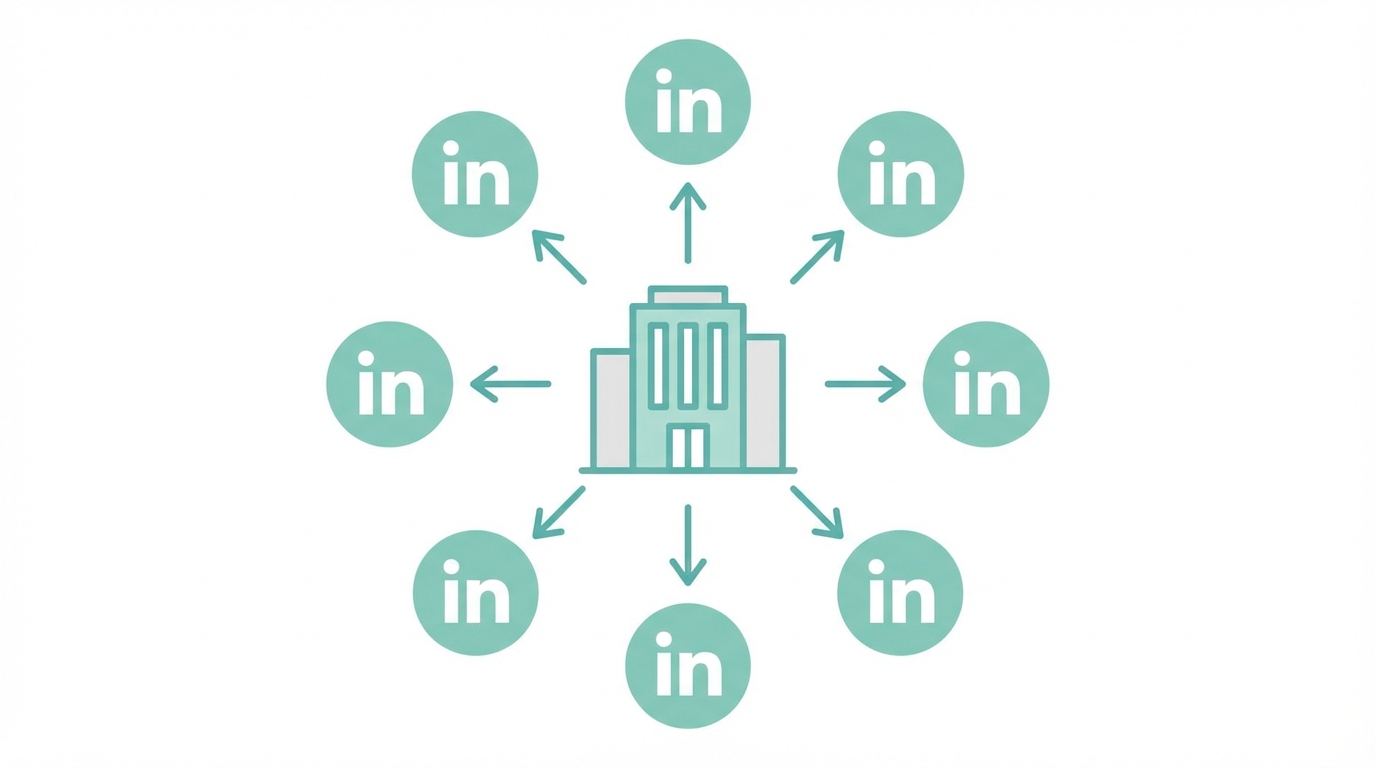
While external creators are vital, some of your most powerful influencers are already on your payroll. Employee advocacy for saas is the process of turning your developers, product managers, and executives into industry influencers. This is particularly effective for technical software where the buyer (often a CTO or Head of Engineering) requires deep expertise before trusting a vendor.
Research from The Insight Collective reveals that 75% of B2B buyers trust brands more when they are affiliated with industry experts. By encouraging your technical staff to share their challenges, screencasts, and insights on LinkedIn, you humanize the software. This "informal content revolution" is a major trend for 2025, moving away from high-gloss corporate tones toward conversational, lo-fi content like raw tutorials, as highlighted by Bay Leaf Digital.
Step 1: Identify Your Internal Experts
Look for team members who are already active on social media or have a natural talent for explaining complex topics. Focus on those in roles like DevRel, Product Management, or Customer Success who interact with the user base daily. Organizations often use specialized social media policies to empower these voices while maintaining brand safety.
Step 2: Provide Infrastructure, Not Scripts
Give your employees the tools they need—such as professional headshots, content prompts, and platform training—but do not ghostwrite their posts. Authenticity is the currency of LinkedIn; if a developer sounds like a PR manager, the technical audience will immediately tune out.
"Businesses don't need a large audience—they need the right audience. Measure engagement and lead generation over raw downloads."Identifying and Partnering with Niche B2B Creators
The biggest mistake SaaS brands make is chasing follower counts. In the B2B world, a creator with 5,000 followers who are all HR Managers is infinitely more valuable than a lifestyle influencer with 100,000 followers. You must focus on your Ideal Customer Profile (ICP). Are the people engaging with this creator the same people who hold the budget for your software?
Identifying these niche authorities—CTOs, VPs of Sales, or specialized consultants—requires a strategic approach. Platforms like Stormy AI streamline creator sourcing and outreach by using AI-powered search to find influencers based on specific industry expertise and audience demographics rather than just reach. This ensures you are partnering with individuals who command genuine authority in your sector.

How to Scale with Influencer Whitelisting
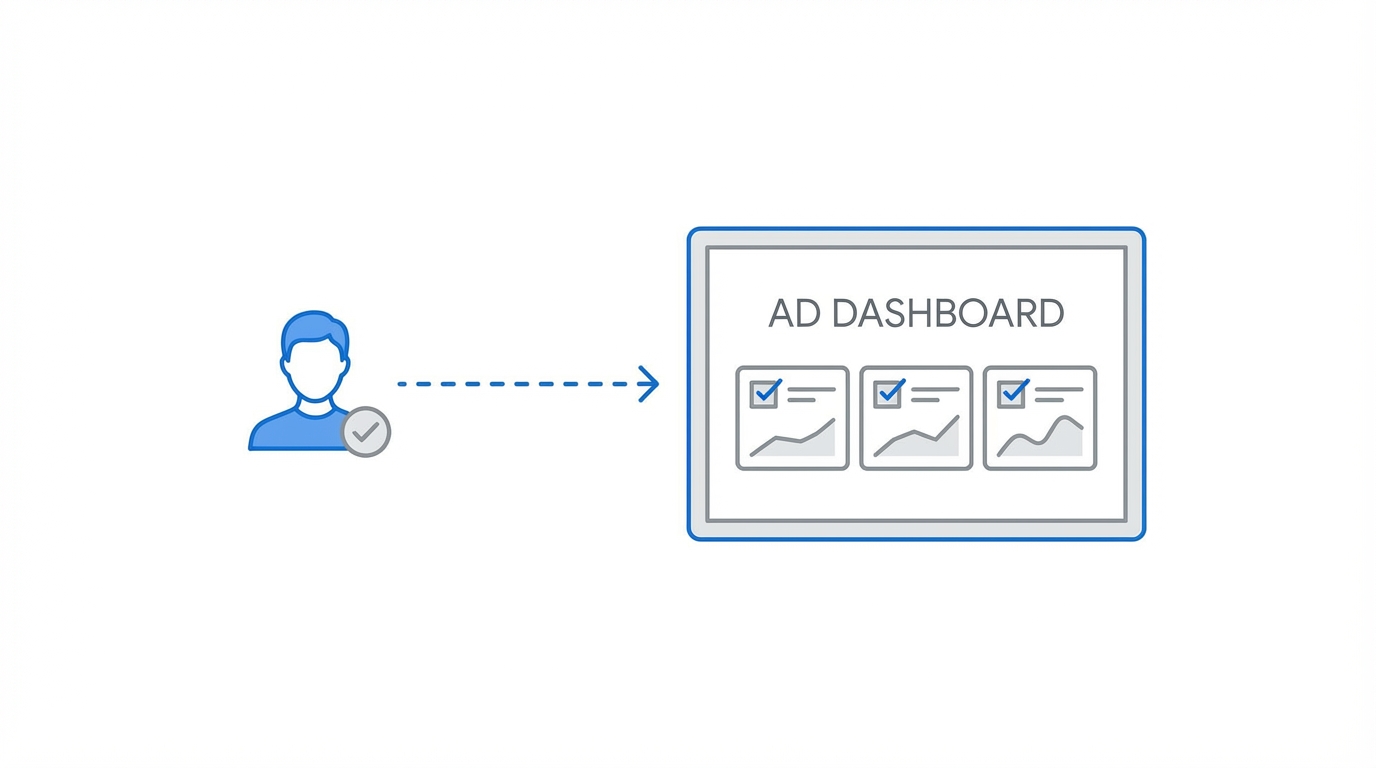
Once you find a creator whose content resonates, you can amplify that success through influencer whitelisting. This involves running paid ads through the creator’s own LinkedIn handle rather than your company page. This strategy combines the precision of LinkedIn’s ad targeting with the inherent trust of a peer recommendation.
Step-by-Step Whitelisting Guide:
- Secure Permissions: Ensure your contract specifically covers "Partnership Ads" or whitelisting rights.
- Set Up Access: The creator grants your Meta Ads Manager or LinkedIn Campaign Manager access to their profile for advertising purposes.
- Select Top-Performing Organic Content: Don't guess which ad will work. Look at the creator's organic posts and put spend behind the one that already has the highest engagement.
- Target Your ICP: Use LinkedIn’s robust targeting to show that creator’s post only to specific job titles, company sizes, or industries.
This method, often referred to as a hybrid model, allows for performance-based compensation. While older, non-AI platforms like impact.com have historically focused on basic affiliate tracking, modern SaaS brands are moving toward paying a flat fee plus a commission per signup or MQL, aligning creator incentives with actual business growth.
"Whitelisting combines the trust of a creator with the surgical precision of targeted ad spend."Best Practices for Maintaining an Authentic Voice
The fastest way to kill a linkedin marketing for business campaign is to over-script the content. If a post feels like a corporate press release, it will be scrolled past. For SaaS brands, the goal is to make the software feel like a natural part of the creator's workflow.
- Focus on Problem-Solving: Ask the creator to show how they solved a specific professional pain point using your tool.
- Embrace Lo-Fi: High-production value can sometimes feel like an ad. Simple screen recordings or "day in the life" clips often feel more honest.
- Long-Term Partnerships: Instead of one-off posts, sign influencers for 6–12 month "Ambassador" roles. As noted by KPI Media, this builds the brand into the influencer's daily routine, making the endorsement feel genuine over time.
- Avoid Scripting: Provide talking points and key features, but let the creator write the caption.
Brands like Monday.com have successfully used this approach. By partnering with industry experts to produce value-based content, they generated 17.9M in potential reach, far exceeding their initial goals, according to a case study by TopRank Marketing.
Conclusion: Scaling SaaS Growth via LinkedIn
LinkedIn influencer marketing is no longer an optional experiment for SaaS brands—it is a competitive necessity. By moving away from over-scripted corporate messaging and embracing the authority of B2B creators and internal experts, companies can bridge the trust gap and drive measurable ROI. Whether it is through viral trends like Notion or technical employee advocacy for saas, the key is to prioritize relevance over reach.
Ready to start sourcing your next B2B partners? Using an AI-powered platform to discover creators on Stormy AI allows you to skip the manual search and find the exact industry experts who can move the needle for your business. Start building those relationships today to ensure your SaaS brand remains a trusted authority in 2026 and beyond.