In 2026, the landscape of B2B prospecting has shifted from a volume-based arms race to a high-stakes game of digital hide-and-seek. For marketers using LinkedIn automation safety 2026 strategies, the stakes have never been higher. With LinkedIn continuing to drive 80% of all B2B social leads, the platform has deployed its most aggressive defensive measures to date: Human-Only Detection algorithms. For power users of PhantomBuster and BeReach, navigating these filters requires more than just proxy settings; it requires a complete reimagining of how automated agents interact with the social graph.
The 2026 LinkedIn Algorithm Shift: Typing Cadence and Scroll Patterns
The early 2026 algorithm update fundamentally changed how LinkedIn identifies automation. It is no longer enough to vary your login times. LinkedIn’s backend now analyzes typing cadence and scroll patterns in real-time. According to research on adversarial learning models used by LinkedIn, there has been a 340% increase in account restrictions for accounts using robotic, fixed-interval cloud tools that fail to mimic the erratic nature of human browsing.
"LinkedIn's algorithms are no longer just looking at what you do, but how you do it—analyzing the millisecond delays between keystrokes to spot non-human actors."
This biometric-style detection means that legacy PhantomBuster account risk is higher than ever if your "Phantoms" are not properly configured with advanced behavioral logic. The platform doesn't just see a message being sent; it sees a message that was "pasted" in 0.01 seconds without the preceding mouse movements and scrolls typical of a human prospector. To survive, your automation stack must incorporate 'Jitter' logic—randomized delays and micro-movements that break the predictability of the script.
Safe Daily Limits: Navigating the 100-Weekly Cap
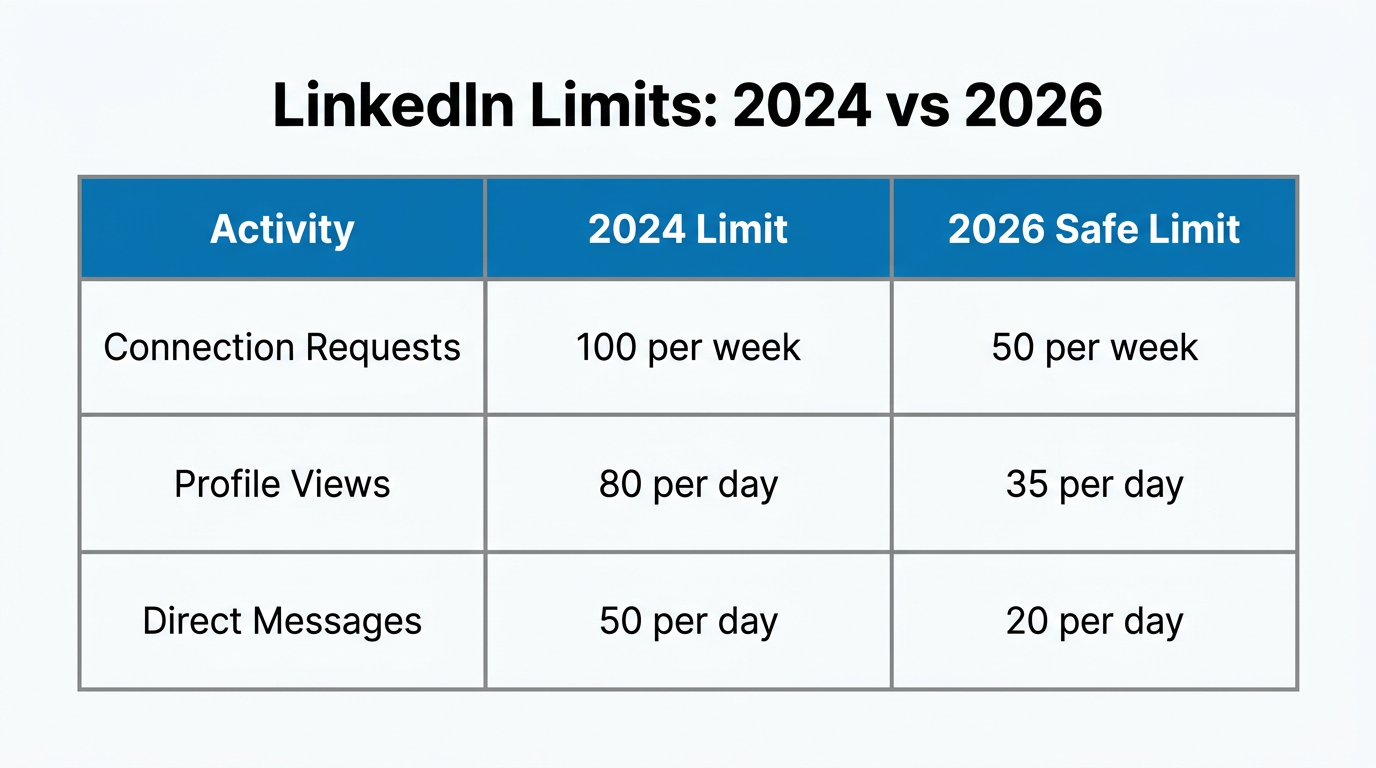
While the official documentation is vague, the 2026 consensus among growth hackers is that LinkedIn enforces a flexible but firm weekly connection request cap. For newer accounts, this is roughly 100 requests per week. However, veteran accounts with high Social Selling Index (SSI) scores can scale higher if they follow strict LinkedIn scraping best practices. The goal is to maximize outreach without triggering the "out of character" flag.
| Action Type | Safe Daily Limit (2026) | Warning Threshold |
|---|---|---|
| Connection Requests | 30–80 | 100+ |
| Profile Views | 80–100 | 150+ |
| Direct Messages | 15–25 | 40+ |
| Post Scraping | Unlimited (via API) | N/A |
The 2026 Risk Matrix: Browser Extensions vs. Cloud-Based SaaS
Choosing the right architecture is the difference between a successful campaign and a permanent ban. In 2026, the risk profiles of different automation methods have diverged significantly. Browser extensions generally offer a safer profile because they utilize your local cookies and IP address, effectively "masking" the automation as standard user behavior. Conversely, cloud-based tools often suffer from PhantomBuster account risk if they utilize shared data center IPs that LinkedIn has already blacklisted.
"Dedicated residential IPs are no longer optional in 2026; they are the baseline requirement for any cloud-based automation strategy."
If you prefer cloud-based tools like PhantomBuster, you must use a dedicated residential IP located in your home city. Providers like Bright Data offer proxies that prevent the "impossible travel" flag where you appear to log in from London and San Francisco within the same hour. Recent studies show that cloud tools without residential proxies have a 31% restriction risk, compared to just 8% for browser-native setups.
Implementing 'Jitter' Logic and Randomized Delays
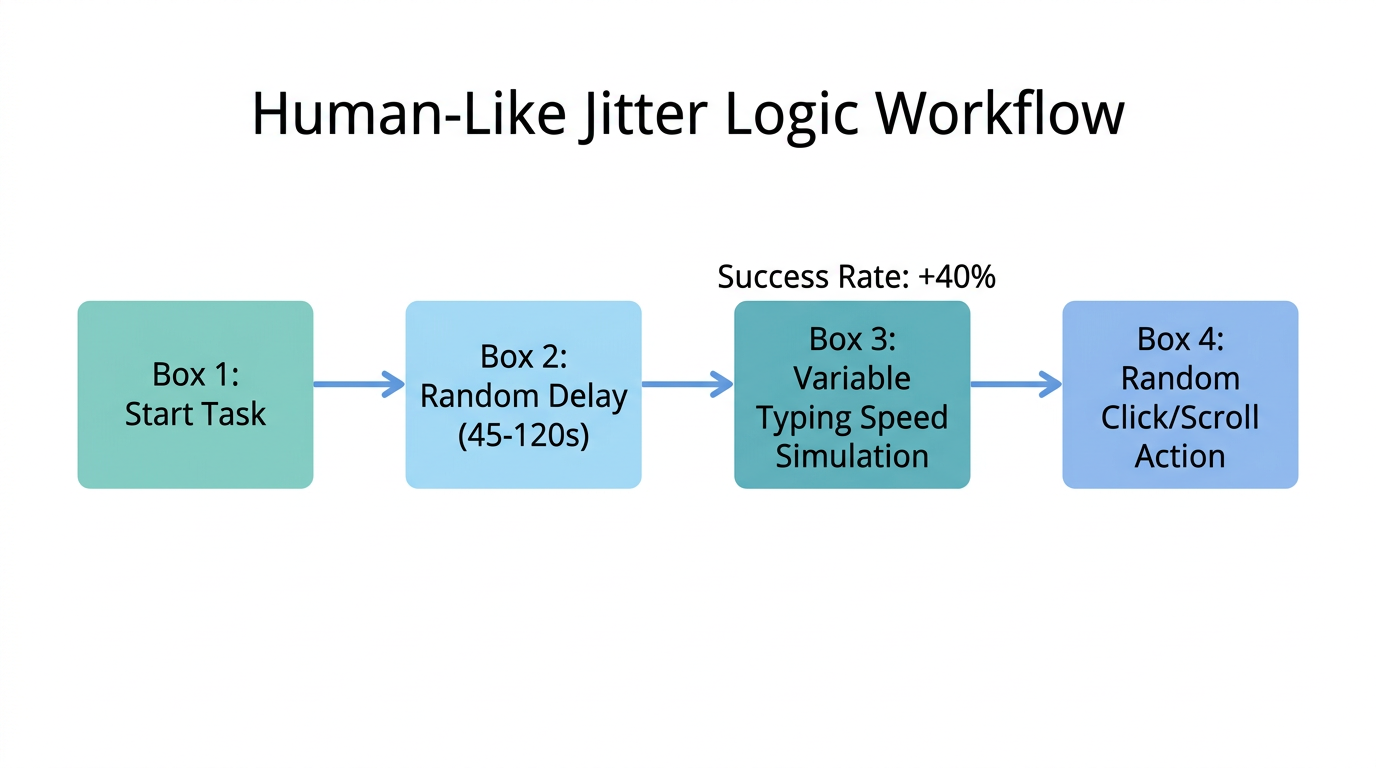
To combat the typing cadence detection, advanced users are now implementing 'Jitter' logic. This involves adding a randomized variance (typically 20-30%) to every delay in your workflow. Instead of waiting exactly 60 seconds between profile views, your tool should wait anywhere between 42 and 78 seconds, chosen at random for every single action. This mimics the natural distractions and varying reading speeds of a human user.
When using BeReach API limits effectively, practitioners ensure their agents perform "warm-up" actions. This includes scrolling through the feed for 2 minutes and liking 3 random posts before initiating any scraping or outreach. Tools like Inrō have pioneered this "intent-based" engagement, ensuring that every automated touchpoint is preceded by a human-like signal. This significantly reduces the chance of avoiding LinkedIn account restriction becoming a daily struggle.
The Hybrid Outreach Model: Human-in-the-Loop
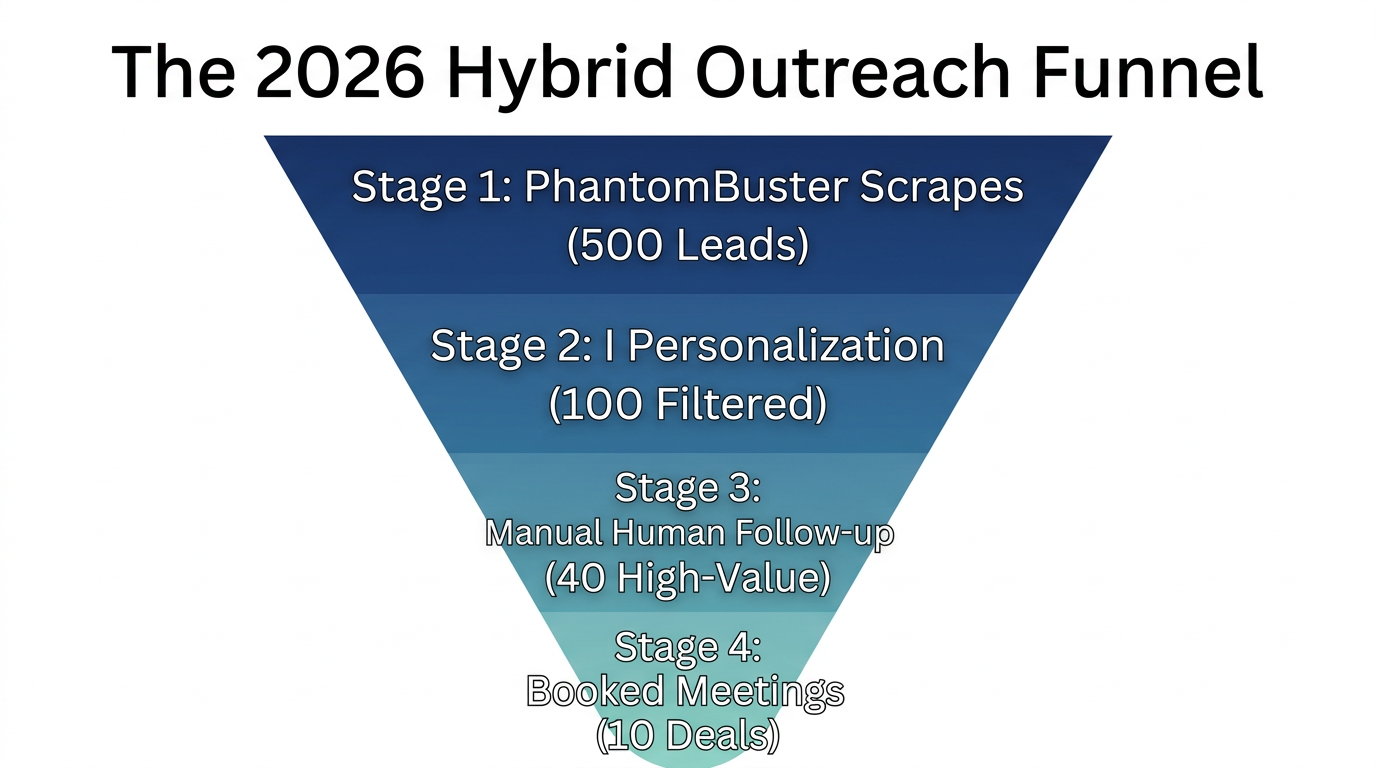
The most successful marketers in 2026 have abandoned 100% automation. Instead, they use a Hybrid Outreach Model. They utilize the power of BeReach or PhantomBuster to handle the heavy lifting of discovery and data enrichment, but they reserve the final 20% of the process for human oversight. This "Agentic Social Selling" approach uses AI agents from providers like Anthropic to draft the message based on the lead's recent comments, but a human hits the "send" button for high-value prospects.
For brands looking to scale beyond just cold LinkedIn outreach, integrating influencer strategies can provide a safer, high-intent lead flow. Using platforms like Stormy AI allows brands to find creators who already have the trust of your target audience. Instead of scraping 10,000 cold leads, you can partner with a creator to generate 1,000 warm ones, which can then be managed and tracked within Stormy AI's creator CRM, keeping your LinkedIn account safely within its engagement limits.
"The future of prospecting isn't about sending more messages; it's about making every message impossible to ignore by using real-time signals."
Conclusion: Your 2026 Safety Playbook
Avoiding LinkedIn account restriction in 2026 requires a disciplined, technical approach. If you are using PhantomBuster or BeReach, ensure your setup includes residential proxies, jitter logic of at least 20%, and a strict adherence to the 100-connection-per-week baseline. By shifting toward signal-based prospecting—targeting people who are actively commenting and engaging with your industry—you can achieve higher ROI with significantly lower volume, protecting your most valuable professional asset: your LinkedIn account. Pair these outbound efforts with a robust creator discovery strategy on Stormy AI to diversify your growth and build long-term authority in your niche.