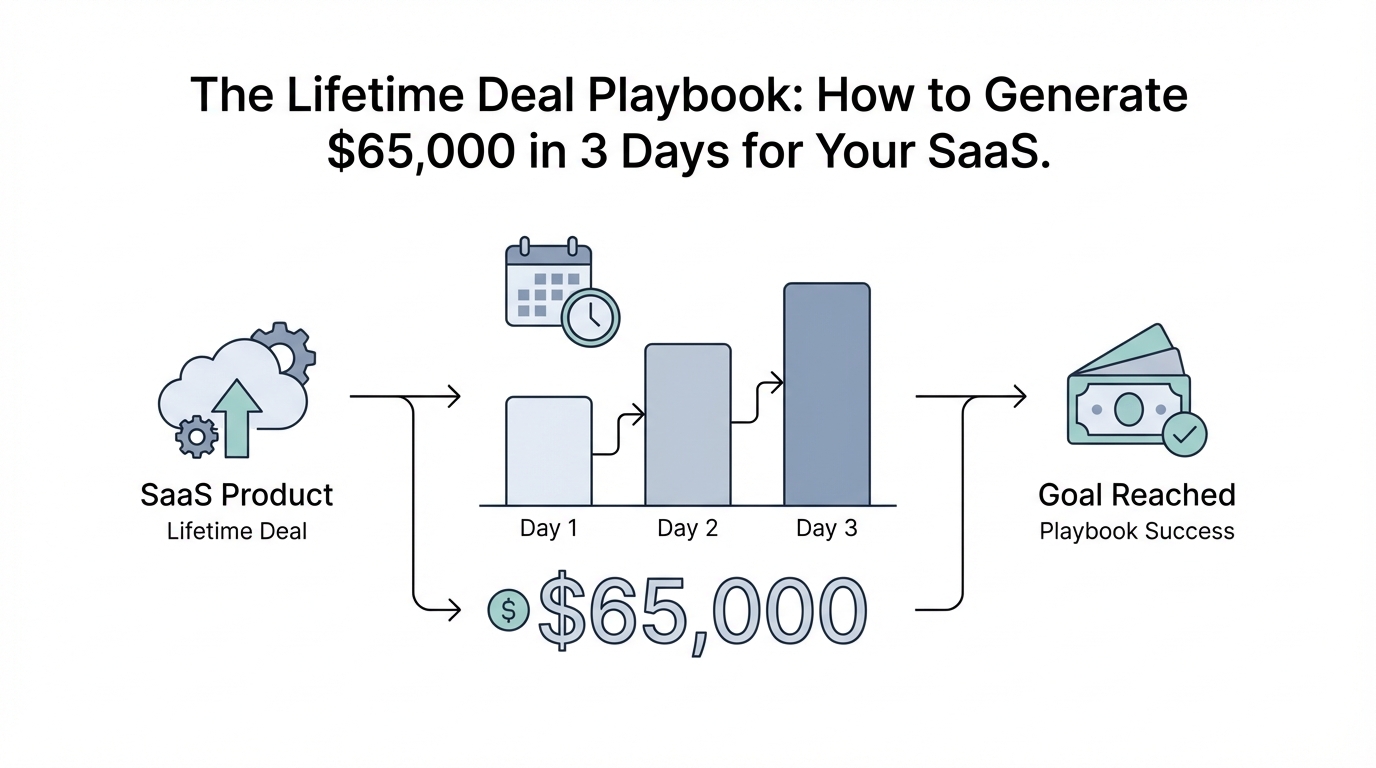
For many SaaS founders, the "chicken and egg" problem is the ultimate growth killer: you need customers to validate the product, but you need a validated product to attract customers. For Deven, an indie hacker from India and co-founder of Supergrow, this cycle of failure was all too familiar until he discovered a lifetime deal strategy that shattered his growth ceiling. By leveraging an existing distribution platform, Deven managed to generate $65,000 in just three days with zero existing audience. Today, Supergrow is a thriving business making over $19,000 in monthly recurring revenue (MRR) with more than 800 active customers. This guide breaks down his exact SaaS launch plan and explains how you can use lifetime deals (LTDs) as a bootstrap cheat code for your own startup.
The Product Validation Framework: Finding Gold in Proven Markets

One of the most common mistakes indie hackers make is trying to invent a completely new category. Deven’s first major insight was to stop looking for unique ideas and start looking for validated markets. Before Supergrow, he analyzed the LinkedIn marketing space and found established players like Taplio, ContentIn, and AuthorUp. Even though these tools had thousands of users, Deven noticed the core content creation features were lacking—they didn't effectively mimic the user's voice.
His product validation framework involved a simple 1% rule: find a market that is already generating significant revenue, study the competitors' core flows, and build a version that is slightly better or solves a specific pain point more elegantly. When GPT-3 launched, he saw his opening. He built an MVP over a single weekend that focused entirely on converting raw thoughts into high-quality LinkedIn posts. This focus on validated demand ensured that when he finally launched, he wasn't shouting into a void; he was offering a better solution to people who were already spending money on the problem.
The RocketHub Launch: Why a 40% Cut is a Bargain

When you have 600 followers on X (formerly Twitter) and no marketing budget, distribution is your biggest hurdle. This is where RocketHub came into play for Supergrow. Launching a lifetime deal on a platform like RocketHub allows you to tap into an existing database of hundreds of thousands of buyers who are specifically looking for early-stage software. While many founders balk at the 40% platform cut, the math often favors the founder who is bootstrapping SaaS revenue from zero.
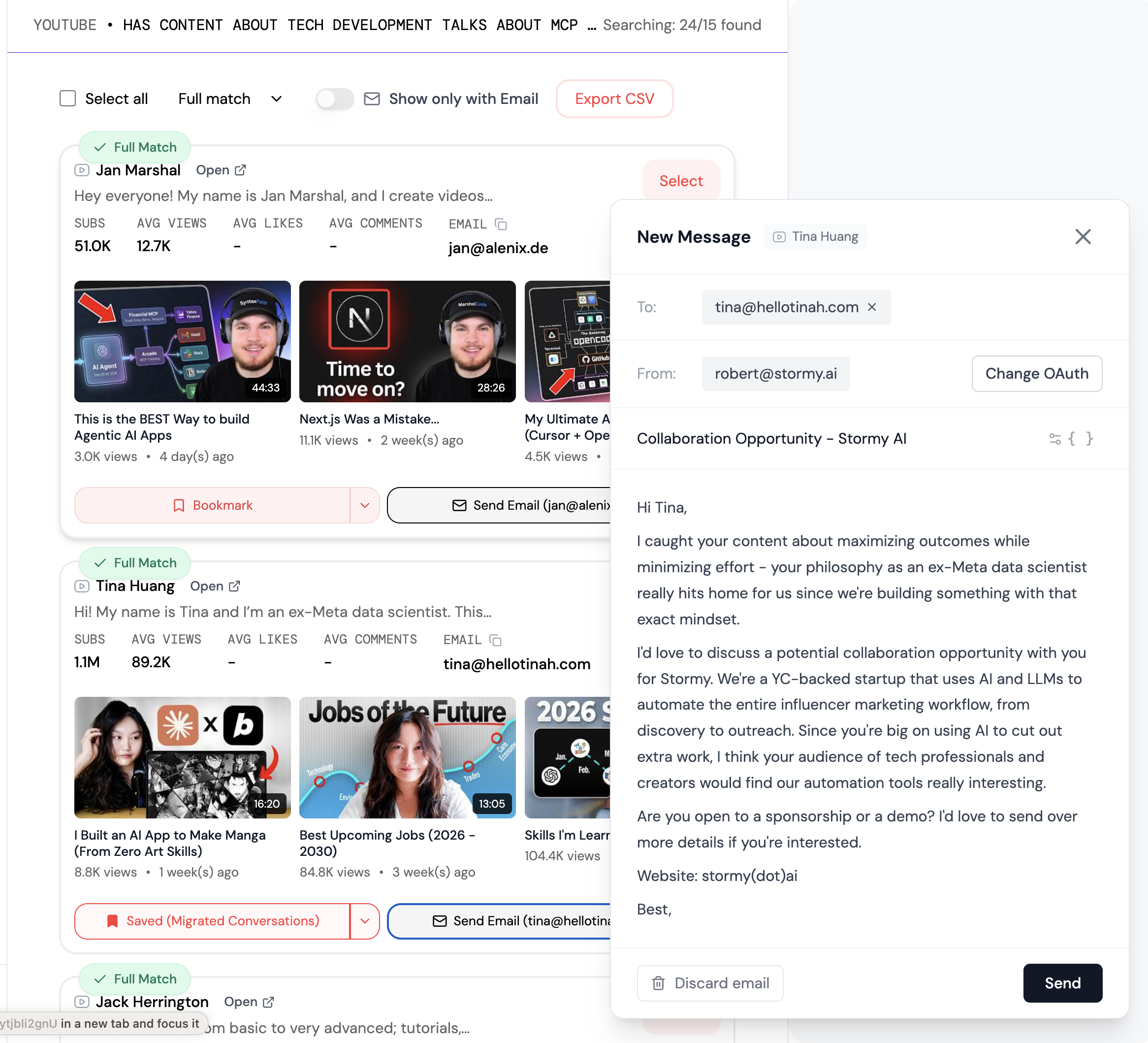
RocketHub didn't just list the product; they handled the entire marketing funnel. They sent emails to their massive list, ran targeted ads on Meta Ads Manager, and created professional marketing assets like screenshots and videos. For a founder with zero customers, giving up 40% of a $65,000 windfall is a strategic move to secure $40,000 in immediate liquidity while acquiring 250+ highly engaged users. To further scale these efforts, modern founders often use Stormy's AI search for discovery across TikTok, YouTube, Instagram, LinkedIn, TikTok Shop, and newsletters to find additional niche influencers who can amplify the LTD launch to specific audiences.
Tiered Pricing Strategy: Building Your LTD Offer
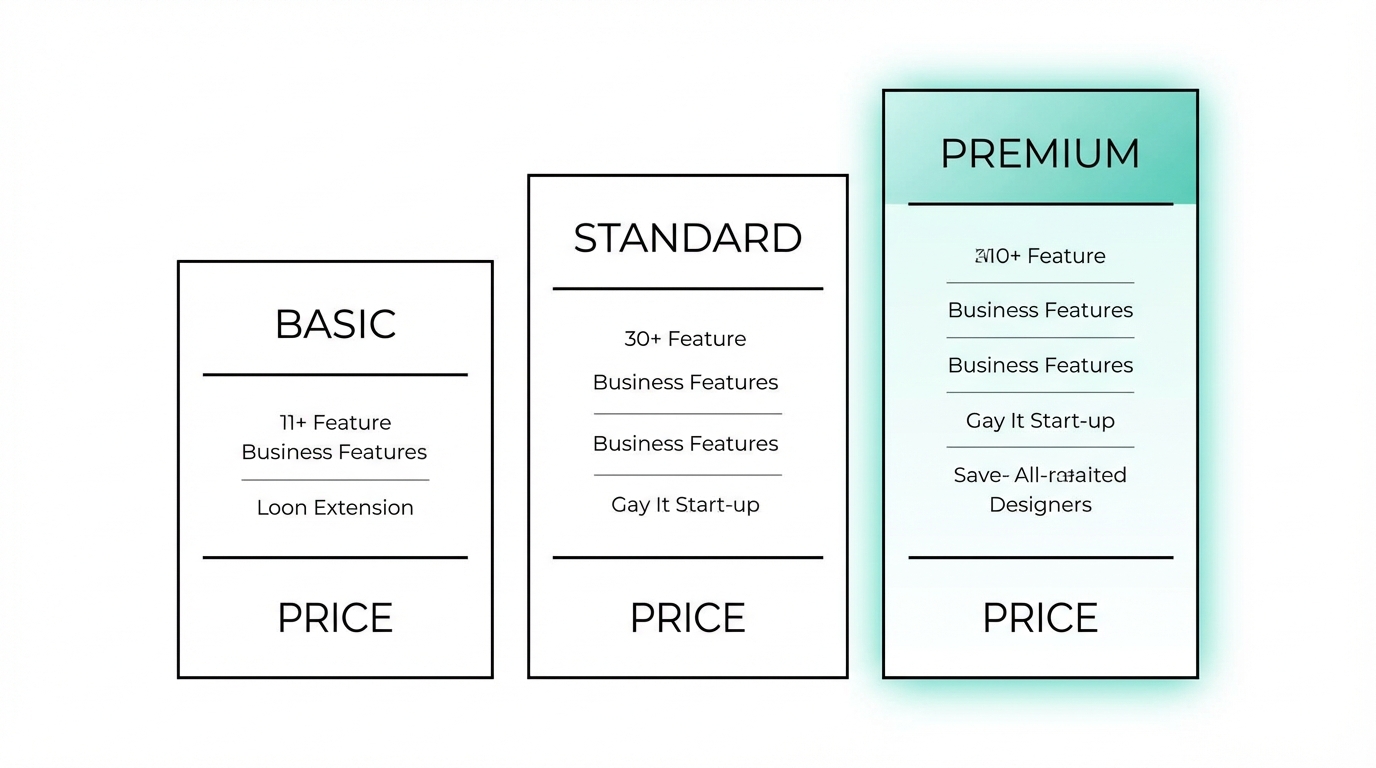
Success in the LTD world requires more than just a low price; it requires a psychological pricing structure that encourages upgrades. Deven and the RocketHub team implemented a three-tier strategy that is now considered the gold standard for a SaaS launch plan:
- Tier 1 ($79): The Basic Plan. This gets users in the door and provides immediate value for casual creators.
- Tier 2 ($199): The Pro Plan. This is where the majority of value-driven users land, offering higher limits and more features.
- Tier 3 ($299): The Agency/Power User Plan. This maximizes the average order value (AOV) by catering to those who will use the tool professionally. "Setting limits on these tiers is essential," Deven explains. "Whoever bought the product back then was getting four to five years of value for a one-time payment." This creates a sense of urgency and FOMO (fear of missing out) that annual plans simply cannot replicate. To manage these different user segments effectively after the sale, founders can utilize Stormy AI's built-in creator CRM to track which power users are also influencers who might be open to a long-term partnership.
Surviving the Feedback Loop: Managing Support and Expectations
The influx of 250+ paid users in 72 hours is a blessing, but it can quickly become a curse if you aren't prepared for the support load. LTD buyers are notoriously vocal. Because they have invested real money—unlike free trial users—they feel a sense of ownership over the product's roadmap. During the Supergrow launch, Deven spent one to two hours every day on Intercom answering queries and helping users manually.
This brutal feedback loop is actually the most valuable part of the lifetime deal strategy. While some customers can be demanding, the top 10% will become your most important product advisors. By using tools like Supabase for backend management and Mixpanel for product analytics, the Supergrow team was able to see exactly which features were being used and which were being ignored. They turned manual support workflows into automated features, essentially letting their LTD customers build the product for them. For founders who need to vet the quality of the creators giving them feedback or promoting their tools, Stormy AI provides influencer vetting, fake follower detection, and deep audience demographics to ensure feedback comes from high-quality creators.
The Great Transition: Turning LTD Buyers into MRR

A common fear is that a lifetime deal will "kill" future growth by cannibalizing your potential subscription base. Supergrow proved the opposite. The key is to view LTD buyers not just as customers, but as brand ambassadors. When Deven transitioned to a subscription model and launched on Product Hunt, he didn't launch alone. He had 15-20 die-hard LTD users who evangelized the product across LinkedIn and WhatsApp groups.
This community support helped Supergrow earn Product of the Week, which brought in another 50 recurring customers. The transition from a one-time payment to a recurring model requires a relentless focus on customer success. Deven’s team used Framer to optimize their landing page for 15,000 monthly visits and integrated Stripe to handle the complex recurring billing. By the time they stopped focusing on LTDs, they had a 60-70% profit margin and a stable foundation of 800+ recurring users. To keep this momentum going, many SaaS companies now use Stormy's AI email outreach with auto follow-ups to maintain a constant stream of new leads and creator partnerships through automated, personalized sequences.
Ethics and Sustainability: Protecting Long-Term Growth
To make a lifetime deal strategy sustainable, you must set strict boundaries. Selling an unlimited number of lifetime seats for an indefinite amount of time is a recipe for bankruptcy, especially with high API costs in the AI era. Supergrow’s strategy involved two critical limits:
- Time Limits: The deal was only available for three days. This creates the necessary FOMO to drive $65,000 in sales quickly without leaving the "discount window" open too long.
- User Limits: They capped the total number of LTD users to around 300. This ensured that the cost of supporting these users would never outweigh the initial cash infusion.
By treating the LTD as a finite capital raise rather than a permanent business model, Deven was able to bootstrap the development of Supergrow without giving up equity to VCs. Today, he uses his $230,000 per year revenue to further refine his AI models and expand his reach. Founders looking to monitor the long-term impact of their social mentions and campaign performance can use Stormy's post tracking and analytics dashboard to stay ahead of the curve and adjust their strategy in real-time.
Conclusion: Your SaaS Launch Playbook

Generating $65,000 in three days isn't about luck; it's about matching a validated product with a high-intent audience. As Deven’s story on Starter Story illustrates, the lifetime deal strategy is a powerful lever for indie hackers who lack an existing distribution network. By focusing on a proven market, utilizing platforms like RocketHub, structuring tiered pricing, and obsessing over early feedback, you can bypass the slow grind of early-stage growth.
The path from a $79 LTD to a $20,000/month subscription business is paved with data, community building, and strategic automation. Whether you are building with a traditional tech stack or using AI to ship faster, the principles remain the same: solve a real problem, go where the buyers are, and use your early adopters to build the future of your company. For those ready to scale their creator partnerships and marketing reach to the next level, Stormy AI offers the modern toolset needed to discover, vet, and outreach to the influencers who will drive your next $65,000 launch.