In the creator economy scaling 2026 landscape, the distance between a viral 15-second clip and a seven-figure empire has never been shorter. While many influencers are content with fleeting ad-revenue checks, a new class of strategic operators is following the LexTwerkOut method: institutionalizing viral moments into sustainable, high-margin touring and subscription businesses. This isn't just about a single dance move; it's about the mechanics of brand building around niche trends that capture the public's imagination and their wallets.
The LexTwerkOut Business Model: From Viral Hit to Global Tour
 3:03
3:03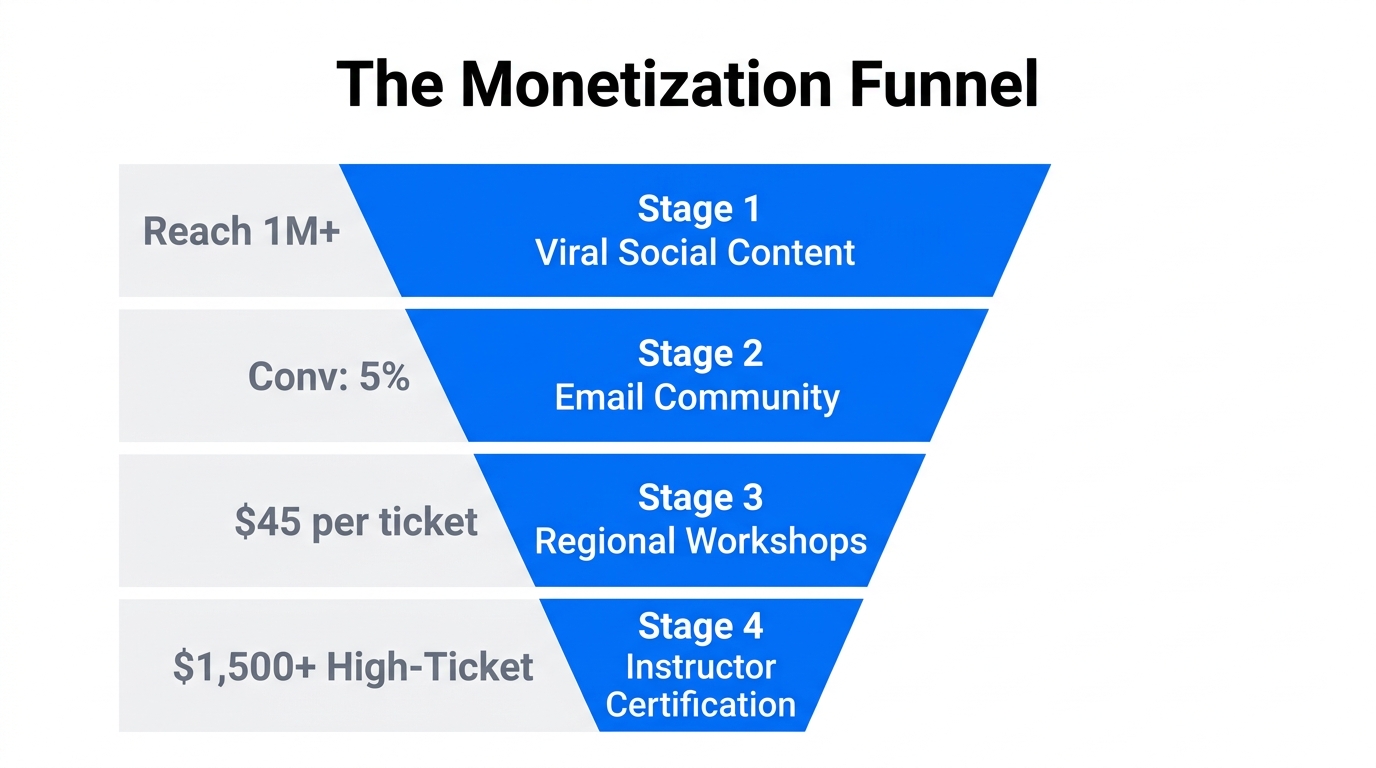
Ten years ago, a woman named Lexi (known as Lexy Panterra) caught lightning in a bottle. As twerking exploded into the cultural mainstream, she didn't just post a video—she built an infrastructure. The LexTwerkOut business model was built on the premise of accessibility and scarcity. She began touring the country, selling out classes months in advance in major cities. Women were paying premium prices to learn a specific movement style in a high-energy, community-driven environment.
Lexi wasn't just a dancer; she was a business operator who understood that physical presence builds a level of brand loyalty that digital views cannot match. Her classes featured high-profile celebrity fans like Christina Milian, which served as social proof and accelerated her growth. By the peak of the trend, investors were approaching her to take the concept international, attempting to transform a micro-trend into a global franchise.
"Lexi didn't just ride the twerk trend; she attempted to become the next Zumba by licensing a specific movement style to the masses."
Institutionalizing a Trend: The 'Next Zumba' Framework
The transition from a viral star to a structured business operator requires a fundamental shift in strategy. Lexi’s goal was to follow the Zumba framework—a Latin dance-based fitness program that became a global licensing powerhouse. In this model, the creator is no longer the only product; the methodology becomes the product. By institutionalizing a trend, you move from doing the work yourself to licensing your brand to thousands of certified instructors worldwide.
In 2026, this licensing model remains the holy grail of fitness brand marketing. When you own the 'method,' you own the category. This requires clear intellectual property, a structured curriculum, and a marketing engine that maintains the 'cool factor' of the trend. Lexi's success during the peak interest phase showed that even something as niche as a dance style could be packaged into a professional education business.
Mechanics of Nationwide Touring: Logistics and Scarcity
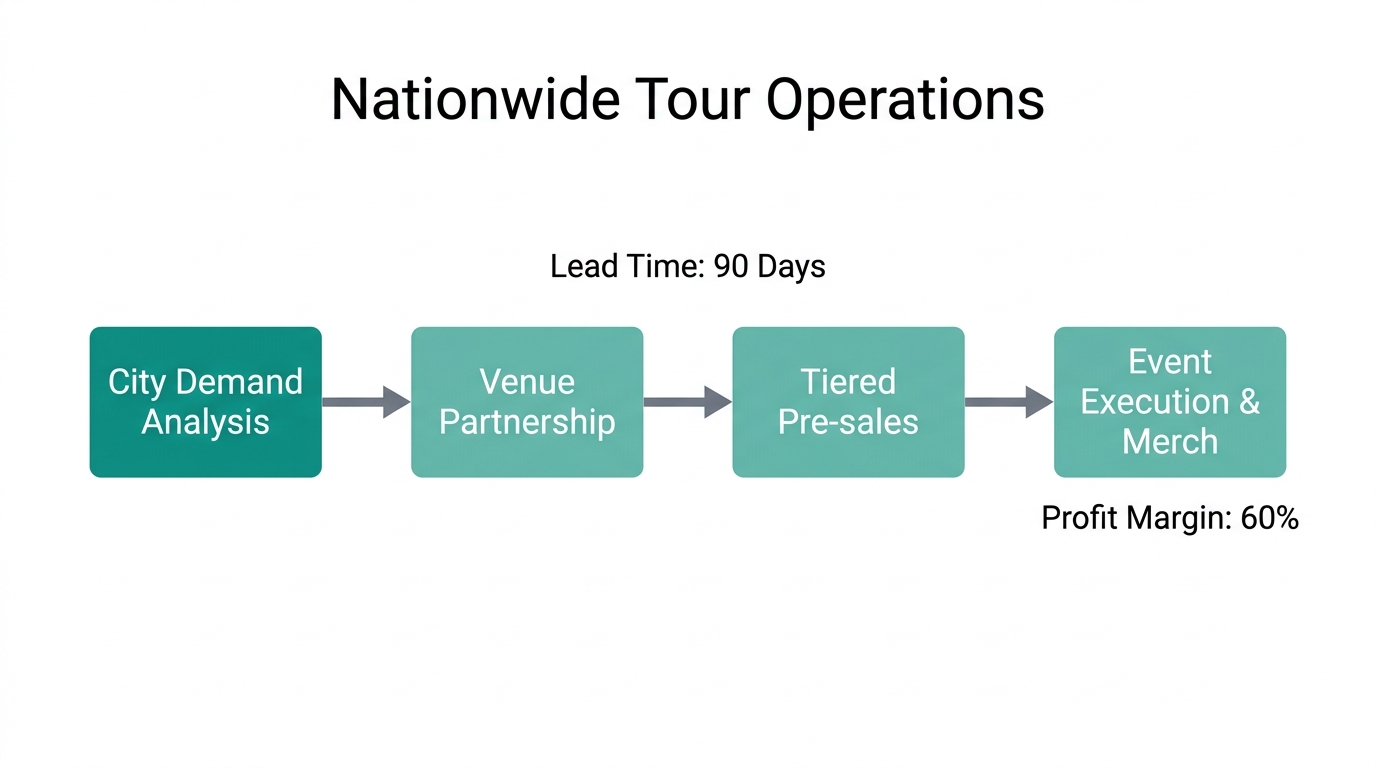
Managing the logistics of sold-out city pop-ups is the biggest hurdle for creator-led brands. For Lexi, this meant managing hundreds of participants in different time zones, securing venues, and ensuring the brand experience remained consistent. To scale in 2026, successful creators utilize tools like TikTok Ads Manager to target specific zip codes where their engagement is highest, ensuring a 100% sell-out rate before they even book a flight.
Sourcing the right local partners is equally critical. Modern creators use platforms like Stormy AI to discover local micro-influencers in their tour cities. By partnering with 10-20 local fitness creators who already have a loyal following, a touring brand can instantly tap into a pre-vetted audience. This micro-influence network serves as the boots-on-the-ground marketing team, driving ticket sales through authentic, localized content.
| Strategy Phase | Action Item | 2026 Tool Stack |
|---|---|---|
| Discovery | Find high-engagement micro-influencers in tour cities | Stormy AI Search |
| Validation | Run geo-fenced interest ads | Meta Ads Manager |
| Operations | Automated email follow-ups for tickets | Klaviyo |
The 'Butts and Guts' Economy: Surfing the Macro-Trend
2:02The business of 'butts and guts' has historically been one of the most recession-proof sectors of the economy. From the Victorian era's 'bustle' to the modern growth in Brazilian Butt Lifts (BBL), the desire for physical enhancement drives billions in revenue. In 2026, the BBL industry alone accounts for nearly a billion dollars in annual spending in the U.S., with procedures ranging from $12,000 to $40,000.
However, the real money is often in the auxiliary products. When a trend like BBLs or Ozempic explodes, it creates a vacuum for secondary services. We see this with 'BBL recovery pillows' and specialized med-spas. Similarly, the 'gut health' trend has given rise to multi-billion dollar companies like Exact Sciences, which generated over $2.7 billion in revenue from non-invasive screening. The lesson for creators? Follow the procedure to find the product. If everyone is getting a specific surgery or following a specific diet, what is the 'recovery' or 'maintenance' product they desperately need?
"If there is a billion-dollar procedure happening, there is a hundred-million-dollar recovery product waiting to be built."
Risk Management: When the Fad Fizzles
4:38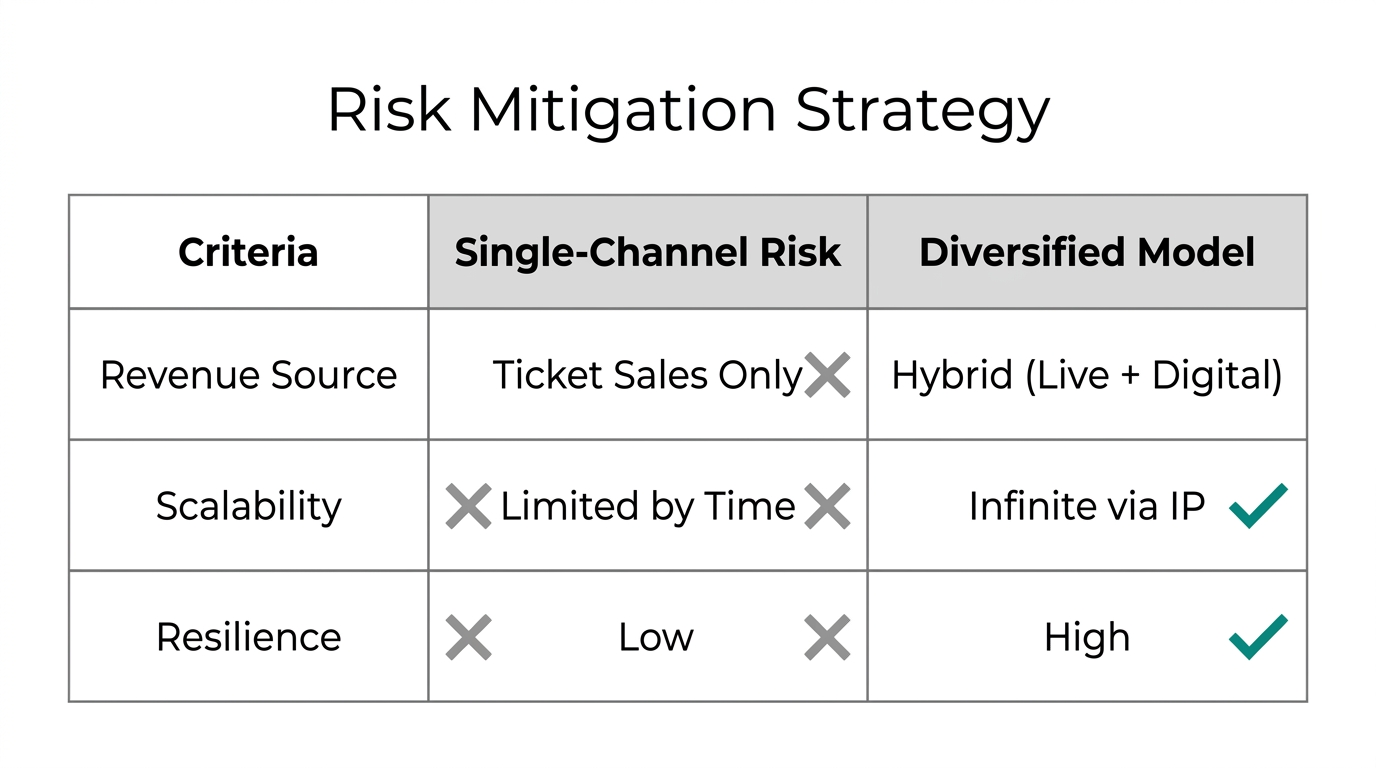
The greatest risk for any fad-based business is the expiration date of cultural interest. Lexi eventually transitioned from fitness into music, becoming a rapper as the twerking trend settled into the background. For a creator, the goal is to capture maximum value during the peak interest phase and either pivot into a broader lifestyle brand or exit entirely.
Consider the turnaround of Grinder. When a group of investors including Rick Marini and James Lou bought the app for $600 million, they didn't just keep the status quo. They replaced 90% of the staff, rebuilt the entire system architecture, and improved the app rating from 2.5 to 4.6 stars. In two and a half years, they turned that $600 million investment into a $2.5 billion public company. They took a niche, somewhat messy viral success and institutionalized it through professional operations. This is the ultimate example of taking a 'taboo' or niche trend and applying a world-class business blueprint to it.
The 2026 Playbook: Launching a High-Margin Workshop
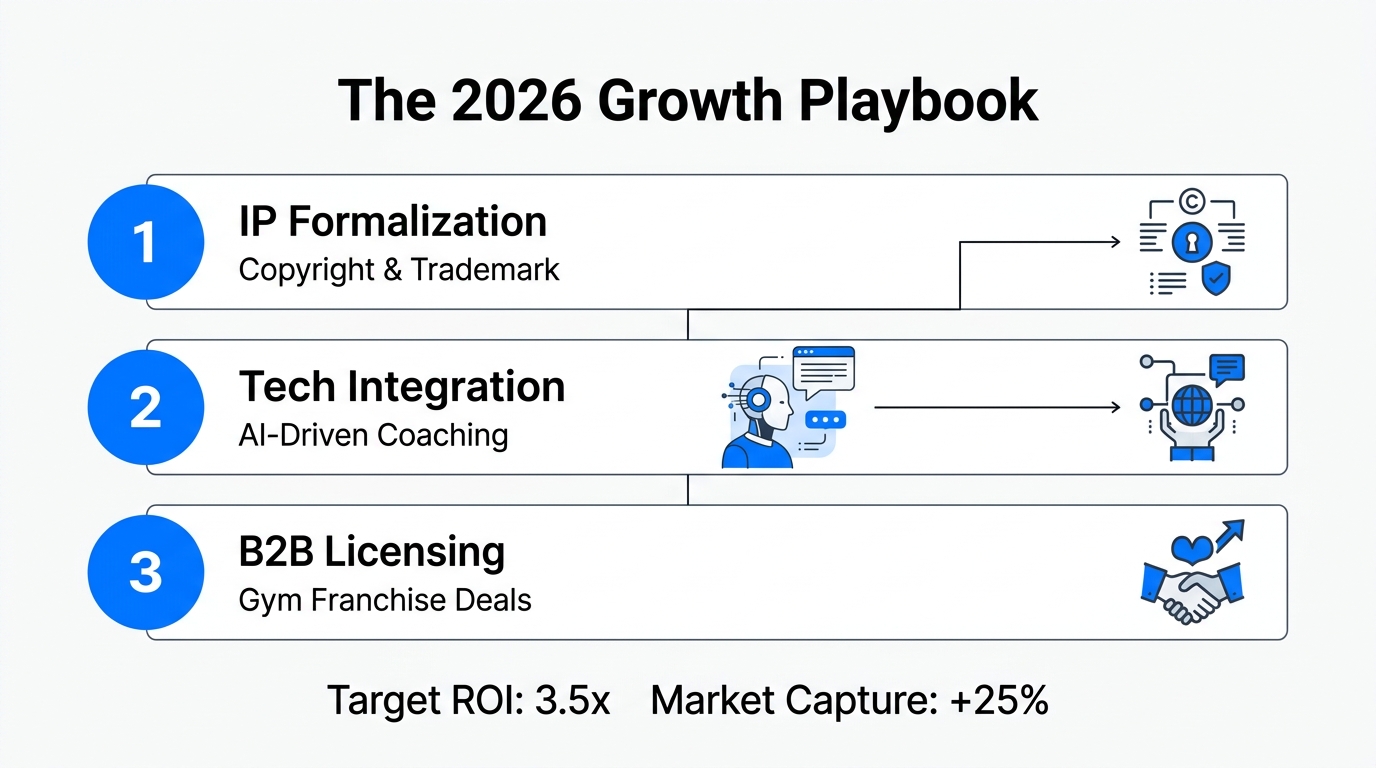
To turn a micro-trend into a seven-figure business this year, creators must move with speed and precision. Here is the step-by-step playbook for launching a creator-led education business in 2026:
Step 1: Identify the Micro-Trend Early
Use AI-powered search engines to find rising engagement in niche fitness or lifestyle movements. Look for 'high friction' activities—things people want to do but aren't sure how to start. Platforms like Google Trends can help you see which movements are currently gaining velocity across social platforms.
Step 2: Validate with a 'Pop-Up' Model
Before building a digital course, sell a live experience. The LexTwerkOut method proved that physical presence creates a sense of urgency. Use Beehiiv to build a waitlist in five target cities. If you can't sell 50 tickets in 48 hours, the trend isn't strong enough for an institution.
Step 3: Capture the Content for Digital Scale
High-quality production is no longer optional. Use Canva for your branding and professional videography to document your live tours. This content becomes the marketing material for your subscription-based digital academy.
Step 4: Surround the Trend with Physical Goods
Don't just sell the 'how-to.' Sell the 'with-what.' If it’s a fitness trend, sell the equipment. If it’s a gut-health trend, sell the supplements. Brands like Dude Wipes reached over $220 million in revenue by taking a 'joke' category (flushable wipes) and professionalizing it through aggressive retail and online growth.
Step 5: Automated Outreach and Maintenance
As you scale, use autonomous AI agents to handle your creator outreach. An AI agent can discover new influencers daily, send personalized emails, and manage your follow-ups while you sleep, ensuring your brand stays at the forefront of the trend as it evolves.
Conclusion: Success Leaves Clues
The LexTwerkOut story isn't just about a dance move; it's a blueprint for the modern creator. By taking a viral moment and wrapping it in professional operations, nationwide logistics, and eventual licensing, Lexi demonstrated how to extract maximum value from niche cultural shifts. Whether you are building the next fitness empire or a niche SaaS product, the lesson remains the same: Don't just ride the wave—build the pier. Success in the 2026 creator economy belongs to those who can turn 15 minutes of fame into 15 years of institutionalized revenue. Start by finding your niche, validating it through live scarcity, and then using Stormy AI to scale your outreach and influencer partnerships to a global level.