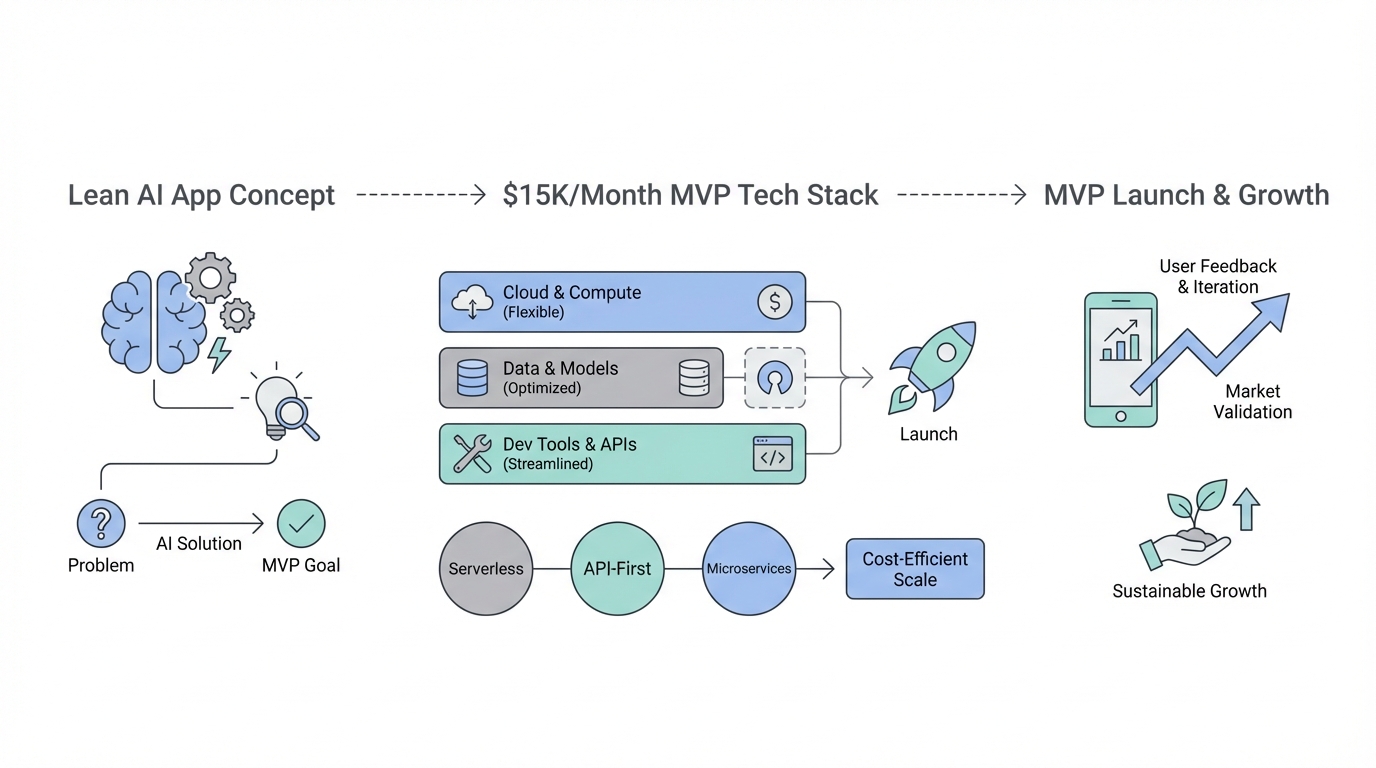
Imagine spending years building ten different mobile applications, only for every single one of them to fail. This was the reality for Louis, a Canadian developer who spent two years in software engineering before dropping out to chase the dream of independent app development. After a string of projects that generated zero revenue, he shifted his focus from building what he thought people wanted to observing what they were actually asking for on social media. The result? Glow Up, an AI-powered makeup try-on app that hit the top of the App Store and generated $800,000 in revenue within its first year. According to his interview on Starter Story, the app now consistently generates $15,000 per month in recurring revenue with a lean, high-margin tech stack. This article provides a technical deep-dive into the app development tech stack and the lean startup methodology used to build and scale this high-growth AI venture.
The Flutterflow MVP Advantage: Why Speed Beats Perfection

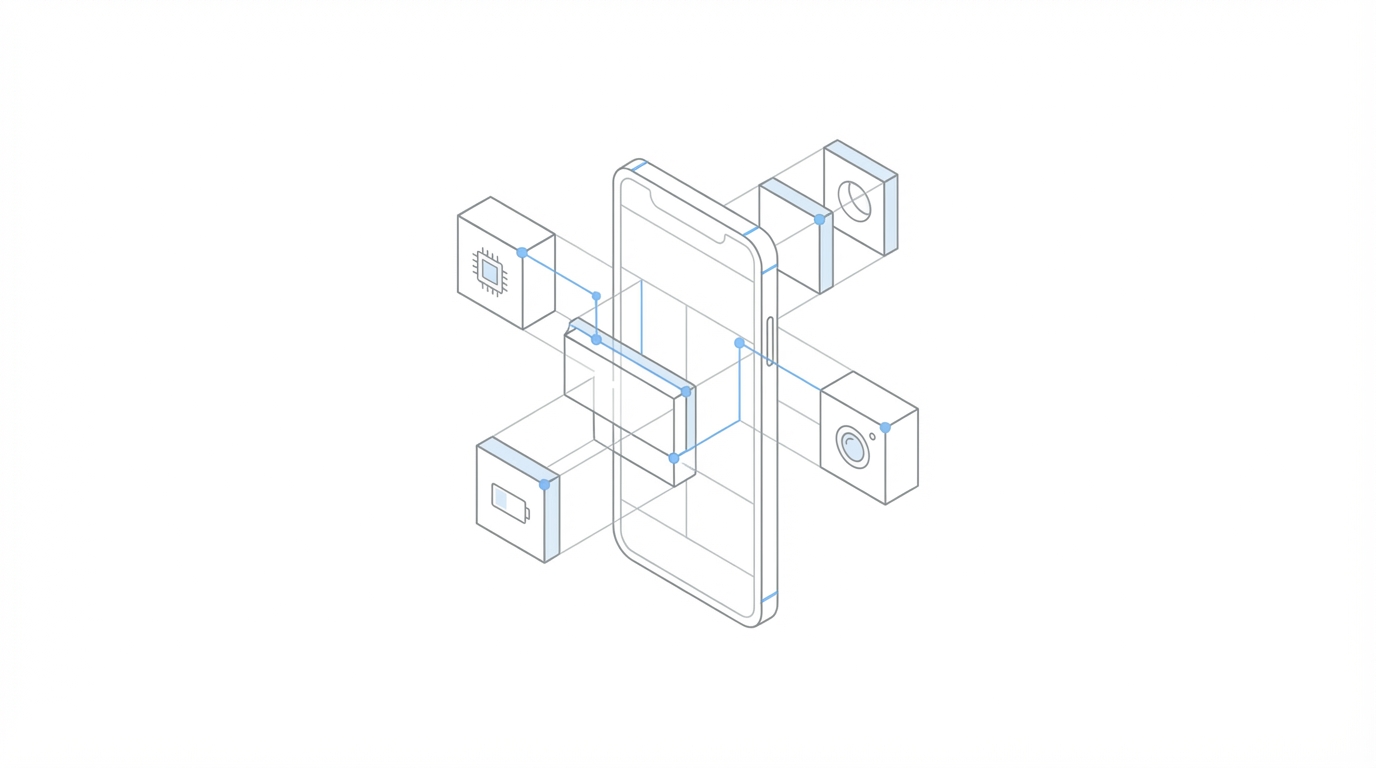
In the world of lean startup methodology, the speed of execution is your primary competitive advantage. Louis opted for a flutterflow mvp approach to get Glow Up into the hands of users as quickly as possible. Flutterflow is a low-code platform built on top of the Flutter framework, allowing developers to build high-performance, native mobile apps with a visual drag-and-drop interface. This significantly reduces the time from idea to deployment, which is critical when you are trying to build an AI app with no-code or low-code tools.
For developers and entrepreneurs, the appeal of Flutterflow lies in its ability to export clean code while managing complex UI/UX requirements. In the case of Glow Up, the goal was to provide a seamless "magic" experience where users could see AI-generated makeup looks on their own faces. By using platforms like Stormy AI, an AI-powered platform for creator discovery, especially for mobile app marketing and UGC campaigns, to research market trends and then deploying through Flutterflow, developers can bypass the months of manual coding usually required for such polished interfaces. The key is to focus on a single core feature that solves a documented problem — in this case, helping women find the perfect makeup look without the mess or cost of physical testing.
Managing High Margins: Scaling to 2 Million Users on a Budget


One of the most striking aspects of the Glow Up story is the 90% profit margins. Despite reaching over 2 million users and processing 70,000 paying customers, the overhead costs remain remarkably low. Louis notes that his backend costs are roughly $1,000 per month, with AI processing costs adding another $500 per month. This level of efficiency is only possible by leveraging a lean app development tech stack that scales automatically with user demand.
The backbone of this infrastructure is Firebase, Google’s comprehensive mobile development platform. By using Firebase for authentication, database management (Firestore), and hosting, the team avoids the need for expensive, dedicated server management. This allows the founder to focus on saas profit margins rather than troubleshooting infrastructure. When you consider that the app charges $9.99 per week or $39.99 per year, the unit economics become incredibly attractive. High-margin apps like these often utilize UGC for mobile app marketing to keep acquisition costs near zero, further protecting the bottom line.
Integrating AI APIs and Google Cloud Functions
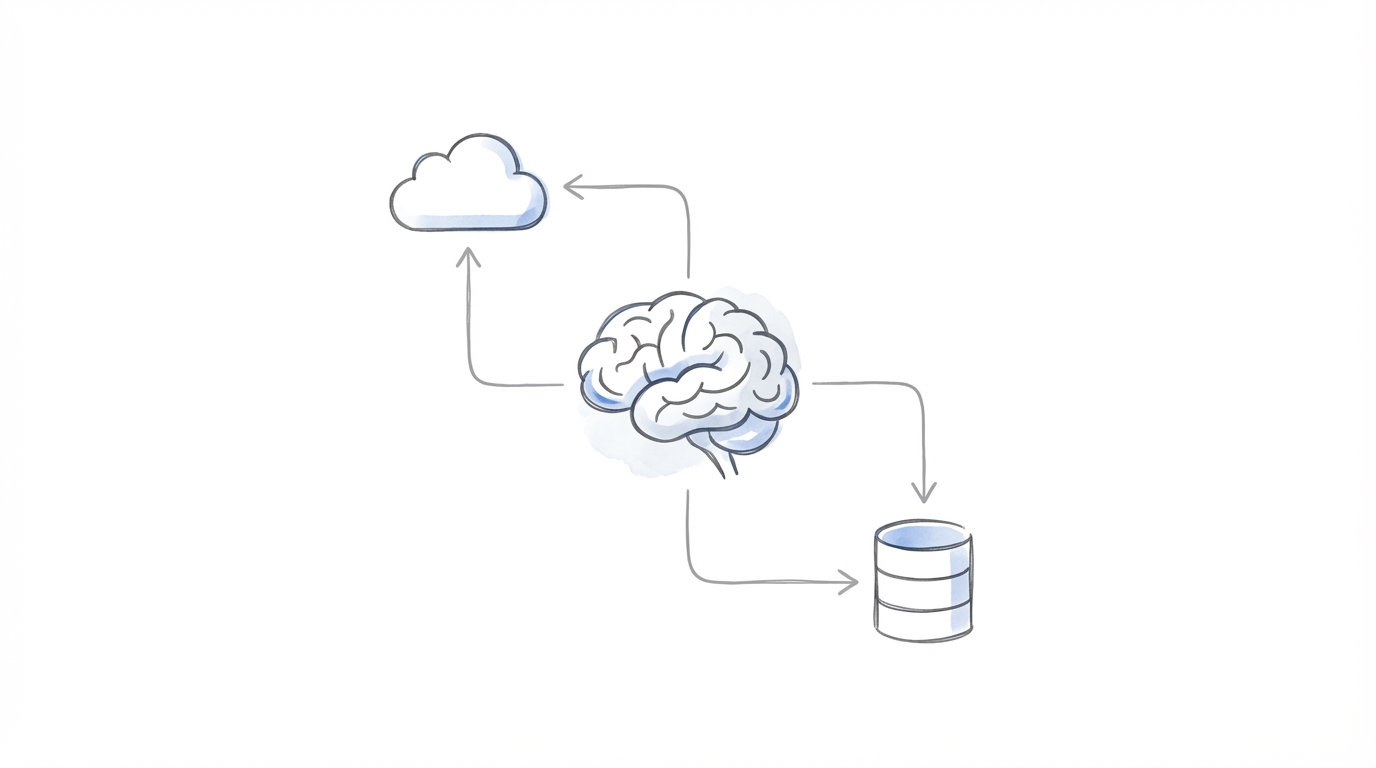
While Flutterflow handles the frontend, the "AI magic" happens through external APIs and Google Cloud Functions. Cloud Functions act as the glue between the mobile app and the AI models, allowing the app to process images and return results without overloading the client-side device. This architecture is essential for any AI app development project where heavy computation is required.
By using serverless functions, you only pay for the compute time you actually use. When a user uploads a photo to try on a makeup look, a Cloud Function triggers an API call to the AI model. The result is then delivered back to the user via the Firebase database. This setup ensures that the app remains snappy and responsive even during viral spikes. For those looking to build an AI app, this decoupling of the UI and the logic is a masterclass in modern software architecture. For creators looking to enter this space, using tools like Stormy AI to find the right influencers to showcase these AI features can be the difference between a quiet launch and a viral success.
Why Cloud Functions Matter for AI Apps
- Scalability: Automatically handles thousands of concurrent requests during viral moments.
- Cost-Efficiency: No costs for idle server time; you are only billed for execution time.
- Security: Keeps sensitive API keys hidden from the frontend code.
- Integration: Seamlessly connects with other Google Cloud services and third-party AI APIs.
Tracking What Matters: Subscription Analytics and Event Tracking
To reach $15,000 per month in revenue, you need more than just a good idea; you need data-driven decision-making. Louis uses a combination of Superwall and Mixpanel to manage the business side of the app. Superwall allows the team to remotely manage and A/B test paywalls without needing to submit a new version to the App Store. This is critical for optimizing the subscription model, which currently sits at a premium $9.99/week price point.
Meanwhile, Mixpanel provides the granular event tracking necessary to understand user behavior. By tracking which makeup looks are most popular and where users drop off in the onboarding flow, the team can continuously refine the product. In the Glow Up app, the onboarding process is intentionally long, asking questions about skin tone, sensitivity, and style to create a sense of personalization. Data from Mixpanel helps confirm that this longer onboarding actually leads to higher conversion rates rather than churn. For app developers, integrating these tools into your app development tech stack is non-negotiable if you want to scale beyond a simple side project.
The TikTok Playbook: How to Build a Viral Marketing Engine
One of the most valuable insights from the Glow Up story is the content-first approach to marketing. Instead of running expensive Google Ads or Meta Ads, Louis leveraged organic TikTok content to drive 2 million users. This strategy is a perfect example of how UGC creators and viral loops can replace massive marketing budgets. Below is the step-by-step playbook used to take the app from zero to 100,000 users in just three days.
Step 1: Account Warm-up and Localization
To reach the lucrative US market from outside the country, Louis used a US SIM card and a 24/7 VPN. This ensures the TikTok algorithm treats the account as a domestic US user. He spent 3 days "warming up" the account — liking, commenting, and watching videos in the makeup niche for 30 minutes a day to signal to the algorithm that the account was human and not a bot.
Step 2: Niche Research via Hashtags
By studying the biggest hashtags in the makeup niche, the team identified real problems people were discussing in the comments. This is where Stormy AI's AI-powered creator discovery tools can also be helpful, but Louis did it manually by reading through thousands of TikTok comments to understand what potential users were actually looking for. He found that women wanted to see how makeup looks would appear on them specifically, which validated the AI makeup app idea before he even wrote a line of code.
Step 3: High-Frequency Content Production
Once the account was warm, the strategy shifted to high-frequency posting. At their peak, they had seven different accounts posting 8 to 12 times per day. The content focused on replicating existing trends but adding a unique twist that featured the app’s AI results. This is where UGC for app install campaigns becomes a powerful tool; users seeing "real" people use the app are far more likely to download it than those seeing a polished commercial.
Step 4: Leveraging Anchor Links
A critical technical tip from the founder is the use of TikTok anchor links. These are "Download Now" buttons that appear directly on the video, allowing users to jump straight to the App Store without visiting a bio link. Louis noted that most of their 60,000 downloads from a single viral video (which hit 48 million views) came through this anchor link. However, he warns to only add the link once a video passes 500,000 views, as adding it too early can stifle the video's reach.
The 'Move First, Adjust Later' Philosophy
Success in the app world often comes down to mindset. Louis emphasizes that he had to build ten failing apps before he found the winning formula. His core advice to aspiring founders is to move first and adjust later. In the lean startup methodology, shipping a "good enough" MVP is far better than waiting for a perfect product that may never see the light of day. For Glow Up, the MVP was built quickly and launched the moment the content started going viral.
This philosophy also applies to niche selection. You don’t need to be an expert in the field you are entering. Louis admits he is not a makeup expert and that makeup isn't even his passion. However, he recognized it as a valuable capitalistic endeavor. By focusing on the data and the user feedback rather than his own personal interests, he was able to build a product that the market actually wanted. Brands looking to replicate this success should consider Stormy AI for finding UGC creators and influencers who already have the trust of these specific niche audiences.
Conclusion: Building Your Own High-Revenue AI App
Building a $15,000 per month AI app is no longer a feat reserved for massive venture-backed teams. By combining the power of a flutterflow mvp with the scalability of Firebase and Google Cloud Functions, a solo founder or small team can manage millions of users with 90% profit margins. The key takeaways from the Glow Up journey are clear: validate your idea through content before building, keep your tech stack lean, and never stop shipping.
If you are ready to start your journey, begin by researching your niche on social media and identifying the common pain points in the comments. Use Meta Ads Manager or Apple Search Ads only after you have established organic traction. Remember, the goal of a lean startup is to learn fast from both failure and success. As Louis demonstrated, the right combination of AI technology and viral marketing can turn a simple side project into a life-changing business in less than a year.