Not long ago, the idea of launching a Consumer Packaged Goods (CPG) brand required a massive upfront investment in product designers, 3D modelers, and expensive physical prototyping. You would spend months iterating on sketches before a single sample ever reached your desk. Today, the landscape of AI product design tools has shifted that timeline from months to minutes. With the release of ChatGPT Image 1.5, entrepreneurs are discovering that they can move from a simple natural-language prompt to a high-fidelity, manufacturing-ready product concept faster than they can write a traditional business plan. This new model isn't just about making pretty pictures; it’s about generating realistic, high-fidelity prototypes that bridge the gap between imagination and physical inventory.
The Power of Plushie and Bobblehead Styles for Rapid Prototyping
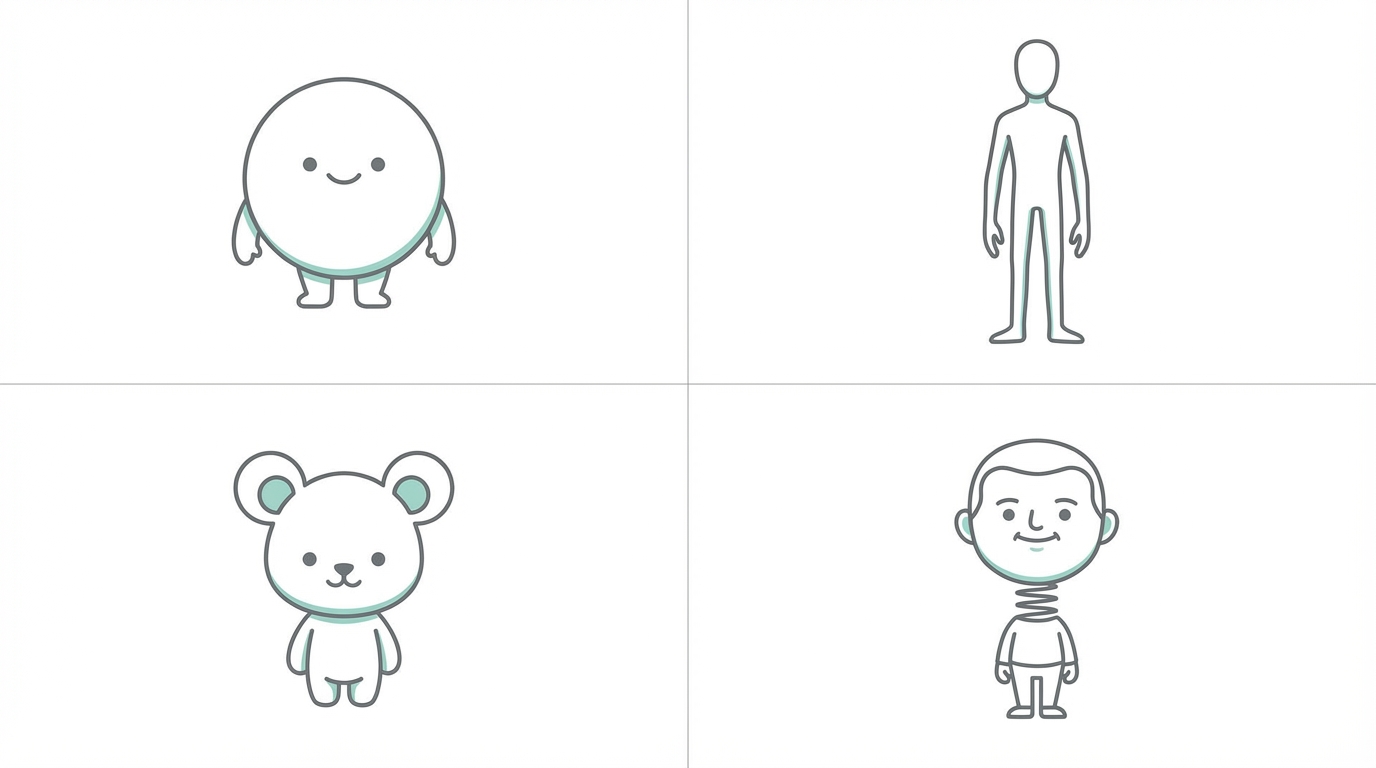

One of the most immediate breakthroughs in ChatGPT image 1.5 for business is its specialized style carousels. Instead of guessing the right keywords to get a 3D effect, users can now select specific styles like 'Plushie' or 'Bobblehead' to instantly transform a concept into a tangible-looking product. For example, by uploading a photo of a person or a mascot, the model can generate an ultra-detailed 3D plush toy that captures specific textures like the wave of a subject's hair or the fabric grain of their clothing. This is a game-changer for creators looking to monetize their personal brand through physical merchandise.
When you use an AI toy design prompt, the model doesn't just apply a filter; it reimagines the subject with physical constraints in mind. It considers how light hits soft fabric and how seams would naturally fall on a stuffed figure. In testing, taking a photo of a tech founder and requesting a "3D plushie" resulted in an output with remarkable fidelity—capturing the exact "wave" of the hair and the specific material of their signature sweater. For an entrepreneur, these outputs serve as the perfect reference images to send to manufacturers on platforms like Alibaba or specialized toy production firms like Budsies, significantly reducing the back-and-forth during the sampling phase.
Beyond soft goods, the 'Bobblehead' style offers a similar utility for collectible brands. By defining a character’s look and then applying the bobblehead transformation, you can see how a mascot would look on a retail shelf. This allows for rapid A/B testing of product designs on social media platforms like Instagram or X before a single dollar is spent on a production mold.
Character Preservation: Building a Cohesive Product Line
A major hurdle in previous AI models was the lack of consistency. You could design a great character in one prompt, but the next prompt would produce a version that looked like a completely different person. ChatGPT Image 1.5 addresses this through improved instruction following and character preservation. This means you can take a single mascot—perhaps a brand ambassador or an original character—and turn them into a diverse product line without losing the essence of what makes the character special.
The model excels at adding, subtracting, and transposing elements while keeping the core subject intact. If you have a character sketch, you can instruct the AI to "reimagine this subject as a 3D graphite pencil sketch on textured white notebook paper" and then later ask to see that same character as a bobblehead or a 3D glam doll. This consistency is vital for creating CPG brands with AI because it ensures that your branding remains professional across your website, packaging, and marketing materials. You are no longer designing one-off images; you are building a visual ecosystem.
To maximize this, try to be specific about the subject's attributes in your initial prompt. Mentioning specific clothing items, accessories, or facial features helps the model "lock in" those details for future iterations. When the AI follows instructions more reliably, it enables more intricate original compositions where the relationships between elements—like a mascot holding a specific tech gadget—are preserved as intended across different styles.
The Playbook: Moving from Prompt to Shopify
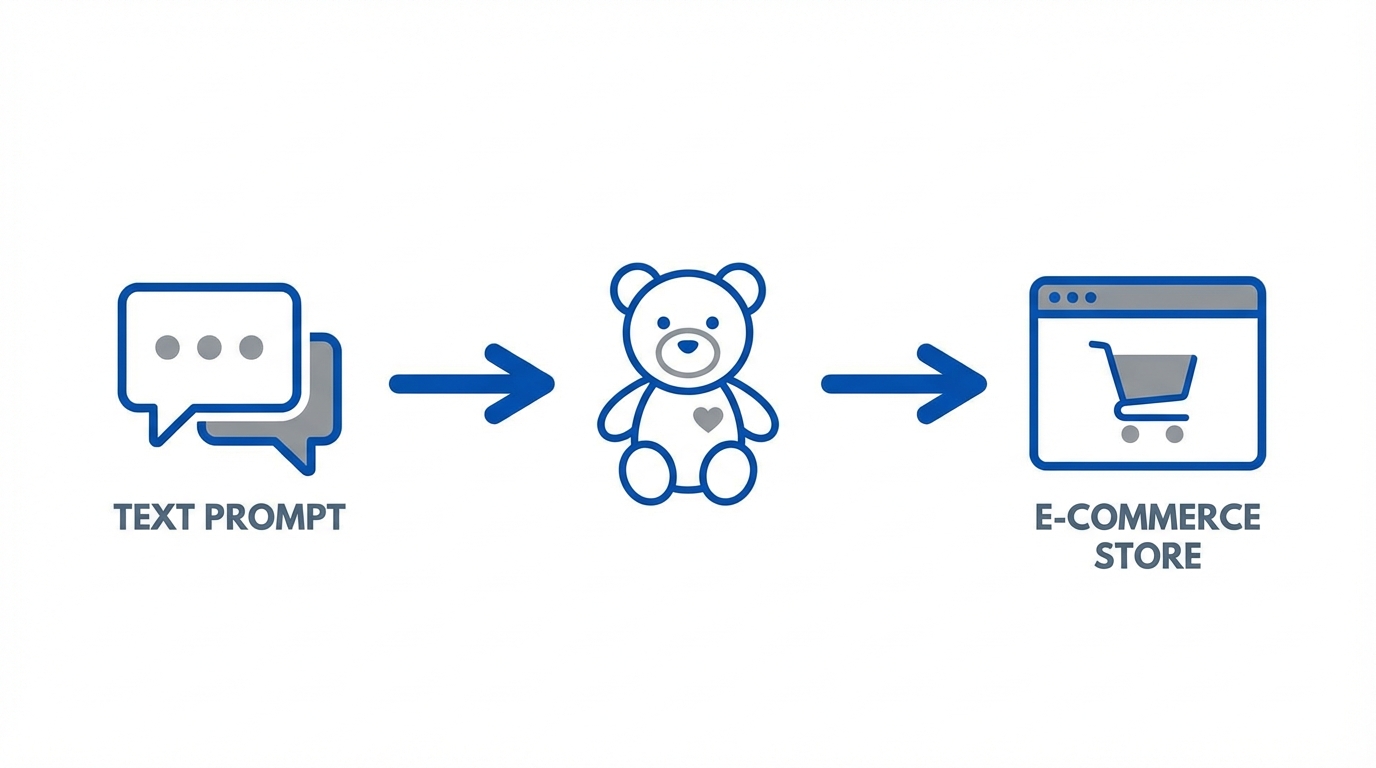
Transitioning from a digital output to a revenue-generating store requires a structured workflow. The democratization of design means the technical barriers are falling, but the execution still requires a clear strategy. Here is the step-by-step playbook for launching your AI-designed CPG brand:
Step 1: Ideation and Style Selection
Start by using the style carousels in ChatGPT to find the "soul" of your product. Whether it’s a 'Sugar Cookie' aesthetic for a bakery brand or a 'Dramatic' style for high-end fashion, use the AI to generate 10-20 variations of your core concept. Look for designs that feel unique but are physically possible to manufacture.
Step 2: Refining with Technical Feedback
Once you have a winning design, use the iterative prompting feature to refine the details. If the AI adds an unnecessary element—like a pencil sharpener in a sketch or a baseball uniform on a tech-themed bobblehead—simply tell it to "remove the uniform and make it in the style of what a tech YouTuber would wear." The model's ability to react to real-time feedback is what separates it from older, less intuitive tools.
Step 3: Manufacturing Sourcing
Take your high-fidelity renders and use them as your technical specs. You can upload these images to manufacturing marketplaces to get quotes. Because the 1.5 model is so good at text rendering and detailed textures, your manufacturer will have a much clearer understanding of your vision than they would with a basic 2D drawing.
Step 4: Setting Up Your Storefront
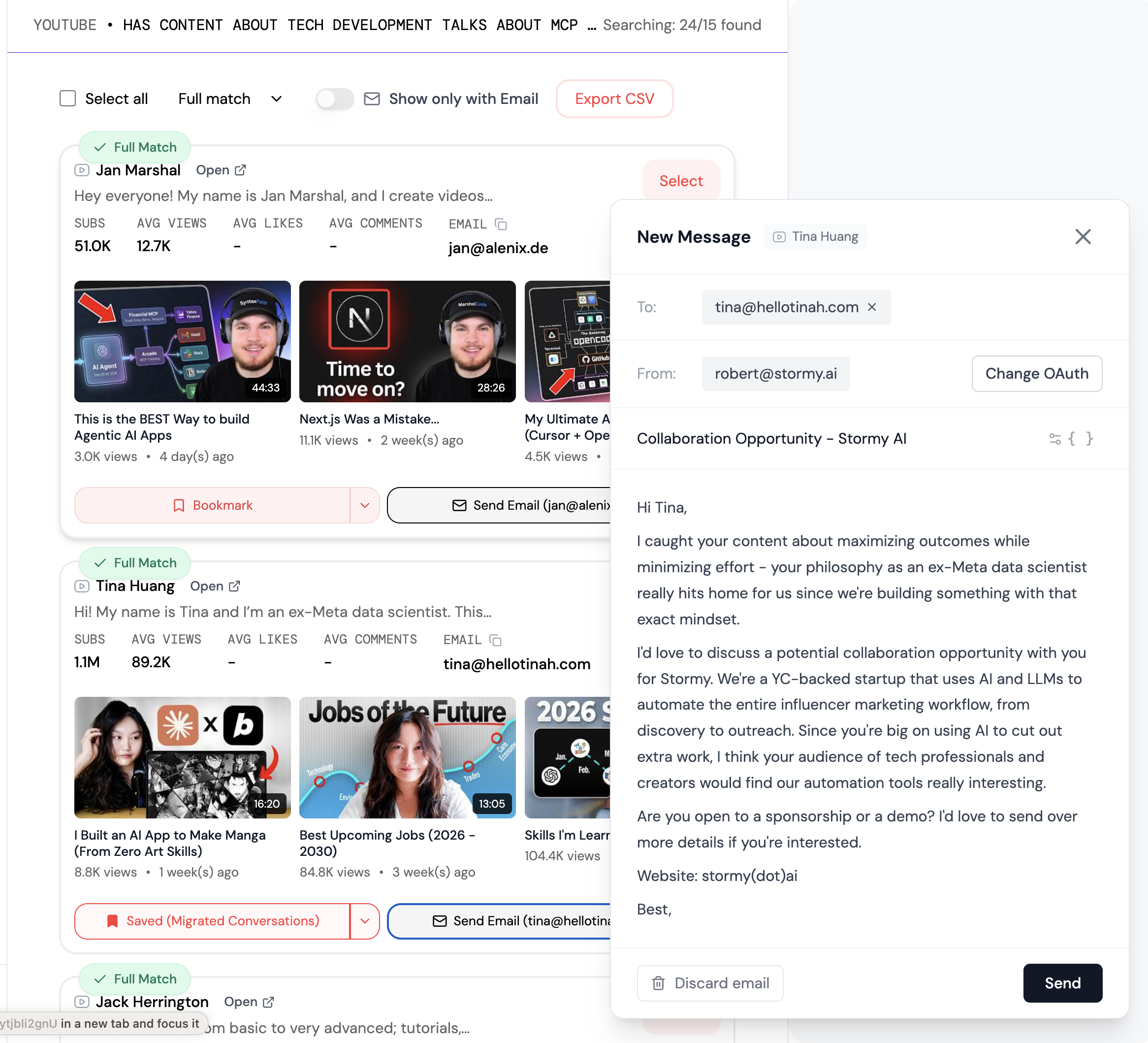
While your products are being manufactured, use the same AI model to generate your lifestyle imagery. You can create product shots for your Shopify store that look like professional photography. Since you’ve already established character preservation, these images will match your physical product perfectly. This is also the stage where tools like Stormy AI become invaluable. Once your samples arrive, you can use Stormy to discover creators who specialize in User-Generated Content (UGC). Sending your AI-designed plushies to these influencers allows you to generate authentic social proof and drive traffic to your new store.
Creative Transformations: Designing High-Quality Ad Creative
Launch day is only the beginning. To sustain a CPG brand, you need a constant stream of fresh ad creative. This is where ChatGPT image creative transformations shine. The model allows you to take your existing product assets and transform them into different layouts and contexts without losing the core product identity. For example, you can take an image of your plushie and ask the AI to "make an old-school golden age Hollywood movie poster called 'The Plushie Chronicles' using this image."
This capability enables you to run high-converting ads on Meta Ads Manager or Google Ads without hiring a full creative agency. You can generate seasonal content—like your bobblehead wearing a Santa hat or your plushie at a summer beach party—in seconds. The model even handles text rendering more reliably now, meaning you can include brand names and slogans directly in the image with far fewer spelling errors than in previous versions.
Furthermore, the ability to generate complex grids (like a 6x6 grid of product variations) allows you to showcase the breadth of your brand on platforms like TikTok or in email marketing campaigns. This visual variety keeps your audience engaged and makes your brand appear much larger and more established than a typical startup.
Mastering Textures: Prompting for Manufacturing Specs
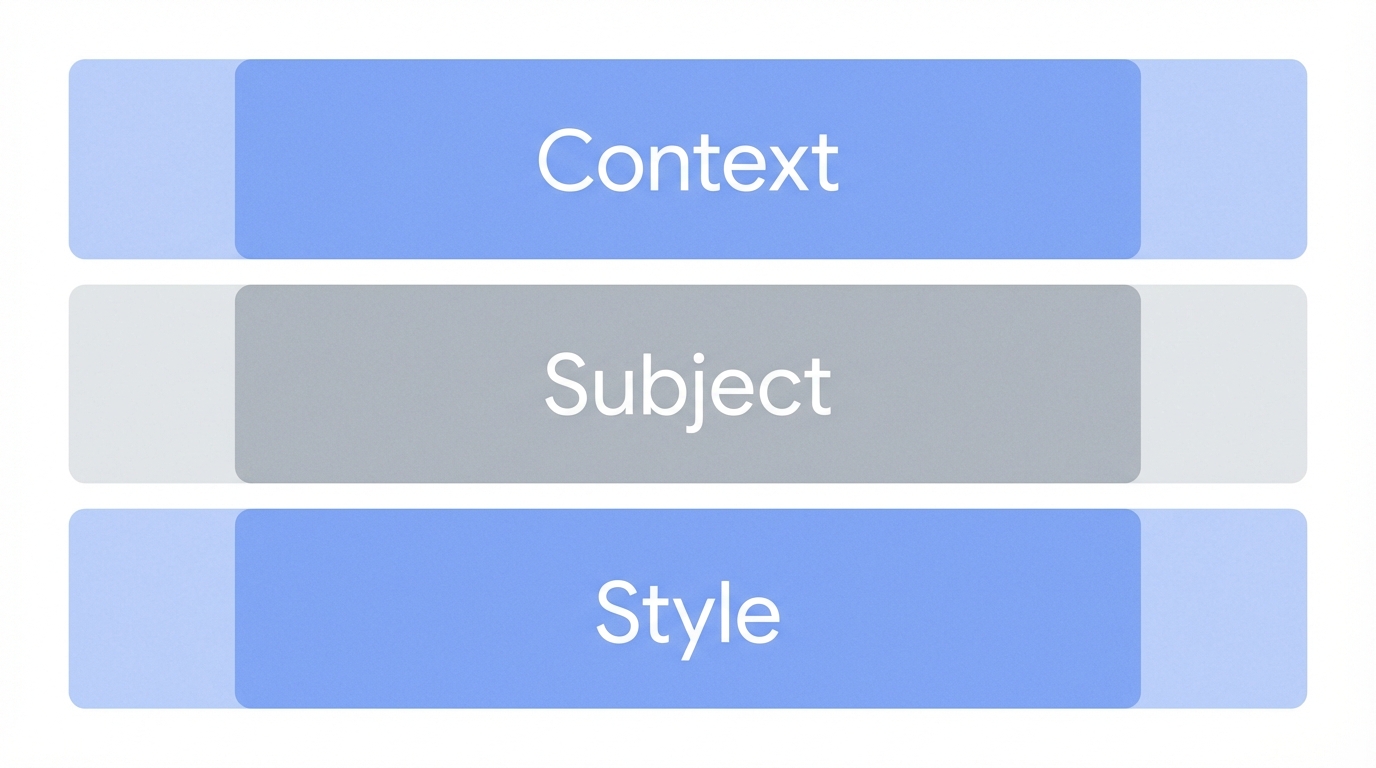
To get the most out of ChatGPT Image 1.5, you must learn to prompt for texture and detail. Manufacturers need to know if a surface is matte, glossy, fuzzy, or metallic. The new model responds incredibly well to these tactile descriptions. If you are designing a plush toy, don't just ask for a "toy." Instead, prompt for "ultra-detailed soft fleece texture with visible stitching and realistic fabric waves."
When the AI understands the physical properties of the materials, it produces an image that is much easier for a factory to replicate. For instance, requesting a "3D graphite pencil sketch on textured white notebook paper" produces an output where you can practically feel the tooth of the paper and the smudge of the lead. This level of realism is what makes these AI product design tools so effective for professional use. You can even experiment with 'fish-eye' or 'dramatic' lighting to see how your product will look under various retail lighting conditions.
As you scale your outreach to retailers or more advanced manufacturing partners, maintaining a high-quality CRM of these contacts is essential. Platforms like Stormy AI can help you manage these creator and partner relationships as your brand grows. Managing your outreach through a creator CRM ensures that as your AI-designed products go viral, you have the infrastructure to handle the influx of collaboration requests and influencer partnerships that follow.
The Future of AI-Driven CPG
The launch of ChatGPT Image 1.5 marks a turning point for entrepreneurial creativity. We are entering an era where the distance between a "prompt" and a "plushie" is shrinking every day. By leveraging specialized styles, mastering character preservation, and utilizing creative transformations, anyone with a vision can now build a professional-grade CPG brand. The key is to stop viewing AI as a toy and start viewing it as a core component of your manufacturing and marketing stack. Whether you are creating hand-drawn diagrams that go viral on LinkedIn or a full line of collectibles, the tools are now in your hands. It’s time to start building.