In the high-stakes world of digital marketing in 2026, many brands are still chasing broad, top-of-funnel awareness while ignoring the goldmine of high-intent local search. While tech giants battle for global dominance, specialized service businesses like Lap of Love have quietly built hundred-million-dollar empires by owning the specific moment a customer is ready to buy. By combining empathetic branding with a ruthless local SEO monopoly, they’ve proven that you don’t need a complex SaaS product to achieve venture-scale growth; you just need to dominate the map.
The Mechanics of the Lap of Love 'Local SEO Monopoly'
Learn how this veterinary service scales through a clever distributed contractor model.
The Lap of Love marketing strategy is a masterclass in capturing "crisis demand." When a pet owner needs at-home euthanasia services, they aren't browsing; they are searching for a solution with immediate urgency. In 2026, this company handles roughly 10,000 customers per month, according to veterinary industry data, with service prices ranging from $500 to $1,000. That is a run rate of nearly $100 million annually, built almost entirely on local search dominance.
Unlike traditional veterinary clinics that rely on physical signage, Lap of Love focuses on owning the digital real estate for every city they serve. They don't just have a website; they have a network of city-specific landing pages and Yelp profiles optimized for terms like "at-home pet euthanasia in Nashville" or "end of life pet care in New York." By blanketing local results, they ensure that regardless of the platform—Google Business Profiles, Apple Maps, or Yelp—they are the first and only professional choice visible to the grieving pet owner.
"They just own local. If you google that word, they own the Yelp pages in every city. They grow entirely through local search."
Identifying High-Intent, Low-Competition Keywords in 2026
Discover the local SEO strategy for dominating search when customers need help fast.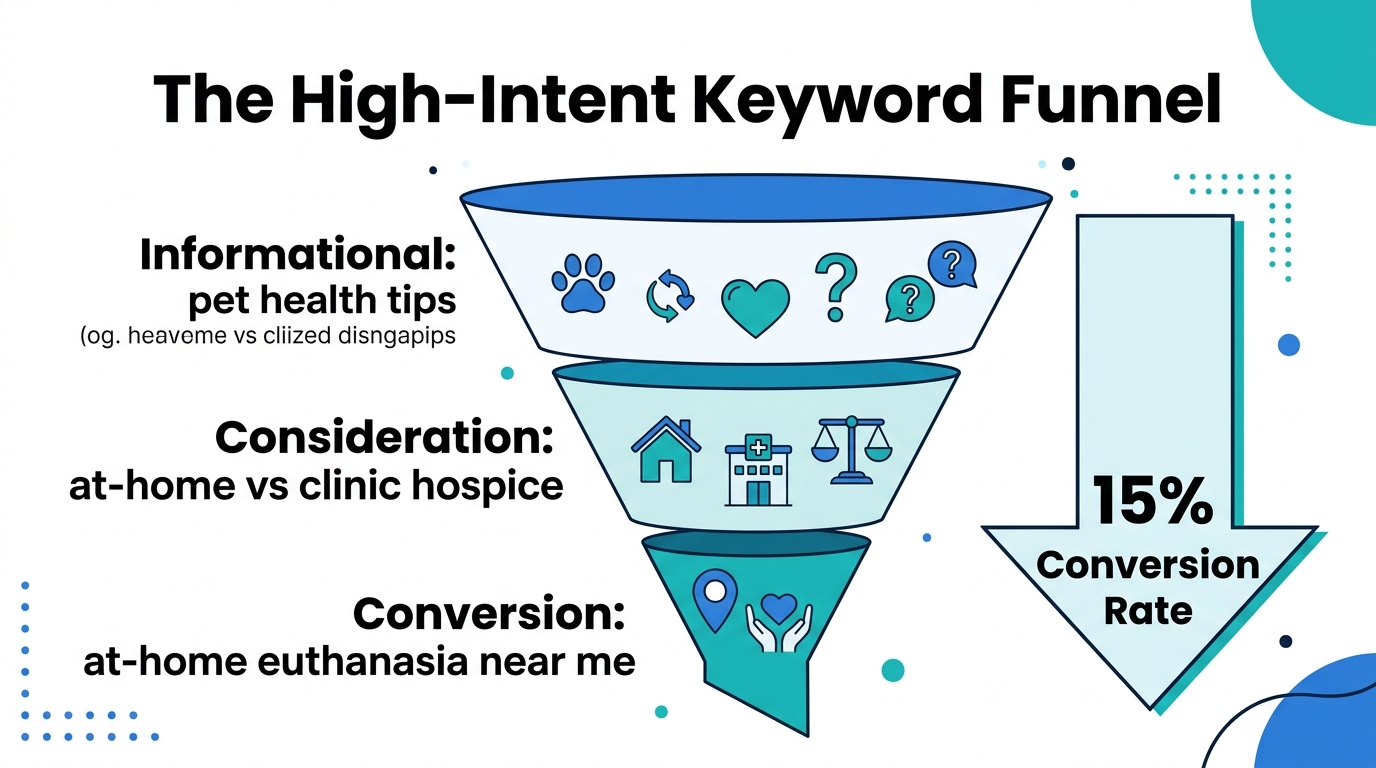
To replicate this success, businesses must identify high-intent, low-competition keywords within specialized niches. Most marketers waste budget on broad terms like "pet health," which have high competition and low conversion. The Lap of Love model targets "at-home euthanasia"—a term that signifies a user is at the final stage of the decision-making process.
In 2026, niche local SEO requires identifying these "pain point" keywords that legacy competitors often overlook because they are uncomfortable or hyper-specific. To find these, smart operators are using tools like SimilarWeb to analyze competitor traffic and identifying gaps where local demand exceeds the supply of high-quality content. For brands looking to amplify this via local influence, platforms like Stormy AI allow marketers to discover local creators who can provide authentic word-of-mouth referrals, further cementing that local search dominance.
| Keyword Type | Example | Intent Level | Competition |
|---|---|---|---|
| Broad | "Veterinary Clinic" | Medium | High |
| Service-Specific | "Pet Vaccinations" | Medium-High | Medium |
| High-Intent Local | "At-home pet euthanasia [City]" | Critical | Low/Specialized |
Scaling a Distributed Service Model in the AI Era
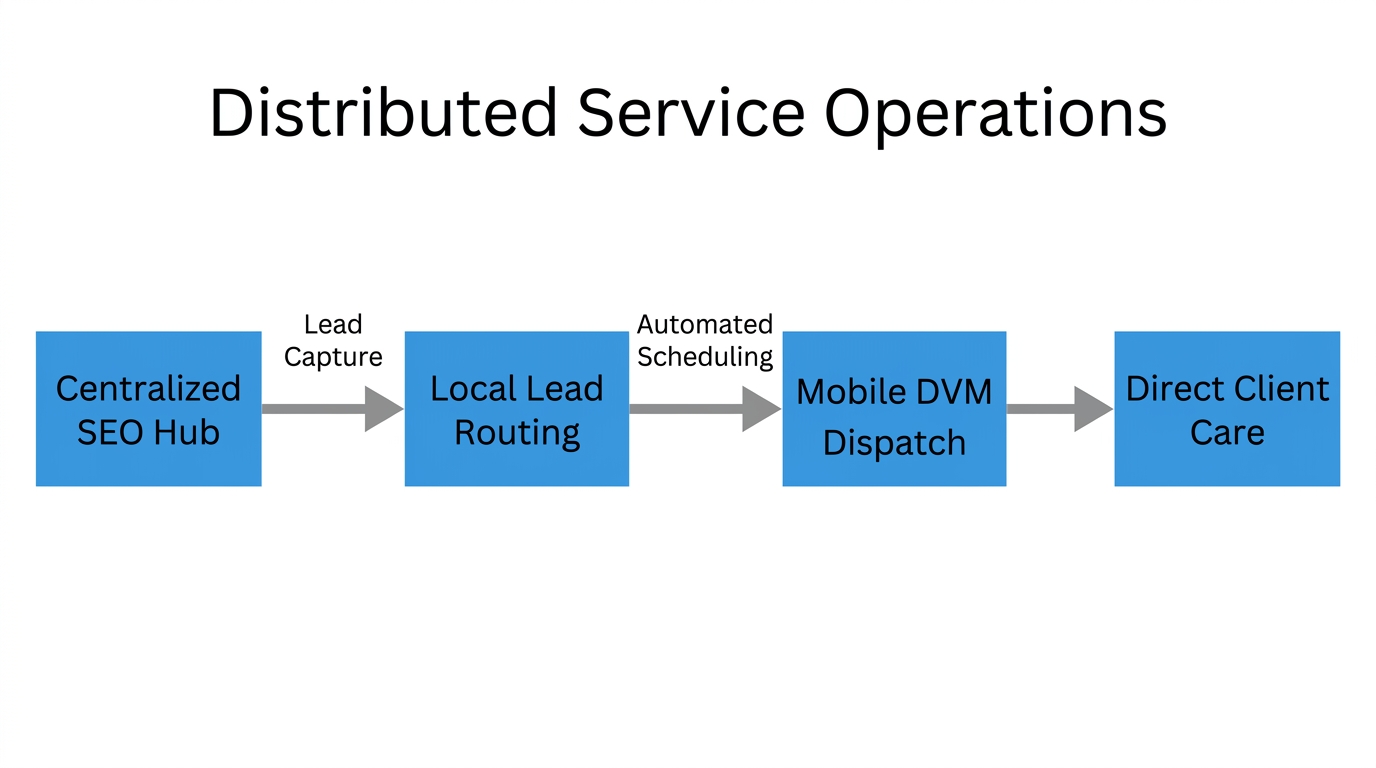
How does a business handle 10,000 sensitive, high-stakes appointments a month without losing the "human touch"? The answer lies in a centralized digital call center combined with a network of local contractors. Lap of Love doesn't necessarily employ every vet as a full-time W2 staffer in every city; they provide the marketing engine, the best practices, and the call center, then dish out the work to local professionals who execute the service.
This model is becoming the blueprint for service business scaling. We see similar patterns in companies like Tarro, which has reached a $100 million run rate by handling phone orders for thousands of local restaurants. By using AI to optimize call flows and even remixing accents to ensure clear communication, Tarro allows restaurant owners to focus on food while the "centralized brain" handles the revenue generation. Similarly, Owner.com empowers local businesses to take back their SEO from aggregators like DoorDash, providing a high-octane tech stack that used to be reserved for enterprise brands.
"Tarro routes phone orders from 3,000 restaurants to call centers... it's the Adidas of online phone ordering, getting businesses an extra 10-20% in revenue."
Building an Empathy-First Brand for Consistent Referrals
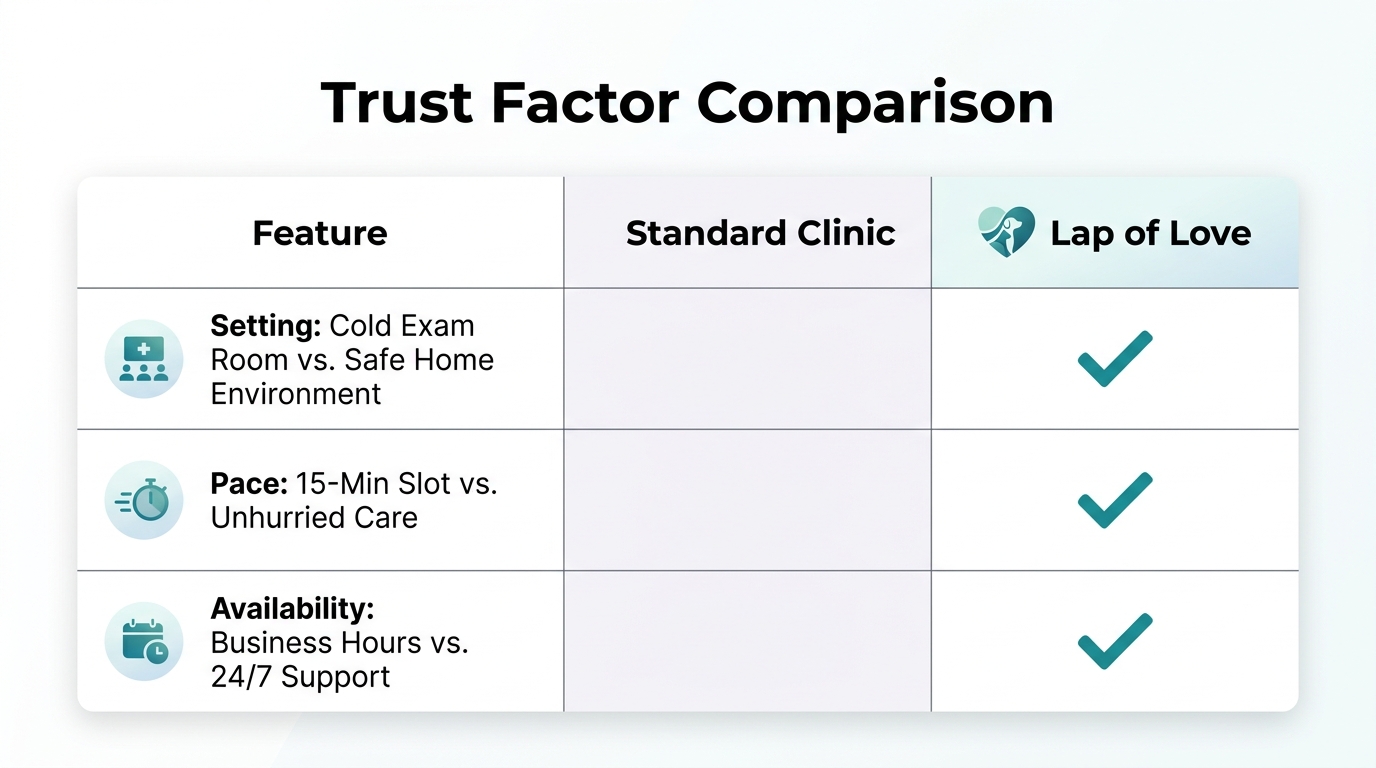
In 2026, trust is the only currency that doesn't depreciate. Lap of Love dominates because they’ve built a brand that doesn't feel like a corporation. It feels like a service. This empathy-first approach creates a viral loop of word-of-mouth referrals. When a customer has a "best of a horrible situation" experience, they become a vocal advocate for life. This is a powerful marketing channel that no amount of Google Ads can buy.
This strategy of building deep trust within a specific community is reminiscent of the "English" frontman model used in Amish furniture businesses. As seen on sites like IBYFAX.com, Amish entrepreneurs use intermediaries to bridge the gap between their traditional values and the modern digital marketplace, often tracked through platforms like the Edelman Trust Barometer. Whether you are selling $1,000 heirloom beds or $600 at-home pet services, the principle remains: Trust scales better than technology.
The 'Terminator' Founder: Why Energy is the 10x Factor
Why high-energy founders possess a distinct physical presence that drives business success.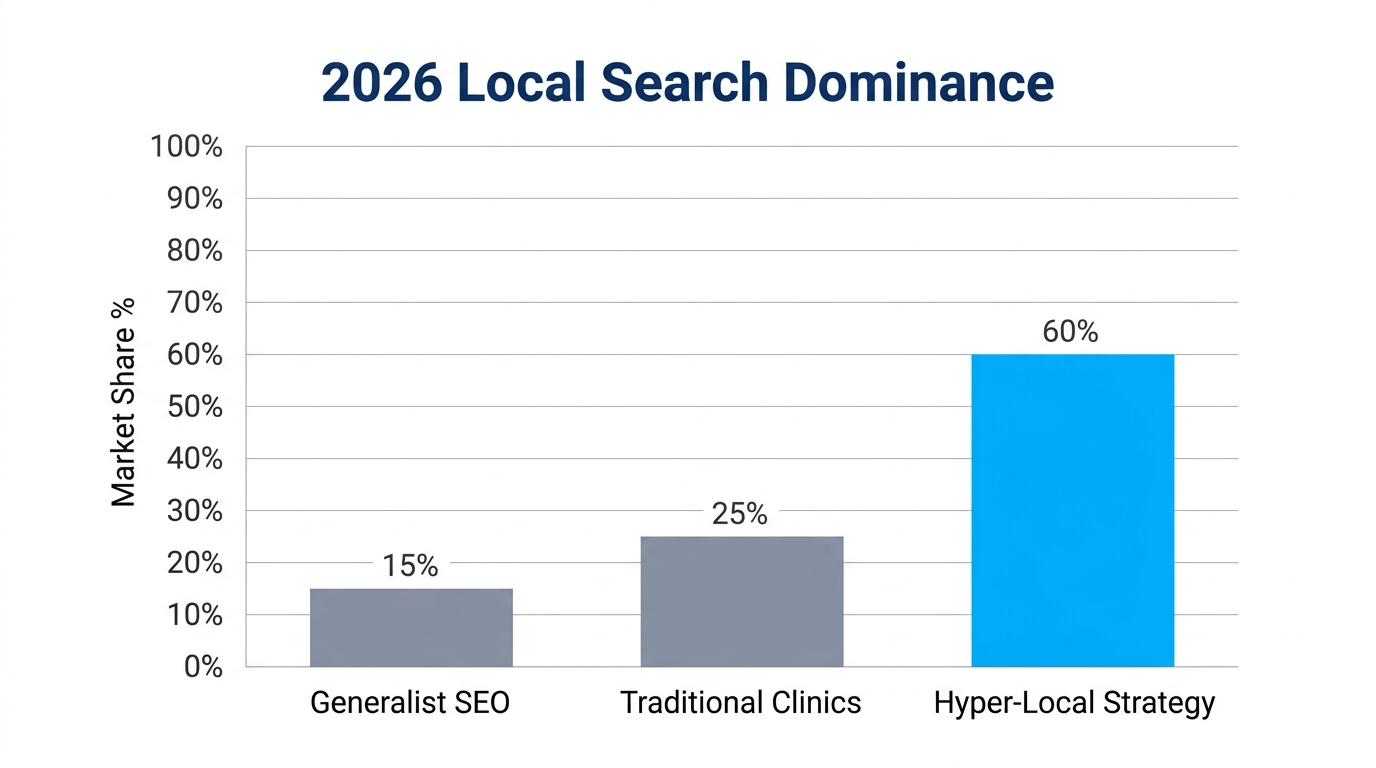
Success in local marketing and service scaling isn't just about the right SEO keywords; it's about the energy and intensity of execution. Looking at high-growth founders in 2026, there is a common trait: an almost supernatural level of energy. Whether it’s the relentless pace of a MrBeast or the high-octane focus of an Owner.com founder, the ability to out-work and out-move the competition is what turns a local dance studio or a pet service into a multi-city empire.
For those looking to scale their own service business, the path in 2026 is clear:
- Identify a high-intent niche where the current customer experience is lacking or fragmented.
- Own the local search results across Google, Yelp, and Apple Maps for that niche.
- Centralize the "brain" (sales, marketing, and scheduling) using AI-powered tools or specialized call centers like Klaviyo for automated follow-ups.
- Decentralize the "hands" by partnering with local contractors who can execute the service at a high level.
- Leverage modern tools like Stormy AI to discover and manage creators who can amplify your local authority.
Conclusion: Your 2026 Local Dominance Playbook
The Lap of Love story proves that million-dollar businesses are hidden in plain sight. From $1.2 million Amish fax services to $600 million swim school franchises like Goldfish, the secret to dominating 2026 is to provide a service people love and scale it with a centralized digital engine. By focusing on high-intent local search and maintaining a "brute force" level of intensity in your operations, you can build a local SEO monopoly that is virtually impossible for competitors to break. Stop chasing the broad market; own the zip code.