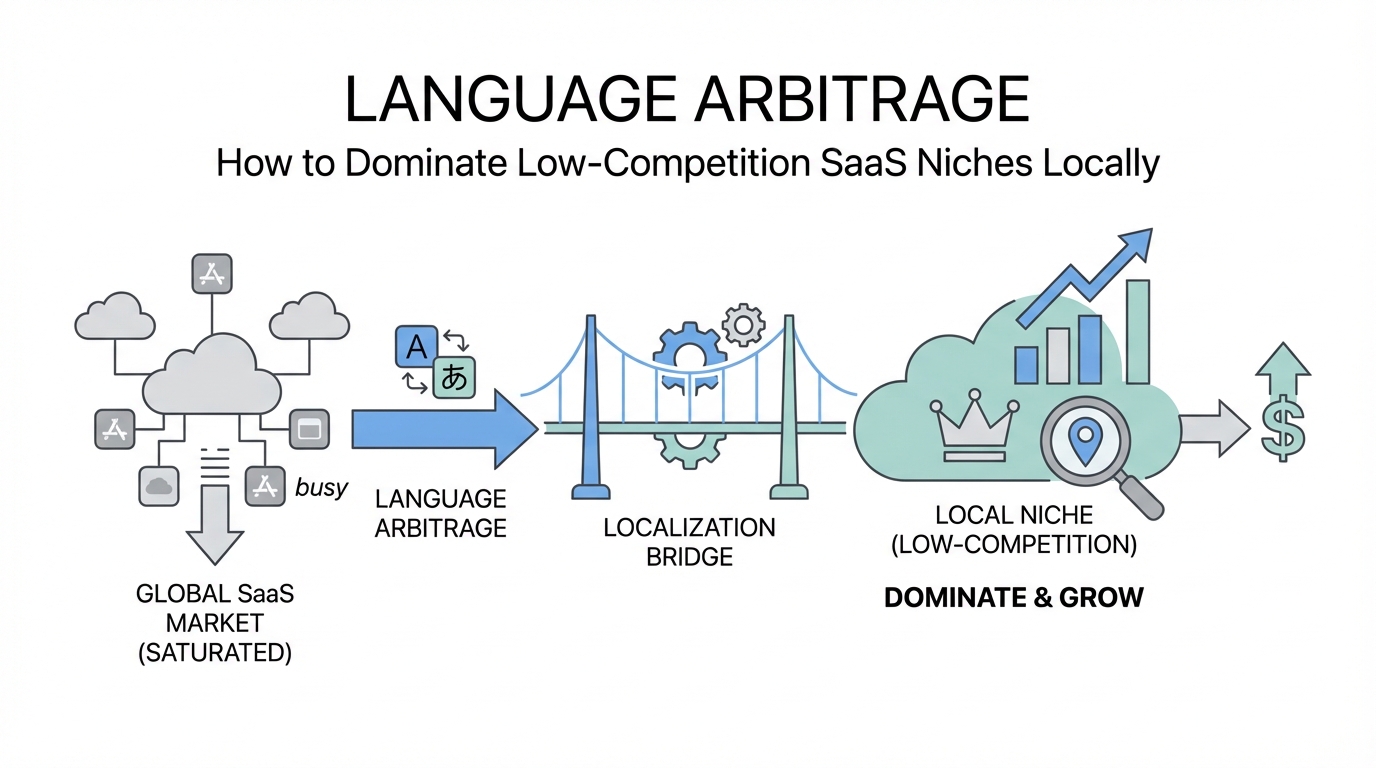
Most SaaS founders spend their time fighting for scraps in the hyper-competitive English-speaking market. They battle against billion-dollar incumbents, skyrocketing CPC (Cost Per Click), and content saturation that makes it nearly impossible for a new micro-SaaS to stand out. But while everyone is looking at Silicon Valley, a massive "blue ocean" opportunity is hiding in plain sight: language arbitrage. By taking a proven product concept and localizing it for non-English territories, you can effectively move your marketing from "Hard Mode" to "Easy Mode."
The Rocket Internet Model: Modernizing the Clone Strategy
To understand language arbitrage, we first have to look at the legendary (and controversial) Rocket Internet model. This German venture studio became famous for identifying successful US startups like Airbnb, eBay, or Zappos and immediately building clones for international markets. They would launch an "Airbnb for Germany" or an "eBay for Southeast Asia" before the original companies could even think about global expansion.
While the goal of Rocket Internet was often a massive exit or a buyout from the original company, the lesson for modern bootstrappers is simpler: you don't need a 100% original idea to build a profitable business. You just need to bring a proven idea to an audience that is currently being underserved. Many founders are busy vibe-coding tools on Cleo.so or Mention.so without realizing that the exact same tool, if translated into French or German, could hit $10k+ MRR with half the effort.
How to Find "Sea of Green" SEO Opportunities
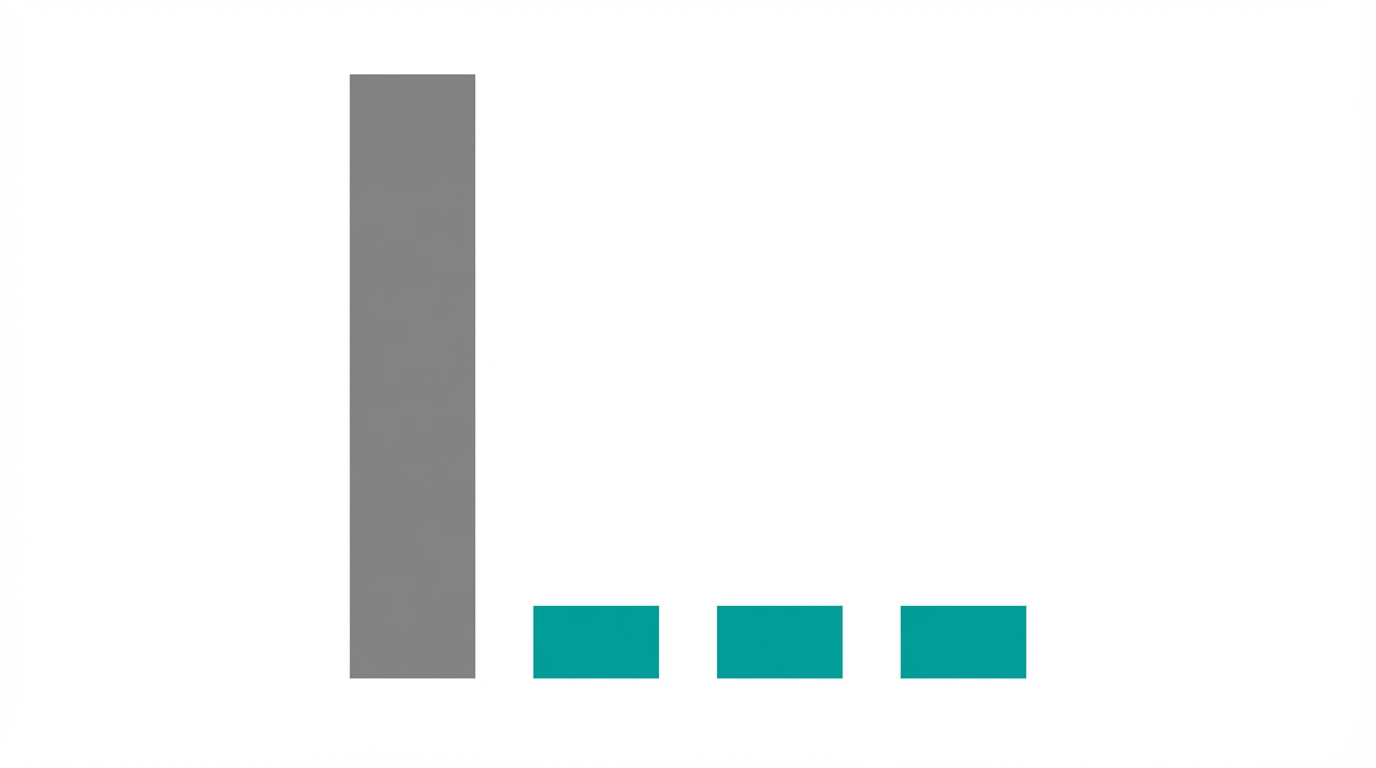

The core engine of the language arbitrage strategy is International SEO. In English, high-intent keywords like "best form builder" or "email marketing tool" are virtually impossible to rank for without a massive backlink profile. However, when you translate those same search terms into French, Spanish, or German, the landscape changes entirely. You encounter what SEO experts call a "Sea of Green."
A "Sea of Green" occurs when you use tools like Semrush or Ahrefs to find keywords that have significant search volume but low Keyword Difficulty (KD). For example, a company like Tally.so has seen massive success by positioning itself as a clean, free alternative to Typeform. While "Typeform alternative" is a brutal keyword in English, the French equivalent—alternative à Typeform—often presents a much lower barrier to entry for ranking on page one of Google.
Case Study: Teachizy and the French Market
Take the example of Teachizy, a platform similar to Kajabi or Teachable. While the English market for course platforms is crowded with giants, Teachizy focused exclusively on the French-speaking market. By leaning into the French language, they reached $65,000 MRR. Their landing page explicitly states that the platform is "100% en Français," which immediately builds trust with a local audience that might find American platforms intimidating or difficult to navigate for their own students.
Leaning into Nationalistic Branding: Why "Made in France" Works
Localization is about much more than just translating text; it's about cultural identity. In many European and Asian markets, there is a strong preference for local providers over massive American corporations. This is where you can use nationalistic branding to your advantage. By placing a local flag on your website or emphasizing that your data is stored on local servers, you increase conversion rates significantly.
Local audiences value sovereignty and familiarity. If you are building a tool for German accountants, seeing "Made in Germany" and support for local tax laws is a 10x stronger selling point than a flashy UI. This is a form of market arbitrage where you aren't just selling software; you are selling the peace of mind that comes from a product that "speaks the same language" and understands local nuances.
The Psychological Advantage of Local Identity
- Higher Trust: Users believe local founders are more accessible for support.
- Legal Compliance: Emphasizing GDPR compliance or local data laws (like the French CNIL) provides a competitive edge.
- Cultural Nuance: Using local slang, jokes, or case studies makes the product feel like a native tool rather than a generic export.
A Playbook for Scaling International Acquisition on "Easy Mode"
If you want to dominate a local niche, you should follow a structured playbook that combines SEO, content, and influencer outreach. Once you have a localized product, the challenge becomes distribution. In non-English markets, traditional ad costs on Meta Ads Manager or Google Ads are often much lower, but organic trust is still the king of conversion.
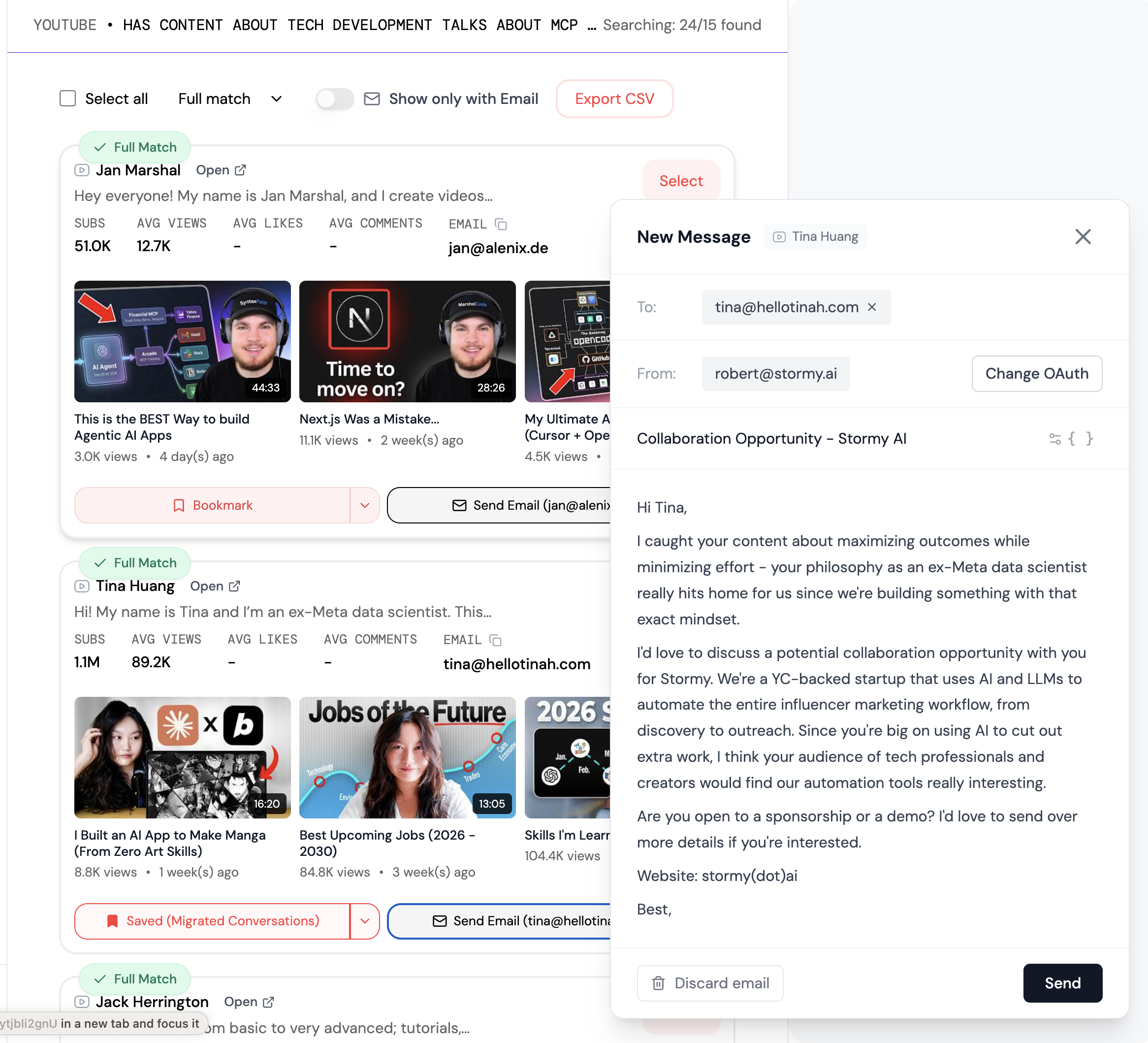
Tools like Stormy AI can be instrumental here. When you launch a localized SaaS, you need to find micro-influencers and creators who speak the local language and have a following in that specific territory. Using Stormy's AI search engine, you can specifically look for "French tech creators" or "Spanish-speaking productivity influencers." Instead of guessing who the local thought leaders are, you can find and outreach to them at scale with personalized emails that mention their specific local content.
Technical Considerations: Beyond the Translation

Successful language arbitrage requires a professional technical setup. If your site looks like it was run through a basic version of Google Translate, you will lose trust instantly. You need to consider the entire user journey through a local lens. This includes everything from payment gateways to currency formatting and customer support.
Localization Checklist:
- Hreflang Tags: Ensure your technical SEO is set up so search engines know which language version to show to which user.
- Local Payment Methods: While Stripe works globally, some markets prefer local options like iDEAL in the Netherlands or Pix in Brazil.
- Localized UI/UX: Remember that some languages are longer than English (German) and others read right-to-left (Arabic). Your vibe-coded layouts need to be flexible enough to accommodate these changes.
- Local Customer Support: Even if you use AI for support, ensure the AI agents are trained on local terminology and cultural norms.
Conclusion: The Low-Competition Path to $10k MRR
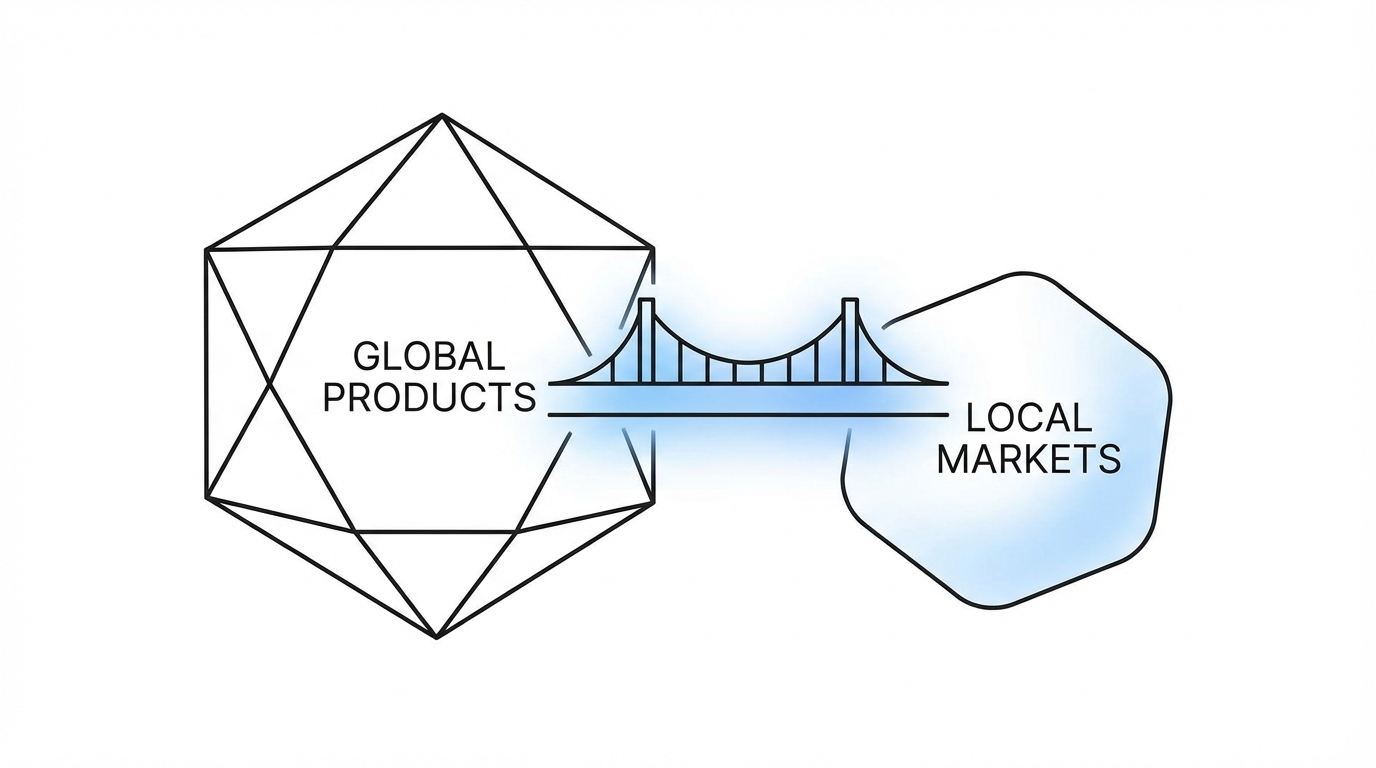
The most profitable micro SaaS ideas for 2026 aren't necessarily the most technologically advanced ones. They are the ones that recognize the asymmetry of information and competition between global and local markets. By identifying an English-language tool with a high Product-Market Fit and porting it into a high-demand, low-competition language, you are essentially buying low and selling high in the world of digital real estate.
Stop fighting for the same 1,000 keywords that every other Y-Combinator hopeful is targeting. Look at the "Sea of Green" in the French, German, or Spanish markets. Use Stormy AI to find the local creators who will help you launch, and build a localized brand that people in that territory can actually trust. In a world where AI has made coding easy, the real unfair advantage is knowing exactly where the competition isn't looking.