The Labubu Playbook: How PopMart Leveraged Lisa from Blackpink and Influencer Seeding in 2026
Discover how PopMart turned a $20 Labubu toy into a $44 billion global craze using influencer seeding, mimetic desire, and the 2026 'ugly cute' marketing trend.
In the high-stakes world of consumer goods, we rarely see a $20 plush toy trigger a 700% stock surge and catapult its founder into the ranks of the world’s wealthiest individuals. Yet, as we navigate through 2026, the Labubu craze has done exactly that, transforming PopMart from a $7 billion niche collectible brand into a $44 billion global powerhouse according to recent market analysis. This wasn't an accident of luck; it was a masterclass in modern influencer seeding (often executed via platforms like Stormy AI), psychological triggers, and the calculated exploitation of 'mimetic desire.'
The Lisa Effect: Anatomy of a Viral Moment
A summary of how celebrity influence and economic trends converge to create viral success. How the portability and design of Labubu dolls transformed them into essential fashion accessories. Understanding the 'lipstick effect' and why consumers prioritize small luxuries during economic shifts. The initial discovery of Blackpink's Lisa showcasing her favorite collectible dolls to her fans.
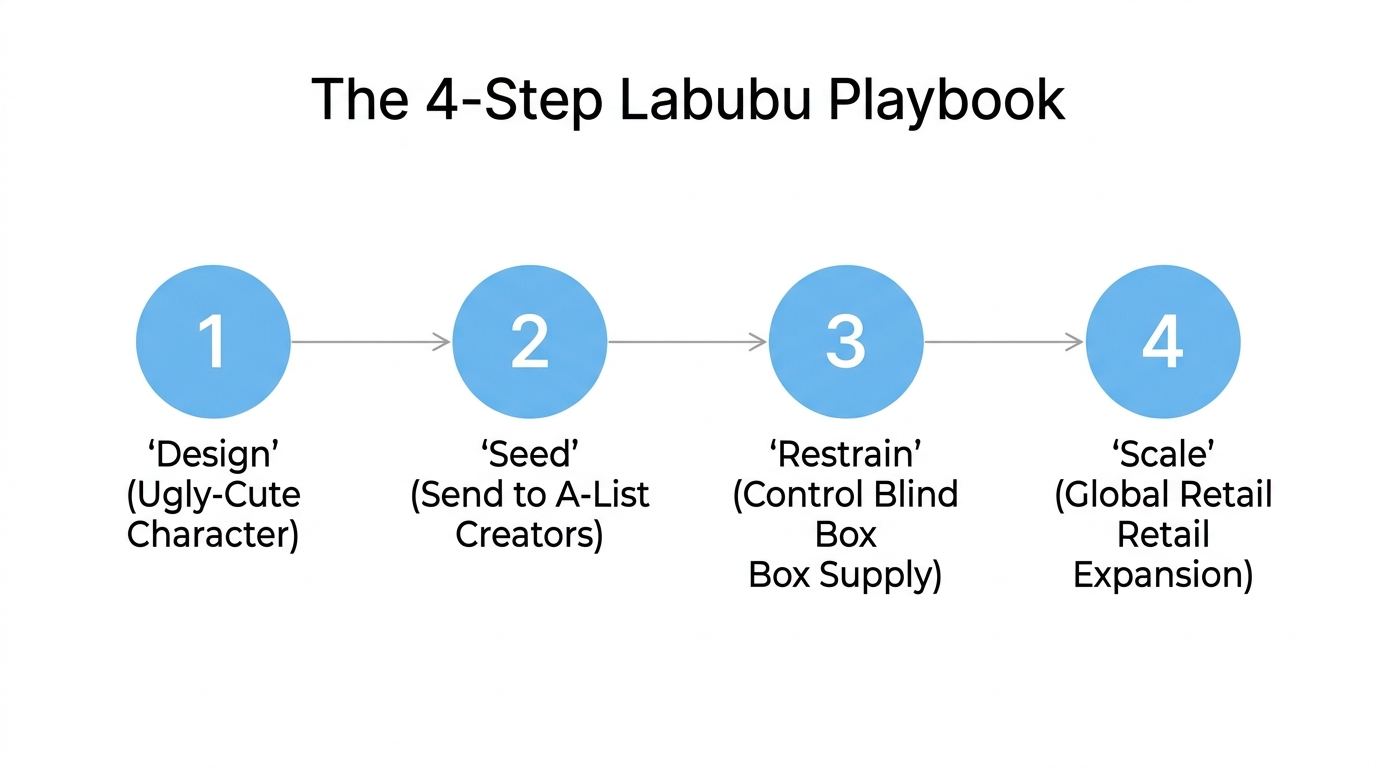
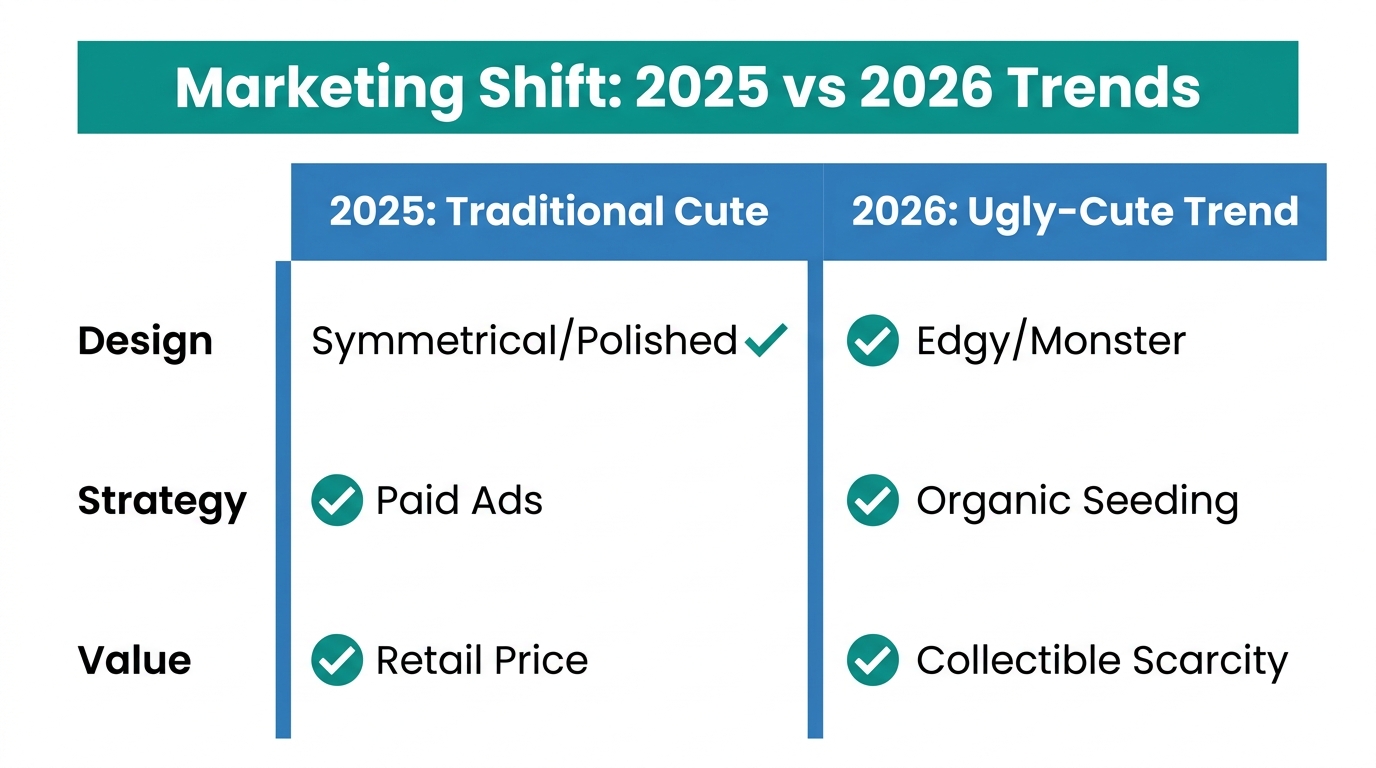
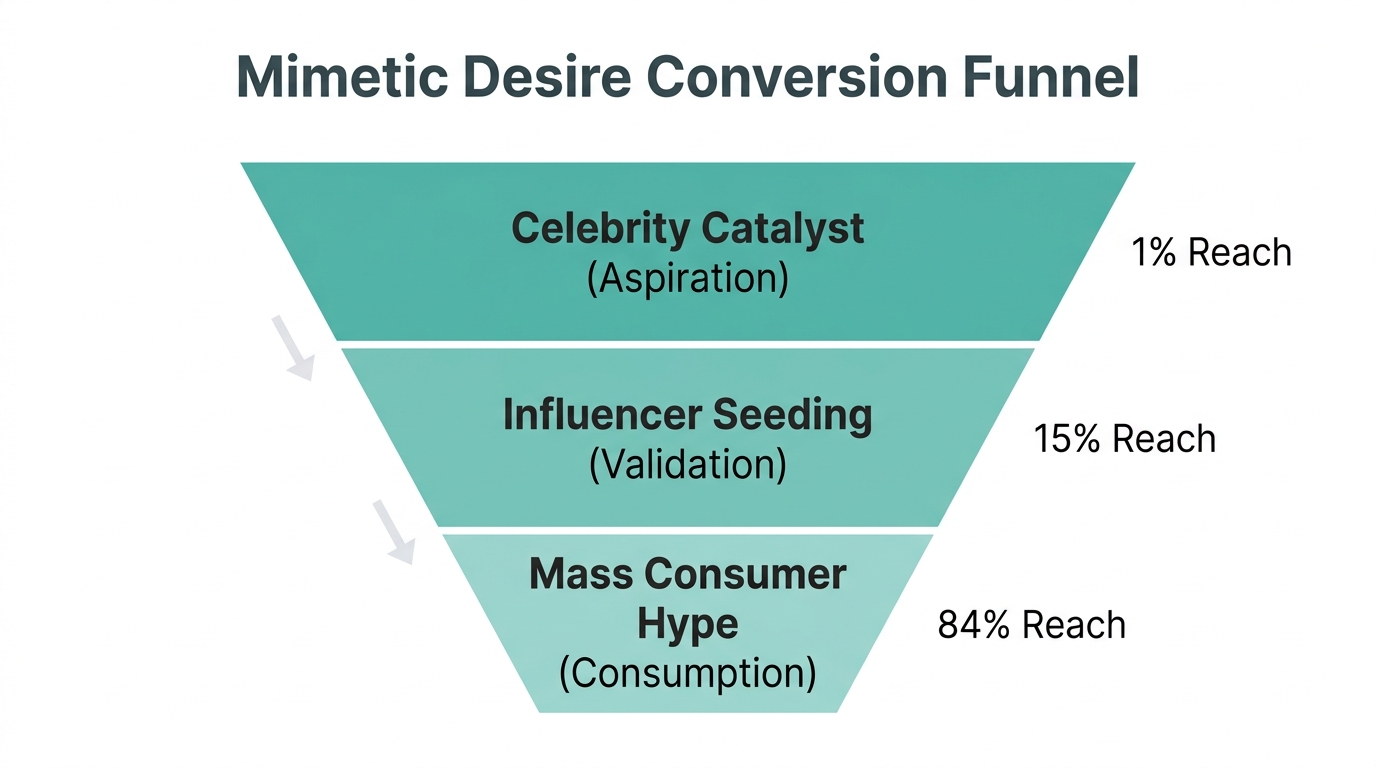
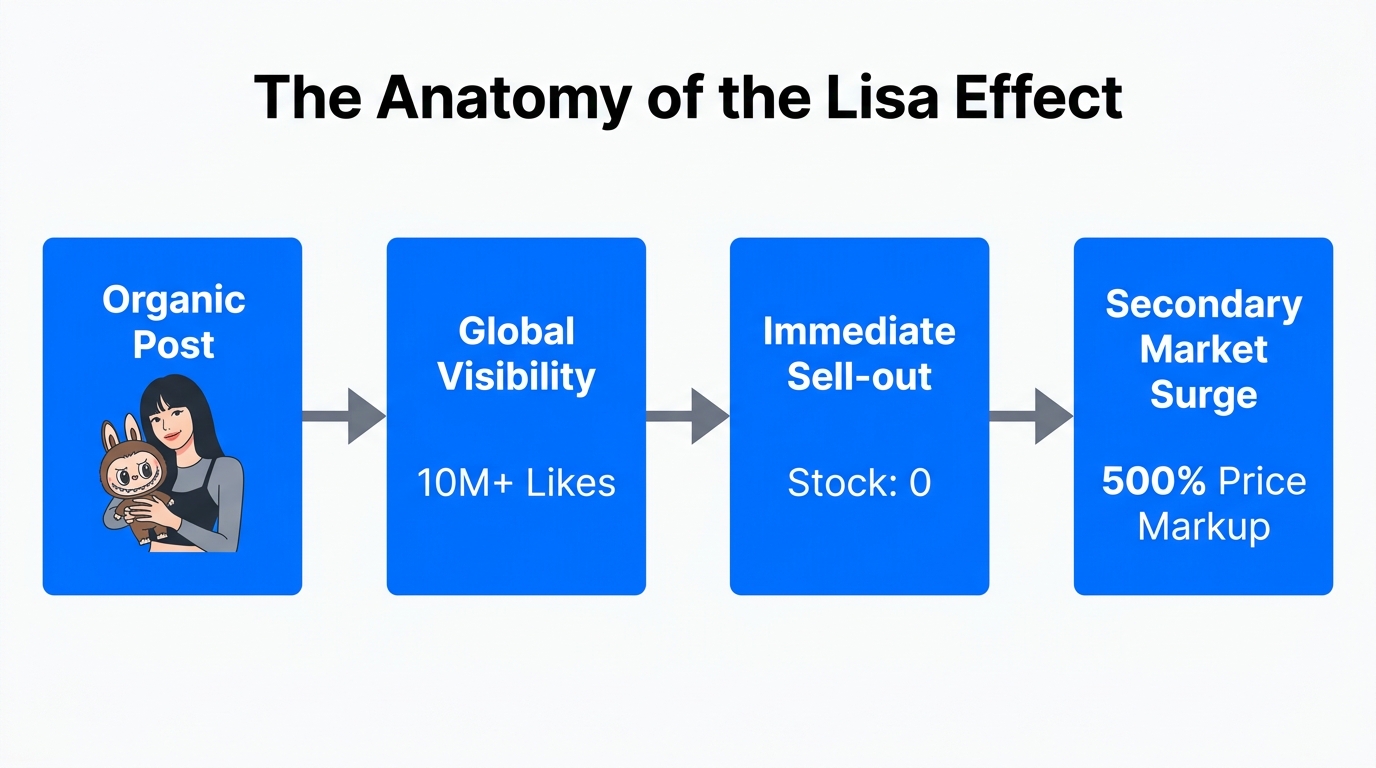
While PopMart had been building its infrastructure since 2010, the catalyst for its 2026 dominance was the strategic partnership with Lisa from Blackpink. By showcasing the Labubu pendant on her Instagram, the brand tapped into a global fanbase, proving that high-level influencer seeding on platforms like TikTok and Instagram remains the most potent weapon in a brand's arsenal. To replicate this success, savvy marketers are now using Stormy AI to identify "aesthetic-fit" creators who can drive similar viral velocity within specific subcultures.