The ecommerce landscape in 2026 is no longer about who can send the most messages, but who can orchestrate the most intelligent ones. With the global AI marketing market reaching a staggering $47.32 billion this year, the shift from basic automation to "agentic" execution is complete. For Shopify merchants, the most significant technical leap in 2026 is the mainstream adoption of Rich Communication Services (RCS) via Klaviyo. Unlike the static, 160-character limits of traditional SMS, RCS allows brands to build full-funnel, interactive experiences directly within the native texting app. While your marketing team focuses on these high-leverage creative flows, an AI ecommerce employee like Stormy AI handles the messy back-office tasks like inventory monitoring and supplier follow-ups in the background.
The Shift from SMS to RCS in 2026: Why It Matters
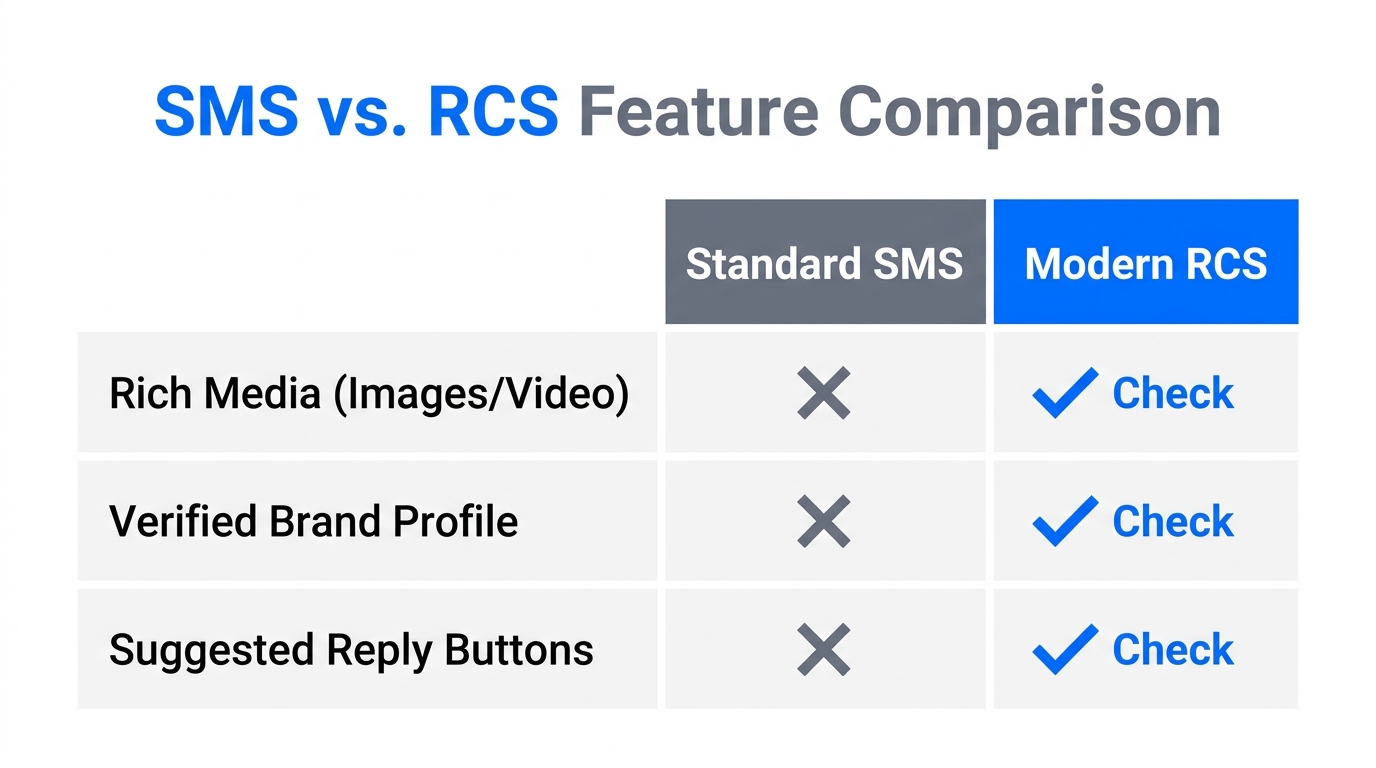
For years, SMS was the workhorse of mobile marketing, but it remained visually stunted. In 2026, the partnership between Google and Klaviyo has unlocked RCS Business Messaging for all Shopify Plus merchants. This isn't just "SMS with better images"; it is a paradigm shift. RCS provides verified sender identities (no more mysterious short codes), branded headers, and suggested reply buttons that reduce friction to nearly zero. According to market analysts at Insider Intelligence, AI-driven adoption among Shopify merchants has hit 42%, with those utilizing rich messaging seeing a significant lift in retention.
"The 2026 standard for mobile marketing is no longer a text message; it's a mini-app delivered straight to the customer's pocket."
The performance data is clear. Klaviyo’s 2026 Omnichannel Benchmark Report shows that automated flows now generate an average of $1.94 Revenue Per Recipient (RPR), while manual, one-size-fits-all campaigns have dwindled to just $0.11. By moving from SMS to RCS, brands are moving from "interruptive noise" to "interactive service." This evolution is supported by Stormy AI, which can monitor these conversion trends across Shopify and Amazon, flagging when a specific RCS campaign is outperforming your Meta Ads spend and suggesting budget reallocations.
| Feature | Traditional SMS | RCS (2026 Standard) |
|---|---|---|
| Media Support | MMS only (compressed) | High-Res Video & Images |
| Interactivity | Text replies only | Quick-reply buttons & carousels |
| Verification | None (High spam risk) | Verified Branded Profiles |
| Read Receipts | Optional/Inconsistent | Standardized & Actionable |
Implementing Klaviyo’s Channel Affinity AI
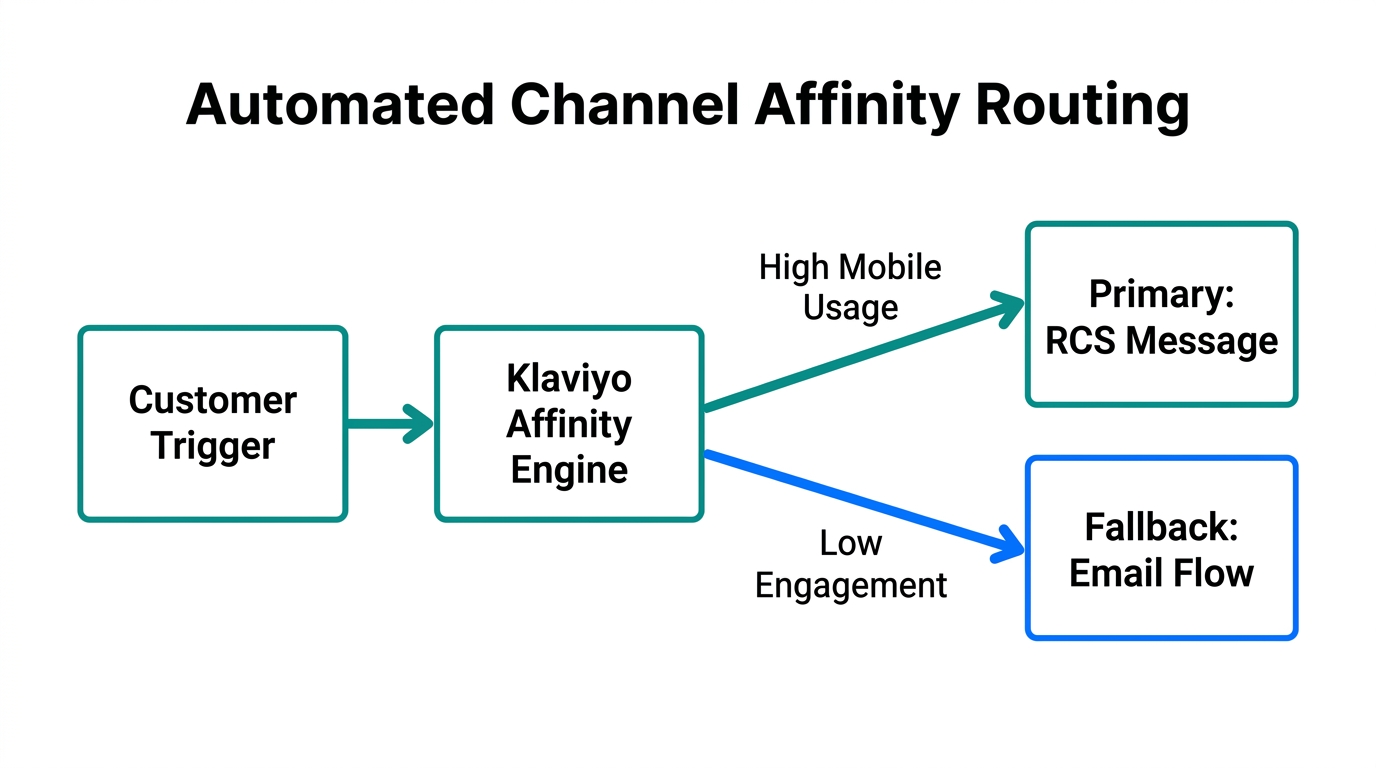
The biggest mistake a brand can make in 2026 is "blasting" every channel. Users are fatigued. Klaviyo’s new Channel Affinity AI solves this by autonomously determining the optimal path for every individual profile. This Agentic CRM logic analyzes historical open rates, click-through behavior, and conversion lag times to choose between Email, SMS, or RCS.
How Channel Affinity Works
Instead of building a linear flow that says "Send Email, then wait 2 days, then send SMS," you now build AI-Optimized Routing blocks. If a customer typically ignores emails but engages with high-res product carousels, Klaviyo will skip the inbox and trigger an RCS message. This level of personalization is why top-quartile programs are now achieving up to $8.71 ROI per $1 spent, according to data from HubSpot’s 2026 Marketing Report.
While Klaviyo optimizes the front-end delivery, Stormy AI acts as the necessary counterpart. While the AI is choosing to send an RCS message for a limited-edition drop, Stormy is monitoring your Shopify inventory levels in real-time. If the stock drops below a certain threshold, Stormy can instantly update a shared workbook or alert your supplier to prevent a stockout during the peak of the campaign.
Step-by-Step: Setting Up RCS Business Messaging via Google
Setting up RCS isn't as simple as toggling a switch; it requires a verified handshake between your Shopify store, Klaviyo, and Google's Jibe platform. Follow this 2026 playbook to get live:
- Navigate to Integrations: Inside your Klaviyo dashboard, go to Integrations > Explore Apps > Google RCS.
- Verify Brand Identity: You must upload your high-resolution logo (SVG preferred) and provide your official brand colors. This ensures that every text you send looks like a branded app interface.
- Enable Shopify Sync: Ensure your Klaviyo App Embed is "ON" in your Shopify Theme Settings to track real-time behavioral data.
- Configure Opt-In: Update your checkout settings to include the mandatory "RCS/SMS Marketing" consent checkbox. In 2026, privacy compliance is handled by AI, but the initial setup must be manual.
- Test the 'Mini-App' Flow: Use the Klaviyo previewer to see how your product carousels look on both Android and iOS (which finally added full RCS support in late 2024 as part of the iOS 18 update).
If this technical setup feels overwhelming, Stormy AI can manage the project. You can ask Stormy to "Check if the RCS integration is live and alert me if the logo isn't rendering correctly on mobile," allowing the AI agent to use its browser tool to verify your brand's presence across platforms.
"RCS is the end of the short-code era. If your message doesn't have a verified checkmark and a branded header in 2026, your customers won't even open it."
Global Expansion: Using Locale Aware Catalogs
For brands operating in Shopify Markets, the struggle used to be duplicating data. In 2026, Klaviyo's Locale Aware Catalogs have eliminated this. Instead of having separate catalogs for the US, UK, and EU, Klaviyo now uses a single source of truth that automatically adjusts pricing, currency, and language based on the recipient's profile data.
This is critical for RCS flows. When an international customer receives a "Back in Stock" alert, the RCS card will show the price in their local currency and the description in their local language without you needing to build 50 different versions of the message. This deep integration is a key reason why Klaviyo's 2026 revenue is projected to hit $1.509 billion, according to reports on Seeking Alpha.
Designing Interactive Mini-App Experiences
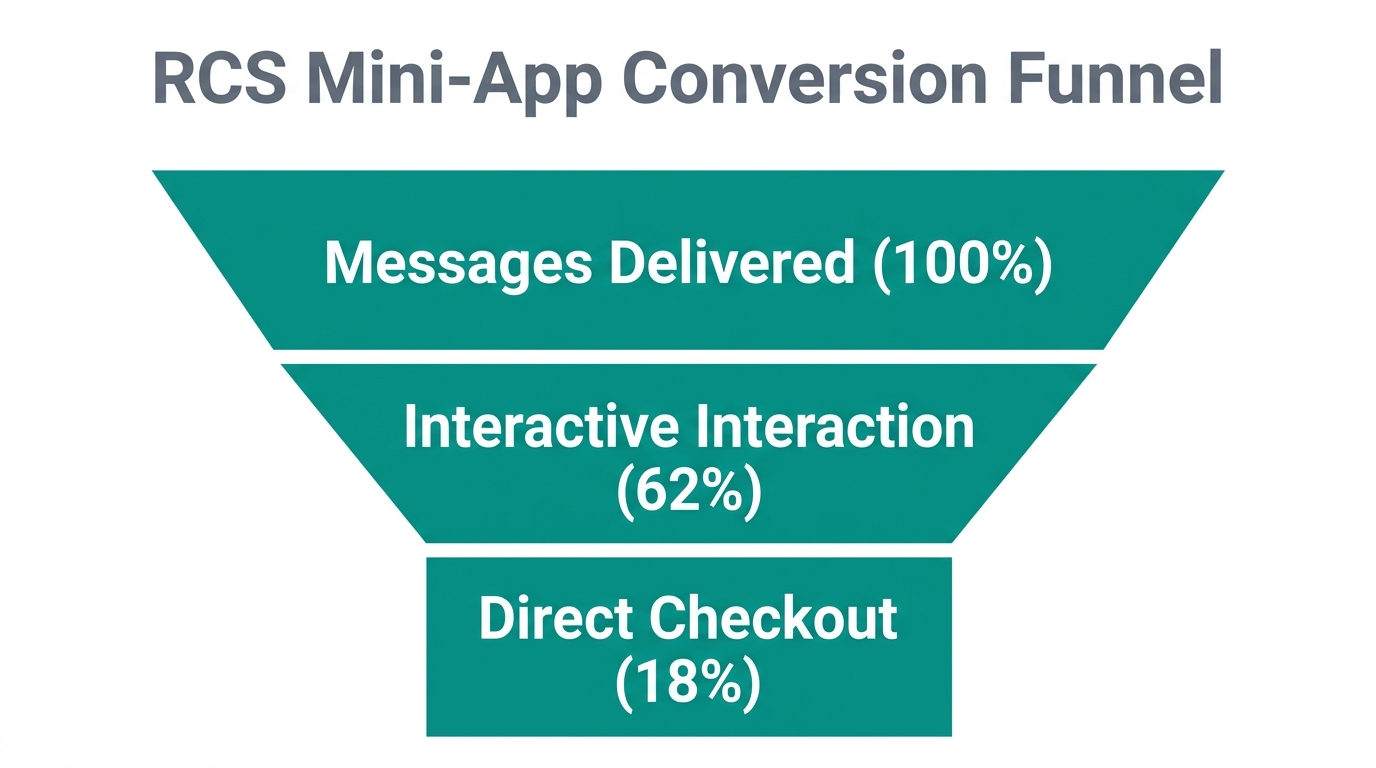
RCS allows you to move beyond "Click this link" to "Complete the action here." In 2026, the most successful Shopify brands are using these three RCS-specific designs:
- The 1-Click Carousel: Let users swipe through 10 different variants of a product and select their size without leaving the text window.
- The Survey Collector: Use quick-reply buttons to gather Zero-Party Data. Ask "What's your skin type?" and have the answer instantly update the Klaviyo profile.
- The Native Order Tracker: Instead of sending a tracking link, embed a live map and status bar directly in the thread.
By leveraging tools like Gorgias for human escalation and the Klaviyo Customer Agent for automated support, you can turn a simple shipping update into a shopping opportunity. If a customer asks "Where is my order?" via RCS, the AI agent can handle the lookup and then offer a personalized discount for their next purchase.
The Role of Stormy AI: Making Multi-Channel Work
While you are mastering the front-end with RCS and Klaviyo, the "messy back office" still needs to run. This is where Stormy AI proves its value as an autonomous teammate. While Klaviyo is busy routing emails and texts, Stormy is performing the following tasks:
- Ad Audit: Pulling performance from Meta Ads and Google Ads to ensure your multi-channel messaging matches your top-of-funnel spend.
- Supplier Follow-up: If an RCS 'Drop' is so successful it risks a stockout, Stormy wakes up, checks the spreadsheet, and emails your supplier to expedite the next PO.
- Creator Ops: Stormy discovers creators on TikTok Shop and manages the outreach, ensuring that your RCS messaging includes the latest UGC from your affiliate partners.
By delegating the operations to Stormy AI, the founder can focus on the 2026 imperative: strategy and brand voice. As Andrew Bialecki, Klaviyo CEO, noted in Seeking Alpha, the goal is for every experience to be delivered autonomously while remaining deeply personal.
The 2026 Playbook Summary
Mastering RCS in 2026 requires a shift in mindset. You are no longer just a "sender"; you are a "designer of experiences." By combining Klaviyo’s Channel Affinity AI with Shopify’s Locale Aware Catalogs, you can scale a global brand with a fraction of the headcount used in 2024. But remember: the front-end experience is only as good as the back-office reliability. Ensure you have an AI ecommerce employee like Stormy AI keeping the operations running while your customers enjoy the seamless, mini-app world of RCS Business Messaging.