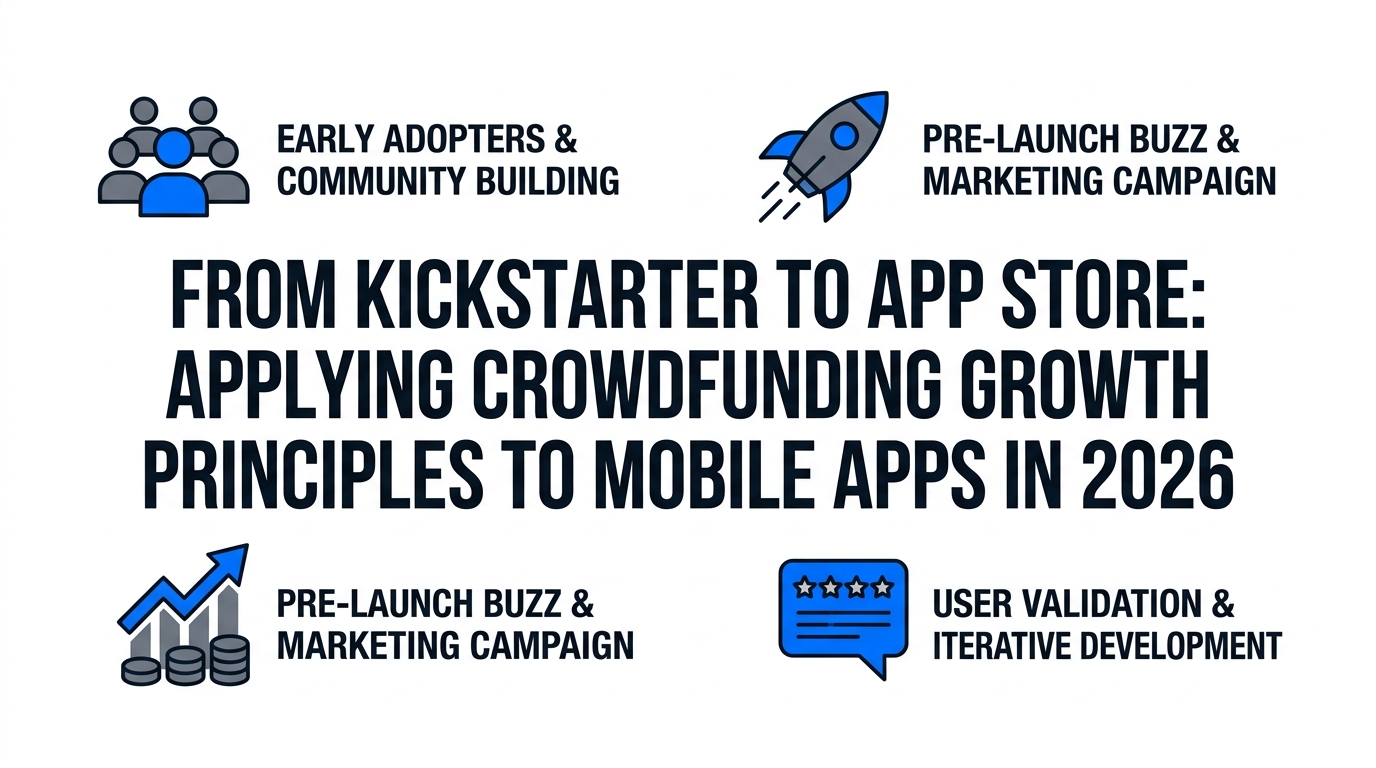
The traditional "build it and they will come" model for mobile apps is officially dead in 2026. With millions of applications competing for attention, the average cost per install has skyrocketed, leaving indie developers and startups struggling to gain traction. However, a new breed of entrepreneurs is flipping the script by applying physical product marketing expertise—specifically crowdfunding mechanics—to digital products. Take Ombberto, the founder of Floa, who ignored the standard free-trial playbook and instead generated $120,000 in just 24 hours during his pre-launch phase. This strategy isn't about luck; it is about a specific product validation framework that prioritizes community commitment over passive downloads.
The Physical-to-Digital Leap: Moving Beyond the Yoga Deck
See how lessons from 2016 crowdfunding shaped a successful transition to digital app launches.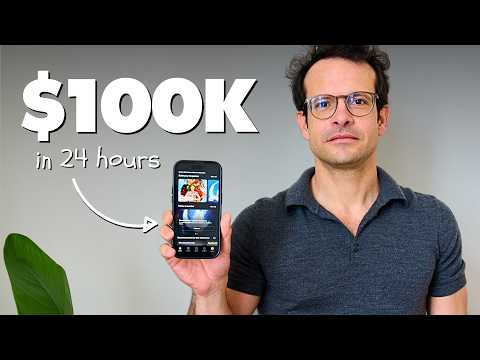
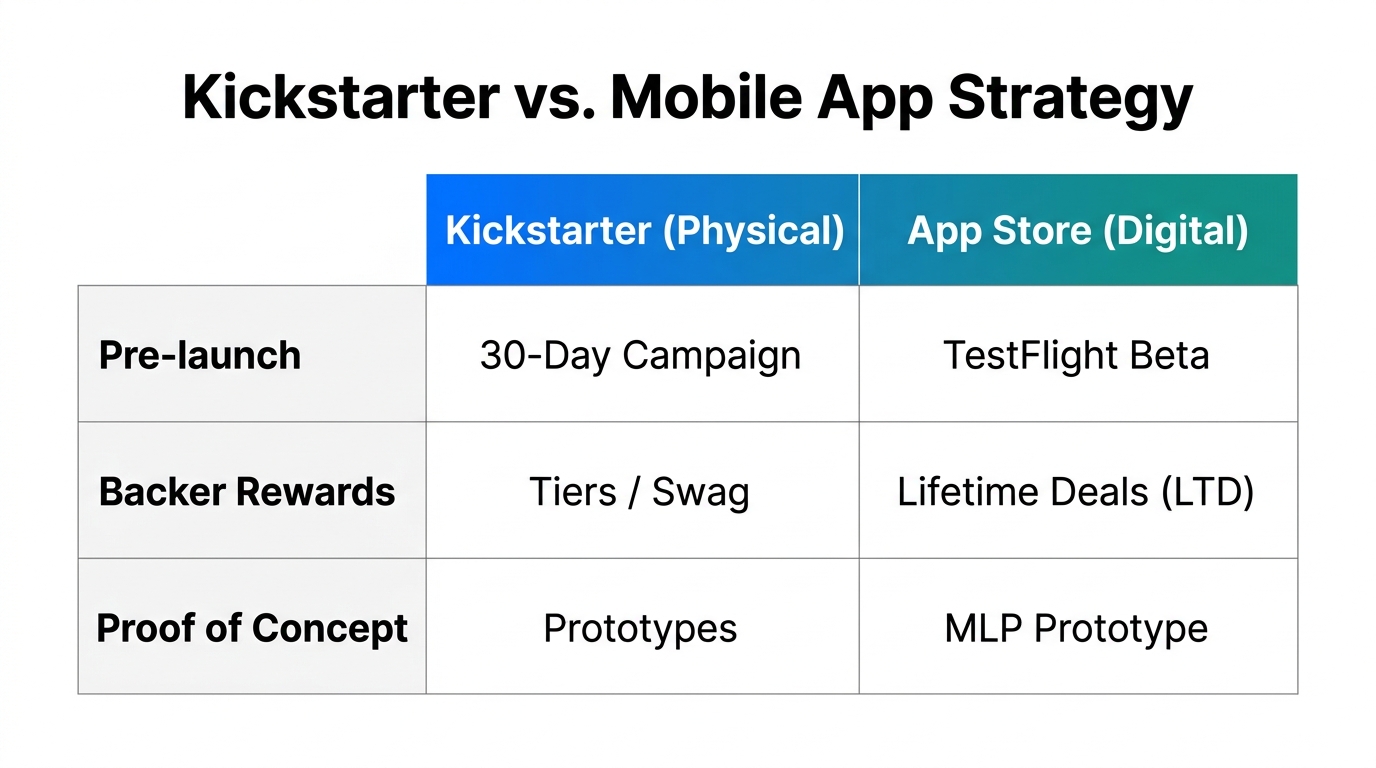
Before Floa became a thriving mobile app, it existed as PlayosB, a brand focused on physical yoga decks. These cards helped practitioners build sequences without the distraction of a screen. When Ombberto decided to transition into the digital space, he faced a massive challenge: how do you move into the "screen world" without losing a community that specifically bought into a screen-free philosophy? The answer lies in the Kickstarter marketing strategy 2026: leveraging the trust and mindful core of the original brand to evolve the product into something bigger.
"The question was what if I took everything we created from the physical business and transform it with technology without losing the mindful core?"
Many founders make the mistake of abandoning their roots when moving to software. Instead, successful launches in 2026 treat the app as an evolution of a solution, not just a new piece of code. By starting with a physical audience, Ombberto already had a pool of users who understood his value proposition. This transition allows for a "warm" entry into the App Store, where you aren't fighting for every single keyword but rather migrating a loyal tribe. If you are starting from scratch, you can replicate this by building a community on platforms like TikTok or Instagram before the first line of code is ever written.
The 2026 Product Validation Framework: The 'Mom Test'
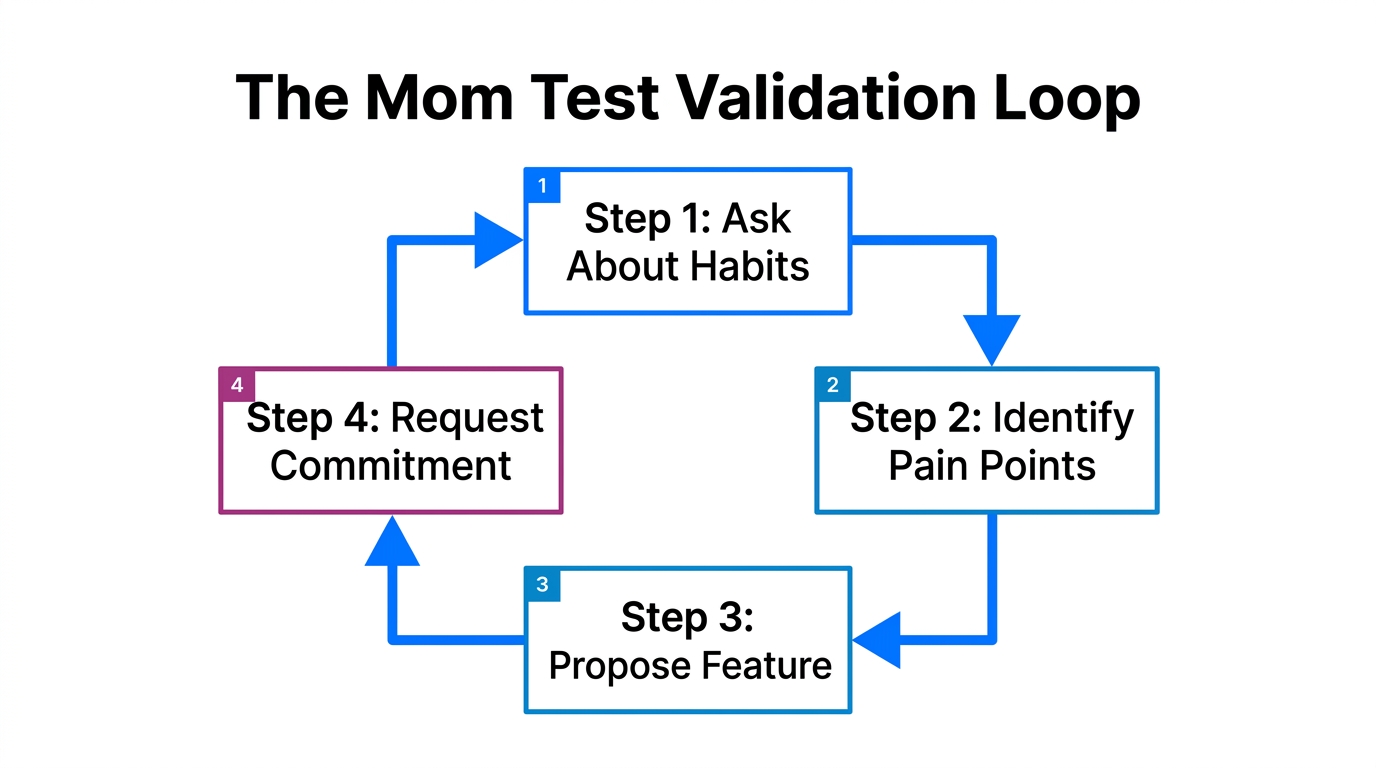
Validation in 2026 is no longer about asking friends if they like your idea. Friends lie because they don't want to hurt your feelings. The real product validation framework involves unbiased, high-stakes conversations. Ombberto points to 'The Mom Test' as the gold standard for this. The goal is to talk to 5-10 people in your target market about their problems without ever mentioning your specific solution.
For Floa, this meant asking yoga teachers about their daily workflow and sequencing struggles. By the time they started building, they knew exactly which features were essential and which were fluff. This process saves thousands of dollars in development costs and ensures you are building something people actually want to pay for. This is the cornerstone of any creator economy growth tactic: solving a problem that has already been articulated by the community.
Defining the 2026 Minimum Launchable Product (MLP)
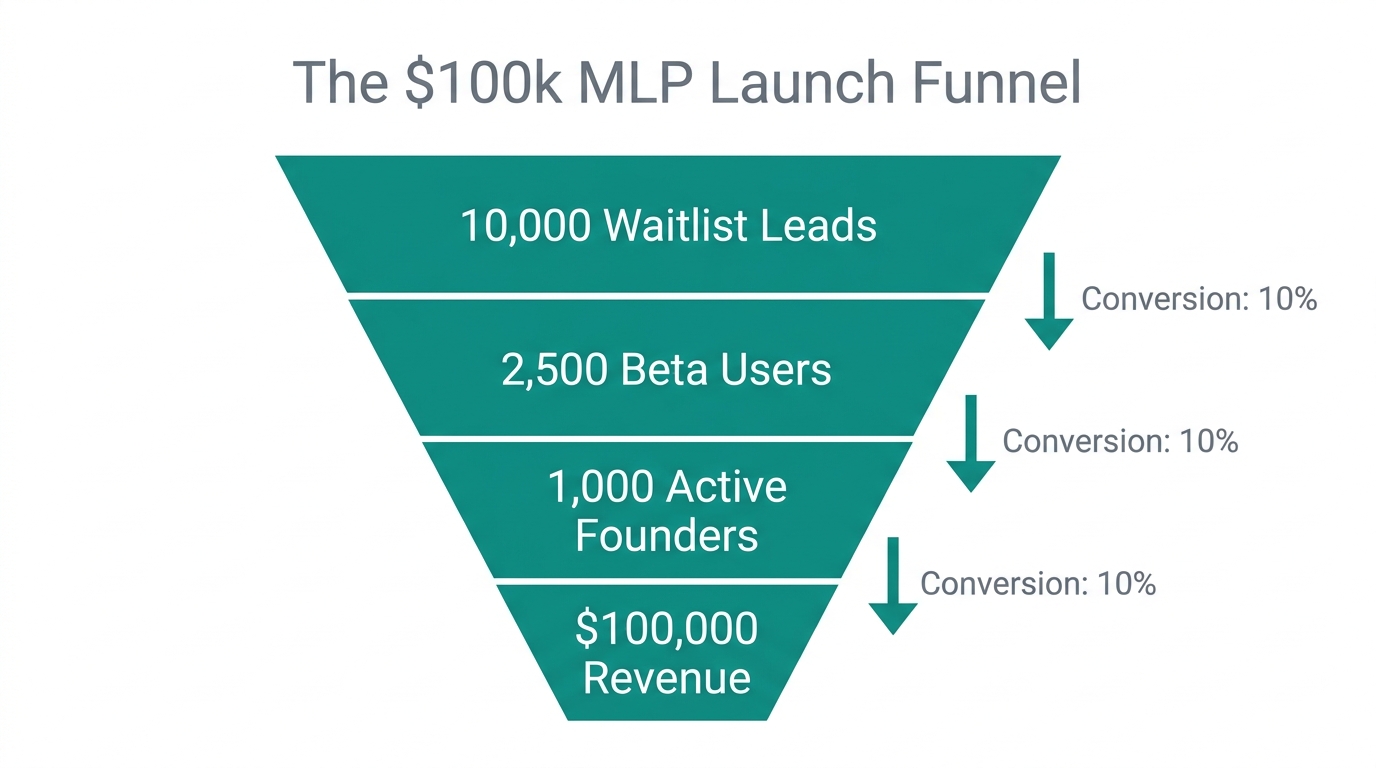
In the past, we talked about the Minimum Viable Product (MVP). In 2026, that has been replaced by the Minimum Launchable Product (MLP). The difference? An MVP is about functionality; an MLP is about monetization. It is the smallest set of features that a user will actually pull out their credit card for upfront. For the Floa app, this was the sequence builder—a simple, intuitive tool that provided immediate value to teachers.
| Feature Category | MVP (Viable) | MLP (Launchable) |
|---|---|---|
| Functionality | Basic tools that work. | Value-driven features users pay for. |
| Feedback Loop | Internal testing. | Paid early adopters in a Telegram/Discord. |
| Revenue | Zero/Free trials. | Immediate cash flow via Lifetime Deals. |
The psychology here is simple: if someone pays for your product before it is fully finished, they are invested in your success. They become your beta testers, your bug reporters, and your biggest advocates. As Ombberto noted, these users aren't just customers; they are a revenue engine that sustains the development of the long-term vision. This is the most effective mobile app GTM strategy because it removes the guesswork from your roadmap.
Building the 'Content Machine' Buffer
Discover how publishing development updates on your blog builds a content machine for launch.One of the biggest mistakes app founders make is starting their marketing the day the app goes live. In 2026, your marketing must be finished before your app is. You need a Content Machine buffer—a library of emails, landing pages, and creatives ready to fire on a schedule. This is where you build the "Red Curtain" effect. You don't reveal everything at once; you create curiosity and anticipation through storytelling sequences.
"Perfection is just fear disguised as preparation. The real breakthrough happens when you put something unfinished in front of real people."
To fuel this content machine, many successful founders turn to User-Generated Content (UGC) and influencer partnerships early. For example, using Stormy AI allows you to discover creators who align with your niche (like yoga instructors for Floa) and reach out to them before you even launch. By having these creators talk about the *problem* you're solving while you are still in development, you build a massive lead-gen list. Tools like Canva and CapCut are essential here for turning that creator footage into high-converting ads and social posts.
The Lifetime Deal (LTD) Pricing Psychology
Break down the three-tier pricing model designed to overcome user skepticism and maximize revenue.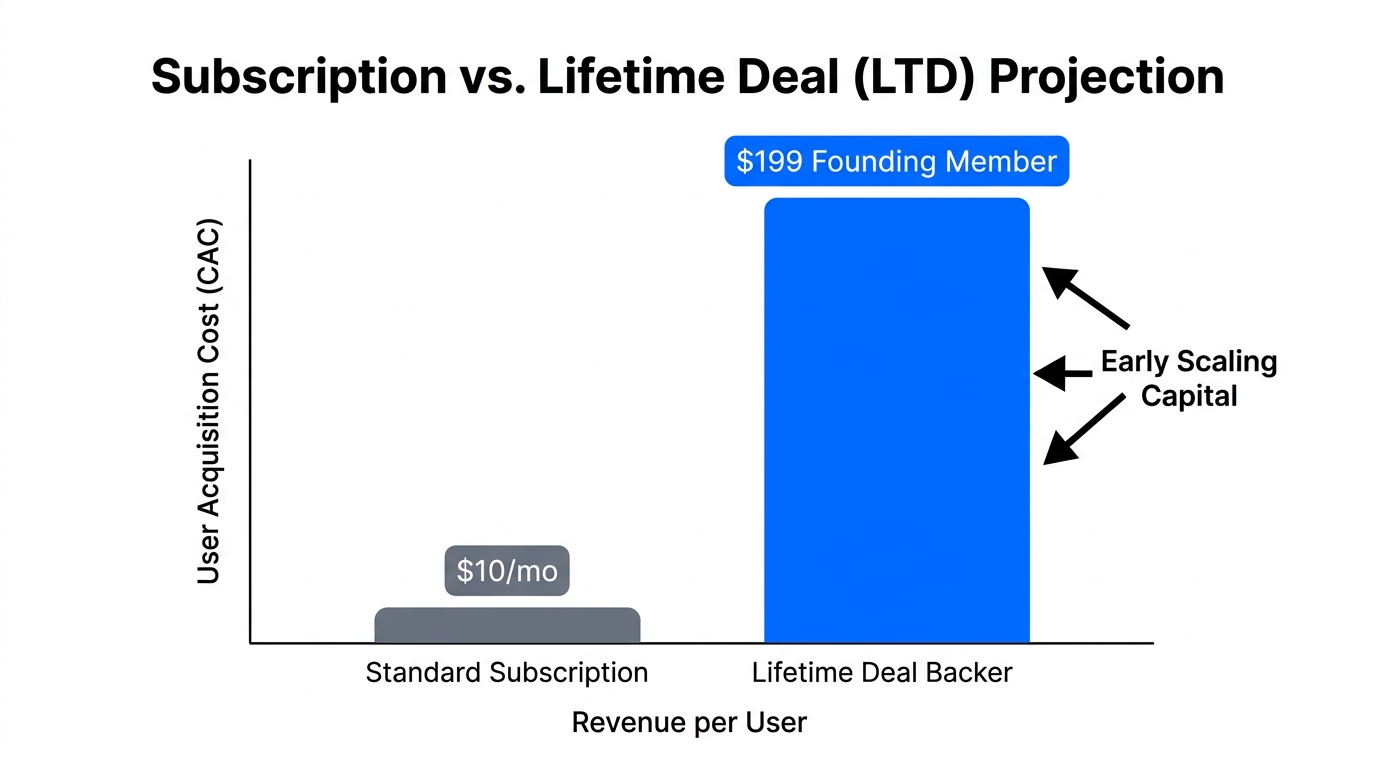
Why did Floa make $120,000 in 24 hours? Because they used a tiered Lifetime Deal (LTD) strategy. While VCs might hate this because it "forgoes future revenue," for a bootstrapped founder in 2026, it is the ultimate way to raise capital without giving away equity. It’s essentially a customer-funded seed round, similar to the early days of AppSumo campaigns.
Ombberto’s pricing strategy used price anchoring to drive conversions:
- Tier 1 ($109): Access to basic features.
- Tier 2 ($199): More features (The "Decoy").
- Tier 3 ($349): Full vision, all future features.
Most users will gravitate toward the highest tier because they want to "own" the future of the product. This creates commitment over optionality. A monthly subscriber can leave the moment they find a bug; a lifetime buyer will email you to help you fix it. This is a crucial digital product launch playbook step that builds a foundation of hardcore fans who will spread the word about your app better than any paid ad campaign.
The 2026 Tech Stack for Rapid Launch
To execute a launch this fast, you cannot get bogged down in technical debt. The modern stack for a $100k launch usually looks like this:
- Frontend: Flutter for cross-platform efficiency.
- Backend: Firebase for quick scaling (costing as little as $25/month).
- Monetization: RevenueCat to handle complex subscription and LTD logic.
- Growth: Stormy AI for sourcing UGC creators and managing influencer outreach.
By using these tools, you can focus on the marketing and the product vision rather than spending six months building a custom backend. In the 2026 creator economy, speed is the ultimate competitive advantage. You want to ship earlier and trust the feedback process rather than waiting for a "perfect" product that might never find an audience.
Conclusion: Ship Earlier, Move Faster
The lesson from Ombberto and Floa is clear: Don't wait for perfect. By applying physical product launch principles—like the Kickstarter marketing strategy 2026—to your mobile app, you can bypass the slow grind of the App Store and start with a massive injection of cash and community. Validate your idea using the Mom Test, build your content machine ahead of time, and don't be afraid to offer a Lifetime Deal to your most loyal early adopters. If you’re ready to scale that community after your launch, platforms like Stormy AI can help you find the right influencers to take your app from $100k to millions in recurring revenue. Stop preparing and start shipping—your community is waiting.