In the fast-moving landscape of 2026, the old playbook for Consumer Packaged Goods (CPG) is not just outdated; it is obsolete. Gone are the days when a multi-billion dollar conglomerate could simply outspend the competition on 30-second Google Ads or TV spots to win market share. Today, the most successful brands are born from cinematic storytelling and built by creators who understand that the internet no longer just consumes content—it speaks video as its native tongue.
The launch of Joyride, the candy brand fronted by Ryan Trahan, serves as the definitive case study for this shift. By moving away from the loud, spectacle-heavy stunts that defined the early 2020s and leaning into high-production, narrative-driven filmmaking, Trahan has provided a blueprint for creator-led CPG brands that are currently disrupting the market. This isn't just about having a large audience; it's about reimagining the product launch as a cinematic event.
Analyzing the 'We Need to Talk' Video: Why Cinema Beats Traditional Ads
 16:30
16:30When Ryan Trahan released the video titled "We Need to Talk" to promote Joyride, it wasn't just another product announcement. It was a 12-minute masterclass in cinematic product commercials. While most brands struggle to keep a viewer's attention for 15 seconds on TikTok Ads Manager, Trahan's launch video has amassed over 6.5 million views, with average view durations that would make a Hollywood producer envious.
"The internet speaks video. If you suck at making video in 2026, you're essentially speaking a second language in a world that has moved on without you."
The success of the Joyride marketing strategy lies in its refusal to feel like an advertisement. Instead of listing features or using high-pressure sales tactics, the video uses meticulous sound design, purposeful color grading, and a scripted narrative. This approach taps into a growing consumer demand for quality over raw, unedited content. As the pendulum swings away from the hyper-raw User Generated Content (UGC) of 2024, the 2026 audience craves the vibe and polish of cinema.
The Shift from Spectacle-Based Stunts to Likable Narrative
5:30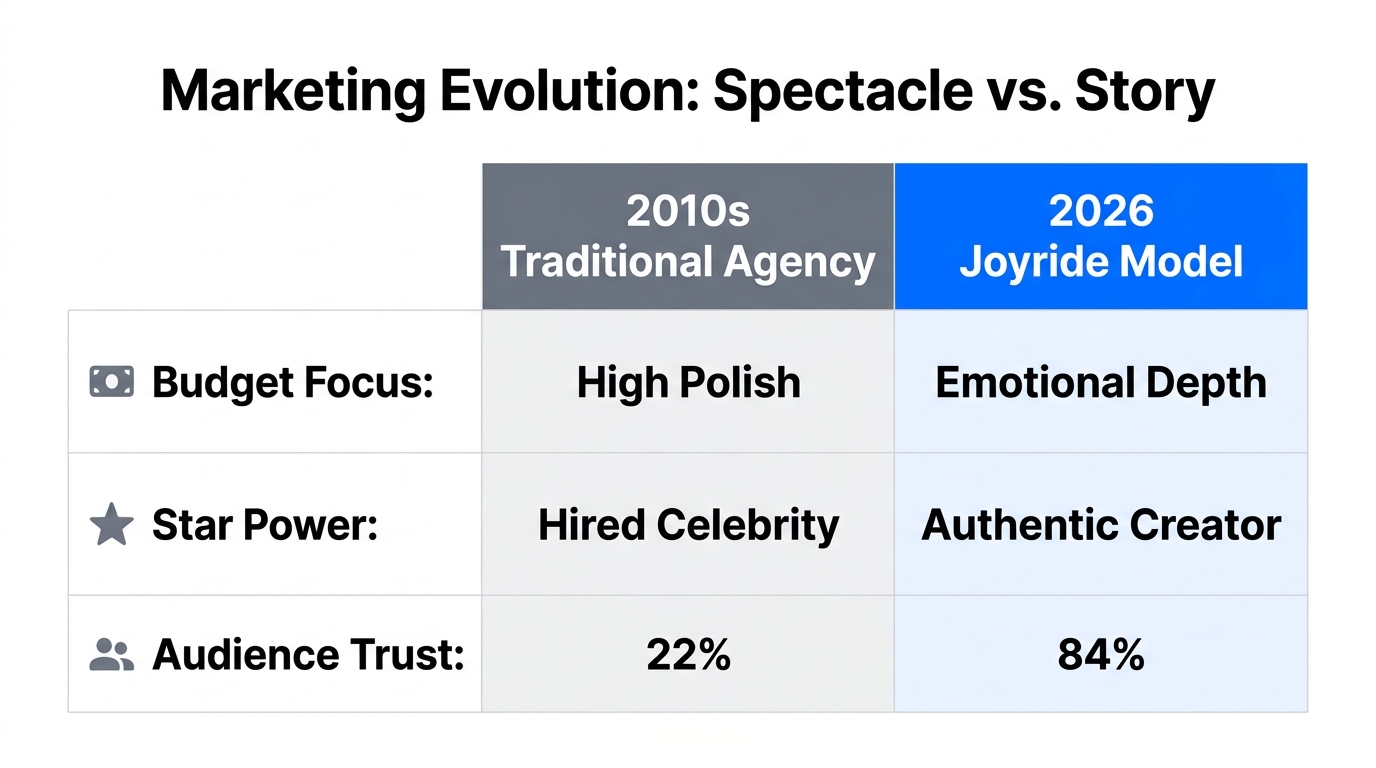
For years, the creator economy was dominated by the "MrBeast-ification" of content—bigger explosions, crazier stunts, and more expensive prizes. However, Ryan Trahan brand building represents a pivot toward spectacle-to-story transitions. Trahan is famous for his stunts, such as walking across the country or the famous 'Penny Challenge,' but the moment his videos begin, the focus shifts to his quirky, likable, and relatable persona.
This transition is vital for physical product launches. A stunt gets the click, but the narrative builds the brand equity necessary to sell a $5 bag of candy. Trahan doesn't take himself too seriously, which creates a level of trust that traditional ad agencies cannot replicate. He isn't a spokesperson for Joyride; he is the protagonist of the Joyride story.
| Feature | Traditional CPG Marketing | Joyride (Creator-Led) Strategy |
|---|---|---|
| Creative Hook | Product features and benefits | Narrative-driven cinematic hooks |
| Audience Connection | Broad demographics via TV/Social | Deep trust with a built-in community |
| Production Style | Generic, agency-produced polish | Auteur-driven, cinematic storytelling |
| Longevity | Short-term campaign cycles | Long-term brand ecosystem |
Why Traditional Ad Agencies are Struggling Against Creator-Led Houses
In the current market, traditional ad agencies are finding it nearly impossible to compete with creator-led production houses like Sticks or the talent emerging from platforms like Creator Camp. These new-age studios are making videos for $100,000 that generate millions in sales—a feat that old-school agencies often fail to achieve even with multi-million dollar budgets.
The reason is simple: Creators are the native speakers of the internet. They understand the specific visual grammar that resonates with Gen Z and Gen Alpha. For example, creators like Wesley Wang, who gained 9 million views on a $30,000 high school film titled "Nothing Except Everything," are being scouted by major production houses like A24 because they can achieve cinematic excellence on a fraction of the budget.
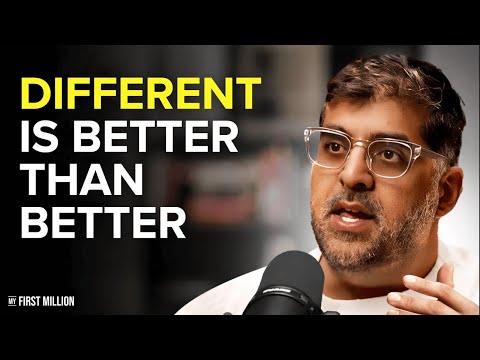
"Different is better than better. You don't need a bigger budget; you need a more distinct visual language that makes people say, 'I don't care about the product, but I can't stop watching this.'"
Agencies often rely on a "boomer" style of video—static cameras and talking heads—which feels like typing with two fingers in a world of professional keyboardists. To scale in 2026, brands are moving their budgets to platforms like Stormy AI to discover and vet the next generation of cinematic creators who can bring this level of artistry to their campaigns.
The Business of Cinematic Niches: The Iron Snail and Michael McElvee
It’s not just the mega-creators like Trahan who are winning. Niche creators are using cinematic techniques to dominate specific categories. Consider The Iron Snail, a creator who makes high-production films about the history of jeans and selvedge denim. Even though the topic is hyper-niche, his videos consistently outperform his subscriber count because the visual rhythm is so compelling.
Similarly, Michael McElvee has revolutionized sports content by applying a filmmaker’s lens to the NFL. These creators prove that any industry—from tax law to CPG—can be reimagined through cinematic video. By using a platform like Stormy AI, brands can find these "baby geniuses" before they are signed to major labels, allowing for high-ROI partnerships that leverage high-quality aesthetics.
How to Leverage a Massive Audience for High-Conversion Launches
13:00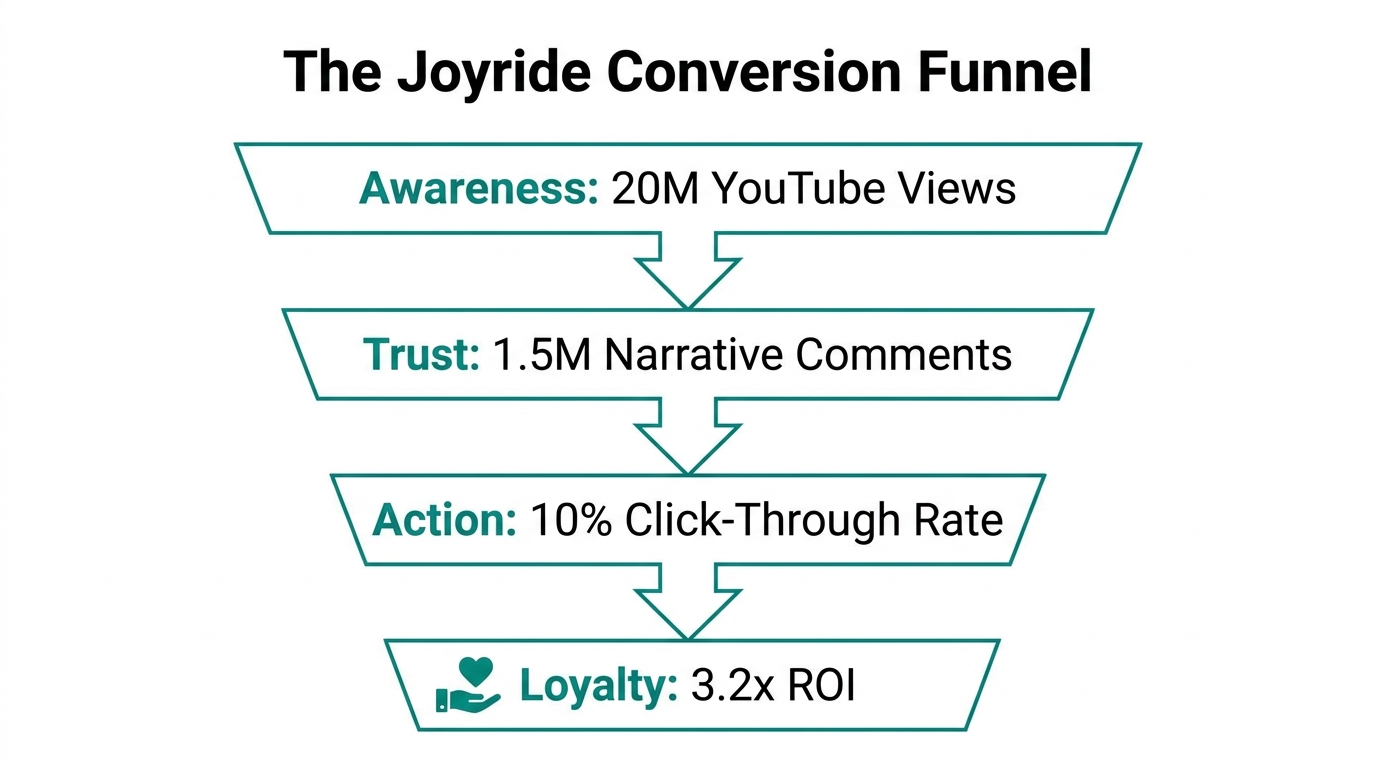
Having 20 million subscribers is a massive advantage, but it doesn't guarantee a successful CPG launch. Joyride succeeded because it integrated the product into the creator's existing content flywheel without breaking the fourth wall. The audience wasn't being sold a candy; they were being invited to participate in a new chapter of Ryan Trahan's career.
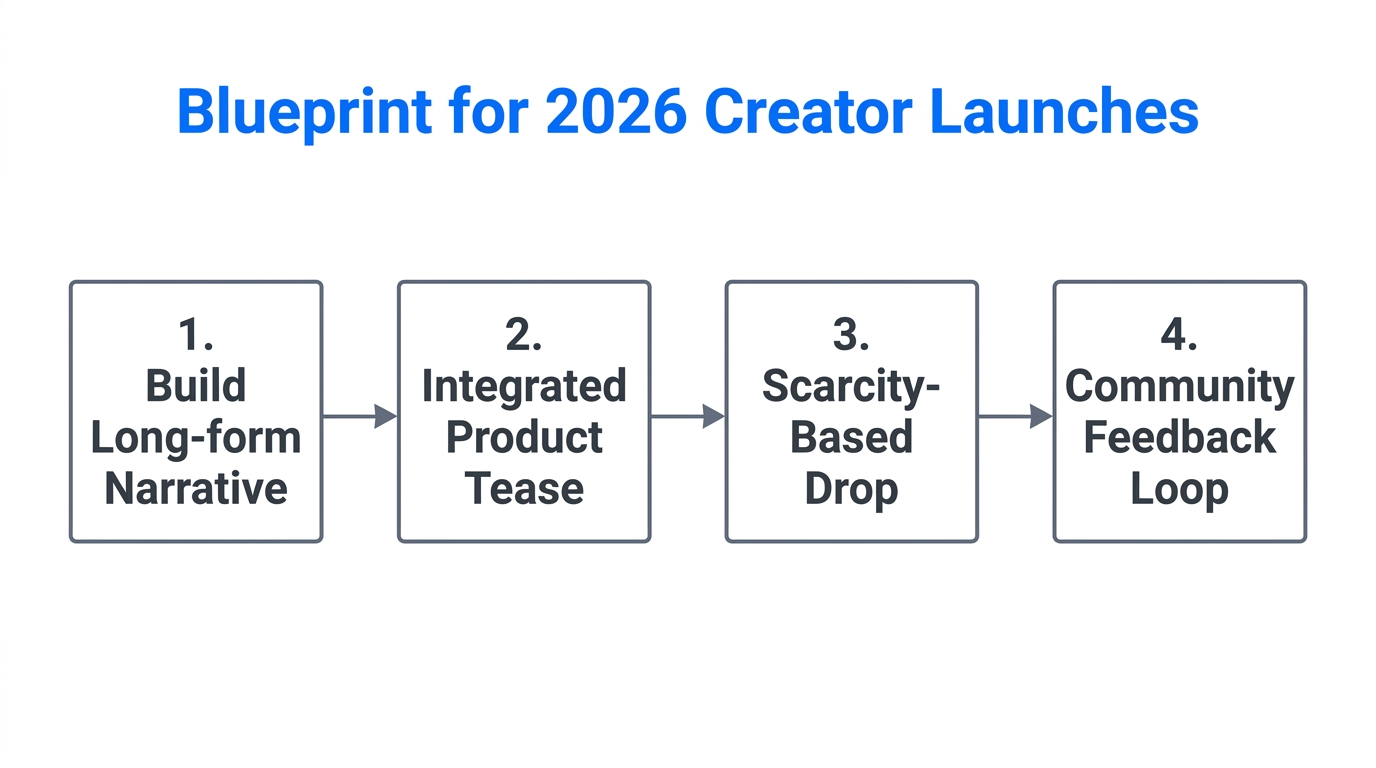
Step 1: Build the Narrative Before the Product
Trahan didn't launch Joyride on day one. He spent years building a persona that was likable, vulnerable, and humorous. By the time the product launched, the audience felt a personal stake in its success. This is a core pillar of Ryan Trahan brand building.
Step 2: Use Spectacle to Drive Discovery
While the video focus is narrative, the thumbnail and title still use 'spectacle' to feed the algorithm. Using a cinematic thumbnail with a vague, intriguing title like "Nothing Except Everything" or "We Need to Talk" creates a 'curiosity gap' that drives clicks from non-followers.
Step 3: Automate the Outreach and Management
For brands looking to replicate this success without being a 20-million-subscriber creator themselves, the path forward involves mass-scale discovery of cinematic talent. Using an AI-powered engine to discover creators on Stormy AI allows companies to find hundreds of micro-influencers who speak this 'cinematic language' and manage their outreach through an automated AI agent.
The Future: Every Brand is Now a Film Studio
The success of Joyride and Ryan Trahan confirms that in 2026, every company is a media company. Whether you are selling selvedge denim, tax consulting, or sour gummy worms, your ability to communicate via cinematic video determines your market share. Traditional ad agencies are being replaced by creator-led production houses that prioritize story over spectacle and different over better.
As we look toward the rest of the year, the winners will be those who invest in the modern media and marketing stack. This includes high-production video, narrative storytelling, and the AI-driven infrastructure needed to manage these complex creator relationships at scale. The internet has spoken: the future is cinematic, and the old way of advertising is never coming back.