In the high-stakes world of 2026 entrepreneurship, where pivot-heavy startups often burn through venture capital without ever touching a physical asset, the story of John Bragg stands as a masterclass in grit, vertical integration, and aggressive market acquisition. Bragg isn't a Silicon Valley darling; he is a Canadian billionaire who built an empire on two seemingly unrelated pillars: blueberries and fiber-optic cable. His philosophy, centered on a refusal to retreat and an obsession with owning the 'boring' infrastructure that powers every industry, provides a timeless blueprint for building resilient businesses that can survive any market crash.
The 'No Reverse Gear' Mindset
 3:05
3:05The core of John Bragg’s philosophy is captured in a single, punchy line: "I have no reverse gear." This isn't just bravado; it’s a commitment to forward momentum regardless of the obstacles. Bragg’s journey began not with a sophisticated business plan, but with a teenager picking blueberries to pay for college. By his late teens, he was making thousands of dollars—a small fortune at the time—realizing that he could out-pick and out-work anyone in the field. When it came time to choose a career, he skipped teaching and family sawmills to bet everything on the humble wild blueberry.
"When things get hard, I just don't consider going backwards. I have to find a way through, even if it means reinventing the factory to fry onion rings."
As noted in the Farnam Street podcast, Bragg’s first major crisis occurred when a massive supply glut crashed blueberry prices. Instead of folding, he realized he was at the mercy of others because he didn't own the processing power. His solution? He built his own packaging and freezing plant under his company, Oxford Frozen Foods. Even when a subsequent frost left the factory nearly empty and creditors were circling, Bragg refused to shift into reverse. He pivoted to onion rings—a product he knew nothing about—simply to keep the lights on and the debts paid. This relentless forward motion is the primary driver of business growth tactics in 2026.
Vertical Integration: The Ultimate Insurance Policy
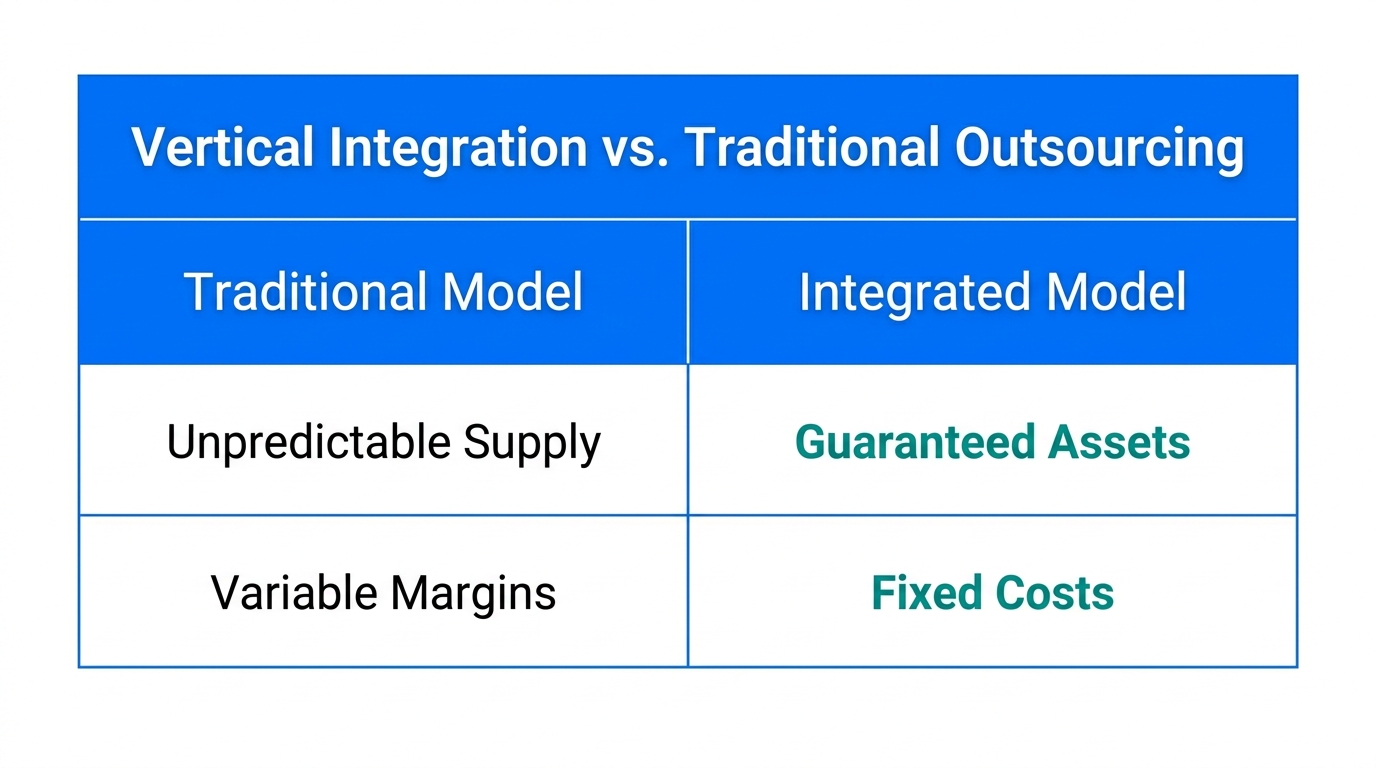
In 2026, we often talk about 'de-risking' through financial hedges or diverse stock portfolios. John Bragg’s 'insurance' was far more tangible: vertical integration. He didn't just want to grow blueberries; he wanted to own the infrastructure that made those blueberries valuable to the end consumer. By owning the freezing and packaging plants, he protected himself from the volatility of raw commodity prices.
This strategy of owning the 'back-end' of the industry is a core component of any comprehensive vertical integration guide. By controlling the supply chain, you don't just increase your margins; you create a moat that competitors can't easily cross. Today, his company controls roughly 40% to 50% of the global supply of wild blueberries. He didn't stop at processing; when his brother invented a mechanical harvester that did the work of 35 humans, Bragg shared the technology with other farmers. He understood that growing the entire industry was more important than being the biggest fish in a tiny, dying pond.
The Logic of Intentionally Overpaying
15:34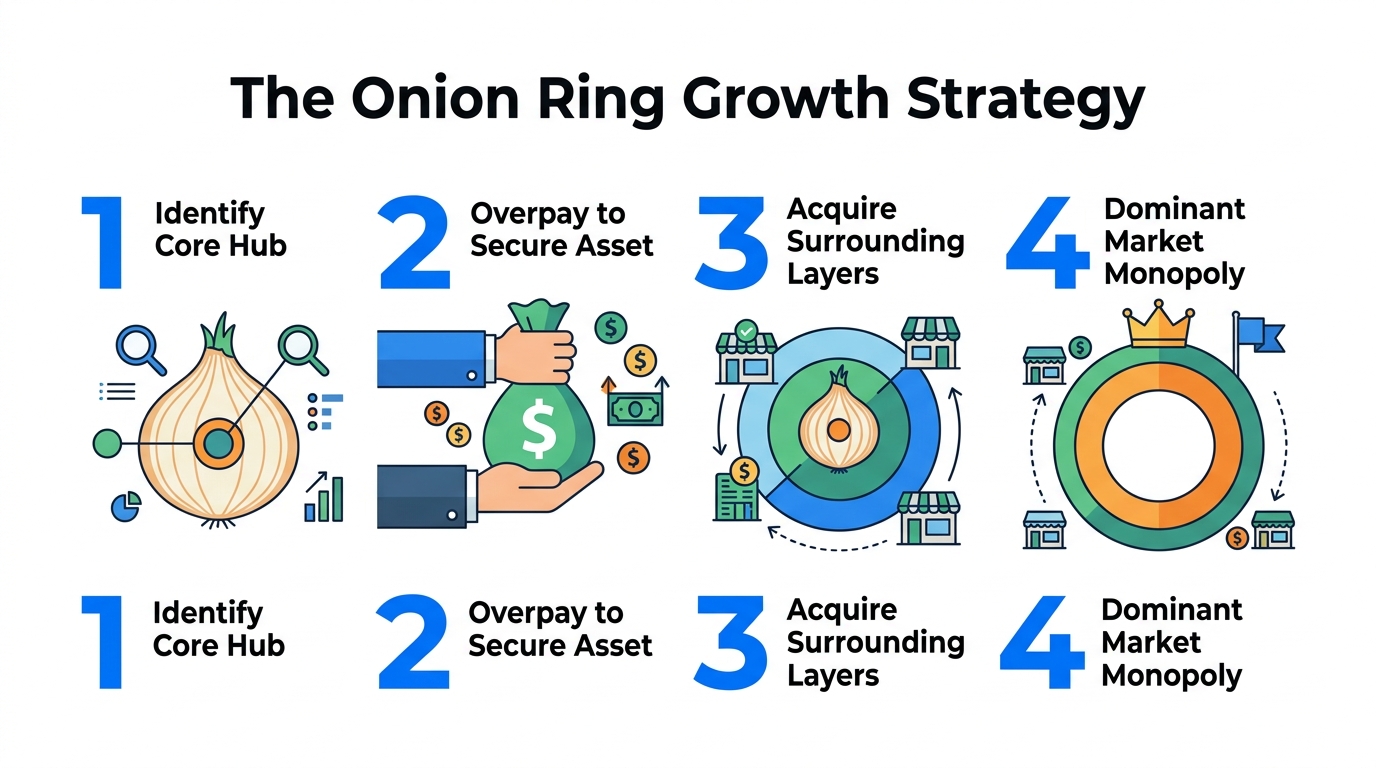
One of Bragg’s most contrarian ideas is his willingness to intentionally overpay for acquisitions. While most Google Ads-era entrepreneurs are taught to maximize ROI on every cent, Bragg looks at the long game of reputation and asset scarcity. He believes that if an asset is a 'once-in-a-lifetime' opportunity, the price you pay is secondary to the fact that you own it and your competitors don't.
| Strategy Component | The 'Buy Low' Traditionalists | The John Bragg 'High Value' Model |
|---|---|---|
| Asset Valuation | Focuses on current cash flow and ROI. | Focuses on scarcity and strategic moats. |
| Reputation | Known for nickel-and-diming; slow closers. | Known for fair prices, quick closes, and no games. |
| Market Entry | Wait for a bargain or a 'deal.' | Attack immediately when a key asset appears. |
Bragg’s reputation as someone who will pay a fair price and close quickly became a magnet for deals. In 2026, reputation is a currency that can't be bought with traditional marketing. If people know you are the best exit for their life’s work, you get the first look at every deal. This was how he parlayed blueberry profits into the cable TV industry via Eastlink. In a small Nova Scotia auction where no one else showed up, he grabbed cable rights. He didn't care about 'sexy' content or original programming; he focused on the fiber and the underlying infrastructure.
"I know many people who tried to nickel and dime and then spent the rest of their life regretting not getting that key asset."
The Politics of 50% Market Share
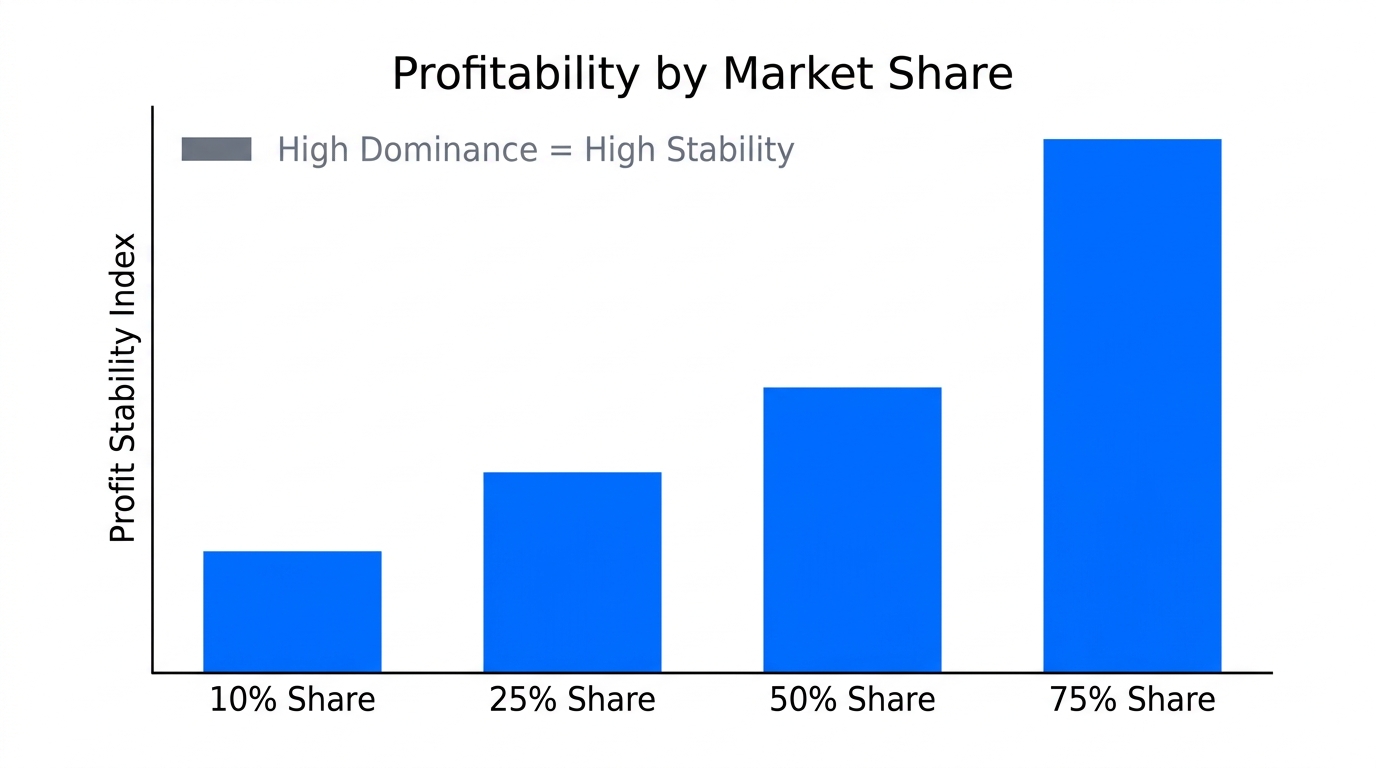
In an era where tech giants are constantly under the microscope of anti-trust regulators, Bragg’s approach to market dominance is incredibly savvy. Despite having the resources to potentially own 100% of the blueberry market, he intentionally stops around the 50% mark. His reasoning? "That wouldn't be good politics."
By maintaining a 50% market share, Bragg avoids the 'monopoly' label while still maintaining enough pricing power to lead the industry. He effectively sets the standard for quality and technology (like the mechanical harvesters) but leaves enough room for a competitive ecosystem to exist. This prevents the government intervention and public backlash that often plagues total market dominators. For those studying market share expansion, Bragg’s restraint is as impressive as his aggression.
Applying the 'No Reverse Gear' Blueprint to Modern E-commerce
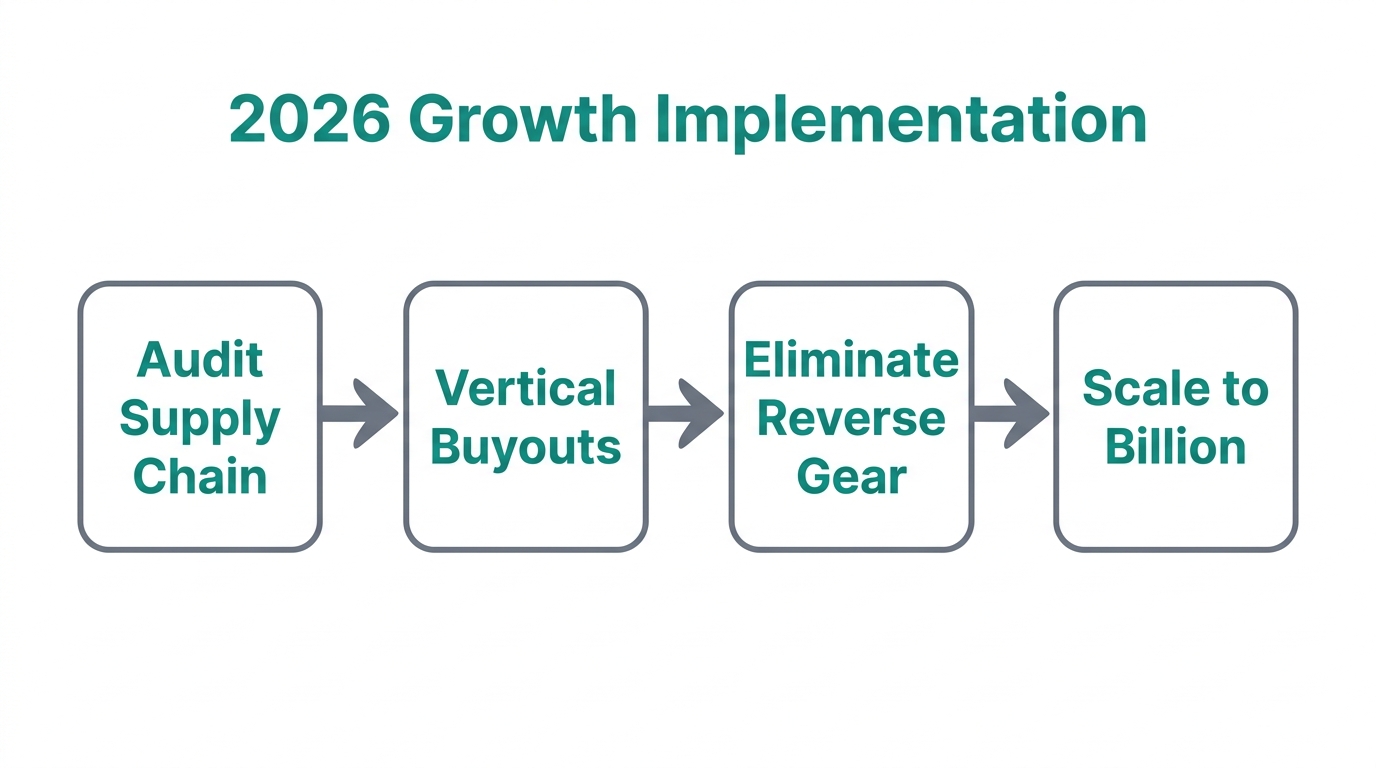
How does a 1960s blueberry farmer’s philosophy apply to a 2026 e-commerce brand or a SaaS startup? The principles remain identical: own the distribution and the infrastructure. If you are selling physical goods, vertical integration might mean owning your own 3PL or manufacturing facility. If you are in the digital space, it means owning your audience and your distribution channels.
In today's landscape, creator-led growth is the new 'fiber.' Just as Bragg focused on the cables rather than the shows, modern brands should focus on the long-term relationships and infrastructure of their marketing. For example, brands that use Stormy AI to discover and manage thousands of micro-influencers are essentially building their own private distribution network. Instead of being at the mercy of Meta Ads Manager or TikTok Ads price fluctuations, they are vertically integrating their customer acquisition.
Step-by-Step Guide to Vertical Growth
- Identify Your Supply Glut: Find the point in your business where you are most vulnerable to external market forces (e.g., ad costs, raw material shortages).
- Build the 'Freezer': Create or acquire the infrastructure to process and store your value. In e-commerce, this could be moving from drop-shipping to holding inventory in a custom warehouse or fulfillment center.
- Diversify with the 'Onion Ring' Logic: Look for ways to use your existing infrastructure for different products. If you have a massive email list of fitness enthusiasts on Klaviyo, you already have the 'factory' to launch a supplement line or a wellness app.
- Acquire Scarcity: Don't be afraid to overpay for a key domain, a high-performing creator partnership, or a patent that secures your niche.
- Maintain Political Balance: Dominate your niche, but keep the ecosystem healthy enough to avoid regulatory scrutiny.
The Importance of Staying a Student
52:19Even at 84 years old, John Bragg remains a student of the game. He famously emulates Warren Buffett’s compounding strategy, where the vast majority of his wealth was created after the age of 70. He even gave his executives millions of dollars to manage as an investment portfolio, not for the profit, but for the education. He wanted them to see how strong companies operate and how weak ones fail from an investor's perspective.
"Most people stop learning once they become successful, but the outliers never stop being students."
Whether you are managing a global supply chain or using Stormy AI to automate your influencer outreach, the lesson is the same: Stick to your knitting. Figure out what you do well, build the infrastructure to protect it, and never, ever find the reverse gear. Success in 2026 isn't about the fastest pivot; it's about the longest commitment to a singular, integrated vision.
Conclusion: Building for the Next Century
John Bragg’s story reminds us that the most powerful business strategies aren't found in a trending tweet, but in the physical reality of supply, demand, and infrastructure. By focusing on vertical integration, respecting the value of reputation over a few dollars, and maintaining a relentless forward drive, you can build an empire that lasts decades rather than fiscal quarters. As you scale your business this year, ask yourself: Do I own the factory, or am I just picking the berries? For those looking to dominate their market through creator-led infrastructure, platforms like Stormy AI provide the 'fiber' needed to connect directly with audiences without the middlemen.