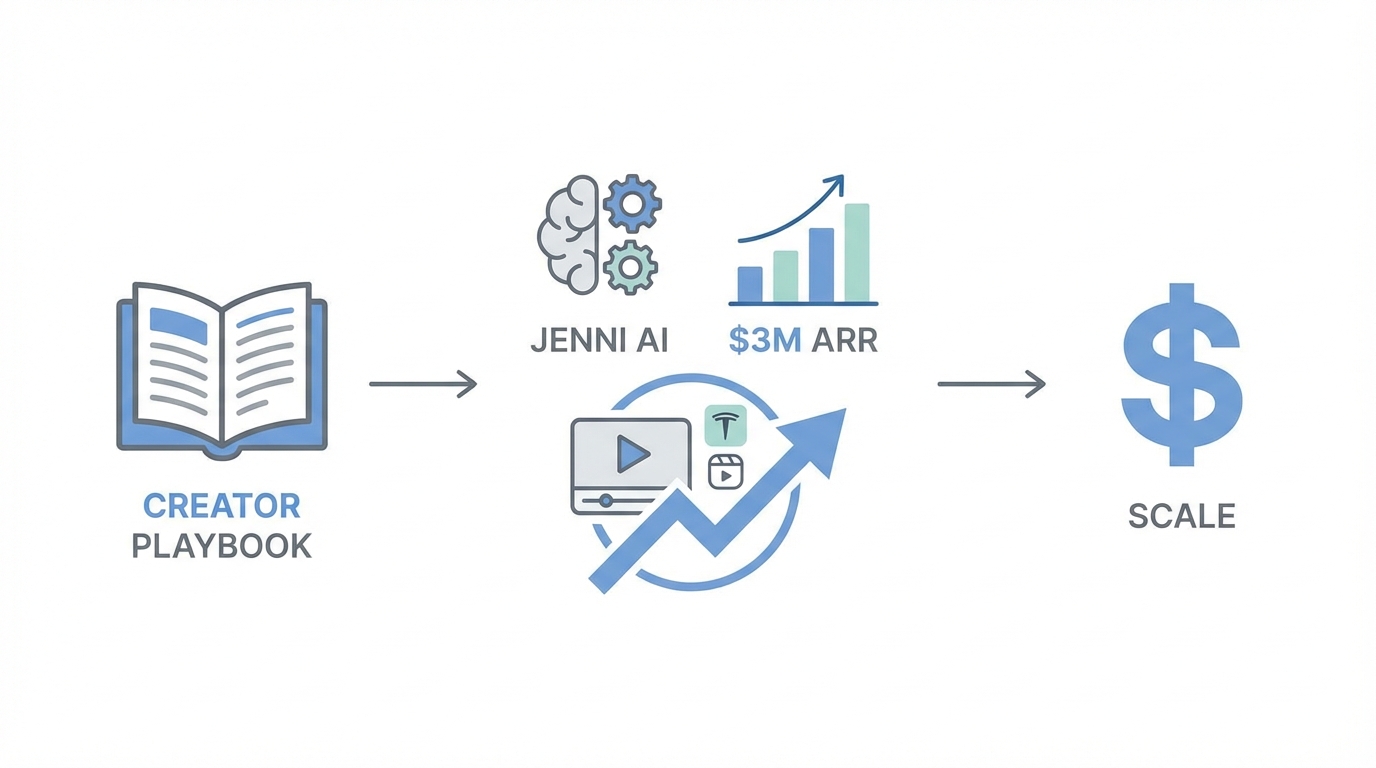
Building a successful software company often feels like a sequence of lottery tickets until you find a growth channel that actually scales. For David Park and the team at Jenni AI, that realization didn't come through a lucky break, but through a fundamental shift in how they approached influencer marketing for SaaS. After a decade of startup failures and a life-changing cancer diagnosis, Park transformed Jenni AI from a struggling product at $2,000 MRR into a powerhouse generating over $3 million in Annual Recurring Revenue (ARR). This wasn't achieved through massive ad spend on Google Ads, but by operationalizing short-form video into a predictable, high-output growth machine. In this playbook, we will break down the exact SaaS growth strategies used to scale TikTok and Instagram Reels from accidental virality to a systematic revenue engine.
Moving from Viral Luck to Predictable Systems
Most founders treat TikTok and Reels like a slot machine. They post a few videos, hope the algorithm picks them up, and then give up when the first few attempts fail to go viral. David Park's journey, as detailed in his interview with Starter Story, shows that while early growth might start with a miracle, long-term success requires a system. Jenni AI's first major inflection point came from a viral Twitter thread by Zane Kahn, which propelled them from $2,000 to $10,000 MRR almost overnight. However, Park quickly realized that virality is not a strategy—it is an event. To reach the $3M ARR milestone, they had to stop waiting for influencers to find them and start actively building a network of creators.
The transition began by moving away from 'one-off' influencer shoutouts. Instead of seeking a single mention on a massive account, the team focused on scaling TikTok for business by treating creators as an extension of their growth team. This required a shift in mindset: moving from being a customer of an influencer to being a partner in a long-term content series. By using Stormy's AI search for discovery across TikTok, YouTube, Instagram, LinkedIn, and even TikTok Shop, brands can skip the manual labor of scrolling through social feeds and instead use natural language to find creators who already have an established audience in niches like productivity, AI tools, and academic writing. This level of precision is what allowed Jenni AI to move beyond the plateau that kills most SaaS startups.
The 'Series' Strategy: Finding and Multiplying Winning Formats
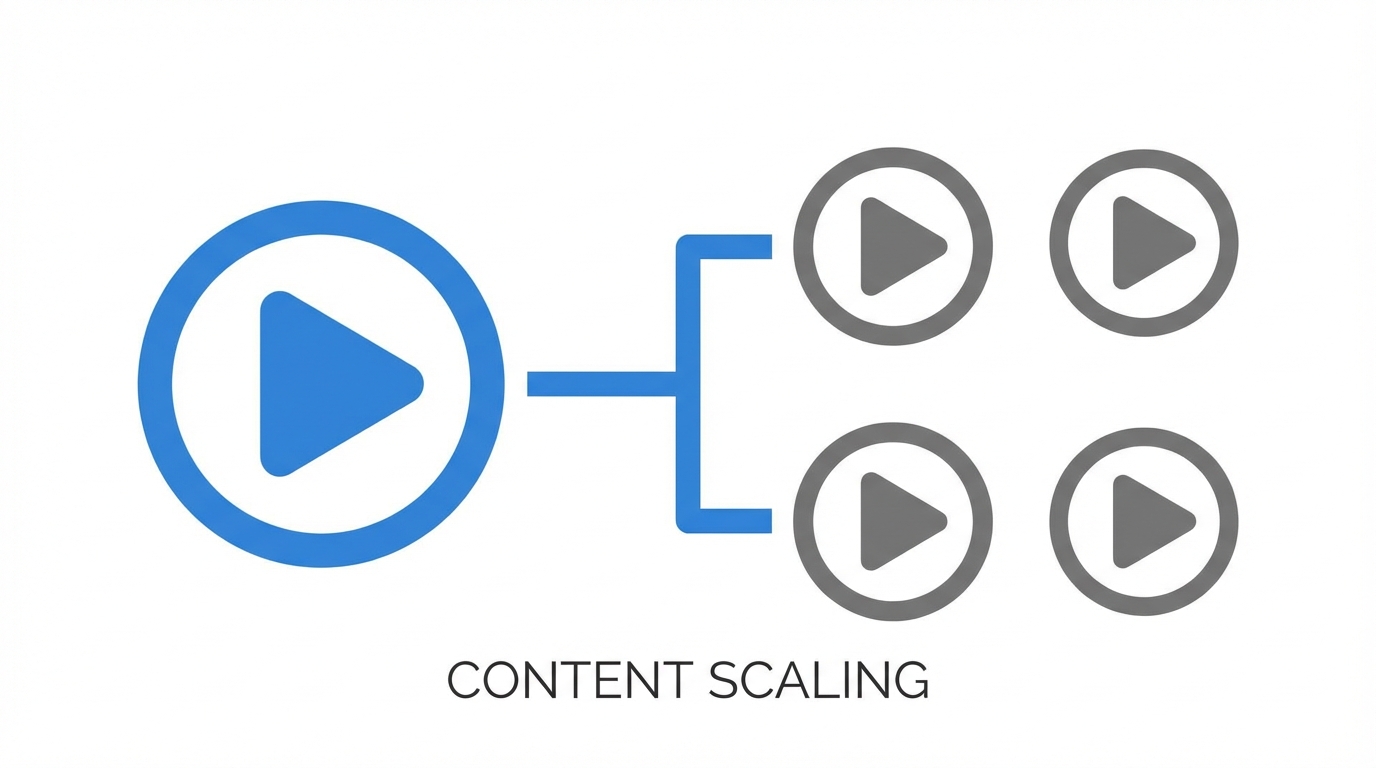

The core of the Jenni AI growth engine is what Park calls the 'Series' strategy. The goal is to identify one specific creative format—a particular hook, a visual style, or a narrative arc—that resonates with the target audience on Instagram Reels and then replicate it across multiple accounts. This approach mitigates the risk of a single account getting 'shadowbanned' or experiencing a dip in reach. When you find a format that works, you don't just post it once; you turn it into a repeatable series that can be executed by dozens of different creators simultaneously.
To execute this, you must first vet your creators to ensure they have genuine engagement and an audience that actually converts. Using Stormy AI for influencer vetting and fake follower detection, the team could filter out creators with suspicious engagement patterns before even starting the negotiation. Once a high-quality creator is onboarded, they are tasked with producing content within the 'winning' format. For Jenni AI, this often involved showing how the tool solves a specific pain point in the academic writing process. By having multiple independent creator accounts posting similar high-performing formats, the brand creates a 'surround sound' effect, making the product appear ubiquitous within its target niche. This is a primary pillar of any modern creator marketing strategy for mobile apps and SaaS products.
Structuring Creator Compensation for Long-Term Growth
One of the most tactical insights from the Jenni AI playbook is how they handle creator payments. Most brands either pay a flat fee (which offers no incentive for performance) or a pure commission (which many high-quality creators won't accept). Park’s team landed on a hybrid model that balances security with performance. They pay creators a baseline monthly salary to ensure they have the resources to produce high-quality short form video for startups, but they layer on performance-based incentives. These incentives are typically tied to specific milestones, such as reaching X number of views or driving Y number of conversions or sign-ups.
This structure aligns the creator’s goals with the company's MRR growth. If a video goes mega-viral, the creator is rewarded significantly, which encourages them to keep iterating on the successful 'series' format. Managing these diverse payment structures and contracts can become a logistical nightmare as you scale. This is where Stormy's creator CRM becomes essential. It allows growth teams to track every interaction, negotiation, and payment in one centralized dashboard, ensuring that no creator is left unpaid and no performance bonus is missed. This level of organization is what separates a hobbyist marketing effort from a SaaS growth strategy capable of hitting $3M ARR.
Operationalizing the Growth Team: Beyond the Founder
A critical turning point for David Park came after his cancer diagnosis and subsequent surgery. He realized that the business was too dependent on his personal involvement and that growth stalled when he was out of commission. To fix this, he focused on hiring dedicated growth team members whose sole job was to manage the creator network. These team members act as 'creative directors' for the influencers, helping them refine their hooks and ensuring the brand message remains consistent while still feeling authentic to the creator's voice. This decentralized approach to content production is vital for scaling TikTok for business without burning out the founding team.
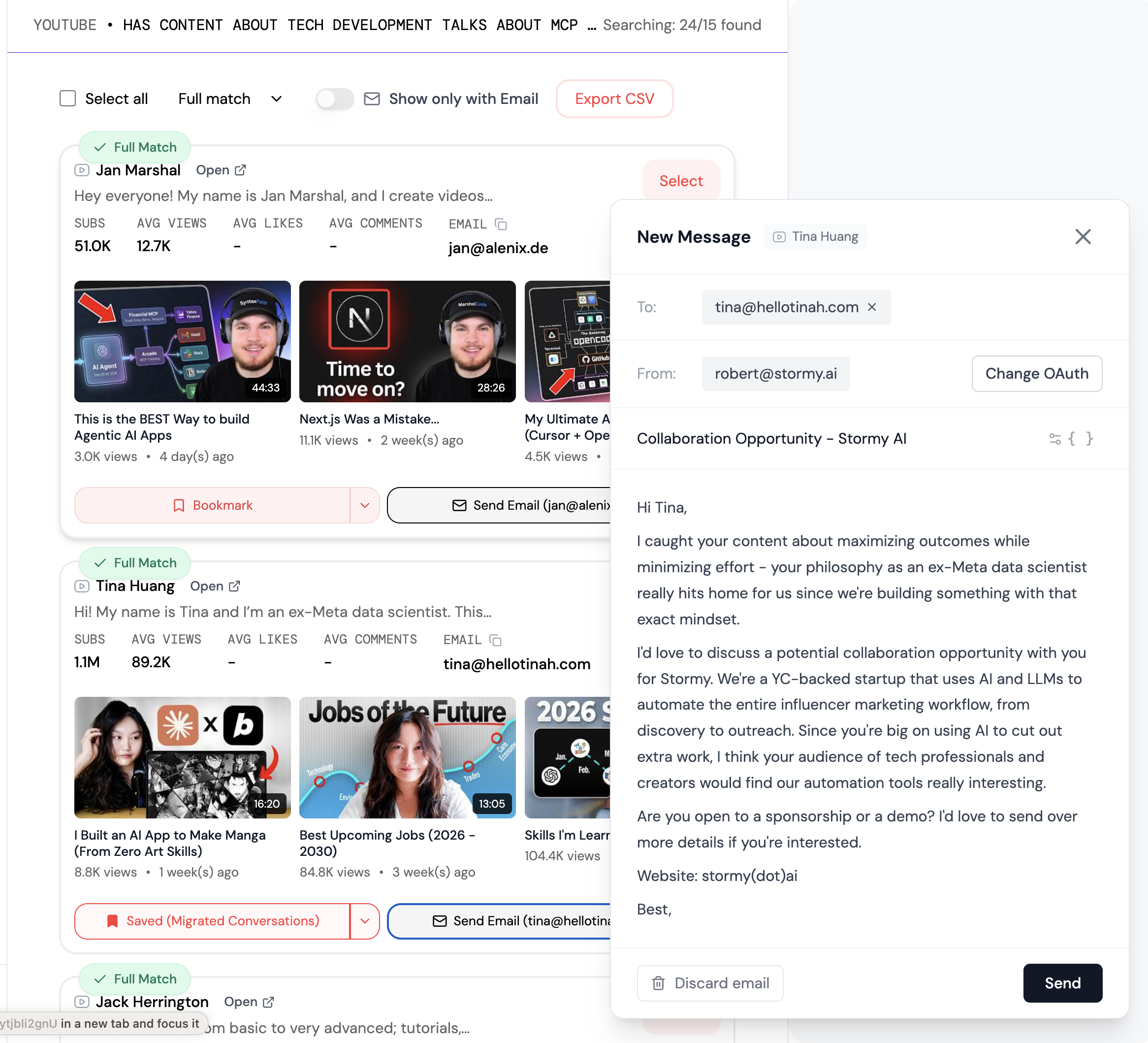
Managing an army of creators requires constant communication. Instead of getting lost in a mess of personal DMs and scattered emails, savvy teams use Stormy's AI email outreach and built-in inbox. This tool allows brands to send hyper-personalized emails to hundreds of creators at once, with AI handling the follow-ups automatically while the team sleeps. By connecting multiple Gmail accounts, a single growth manager can handle the outreach and onboarding that would typically require a whole agency. This operational efficiency is how Jenni AI was able to double their business from $1.5M to $3M ARR in just six months after the founder stepped back from the day-to-day creative work.
Measuring ROI and Post-Tracking Analytics

You cannot scale what you cannot measure. In the world of short-form video, attribution is notoriously difficult because users often see a video on YouTube or TikTok and then later search for the product on the App Store or via a desktop browser. To combat this, the Jenni AI team focused on tracking both direct conversions via creator links and broader trends in 'brand search' volume. They closely monitored which formats were driving the most consistent engagement and which creators were consistently hitting their view targets.
To simplify this process, platforms like Stormy's post tracking allow brands to monitor individual videos and posts across all major social networks in one place. By tracking views, likes, and engagement rates in real-time, growth managers can quickly identify which 'series' is fatiguing and which new creative format is starting to gain traction. This data-driven approach to influencer marketing for SaaS ensures that capital is only deployed into creator relationships that are actually moving the needle on revenue. It allows for the 'double down' phase where, as Park mentions, the company moves from exploring ideas to heavily deploying capital into what works.
Conclusion: The Path to $3M ARR
The success of Jenni AI provides a clear blueprint for any startup looking to leverage short form video for startups as a primary growth channel. It starts with a commitment to persistence—David Park spent nearly a decade failing before he found the right product-market fit with GPT-3 based writing assistance. Once you have a product people want, the key is to move from accidental virality to a systematic creator engine. By finding winning formats, multiplying them across many accounts, structuring performance-based compensation, and using AI-powered tools to manage the logistics, you can build a growth machine that operates independently of the founder.
If you are ready to stop relying on luck and start scaling your SaaS growth, it is time to modernize your workflow. Leveraging Stormy AI allows you to discover the right creators, vet their authenticity, automate your outreach, and track your campaign performance all in one place. Whether you are aiming for your first $10k MRR or scaling toward $3M ARR like Jenni AI, the tools and strategies are now available to make creator marketing your most predictable and profitable channel. Focus on the systems, empower your creators, and stay persistent—the next viral wave is just a well-executed series away.