In 2026, the digital landscape has reached a breaking point. While social media platforms have become more immersive than ever, a growing segment of knowledge workers and entrepreneurs are waking up to the "dark emptiness" that follows hours of mindless consumption. The challenge for creator economy startups in 2026 is no longer just about building a better feed; it is about building tools that help users reclaim their agency. This shift is the foundation of hit.me, an AI wrapper concept developed using the Jake Knapp Design Sprint framework.
The hit.me concept, pitched by founder Jicecream to design legend Jake Knapp, represents a new wave of app development strategy. It isn't just an app; it's a dopamine-control mechanism designed for the modern entrepreneur. By applying the "Foundation Sprint"—the prequel to the classic Google Design Sprint—we can see how successful products are born from identifying psychological gaps rather than just technical ones.
The Consumption vs. Creation Insight: Identifying the Psychological Gap
 19:14
19:14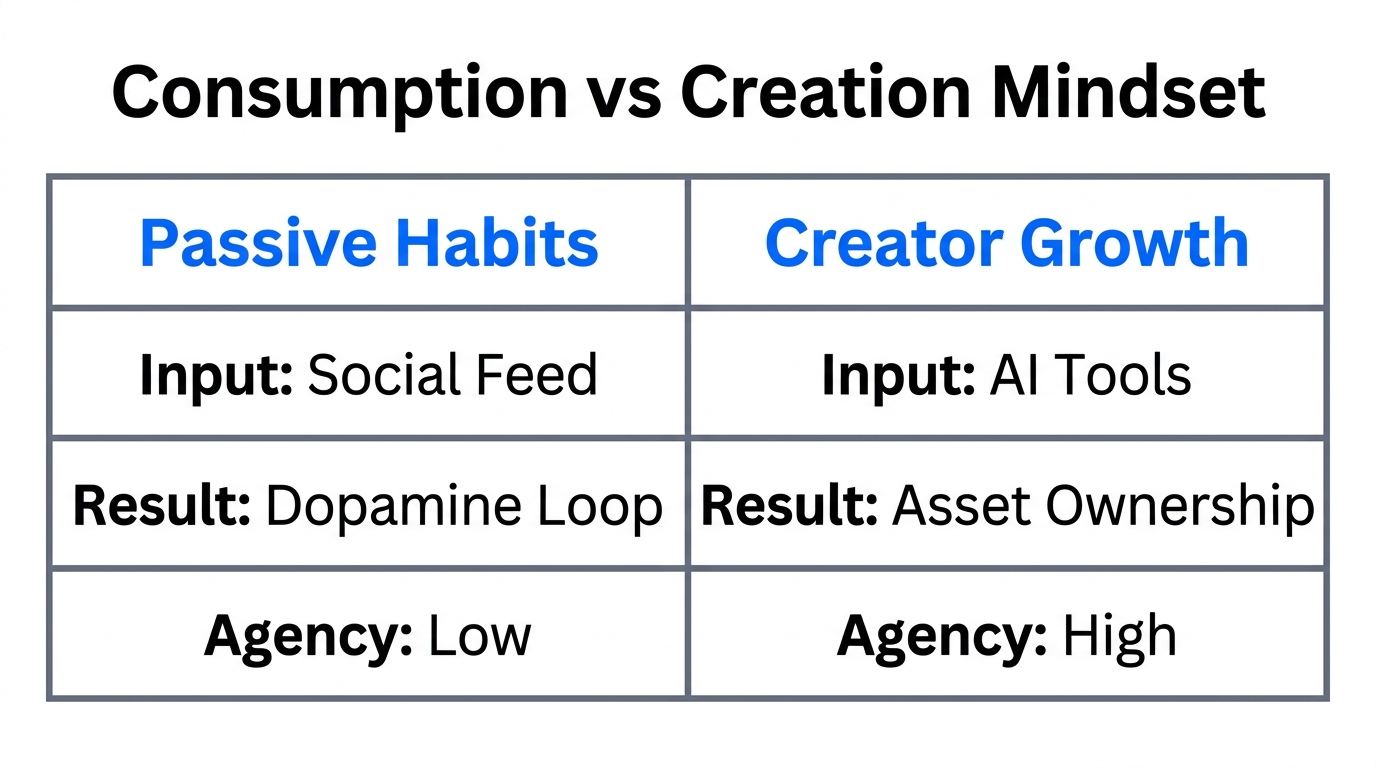
The primary driver behind the hit.me project is a powerful insight into human psychology in 2026: the correlation between high agency and life satisfaction. Most productivity apps focus on efficiency, but the real crisis facing TikTok and Instagram users today is the ratio of consumption to creation. When we consume without creating, we experience anxiety, depression, and a sense of lost time.
As Jicecream notes, many entrepreneurs feel like they are "getting stuff done" by consuming business content, but without action, that consumption becomes a form of digital addiction. This is where AI-powered creator platforms are pivoting. Instead of just showing more content, hit.me aims to time-cap dopamine hits and deliver only the most critical information, freeing the brain to enter a "creation state." This insight is critical for any AI wrapper marketing strategy: you aren't selling a utility; you are selling a psychological state of being.
"Consumption is bad because you're not creating. The depression and anxiety of 2026 are often just the side effects of a life lived as a spectator rather than a participant."
The Jake Knapp Foundation Sprint: Moving from Fog to Clarity
4:27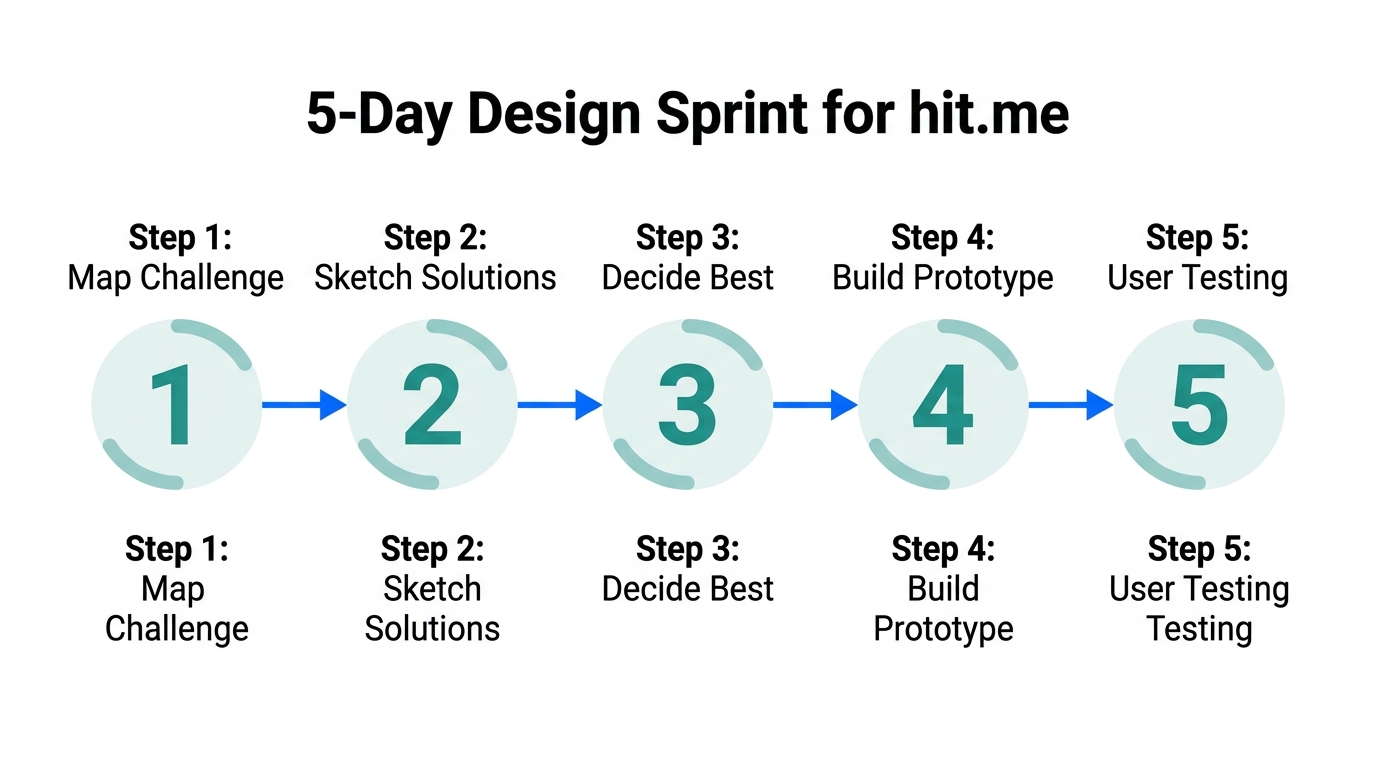
Before diving into a full Design Sprint, Jake Knapp advocates for the Foundation Sprint. This process is designed to lift the "fog" that founders often find themselves in when they are "drunk on their own ideas." For hit.me, the sprint started with defining the Basics on a Miro board.
To build a product with the highest probability of success, a founder must answer five core questions:
- Who is the customer? (e.g., Entrepreneurs and knowledge workers aged 25-40).
- What is the problem? (Overconsumption and digital addiction).
- What is your special capability? (e.g., Funnel building, positioning, or design skills).
- What is the insight? (The destructive power of the consumption-creation imbalance).
- What is the motivation? (Solving a personal problem to ensure long-term conviction).
By defining these, hit.me moves from being a vague "dopamine app" to a specific solution for high-agency entrepreneurs. This framework is essential for creator economy startups 2026 because it prevents founders from building "Homer’s Dream Car"—a product so specific to the founder's whims that it lacks a viable market.
Why 'Self-Control' is Your Biggest Competitor
31:23In the world of app development, founders often look at direct competitors like Notion or Monday.com. However, for hit.me, the real 800-pound gorilla is self-control. Most people deal with digital addiction by "white-knuckling" it—telling themselves they'll just "man up" and put the phone down. History (and Google Trends) shows that this rarely works.
| Competitor Type | Examples | The Flaw |
|---|---|---|
| Physical Blockers | Brick, Timed Safes | Inconvenient; doesn't solve the dopamine craving. |
| Software Blockers | Freedom, Grayscale Mode | Easily bypassed; feels like a punishment. |
| Internal Willpower | Self-control, "White-knuckling" | The 800-pound gorilla; fails the moment stress hits. |
| hit.me (AI Wrapper) | AI-curated dopamine hits | Winner: Replaces bad dopamine with productive, time-capped hits. |
Positioning your product against non-consumption or failed human habits is a brilliant AI wrapper marketing move. Instead of competing on features, you are competing against the user's own inability to stay focused. You aren't just another tool in their Zapier workflow; you are the replacement for their failing willpower.
"The most dangerous competitor isn't a rival app; it's the lie users tell themselves that they can 'just use self-control' tomorrow."
Applying 'Homer’s Dream Car' Guardrails
25:24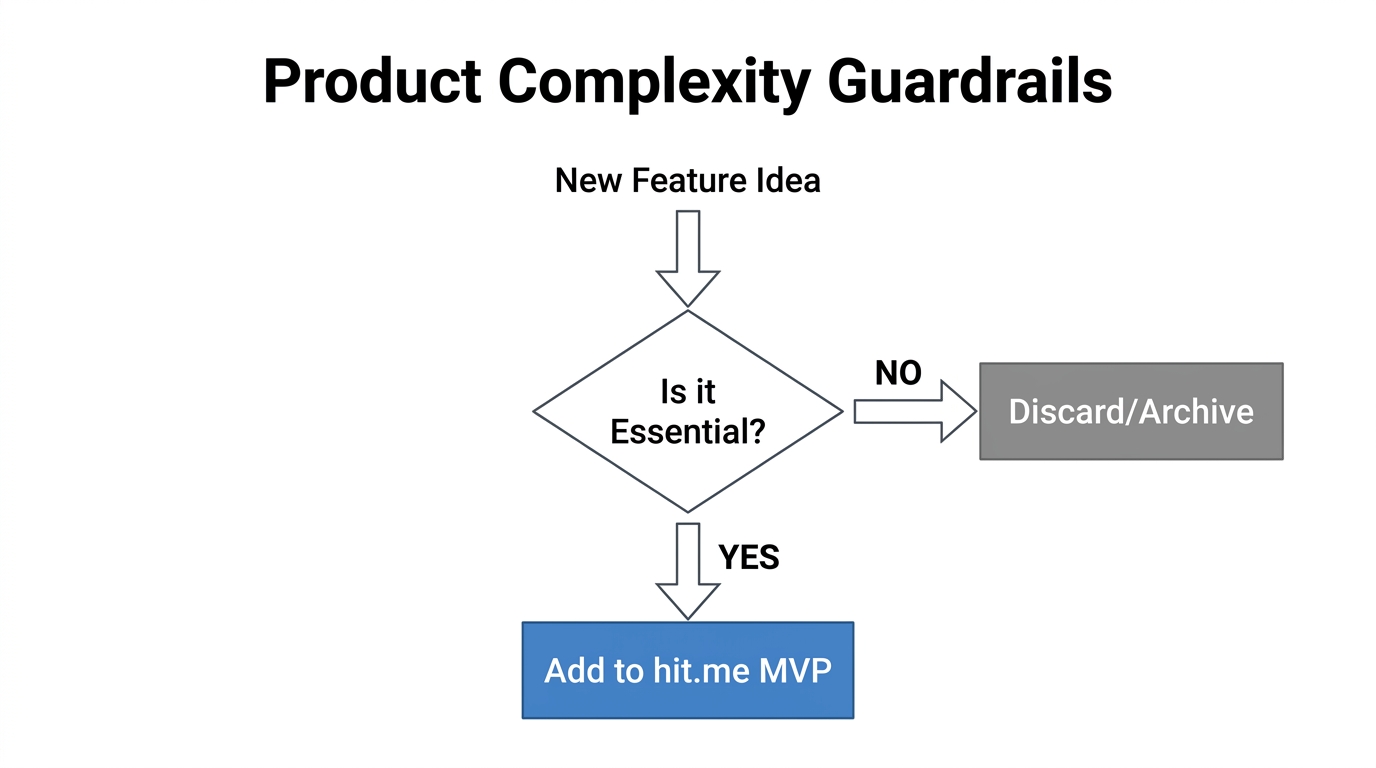
One of the funniest and most profound warnings in the Jake Knapp Design Sprint methodology is the reference to The Simpsons episode where Homer designs a car. It has everything he ever wanted—a bubble top, three horns that play 'La Cucaracha'—and it is a total disaster. Founders often fall into this trap by building exactly what they want without verifying if anyone else shares the problem.
To avoid this, hit.me uses Differentiation Scales. On a scale of 1-7, how does the product stack up against the competition? Is it faster? Smarter? Cheaper? For hit.me, the differentiator isn't being "smarter" (using standard ChatGPT APIs is sufficient); the differentiator is being Focused and Simple.
By focusing on a specific niche—entrepreneurs who want to create rather than consume—the product gains High-Agency Positioning. This is a lesson for anyone using platforms like Stormy AI to find high-agency creators who embody the problem you are solving.
High-Agency Marketing: Positioning for Output
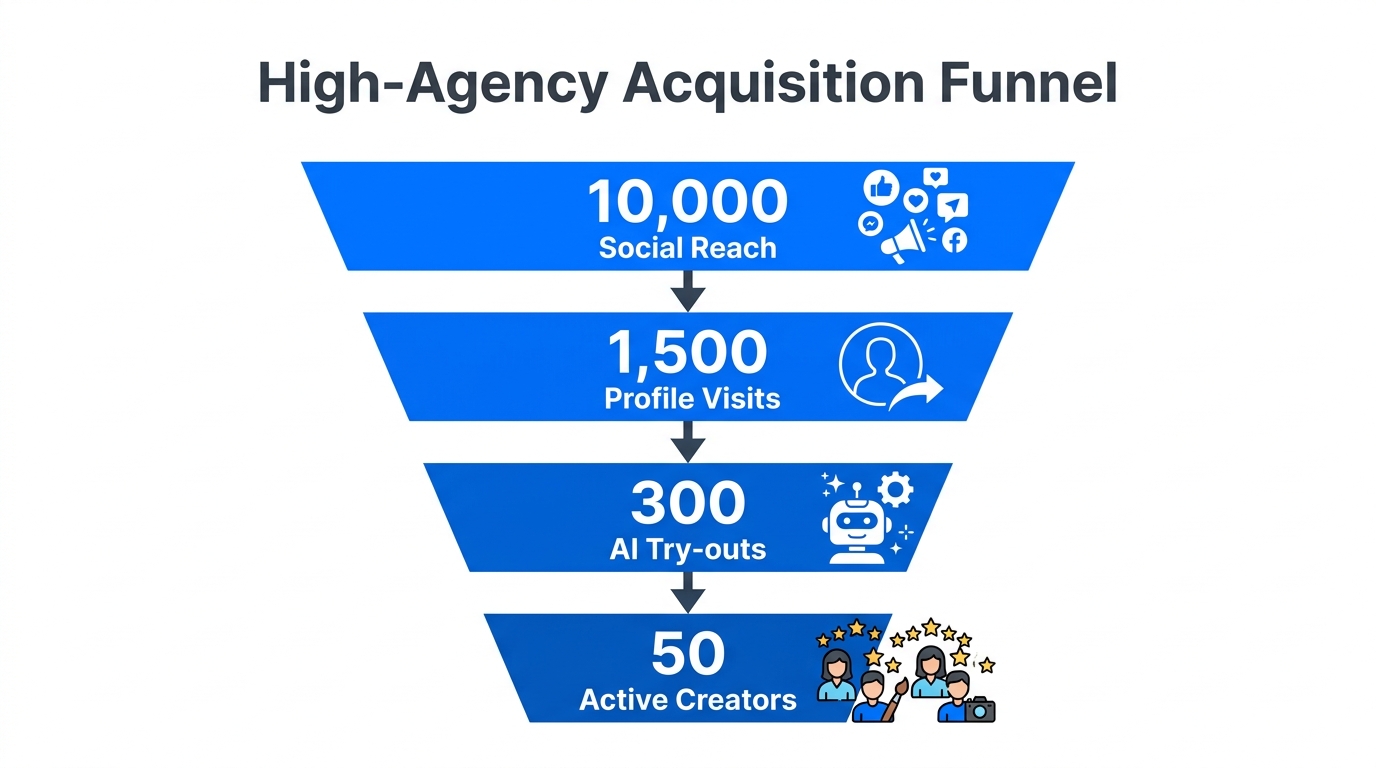
As we head deeper into 2026, the app development strategy for successful startups is shifting toward "High-Agency Marketing." This means your product doesn't just do a task; it improves the user's quality of life and output. For hit.me, the marketing story is simple: "Change the pie chart of your life from 80% consumption to 80% creation."
This approach requires Direct Response Marketing skills, another capability Jicecream highlights. You have to speak directly to the anxiety of the user. If you are building an AI wrapper, your landing page shouldn't talk about your LLM parameters. It should talk about the time the user will get back to build their own startup, write their book, or record their podcast.
To scale this vision, modern brands are leveraging AI-powered creator discovery. By using Stormy AI, a founder can instantly find "knowledge-worker creators" who are already talking about productivity and digital detox. Instead of manual outreach, Stormy AI's automated agents can handle the initial conversations, allowing the founder to focus on the Creation part of their business rather than the Consumption of manual spreadsheets.
"Your marketing should make the user feel like they are finally taking the steering wheel back from the algorithms."
Conclusion: Building the Future of the Creator Economy
The hit.me case study provides a blueprint for creator economy startups in 2026. Success isn't about the most complex tech stack—it's about the clarity of the Jake Knapp Design Sprint. By identifying a deep-seated human problem (digital addiction), acknowledging the real competitor (self-control), and building with guardrails to avoid the "Homer Car," founders can create products that truly matter.
Whether you are building the next hit AI wrapper or scaling a service business, remember that the goal is to increase human agency. Use tools like Stormy AI to automate the mundane sourcing and outreach, so you and your creators can focus on what actually moves the needle: original creation. The era of the passive consumer is ending; the era of the high-agency creator has begun.