In the high-velocity market of 2026, the barrier to building an AI startup has effectively dropped to zero. With specialized tools like ChatGPT and Claude handling the heavy lifting of code generation, the world is flooded with "GPT wrappers." However, 99% of these products fail not because the technology is poor, but because they lack problem-solution fit and a clear differentiation strategy. To build a $1M startup today, you don't need a better tech stack; you need a better framework for validation.
Enter the Foundation Sprint. Developed by Jake Knapp (the creator of the Google Design Sprint), this method serves as the essential prequel to product development. It’s designed to lift the "fog of the idea" and force entrepreneurs to confront the first principles of their business before writing a single line of code. In this guide, we’ll explore how to apply this framework to the burgeoning "Digital Wellness" AI niche, targeting the high-agency knowledge worker.
The Foundation Sprint: The Prequel to the Design Sprint
 4:27
4:27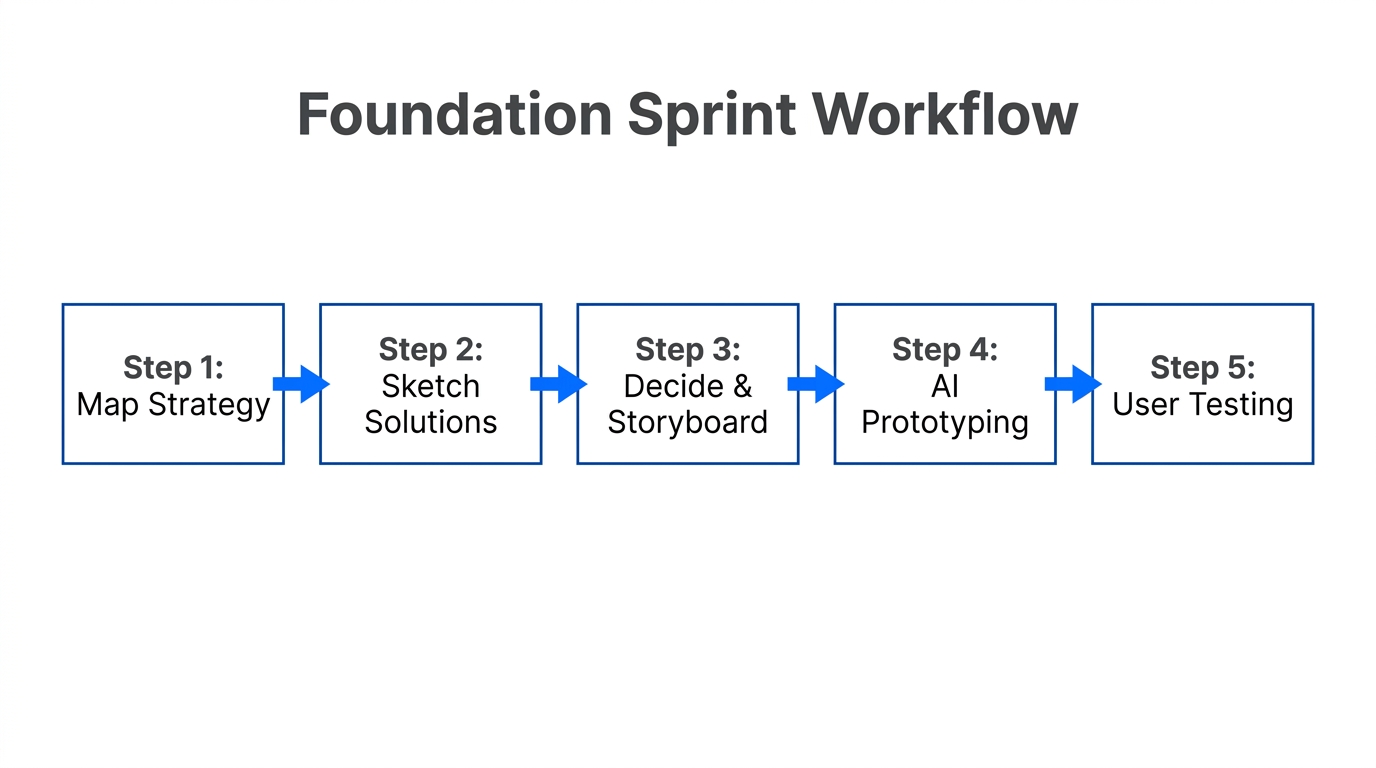
While the classic Jake Knapp Design Sprint is famous for prototyping and testing, the Foundation Sprint is about clarity. It is a series of exercises performed on a digital whiteboard like Miro to define the DNA of your startup. Before you worry about whether to use TikTok Ads Manager for growth, you must define your Customer, Problem, Capability, Insight, and Motivation.
In 2026, the most successful AI startups are those that solve the overconsumption problem. As information density hits an all-time high, the problem isn't access to data—it's the digital addiction that comes with it. By using a tool like Google Trends, we can see that searches for "phone addiction" and "digital detox" have surged to record highs. Recent market research indicates the digital detox industry is hitting record valuations as users seek to reclaim their attention. This trend signals a massive opportunity for AI wrappers that don't just aggregate data, but actively manage the user's dopamine cycles.
"The core thing is: Does this solve a problem, and are people excited about getting this solution? Technology ultimately matters, but first principles matter more."
Identifying the "Sexy Entrepreneur" Persona
34:35Validation begins with a narrow focus. Jake Knapp’s framework suggests identifying a specific customer segment rather than trying to boil the ocean. For an AI wellness wrapper, the ideal persona is the "Sexy Entrepreneur" or the high-output knowledge worker (ages 25-40).
These individuals are high-agency creators who are currently trapped in cycles of consumption versus creation. They spend 80% of their time doom-scrolling on platforms like X or Instagram under the guise of "staying informed," only to feel a sense of dark emptiness when they realize they haven't produced anything. They don't want to become Zen monks and delete their apps; they want a time-controlled dopamine hit that feeds their need for information without the subsequent four-hour rabbit hole.
| User Category | Pain Point | Desired Outcome |
|---|---|---|
| Traditional Employee | Screen time fatigue | Better sleep/Less stress |
| Knowledge Worker | Information overload | Efficient curation |
| The Sexy Entrepreneur | Consumption Addiction | 80/20 Creation-to-Consumption Ratio |
When you focus on this niche, your marketing becomes significantly easier. You can use platforms like Stormy AI to discover and outreach to creators who specifically discuss productivity, deep work, and high-performance psychology to validate your value proposition early.
The First Principles of AI Rapping (Wrapping)
9:18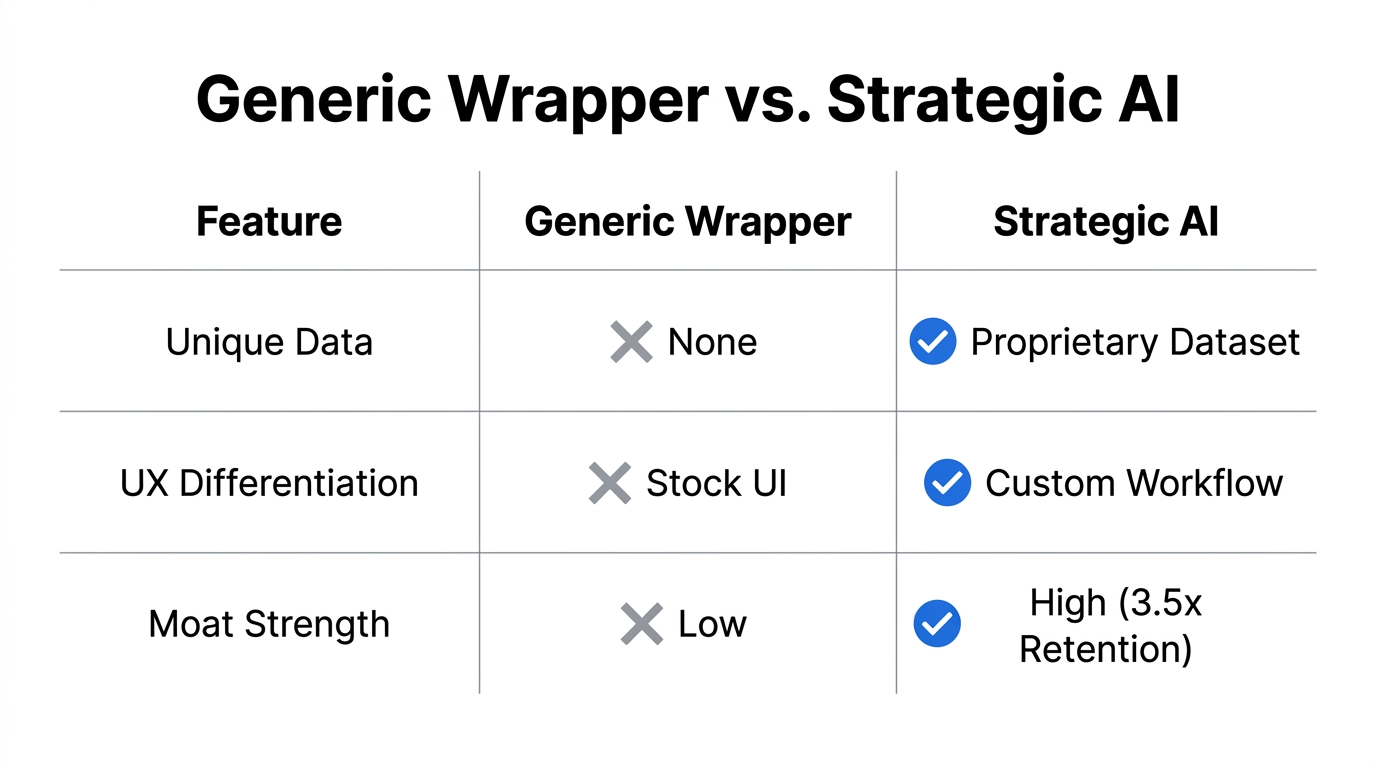
In 2026, "wrapping" a GPT model is a viable business, but only if you bring a unique Special Capability to the table. This isn't just about API calls; it’s about packaging and positioning. As noted by industry experts, a developer might build the tech, but a designer/marketer builds the product.
- Packaging: How the AI output is served. Is it a summary? A daily briefing? A lock-screen intervention?
- Funnel Mastery: Using tools like Instantly or Klaviyo to build a direct-response relationship with the user.
- Design: Creating an interface that doesn't just mimic a chat box but feels like a premium utility.
"Consuming is bad not just because you're numbing yourself, but because you're not creating. High agency is correlated with life satisfaction."
Your Insight is the "secret sauce" that others miss. While competitors might focus on blocking apps (a Band-Aid solution), your insight might be that time-capping usage and replacing distraction with creation is the only way to truly break the cycle. This shift from removal to replacement is a fundamental differentiator in the AI era.
Moving from 'Loserville' to the Upper-Right Quadrant
41:33One of the most powerful tools in the Jake Knapp Design Sprint arsenal is the 2x2 Differentiation Matrix. Most startups live in "Loserville"—the quadrants where they are either too slow, too expensive, or too similar to existing tools like Apple’s built-in Screen Time features.
To find your market gap, you must plot your competitors (self-control, app blockers, digital detox retreats) and identify where they fall short. For example, while Self-Control is free, it is extremely hard to use (low success rate). While Digital Detox Retreats are effective, they are expensive and siloed. Your AI startup should aim for the upper-right: Focused, Simple, and Focused on Creation.
When differentiating, consider these axes:
- Removal vs. Replacement: Most tools remove the bad; yours should replace it with the good (creation).
- Dopamine Type: Move users from "cheap dopamine" (scrolling) to "expensive dopamine" (accomplishment).
- One Size Fits All vs. Niche Focused: Be the tool for 10,000 entrepreneurs, not 1,000,000 generic users.
The 2026 Startup Validation Playbook
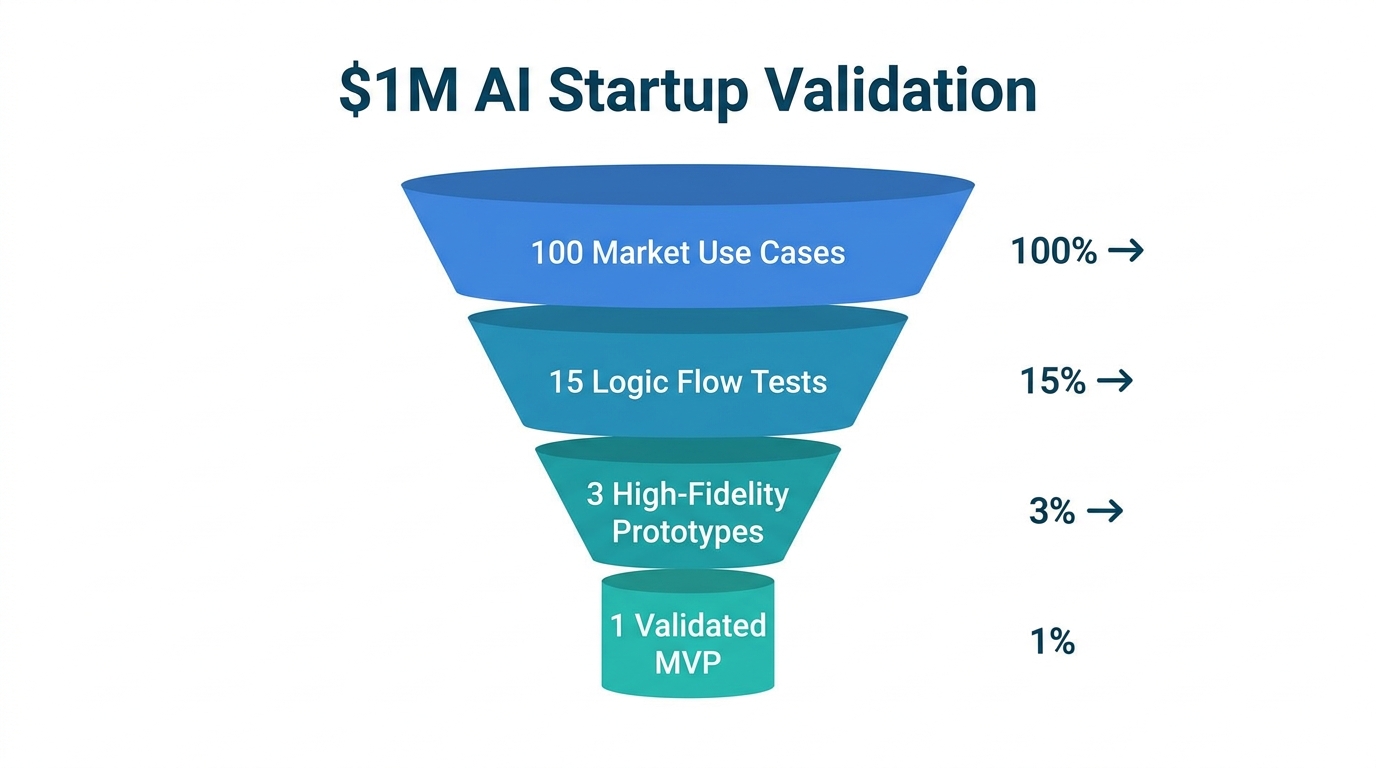
Ready to validate your $1M idea? Follow this sequential playbook based on the Foundation Sprint methodology.
Step 1: Define the Basics
Use a Miro template to lock in your Customer, Problem, Capability, Insight, and Motivation. Be honest about your motivation—if you are building it to solve your own digital addiction, that selfish motivation often leads to a more intuitive product.
Step 2: Map the Competitors
Identify the 800-pound gorillas. In the productivity space, your biggest competitor is often the user's own Self-Control. If your AI wrapper doesn't provide a significant advantage over "just trying harder," it will fail.
Step 3: Plot the Differentiators
Create your 2x2 matrix. Use classic differentiators like speed, price, and ease of use, but also add Custom Differentiators. For a 2026 AI tool, this might be "AI Intelligence Level" or "Integration with the Creator Economy." Analyzing existing creator economy trends can help you see how other successful players are positioning their products to find your own gap.
Step 4: Prototype and Stress Test
Once the fog has lifted, move into the Design Sprint. Create a high-fidelity prototype using Figma and put it in front of 5 target users. Do they find the "Cucaracha horn" (Homer Simpson's dream car) useful, or is it just garbage to them?
"If you don't have clear differentiation, you need to be a god-tier marketer to sell. If you have clear differentiation, the product markets itself."
Conclusion: The Era of High-Agency AI
In 2026, building a successful AI startup is a test of strategic conviction. The Foundation Sprint proves that clarity is the ultimate competitive advantage. By moving from a mindset of consumption to one of creation, and by using frameworks like the Jake Knapp Design Sprint to validate every assumption, you can build a product that doesn't just wrap a GPT model, but actually changes how people work.
Remember, the goal is to move from the fog of a "good idea" to the clarity of a validated business model. Stop doom-scrolling for the next big thing and start building the tool you wish existed ten years ago. Use modern tools like Stormy AI to find your first 100 advocates and scale your vision with the power of the creator economy.