In the hyper-competitive iOS ecosystem of 2026, where approximately 1.9 to 2.1 million apps are vying for user attention, the traditional “set it and forget it” approach to App Store Optimization (ASO) is no longer a viable global app marketing strategy. Discovery remains the ultimate challenge for developers; recent data indicates that roughly 70% of App Store visitors use search to find new apps, and a staggering 65% of all downloads occur immediately after a search query.
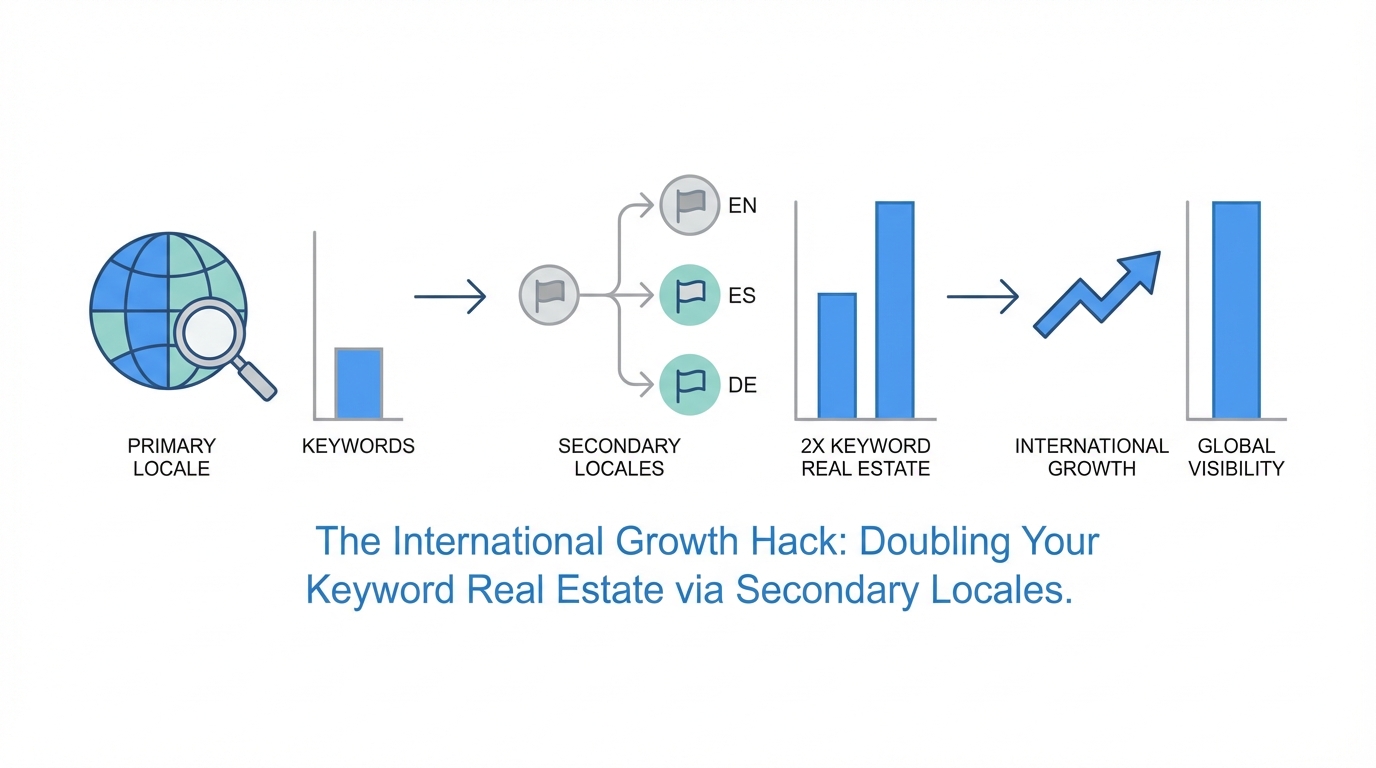
For growth leads and marketing executives, the constraint has always been character limits. Apple grants you 30 characters for your title, 30 for your subtitle, and 100 for your hidden keyword field. But what if you could double that real estate without spending an extra dime on Apple Search Ads? This is where the secondary locale growth hack becomes the most powerful tool in your internationalization playbook.
The Business Case for Secondary Locales
The term "localization" often evokes images of translating an app into twenty different languages. While full translation is ideal, the immediate business opportunity lies in indexing. Apple’s algorithm allows certain regions to index keywords from multiple locales simultaneously. For example, in the United States, the App Store indexes keywords from both the English (US) locale and the Spanish (Mexico) locale.
This technical nuance allows savvy marketers to implement a more aggressive app store localization strategy. Experts have found that optimizing these titles and subtitles can drive an increase in organic installs by 30% to 200%, depending on the niche. This isn't just about reaching Spanish speakers; it’s about using that extra space to rank for long-tail English keywords that you couldn't fit into your primary US metadata.
"The limitation of 160 total characters is an artificial ceiling. Secondary locales are the secret basement where the world's fastest-growing apps store their extra traffic drivers."The 30-30-100 Rule and Semantic Indexing
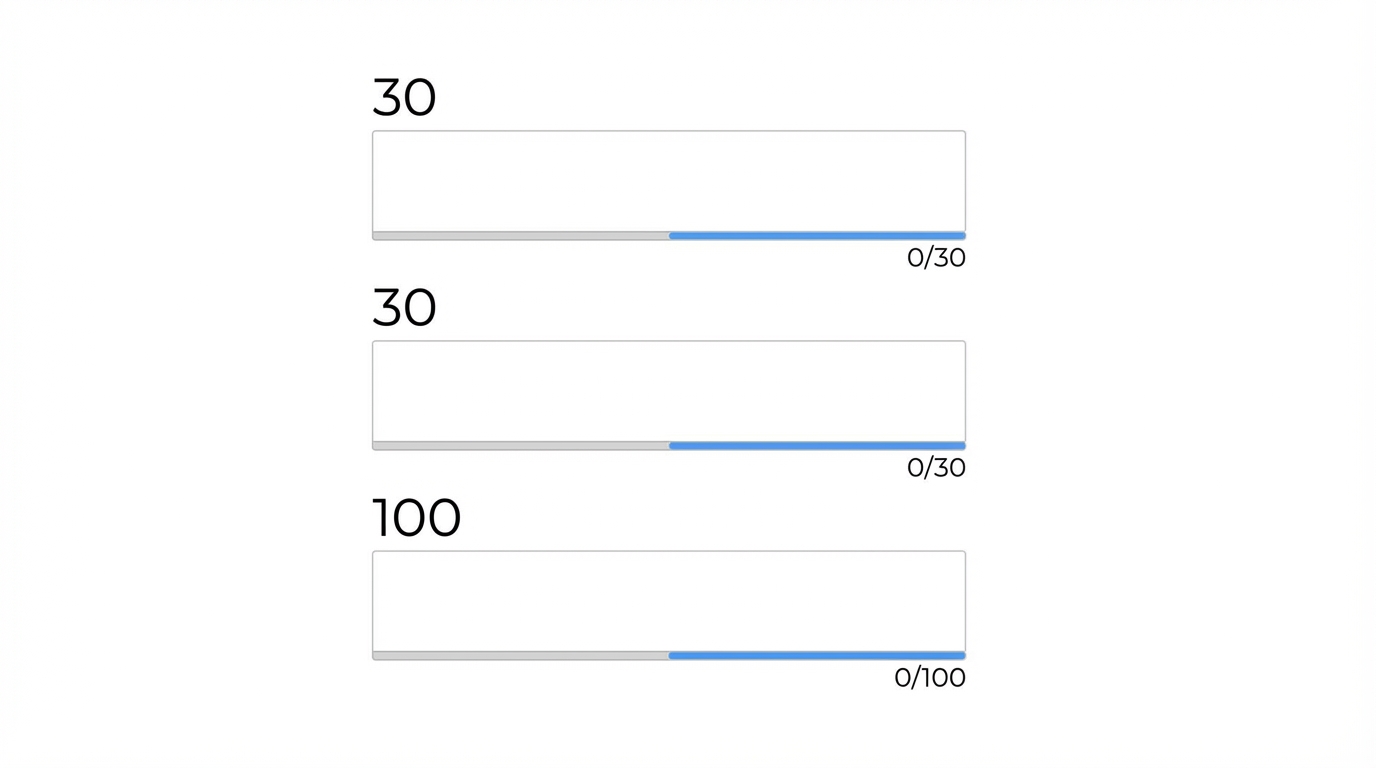
To master app store conversion rate optimization, you must understand the hierarchy of algorithmic weight. The Title (30 characters) holds the highest weight, followed by the Subtitle (30 characters), and finally the Hidden Keyword Field (100 characters). Modern ASO in 2026 has moved beyond simple lexical matching toward semantic indexing.
Apple’s algorithm now clusters apps based on thematic relevance. If your app ranks for "meditation," the algorithm may automatically associate you with "mindfulness" even if that term isn't in your metadata. However, the most successful apps—those in the top 250 of their categories—avoid "filler" words (e.g., *the, and, with*) almost entirely. These words appear in less than 3.2% of titles among top performers [source], as every character must be used for high-intent keywords.
Mapping Keyword Clusters to Specific Regions
When expanding via ios secondary locales, do not simply repeat your primary keywords. Repeating a keyword across the title, subtitle, and hidden field does not increase its weight; it merely wastes space. Instead, map your keyword clusters:
- Primary Locale (EN-US): Focus on broad, high-volume "Anchor" keywords (e.g., "Budget Planner").
- Secondary Locale (ES-MX): Focus on long-tail variations, synonyms, and specific use cases (e.g., "Expense Tracker," "Bill Organizer," "Finance Manager").
By splitting your clusters this way, you dominate a wider surface area of the search landscape without diluting the semantic strength of your primary title.
Seasonal Optimization and the "Learn" Strategy
A static ASO strategy is a declining ASO strategy. Metadata should be updated approximately every 4 weeks based on performance data and seasonal shifts. Leveraging seasonal trends, such as updating keywords for "New Year Fitness" in January or "Back to School" in August, can increase conversion rates by up to 40% during peak periods.
In specific categories, identifying "anchor" keywords is critical. For instance, in the Education category, the term "learn" appears in 18% of all apps. It is a category-defining term that Apple uses to anchor the app within a specific semantic neighborhood. If you are building an educational tool, failing to use "learn" in a high-weight field is an unforced error. However, the real hack is using your secondary locale to capture the "learn" variations in other languages or localized English slang that your competitors are ignoring.
"The Education category shows us that 18% of developers are fighting for the same 'anchor' terms. The winners are those who use secondary locales to capture the remaining 82% of the semantic tail."Harnessing Modern Signals: OCR and UGC
As of mid-2025, Apple’s algorithm underwent a major shift: Screenshot Indexing (OCR). Apple now uses Optical Character Recognition to extract text from your screenshot captions and uses these terms for indexing. This means your visual assets are now part of your multilingual ASO strategy. If you have screenshots in your Spanish (Mexico) locale that feature English text, Apple may index those terms for your US users.
For brands looking to scale these localized efforts, high-quality content is the bridge between ranking and converting. When you expand into new locales, having User-Generated Content (UGC) that feels native to that region is essential. Platforms like Stormy AI can help you discover and manage UGC creators who can produce authentic video content for your App Store product pages. By using an AI-powered search to find creators in specific regions, you can ensure your Custom Product Pages (CPPs) match the linguistic and cultural nuances of the secondary locales you are targeting.

Using Custom Product Pages allows you to create a seamless "message match." If a user searches for a term found in your secondary locale, you can direct them to a CPP that features visuals and captions specifically tailored to that search intent, significantly boosting your conversion rate.
The Implementation Playbook
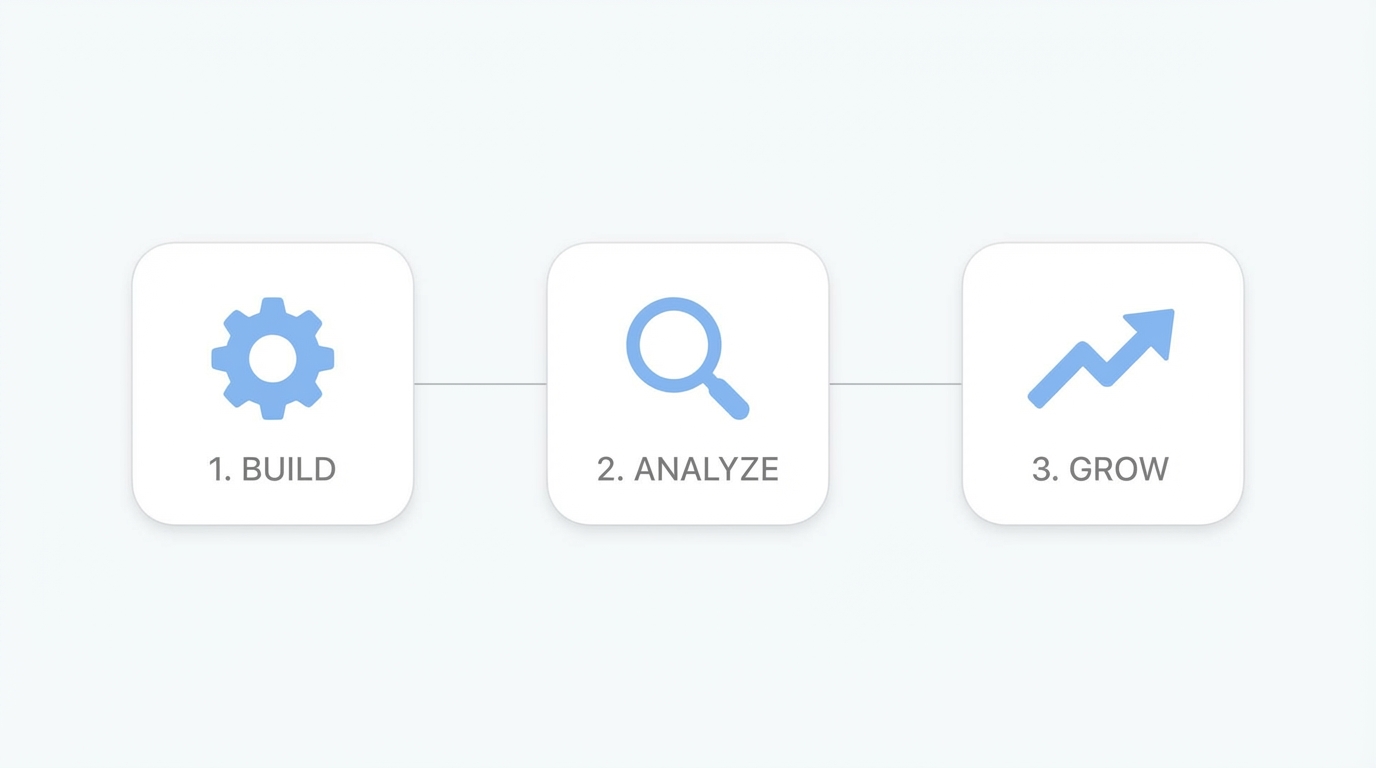
Ready to double your keyword real estate? Follow this step-by-step playbook to execute the secondary locale hack safely and effectively:
Step 1: Audit Your Current Semantic Reach
Use tools like Mobile Action to identify which keywords you currently rank for in the top 10. Identify the "gap" keywords—terms that are highly relevant but currently excluded due to character limits. Check for keywords found in your reviews, as these are increasingly used for semantic indexing.
Step 2: Deploy the Spanish (Mexico) Locale
In App Store Connect, add the Spanish (Mexico) localization. Do not simply translate your English metadata. Instead, use the Title and Subtitle to house the "Gap" keywords identified in Step 1. Ensure these are still readable and professional; keyword stuffing can lead to a semantic penalty or a drop in user trust.
Step 3: Optimize Screenshots for OCR
Ensure your screenshots use high-contrast, legible text. Instead of generic phrases like "Easy to Use," use active, keyword-rich captions like "Track Sleep Patterns" or "Calculate Macro Nutrients." Remember, Apple is now "reading" these images to determine your rank.
Step 4: Scale with Creator Partnerships
Once your metadata is driving traffic, you need to maintain high retention and conversion signals. Use tools like Stormy AI to find influencers and UGC creators who can create localized social proof. This is particularly effective when targeting specific regional clusters where traditional advertising might be too expensive.
Common Pitfalls to Avoid
While the secondary locale hack is powerful, it is not without risks. A notable failure example is the "Shadow Work Journal" app, which experienced a significant ranking drop after "over-optimizing." By repeating the same core keywords in the title, subtitle, and screenshots simultaneously, the app triggered a semantic penalty. The algorithm viewed the repetition as spam rather than relevance.
- Avoid repetition: Never use the same keyword in your Title and Subtitle.
- Ignore filler words: Apple automatically ignores "the," "an," and "best" [source]. Including them only wastes your limited character count.
- Monitor performance: An app that ranks #1 but has high crash rates or low retention will be demoted by the ranking algorithm. ASO is only as good as the product it promotes.
Conclusion: Maximizing Your Global Footprint
In 2026, the brands that win on the App Store are those that view metadata as a dynamic, multi-dimensional asset. By leveraging secondary locales, you can effectively double your keyword real estate, capture long-tail traffic, and outpace competitors who are restricted by the standard 160-character limit. Combine this with OCR-optimized screenshots and region-specific UGC sourced through Stormy AI, and you create a formidable engine for organic growth.
Stop fighting for the same 160 characters as everyone else. Open up your secondary locales, map your semantic clusters, and start capturing the 200% increase in organic installs that is currently sitting on the table.